More than 340 Gaza children have been reported killed since the ceasefire was announced a little over a year ago, the UN Children's Fund said on Friday — seven of them in the last two weeks alone — as 800,000 displaced children face a fourth winter in tents and bombed-out buildings. In the last two weeks in Gaza, despite the agreed ceasefire, five boys and two girls have been reported killed and at least 33 children seriously injured in air strikes, drone strikes and gunfire across the Strip, UNICEF spokesperson Ricardo Pires told journalists in Geneva. Another two boys died of injuries sustained previously.
What did UNICEF say about the ceasefire?
UNICEF said the killing figures are not what a ceasefire means. "Not least for the families mourning the loss of their children, those terrible statistics do not equate with a ceasefire as most would imagine one," Pires said, presenting a new UNICEF report that, in the agency's words, lays bare the human cost of a war that continues to devastate children — taking their lives, their childhoods and their futures. More than 340 children have been reported killed and hundreds of others injured since the ceasefire was announced. The agency's conclusion was direct: children need a real ceasefire and the full implementation of the peace plan now.
What is daily life like for Gaza's children now?
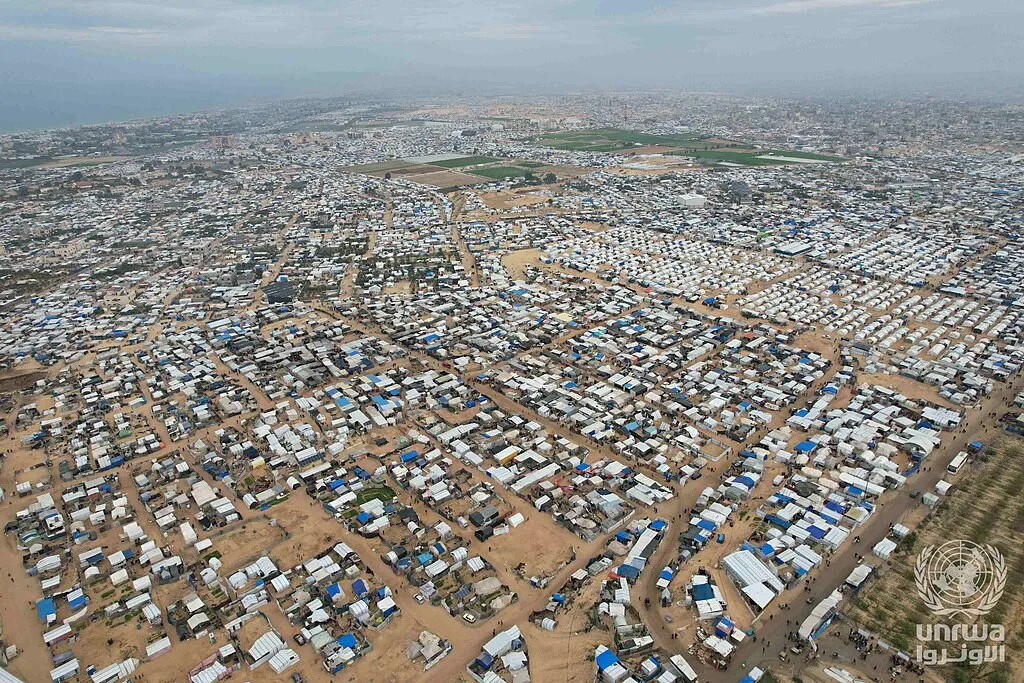
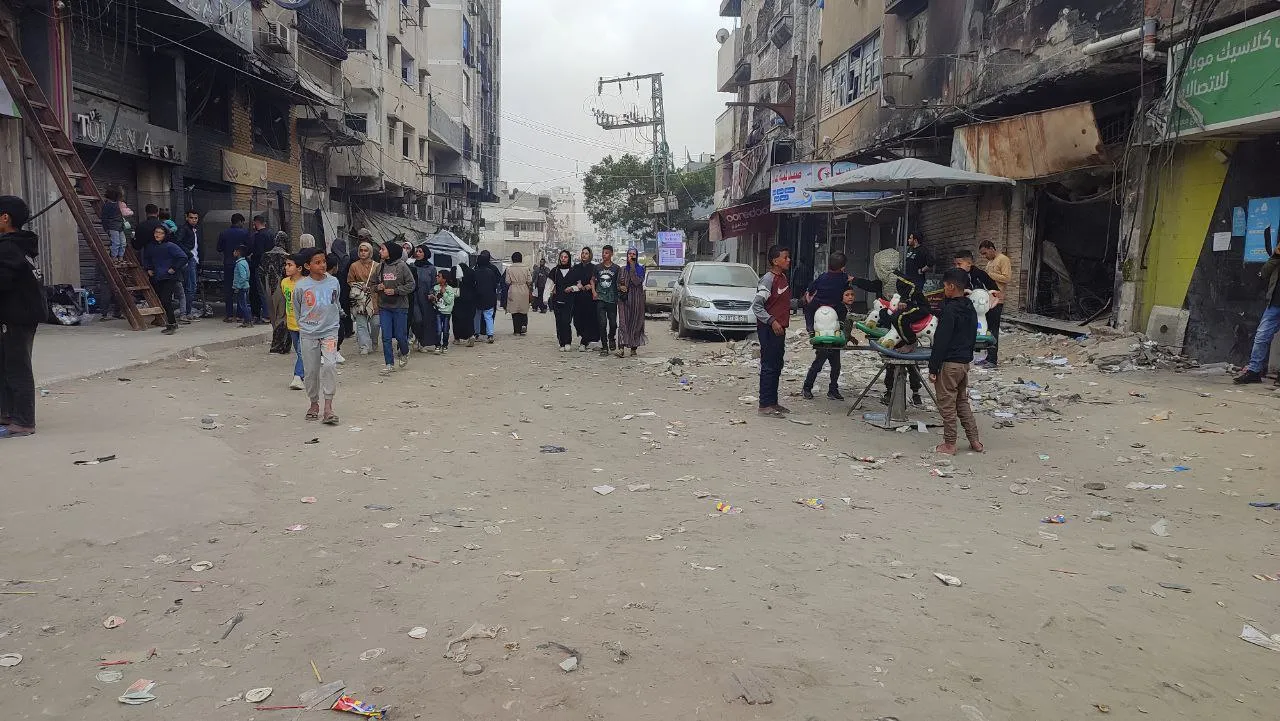
Daily life is still defined by displacement and loss. Some 800,000 children are still displaced and most live in tents or dangerous bombed-out buildings. An estimated 60,000 children in Gaza have seen either one or both parents killed during the war, or since the ceasefire. Nearly every child needs some form of mental health support to recover. UNICEF described one family it met recently: 16-year-old Norhan, whose mother was shot while eight months pregnant, delivered her baby and then died the following day. Norhan's father is living with a disability, so she now cares for her one-year-old sister Narjis — tidying the home, cooking and playing with her — and helps her three other siblings with their studies after they return from a UNICEF-supported learning centre. Norhan's dream is to be a pharmacist; she has not given up on it, but she does not expect it, the agency said.

What happens when the winter rains arrive?
UNICEF warned that the rains threaten to turn Gaza's broken sanitation system into a direct danger to children. All six wastewater treatment plants are still out of service, and most raw sewage is pumped directly into the sea. On land, vast pools of wastewater have collected — including the Sheikh Radwan stormwater basin, which is half-full. "With the winter rains fast approaching, we are running out of time to pump this out," Pires warned. "Just as we warned a year ago, contaminated water could overflow and inundate downstream residential areas, with potentially life-threatening impacts for children and their families. Children have drowned in sewage-contaminated water before." The basin can be drained within two weeks, UNICEF said, but the equipment needed has not yet been allowed by Israel to enter Gaza. Displaced families are meanwhile filling empty flour bags with sand to keep rainwater out of their tents, UN News reported.
What has improved — and what is UNICEF asking for?
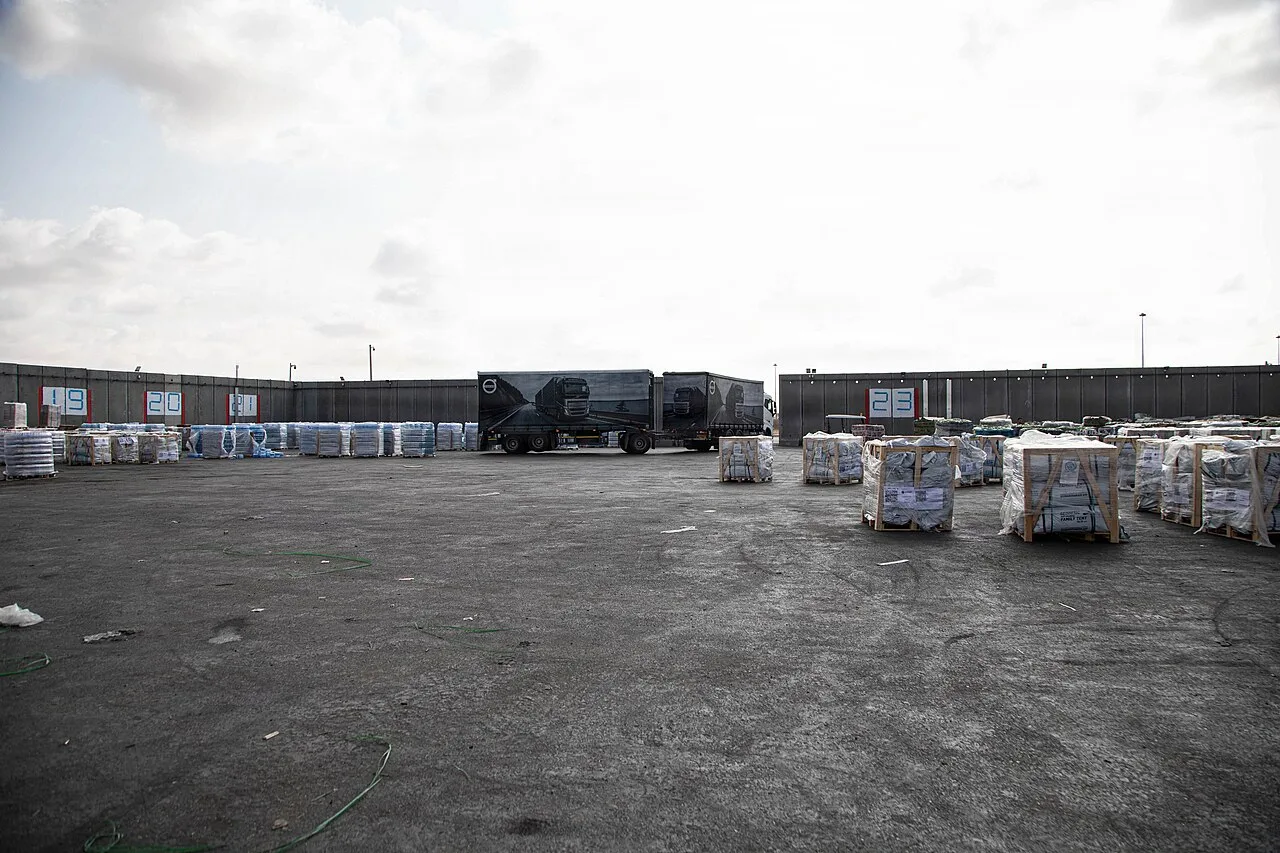
The ceasefire has allowed more humanitarian assistance and commercial supplies to enter the Strip and the food security situation has improved, UNICEF acknowledged, and its own work has restarted at scale: more than 560,000 children have returned to learning since the ceasefire, including at over 200 UNICEF-supported learning centres; digital cash assistance has reached more than 380,000 people; and the agency continues to supply safe water to 1.2 million people. But the agency said this is far from restoring services as they should be, and funding falls far short of what is required. UNICEF called on the Israeli authorities to enable the entry of the materials, equipment and technical supplies needed to rehabilitate infrastructure — without spare parts, generators and engine oil at scale, it said, even the services still running cannot be sustained — and on all parties to uphold the terms of the ceasefire, UN Security Council Resolution 2803 and their obligations under international humanitarian law. Asked about reports that private traders had halted cooperation on food deliveries, Pires stressed that an uninterrupted flow of humanitarian and commercial goods remained essential "so children can continue their recovery."
This article is drawn from UNICEF's October 16, 2026 Geneva press statement and UN News' October 16, 2026 report of the same briefing, both opened and read for this article. All casualty, displacement and orphanhood figures are UNICEF's, published as the agency stated them. Consistent with this site's editorial position on Gaza coverage, the article reports the documented record from the victims' side; every fact is attributed to the source that produced it. The FAQ answers are drawn only from the article's own text.