Ethiopia's Prime Minister Abiy Ahmed has named a Tigray caretaker government to stabilise the northern region and prepare for an election within six months, after federal troops and allied militia retook large parts of Tigray including the capital Mekelle, Reuters reported on Friday. The temporary administration will also repair damaged infrastructure and help displaced people return to their homes, Abiy said.
What has been announced?
A caretaker administration with a six-month mandate and an election at the end of it. The administration will be in office for six months, Abiy's office said, to create a stable political climate for free and transparent elections within six months. In a statement posted on X, Abiy framed the appointment as an exit from repeated war: "To attain the peace that has long eluded them, to secure their right to self-administration, and to finally enjoy the fruits of development — which have been out of reach for many years — the people of Tigray must break free from this cycle of conflict." A TPLF spokesperson did not immediately respond to a request for comment, Reuters reported.
How did Tigray come back under federal control?
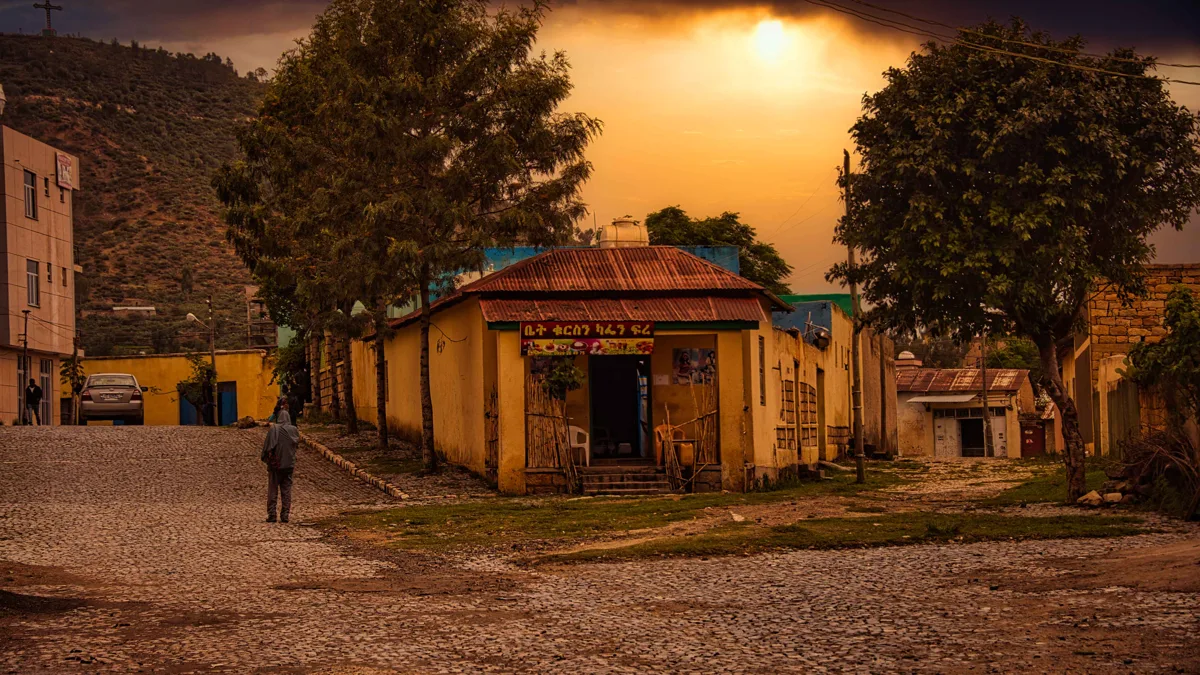
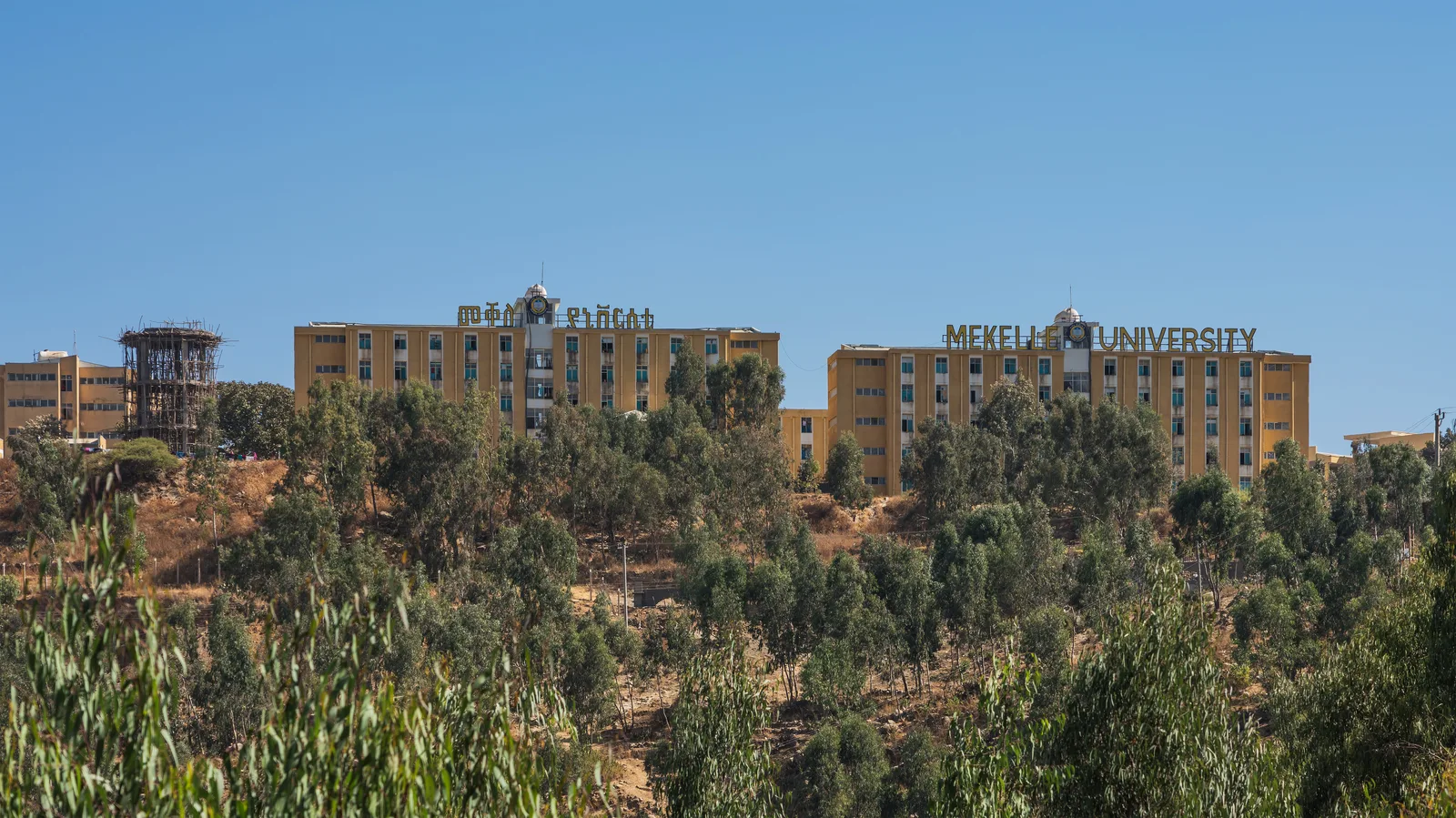
Through a fast counter-offensive against a rebel offensive that restarted the war last month. The Tigray People's Liberation Front (TPLF) led an offensive last month against Abiy's government, reigniting a war that killed hundreds of thousands of people between 2020 and 2022. Since fighting erupted, Ethiopia's military and a pro-government militia have made significant advances and taken control of large parts of Tigray including the regional capital Mekelle. The TPLF, Tigray's ruling party, dominated Ethiopian politics for decades until Abiy took office in 2018 — the history that makes an Abiy-appointed administration in Mekelle a profound reversal, and its reception by Tigrayans the open question of the next six months.
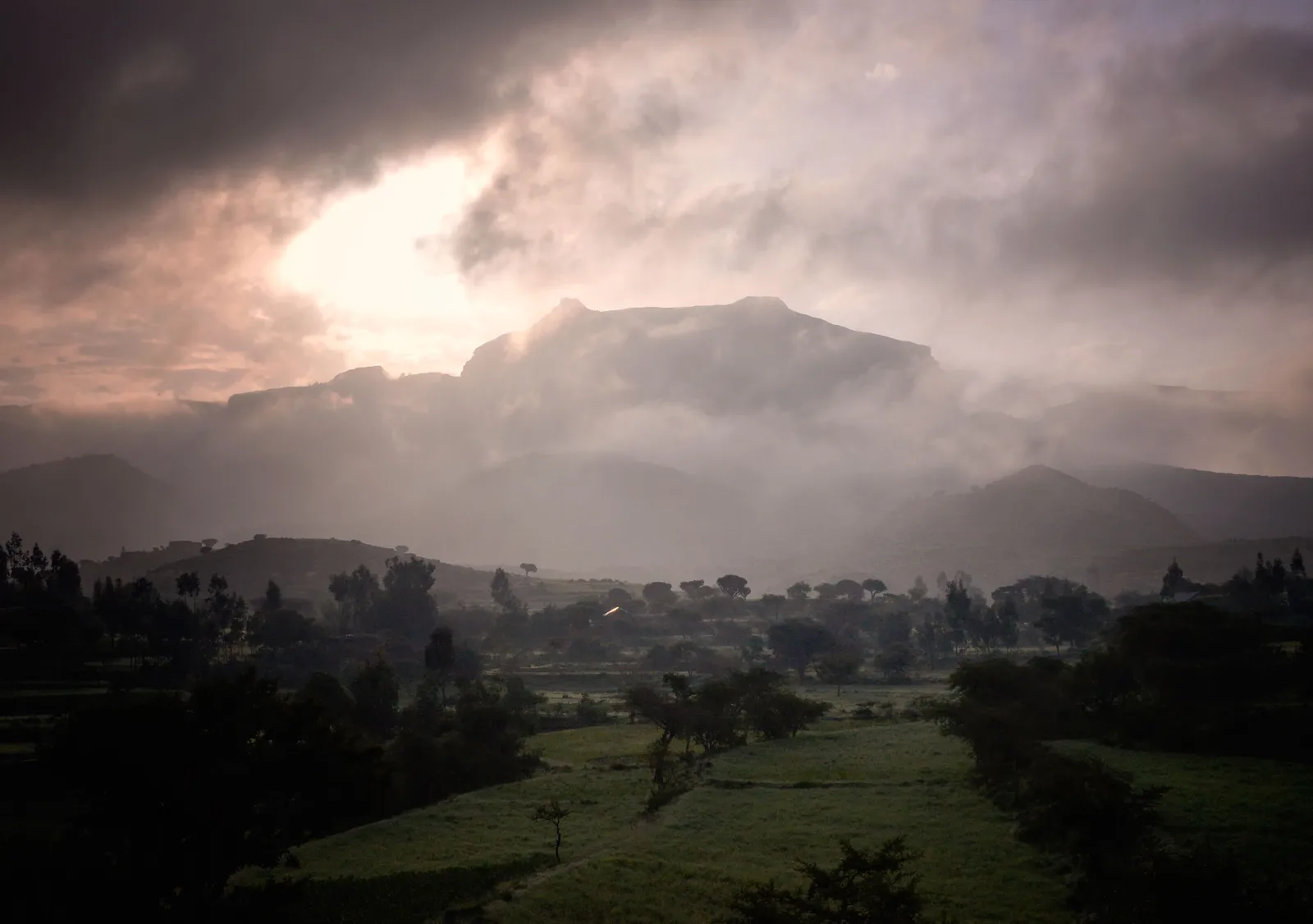
What is the region the caretaker government inherits?
A region that had not recovered from the last war before this one began. Tigray is yet to recover from the humanitarian toll of the previous war, which pushed hundreds of thousands into famine. Around 750,000 Tigrayans were still internally displaced as of February, according to the UN refugee agency, and the region faces drought linked to El Niño. The caretaker government's stated tasks — repairing damaged infrastructure and helping displaced people return to their homes — are therefore the substance of its mandate, not a formality: an election held while three-quarters of a million people remain displaced would test the "free and transparent" standard Abiy's office set for it.
What will decide whether the six-month clock holds?
Three tests are visible in the announcement itself. The first is response: the TPLF, which governed Tigray and led last month's offensive, had not commented when Reuters published, and an administration rejected by the region's dominant political force would struggle to create the "stable political climate" Abiy's office promised. The second is delivery: the administration's credibility will rest less on the election date than on the two tasks Abiy named alongside it — repairing damaged infrastructure and getting displaced people home — because both are measurable within six months in a way political reconciliation is not. The third is the front line itself: the caretaker government was named after federal forces took "large parts" of Tigray, in Reuters' wording, which is not the same as all of it, and fighting that continues anywhere in the region during the administration's tenure would sit directly against its founding claim to have stabilised the north.
Could the war widen beyond Tigray?
That is the fear diplomats attach to the announcement. The renewed conflict has already led to the severing of ties between Ethiopia and Eritrea: Addis Ababa accuses Asmara of backing the rebels, which Eritrea denies. In addition to Eritrea, Ethiopia's government has accused Egypt and Sudan of supporting the rebel alliance; they have denied the allegations. There are fears that unrest could spread beyond Ethiopia's borders in the fragile Horn of Africa region, where other powers vie for influence, Reuters reported. Whether the caretaker administration stabilises Tigray — or is rejected by the TPLF and its supporters as an imposed government — will decide much of that risk over the six months the administration has been given.
This article is drawn from Reuters reporting opened and read for this article: Reuters' October 16, 2026 report from Nairobi on the caretaker government's appointment. Positions of the Ethiopian government, the TPLF, Eritrea, Egypt and Sudan are reported as those parties stated them to Reuters; the TPLF had not responded to Reuters' request for comment at publication. The FAQ answers are drawn only from the article's own text.