Russia is establishing a "security zone" inside Ukraine along their border that will not be negotiable in any future peace talks, President Vladimir Putin said on Friday, on the same day President Volodymyr Zelenskiy used an EU summit in Brussels to condemn Washington's diesel deal with Moscow and to say Russia does not want peace. The two statements, carried by Reuters, mark a further hardening of both sides' public positions a week after President Donald Trump announced an energy ceasefire that neither Kyiv nor Moscow confirmed.
What did Putin say about the security zone?
Putin said Russian forces had been tasked not only with expelling Ukrainian troops from Russian territory but with establishing a security zone in the adjacent Ukrainian territory, and that the task was being carried out successfully, Reuters reported. Speaking in military uniform during a visit to a command post, he said the operation was a response to Ukraine's 2024–25 incursion into Russia's western Kursk region, and that ensuring the absolute security of Russia's border regions would not be made a subject of potential peace negotiations with Ukraine. Kremlin spokesman Dmitry Peskov said the planned zone spanned 660 km (410 miles), of which 70% was currently under Russia's control — a Kremlin figure reported by Reuters, with no independent confirmation of the extent of control.
What did Zelenskiy tell EU leaders in Brussels?
Zelenskiy told the summit that Russia did not want peace and condemned the US agreement to import Russian diesel, Reuters reported. He warned that cash would start flowing back into Russia through the deal and that it would put money directly into Putin's hands to fund the war, while never being enough to offset the impact of the Strait of Hormuz disruption on global markets. French President Emmanuel Macron said the deal sent a negative signal and was an element of division and doubt, according to Reuters. The BBC, as carried by People Daily Digital, reported that European Commission President Ursula von der Leyen said the EU had supported Trump's energy ceasefire but Russia had not respected it for a single minute, and that sanctions on Russia had to increase; European Council President António Costa said it was no time to relieve Russian sanctions, as the US had done in agreeing to import 300,000 tonnes of Russian diesel. Zelenskiy also accused Putin of not being interested in peace talks in any form, saying Moscow's stance looked like a parody of a genuine desire to end the war, Reuters reported.
What did Trump say in response?
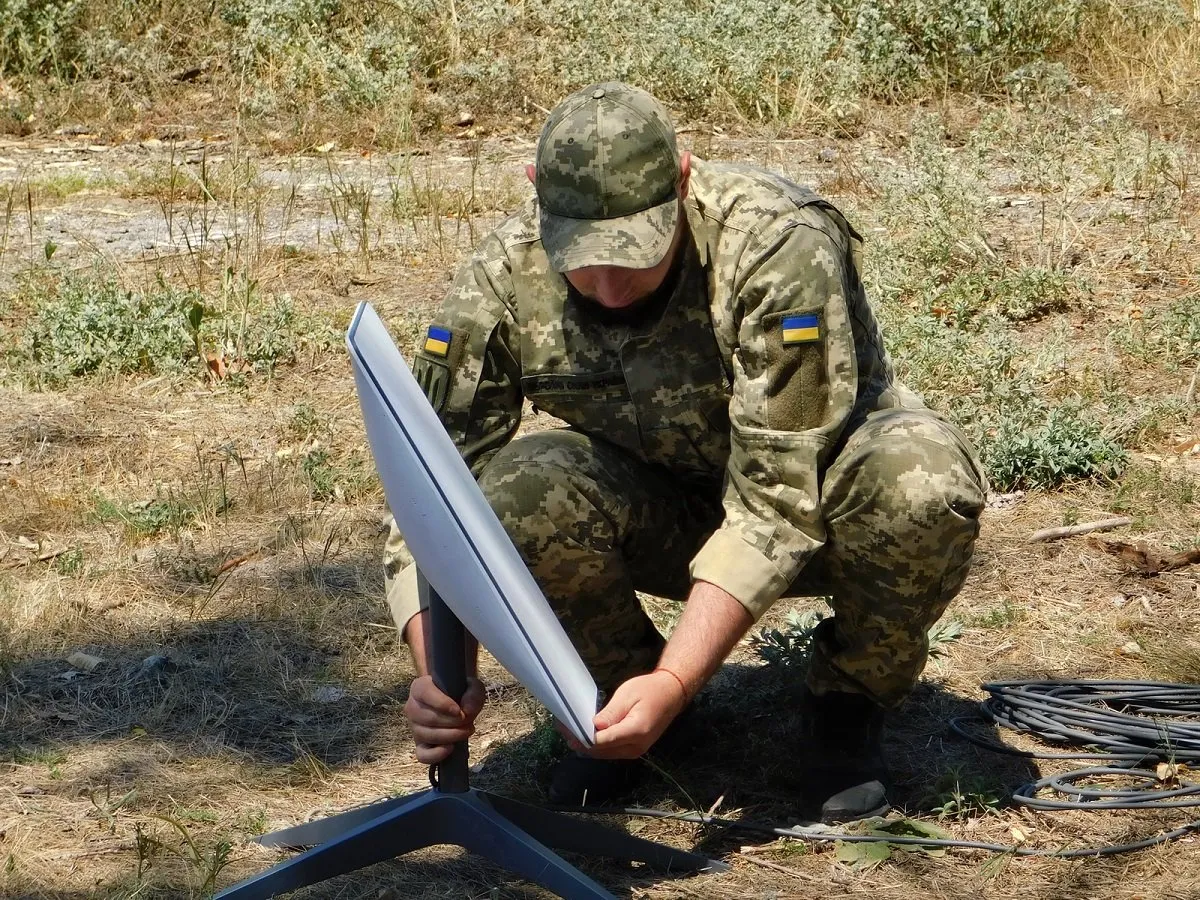
Trump said he believed neither he nor Elon Musk was responsible for the reduction this week in the Starlink satellite service Ukraine uses for battlefield communications and defence against Russian strikes, and said his relationship with Zelenskiy was good and that he wanted him to settle the war, Reuters reported. Zelenskiy said in Brussels that the operation of Starshield, the military-grade version of the service, had improved but had not yet been fully restored, and that the disruption placed civilians at risk. On the refinery campaign at the heart of the dispute, two industry sources told Reuters that the Ryazan oil refinery, hit by a Ukrainian drone attack on Thursday, had suspended operations at one of its primary crude distillation units.
What was agreed for the occupied town of Oleshky?
In a separate development on Friday, Pope Leo urged Putin in a phone call to agree to a ceasefire to allow aid and food supplies to enter Oleshky, a Russian-occupied town in Ukraine's Kherson region facing a deepening food crisis, the Vatican said, as reported by Reuters. The Kremlin said Putin told the pope he supported the Vatican's initiative to help deliver supplies to the town's civilians and was ready to cooperate, and that cooperation on the matter had been agreed. Russia has acknowledged critical problems with food and medical supplies in Oleshky and said its military was working to resolve them, while blaming Ukraine for obstructing deliveries; Russia and Ukraine accuse each other of blocking supplies to the town, Reuters reported. Oleshky had a pre-war population of some 24,000 and is still home to around 1,700 residents, including 47 children, according to Danielle Bell, head of the UN Human Rights Monitoring Mission in Ukraine, as reported by Reuters.
The security-zone dimensions and the 70% control figure are Kremlin statements reported by Reuters and are not independently confirmed; the Oleshky supply accounts are the Vatican's and the Kremlin's as reported by Reuters, with Russia and Ukraine accusing each other of blocking deliveries; and the Ryazan unit suspension is attributed by Reuters to two industry sources.