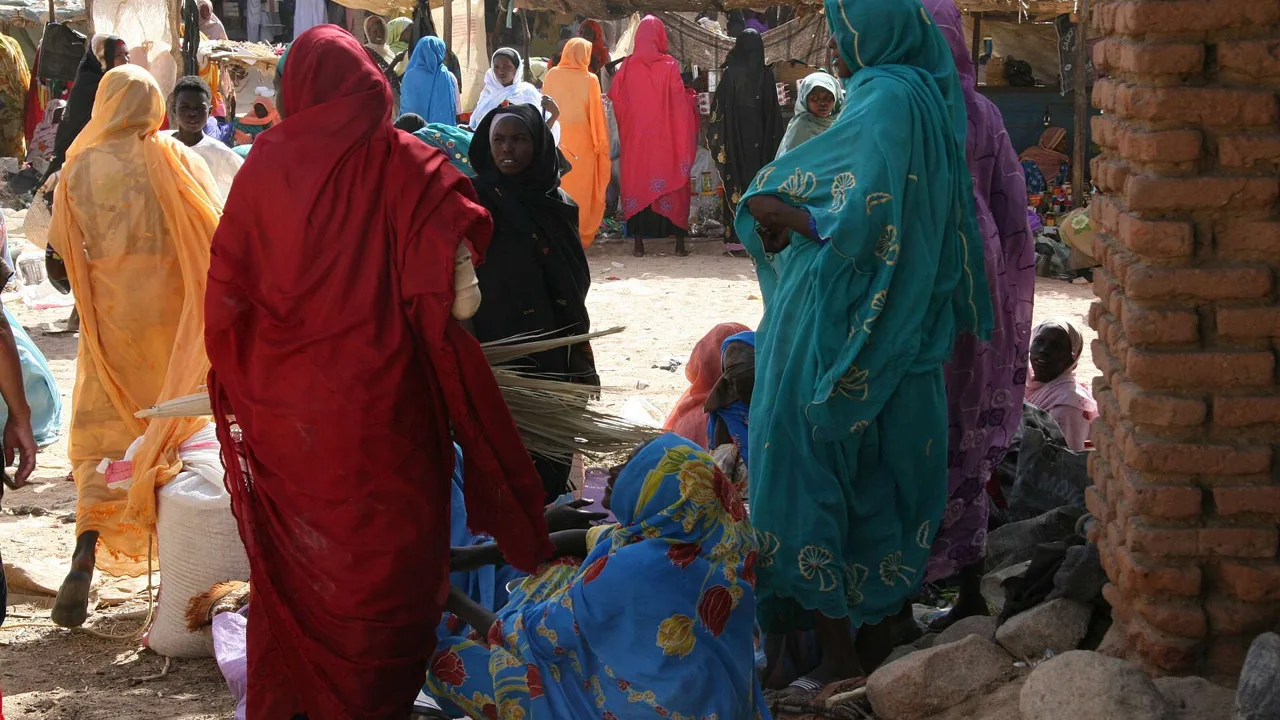
Up to 50,000 people have crossed from Ethiopia into Kenya to escape the Moyale clashes between forces of Ethiopia's Oromia and Somali regions, the UN refugee agency said on Wednesday — a figure that stood at 36,000 only a day earlier. The estimate came from local authorities and remained subject to verification as people continued to arrive, UNHCR Representative in Kenya Fatima Mohammed-Cole said in a statement. Many of those fleeing are women and children. Some are staying with relatives or host communities, while others have taken refuge in schools and churches, she said. Food is "the most urgent need," followed by safe drinking water, emergency shelter, sanitation facilities and health care, according to the agency.
How fast has the Moyale displacement grown?
In roughly a week, from thousands to tens of thousands. On Saturday, the Marsabit county commissioner, Stanley Kamande, said at least 2,500 people from Ethiopia were sheltering in the Kenyan town of Moyale, while a Kenya Red Cross worker put the number at 10,000 or more, Reuters reported. By Tuesday, UNHCR told reporters in Geneva that approximately 36,000 people had crossed into Kenya fleeing violence in and around Moyale. On Wednesday the agency raised the figure again: significant cross-border movements have been reported since October 22, and up to an estimated 50,000 people have now crossed, with reports of further crossings still coming in. UNHCR said assessments were continuing to determine the scale of protection and humanitarian needs, and the agency is also working with authorities and partners to find safer accommodation farther from the border — an acknowledgement that the reception area sits immediately beside the fighting it is receiving people from.
What started the fighting in Moyale?
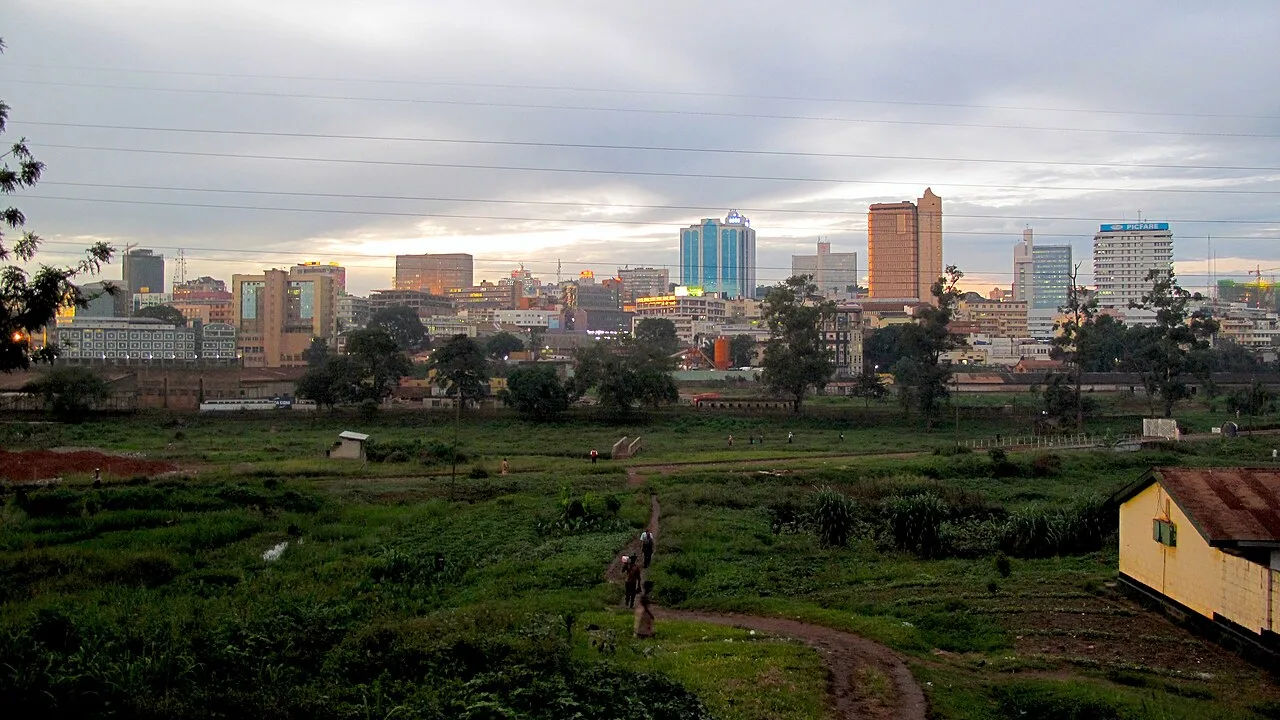
A dispute over who governs a divided town, ignited by a flag and a killing. The humanitarian crisis follows clashes involving security forces and armed civilians from Ethiopia's Oromia and Somali regional states, particularly among the Oromo Borana and Somali Garre communities, AFP reported. Both groups inhabit areas around Moyale, where longstanding disputes over administrative boundaries and territorial control have repeatedly fuelled tensions — the town is jointly administered between the two regions and its boundary is disputed. The latest violence was preceded by a dispute over the raising of the Somali Regional State flag and the opening of a new administrative office in an area of Moyale claimed by Oromia authorities. Tensions intensified following the killing of a 13-year-old girl on October 18, triggering protests, business closures and further confrontations between the communities. Heavy fighting then erupted on October 22, with regional security forces and armed civilians exchanging gunfire as violence spread to several settlements in southern Ethiopia.
The two sides blame each other for starting it, and this article does not resolve that dispute. The mayor of the Oromia side of Moyale said the girl, who was Borana, was shot after she objected to the flag, which he said had been put up on Oromia land, and accused Somali regional security forces of starting the fighting, Reuters reported. A Somali humanitarian worker in the town said the trouble began in a row over an office used by a newly appointed local administration, and that militias from the Oromia side opened fire first. Representatives of the rival communities have accused each other of provoking the clashes, while residents have reported deaths, injuries and the destruction of homes and businesses. On the Ethiopian side, a hospital official said at least nine people had been killed in the fighting — four on Thursday and five on Friday — and about 30 injured people had been brought in over several days, most of them hurt by heavy weapons, Reuters reported on Saturday. No updated overall death toll appears in the UN reporting opened since; the UN agencies have reported casualties without publishing a consolidated figure, and Ethiopia's federal government had not commented on the clashes by Saturday.
What is the humanitarian response in Moyale?
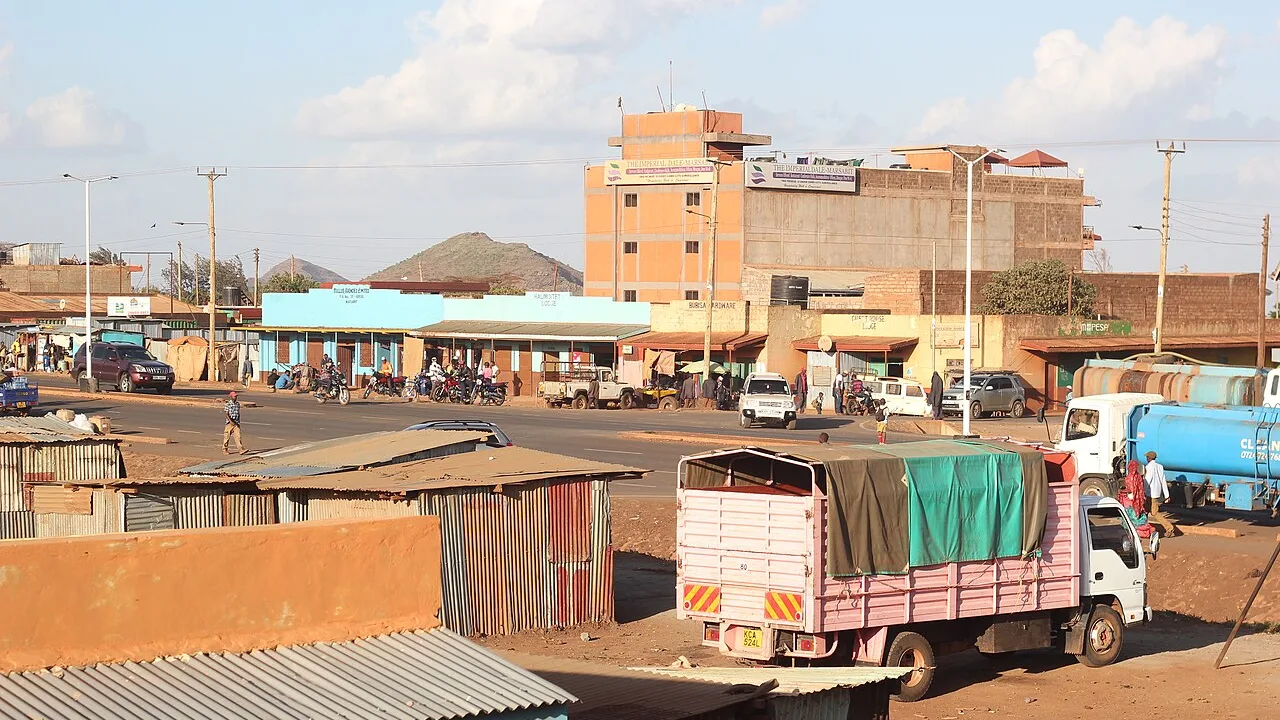
An emergency deployment sized, so far, for a fraction of the arrivals. UNHCR said it had deployed an emergency response team to the border town of Moyale to coordinate assistance with Kenyan authorities and humanitarian organisations. The agency is mobilising household essentials and temporary shelter materials for nearly 12,000 people and preparing to expand its response. On the Kenyan side last weekend, the Kenya Red Cross said its first response would reach 1,000 households with tents, blankets, water containers and fortified flour for young children, pregnant women and breastfeeding mothers. The arithmetic in those figures is the story's open wound: even the UN's scaled-up first tranche covers roughly a quarter of the people local authorities say have crossed, against a caseload that grew by some 14,000 in a single day. Moyale is also not a remote outpost — it is the main crossing on the road between Addis Ababa and Nairobi, so the fighting and the displacement are disrupting the principal trade route between the two capitals at the same time as they fill the town's schools and churches with people who have fled it.
What happens next in Moyale?
The next facts are verification, and whether the fighting stops. UNHCR's 50,000 figure is explicitly provisional — registration and verification efforts continue amid reports of further crossings — and the agency's assessments will determine whether the caseload is revised up or down. What is not provisional is the direction of travel across the week: every successive count, from the county commissioner's 2,500 on Saturday to the UN's 36,000 on Tuesday to 50,000 on Wednesday, has been larger than the last, and each was recorded while the clashes that produced it were still under way. Until the Oromia and Somali regional forces stop fighting over Moyale's administration — a dispute their representatives are still conducting through competing accusations — the border town on the Kenyan side will keep absorbing the cost.
This report is drawn from AFP's October 28, 2026 report of UNHCR's statement, opened and read in full via a verbatim carrier; UN News' October 28, 2026 bulletin, opened and read in full on news.un.org; AFP's October 27, 2026 report via The News International; and Reuters' October 24, 2026 Moyale report, opened and read via republication. The 50,000 figure is published as UNHCR published it — a local-authority estimate subject to verification — and the competing accounts of who started the fighting are published as each side stated them, unresolved.