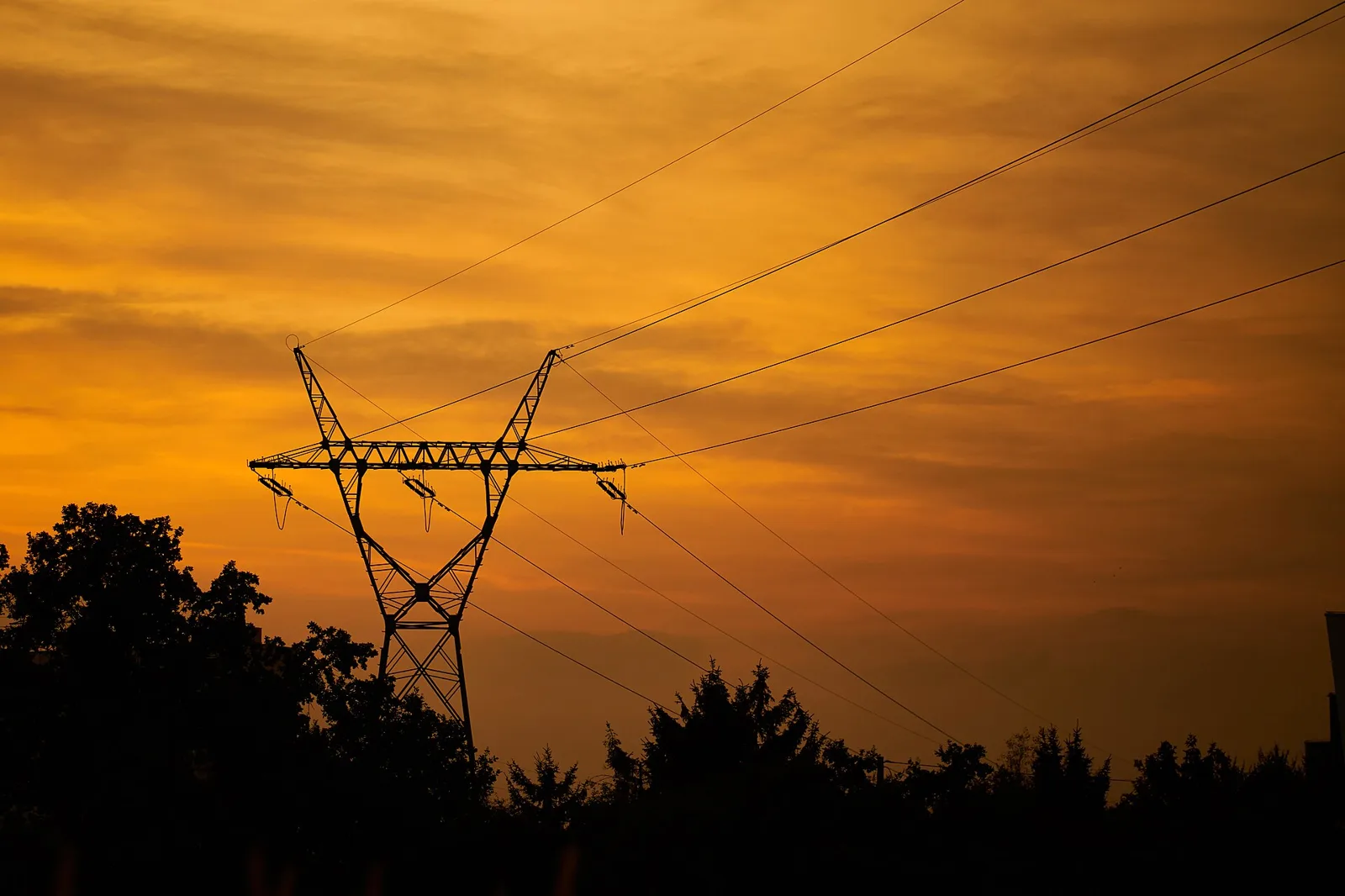
Russia has expanded its October campaign against Ukraine's energy sector into the country's west, striking power plants and electricity transmission systems in regions that had previously been untargeted and causing waves of blackouts, energy ministry officials and local authorities said on Tuesday. Deputy Energy Minister Artem Nekrasov said Russian strikes hit energy facilities in five western regions — Zhytomyr, Lviv, Rivne, Ternopil and Khmelnytskyi — as well as in central Kirovohrad and southern Odesa. In Odesa, Ukraine's largest private energy company, DTEK, said an overnight Russian attack hit three of its facilities and left 32,700 families without electricity. The strikes continued into Wednesday, when drones killed two people near Kharkiv and an airstrike hit a high-rise apartment building in Kyiv, hours before US envoy Steve Witkoff met President Vladimir Putin in St Petersburg.
What has changed in the energy campaign?
The target map. In October, before the start of the cold season, Russia resumed attacks on Ukraine's energy sector, targeting power plants and electricity transmission systems, Reuters reported. Earlier waves of the renewed campaign fell mainly on eastern and central Ukraine; the strikes Nekrasov described on Tuesday reached the west of the country, hundreds of kilometres from the front line. "Unfortunately, the enemy continues to deliberately and systematically attack our energy infrastructure," Nekrasov said in a televised statement. "As a result of the attacks, some consumers were left without electricity," he added. The word the ministry used for the pattern was systematic — region after region named in a single statement, from Lviv near the Polish border to Odesa on the Black Sea.
What happened in Odesa?
DTEK, Ukraine's largest private energy company, said on Tuesday that a Russian attack overnight hit three of its energy facilities in the southern Odesa region and that 32,700 families remained without electricity. Odesa has been struck repeatedly through the war, but Tuesday's ministry statement placed the region in the same wave as the newly targeted west — the same night's campaign, run as one operation against the grid rather than as separate local attacks. The figure DTEK gave counts families, not individuals, and it counts only its own customers in one region; the ministry's statement described consumers left without electricity across the much wider set of regions it named.
What happened overnight into Wednesday?
The campaign did not pause for the diplomacy. Russian drones killed two people near Ukraine's second-largest city, Kharkiv, overnight, Regional Governor Oleh Syniehubov said on Telegram on Wednesday; another 11 people suffered stress reactions in an attack that struck private houses and caused other damage. In Kyiv, a Russian airstrike hit a high-storey apartment building and transport infrastructure, causing fires, Mayor Vitalii Klitschko said on Telegram. In Kremenchuk, in the Poltava region, a strike on a university injured two, local authorities said. Reuters noted that the fresh strikes came ahead of the meeting scheduled between Witkoff and Putin on Wednesday — the ninth in-person meeting between the two men — and a day after Witkoff's talks in Oslo that a US official called "constructive."
What is Ukraine asking for, and what happened to the energy halt?
President Volodymyr Zelenskiy said on Sunday that Russia had attacked Ukraine's energy, oil and gas sectors dozens of times in the week since US President Donald Trump announced a halt to attacks on energy infrastructure. Ukraine had previously said it was ready for an energy ceasefire — a mutual stop to strikes on power infrastructure of the kind both sides have periodically announced — but has also asked its allies to provide missiles to intercept Russian ballistic missiles, which Moscow uses to strike Ukraine's energy infrastructure. That pairing is the practical shape of Kyiv's position going into winter: it cannot stop the ballistic part of the campaign with the interceptors it has, so the grid's exposure is decided as much in allied supply decisions as in Ukrainian repair work. With the cold season approaching and the target list now running from Kharkiv to Lviv, the western expansion means the blackouts Nekrasov described are no longer a frontline-region problem. They are a national one, arriving in the part of the country that hosts much of the population displaced from the east — and, as of this week, in the same news cycle as a peace process that has not yet produced a halt to them.
This report is drawn from Reuters' October 20 report on the expansion of Russia's energy strikes, opened and read in full, and Reuters' October 21 overnight-strikes report, opened and read in full. Casualty and damage figures are published as the Ukrainian officials named in those reports stated them; no Russian comment on the energy campaign was carried in the reporting opened.