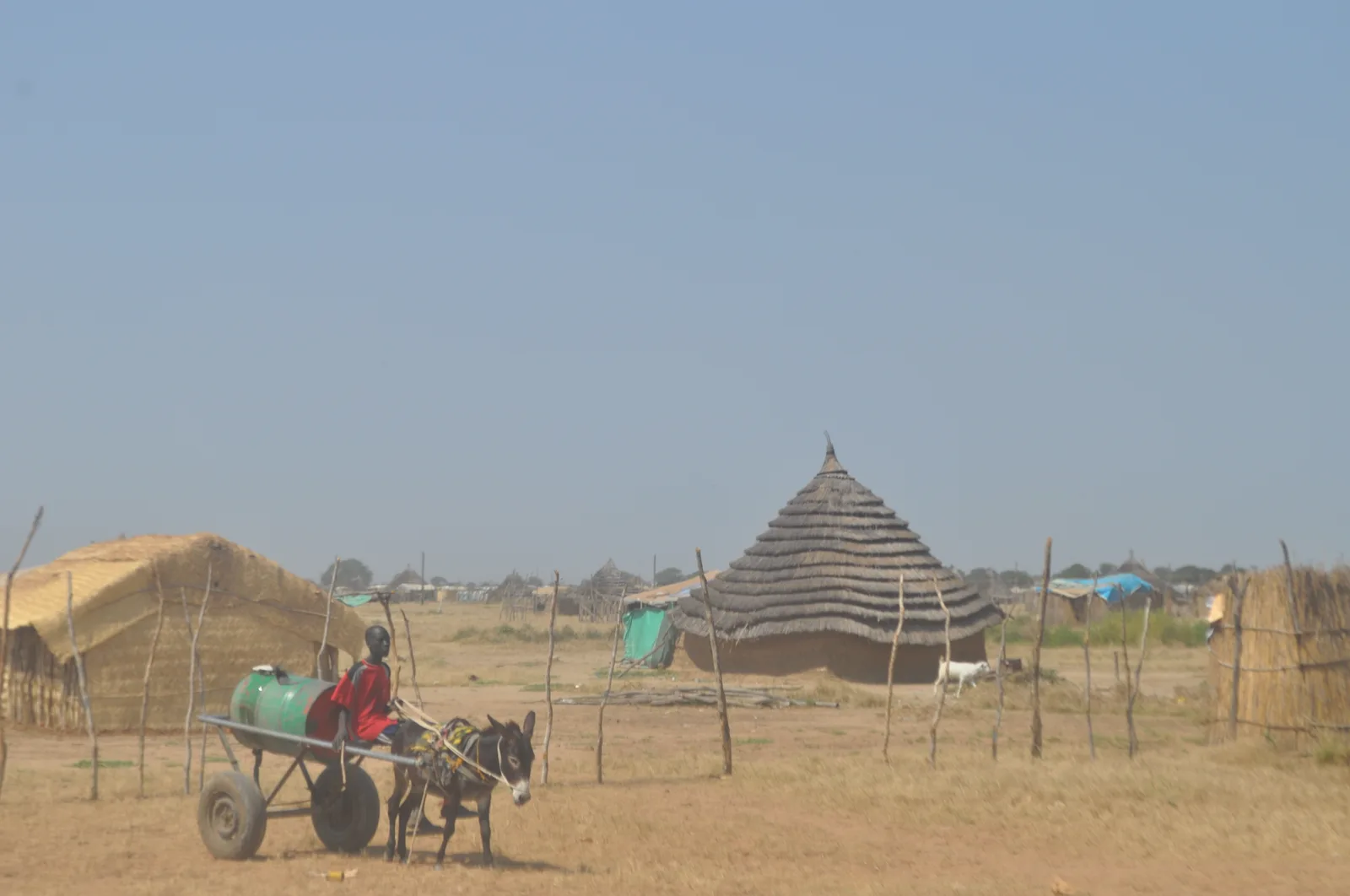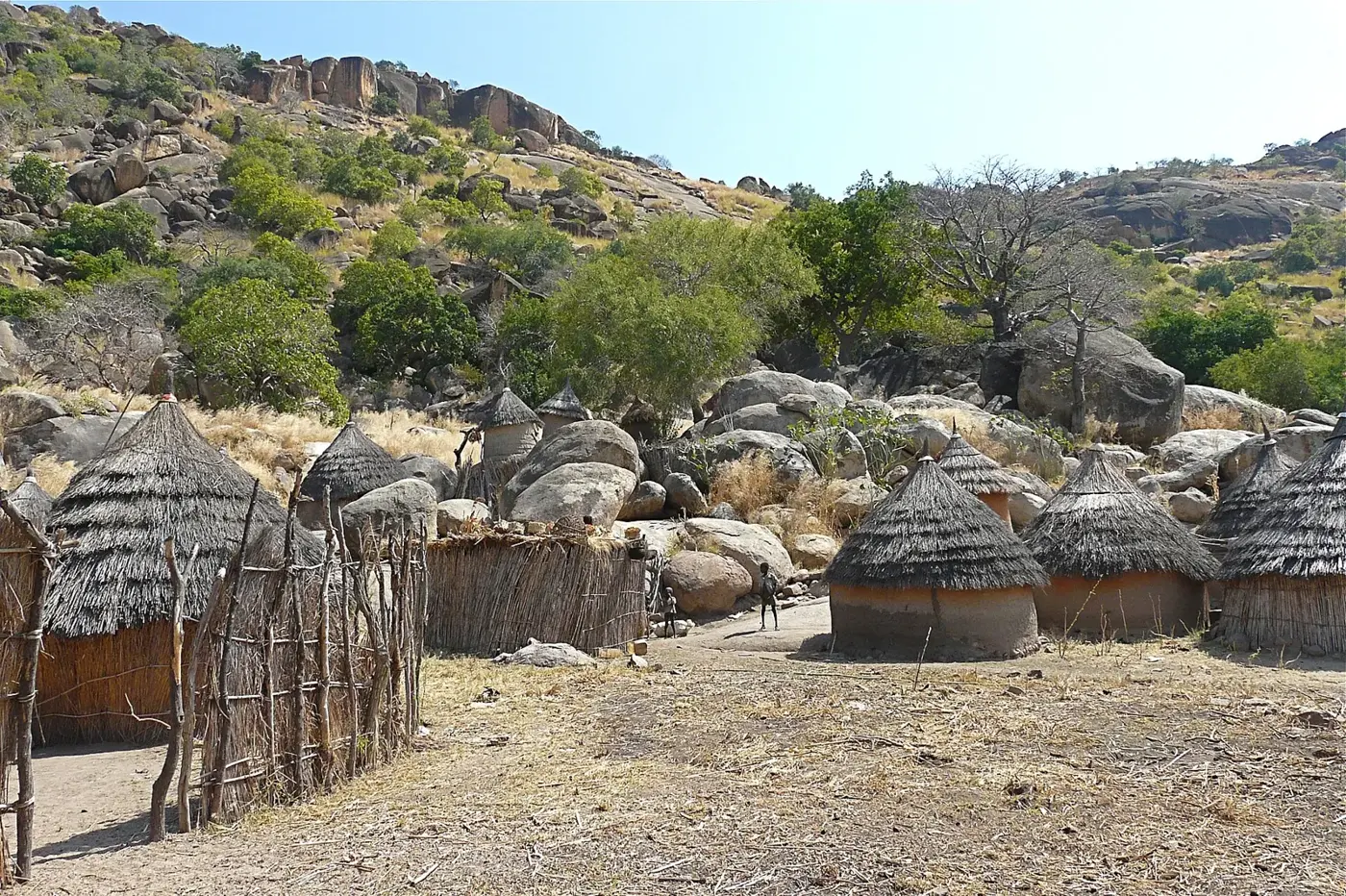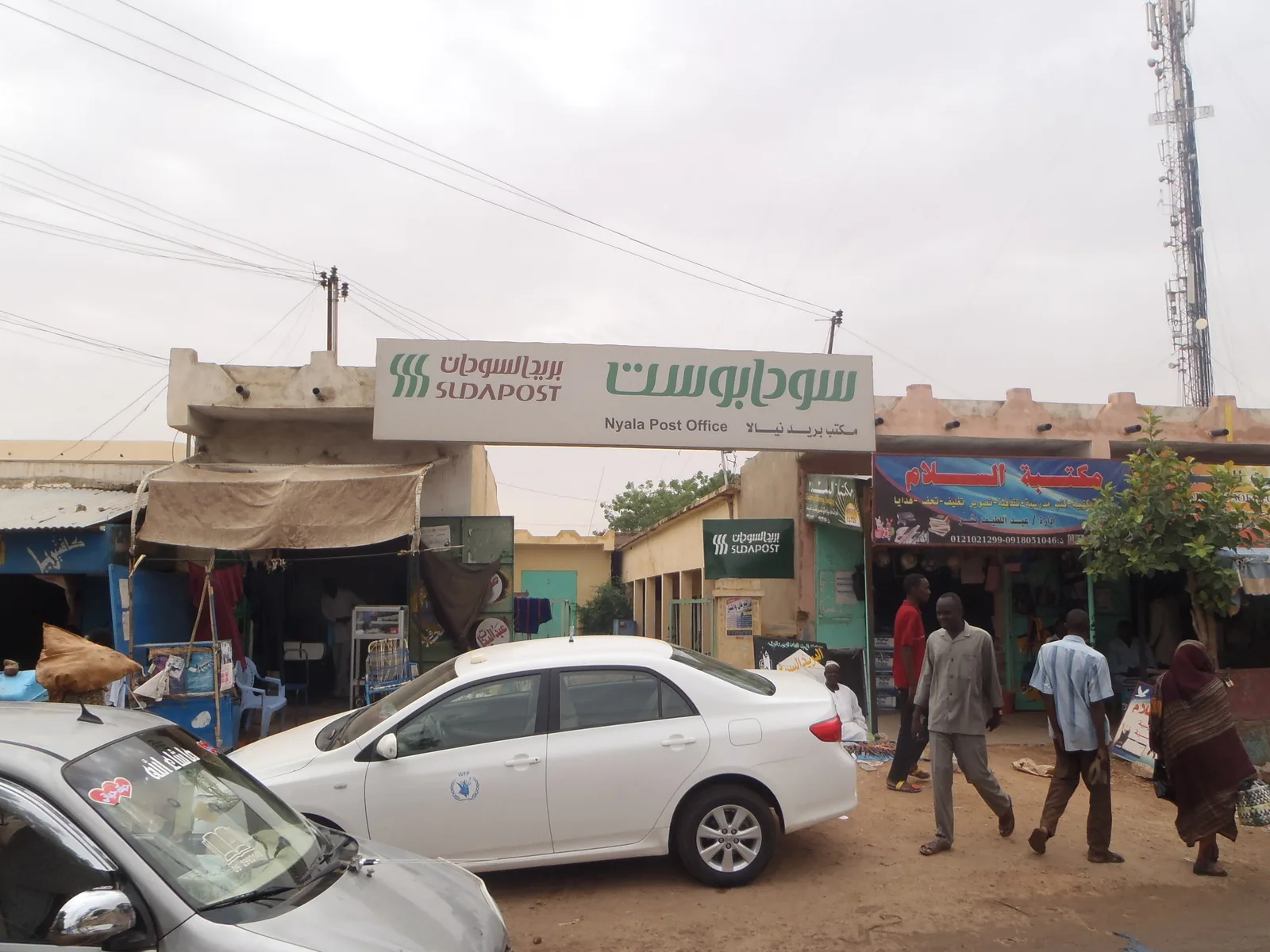
The Abyei Amiet market drone strike death toll has risen to at least 153, the disputed region's caretaker information minister said on Tuesday, more than double the 73 reported on Monday for the strike on the market north of Abyei town. Yohana Akol Ngor told the Associated Press by phone: "We have recorded 153 deaths." He said the toll continued to rise as a fire ignited by the strike was still burning on Tuesday. Ngor gave the same 153 figure to Reuters and said around 8,000 people had been displaced. Every toll in this article is an official's account that the reporting opened could not independently verify, and the counts differ sharply between sources — they are published unreconciled below.
What are the different death tolls, and why do they differ?
Three different counts were published on Tuesday for the same Monday strike, and none has been independently verified. Ngor's 153, given separately to the AP and to Reuters, is the highest wire count and revises his own Monday figure of 73, which this site published on Tuesday morning. AFP, citing Abyei district authorities, reported a lower toll from a different official account: 53 people killed and at least 27 wounded, with the authorities accusing the army of launching 22 munitions and describing the casualties as including women, children, the elderly, local merchants, members of the host Ngok Dinka community, South Sudanese returnees and Sudanese refugees. The United Nations gave the lowest figure: spokesperson Stéphane Dujarric told reporters in New York that at least 28 civilians were killed at Amiet Market and Todach in Abyei on Monday, with many injured and many unaccounted for. The gaps may reflect different counting points, different locations included and a recovery effort Ngor said was still under way in a burning market; no source opened explained the differences, and this article does not reconcile them.
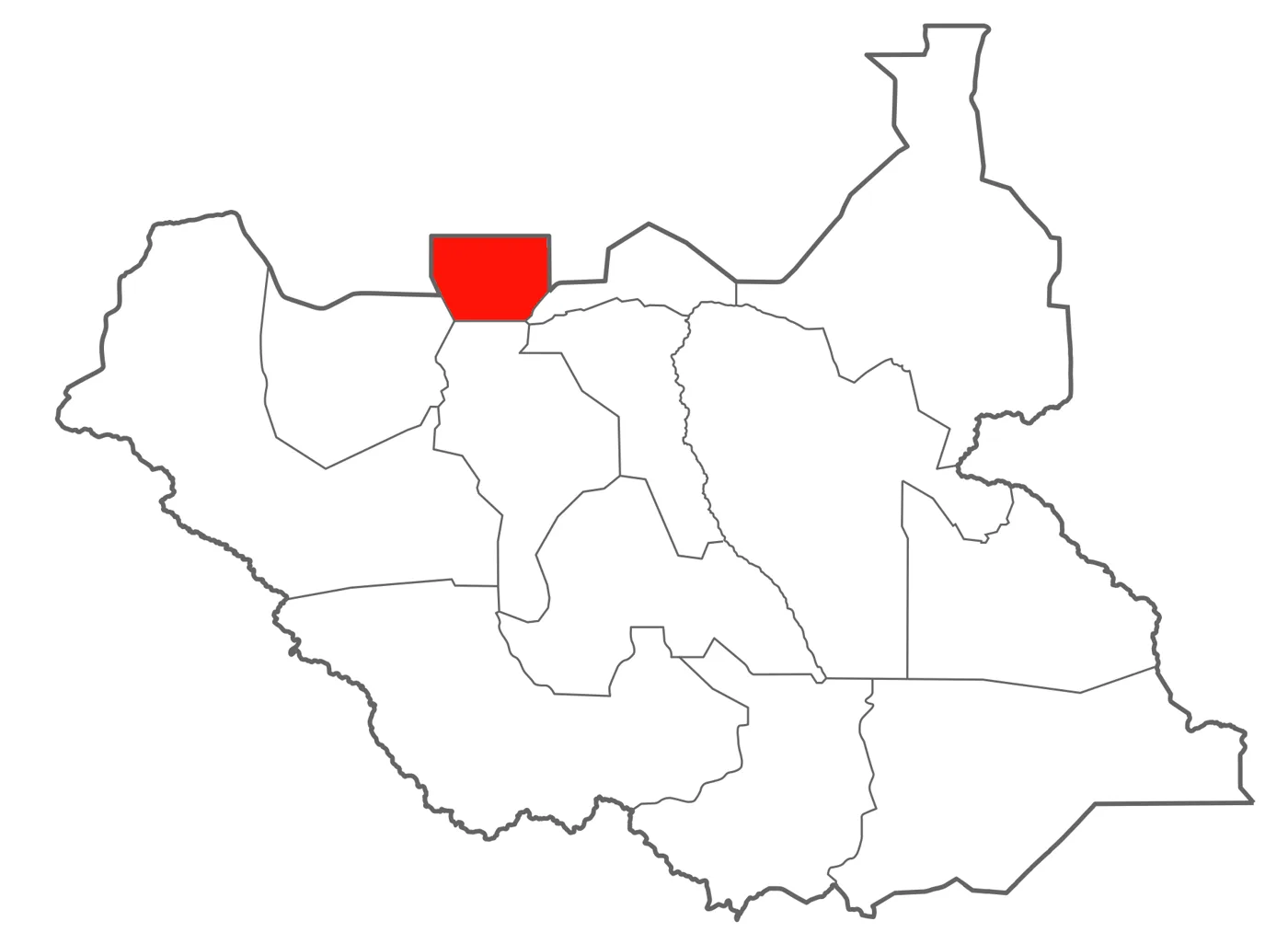
Who carried out the strike, according to each side?
Abyei's administration and South Sudan's government blame Sudan's army, and a Sudanese officer has now given the army's account of the target. Ngor blamed Sudan's military, and South Sudan's foreign ministry said the attack hit multiple locations within the market, summoned Sudan's ambassador to protest, and urged Sudan to "refrain from any actions that endanger civilian lives and property." A senior Sudanese military officer, speaking to the AP on condition of anonymity because he was not authorised to speak to the press, said the army carried out a drone strike on Monday targeting fuel tankers arriving from South Sudan that he said were bound for the paramilitary Rapid Support Forces (RSF). He said those killed were RSF members and people involved in fuel smuggling — "We do not target civilians" — and said the strike took place outside the demilitarised zone along the border. The AP said it could not independently verify his account of the targets or the identities of those killed. Reuters reported a related account from other sources: three diplomatic sources, an aid worker and a conflict analyst told the wire the strike appeared to have hit a fuel depot inside the market that had previously been used to supply RSF fighters. Reuters said it could not independently verify the circumstances surrounding the strike or whether military targets were present. Ngor denied the RSF had any presence in Abyei; Sudanese government officials have previously claimed RSF fighters operate in parts of the territory, and the UN force UNISFA warned in May that growing RSF activity was worsening insecurity.
What has been confirmed on the ground?
The confirmed medical picture covers the wounded, not the dead. Médecins Sans Frontières (MSF) said more than 20 wounded people were brought to Ameth Bek Hospital, where its teams were working alongside staff from South Sudan's health ministry. "So far we received over 20 patients, including several critical cases. Patients with burns were also admitted," said Dr Christian Lindauer, MSF's medical activities manager at the hospital. MSF called on all parties to stop attacks on civilians and civilian infrastructure. Ngor said the strike hit at around 11 a.m. on Monday and hit a fuel depot that supplied local businesses. Amiet market is a trading hub serving the Ngok Dinka and Misseriya communities, moving fuel, food, building materials and medicine from South Sudan towards Kordofan and Darfur. Dujarric, condemning what he called relentless drone attacks across Sudan, said: "These attacks are taking a devastating toll on communities already struggling with the consequences of more than three years of conflict." Abyei's status was left unresolved by the 2005 peace agreement and remained unsettled when South Sudan became independent in 2011; a proposed referendum stalled over disagreements about who could vote, and UN peacekeepers have been deployed there since 2011.
This article is drawn from reporting opened and read for this article: the Associated Press's October 20, 2026 report carried by CNN (Ngor's 153, the fire still burning, the anonymous Sudanese officer's fuel-tanker account and the AP's non-verification note, the MSF statement and the foreign ministry's protest), Reuters' October 20, 2026 reports (the flash via Devdiscourse syndication doubling the toll to 153, and the long report carried by AnewZ with the diplomatic-source fuel-depot account, the non-verification note, the 8,000 displaced figure and Ngor's RSF denial), AFP's October 20, 2026 report carried by HK Businesswire (the Abyei authorities' 53 killed, 22 munitions and casualty description), and the UN's October 20, 2026 UNifeed briefing (Dujarric's at least 28 civilians at Amiet and Todach). The tolls, the displacement figure and the attribution are contested: each is published as its source's account, the counts are not reconciled, and a later claim circulating outside the tiered wires that the toll had passed 220 was not confirmed by any tiered source opened and is not published here.