Iran told Pakistan's army chief on Tuesday that there will be no talks with Washington until Tehran's demands are met, Iranian media reported, as Field Marshal Asim Munir's latest mediation visit to Tehran met the same conditions from each of Iran's leaders. President Masoud Pezeshkian discussed mediation efforts and regional developments with Munir, according to the Iranian agency Nournews. Parliament Speaker Mohammad Baqer Qalibaf told Munir that Washington could not regain Tehran's trust until it fulfilled the seven conditions Iran set last month for reopening the Strait of Hormuz, and the secretary of the Supreme National Security Council, Mohsen Rezaei, said all of Iran's enriched uranium will remain in the country.
What exactly did each Iranian leader say?
The same precondition, in three rooms. Qalibaf's seven conditions, per the Iranian readout of his meeting carried by Reuters, include ending the US blockade on Iran's ports, lifting sanctions on its oil exports and ending hostilities on all regional fronts. Rezaei delivered a similar message in his own meeting with Munir and added the nuclear red line, reiterating Supreme Leader Ayatollah Mojtaba Khamenei's position that near-weapons-grade uranium should not be shipped abroad: "All enriched nuclear material will remain in Iran, and not a single particle will leave the country," he said, according to Iran's state broadcaster Press TV. "This material is a great asset and national wealth for the Iranian people to use domestically." Pezeshkian, meeting Munir on Tuesday evening, said Washington must first remove its threats and sanctions: "You cannot intensify sanctions and pressure day after day and close off routes and avenues to our country, and then claim that you want dialogue and negotiations. What kind of dialogue is this?" He added: "We have been and remain ready for dialogue. But the Americans must first remove their threats and sanctions, and then we can talk." US Vice President JD Vance said earlier this month that Iran must make a "meaningful" reduction in its uranium enrichment capacity to satisfy US demands and end the war. Iran denies seeking nuclear weapons.
Why was Munir in Tehran, and what did he carry?
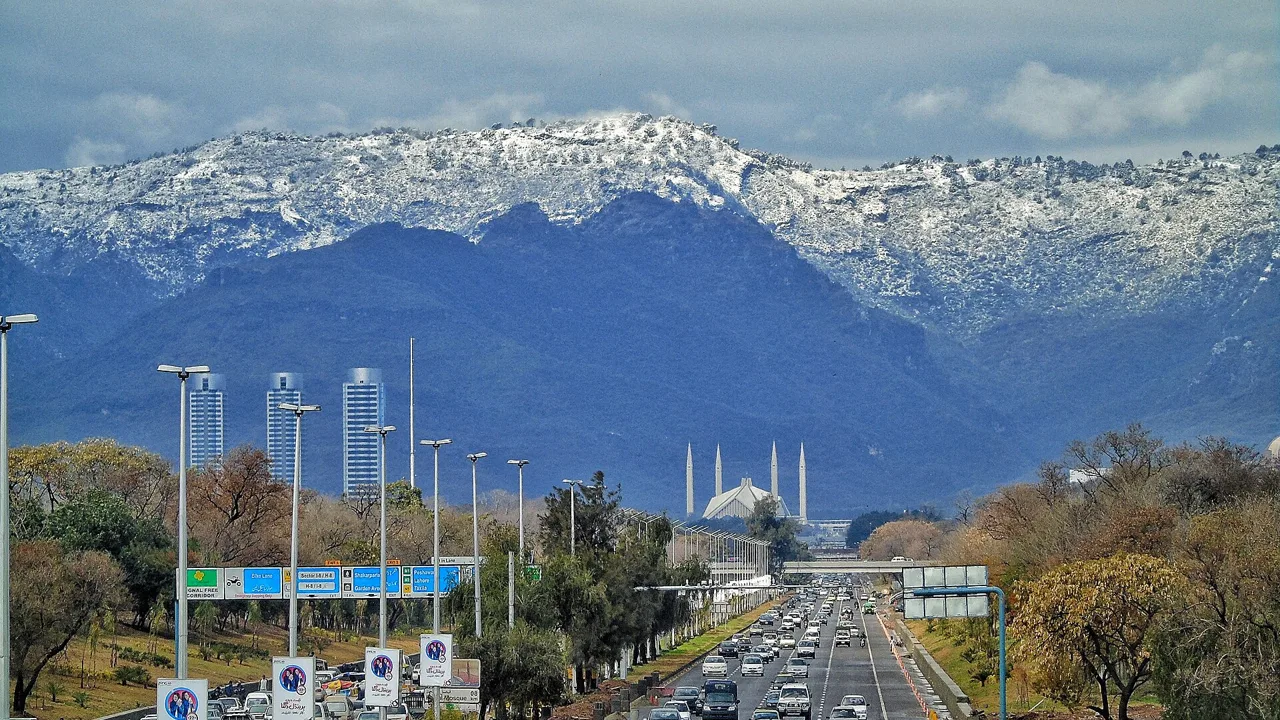
Pakistan is the key intermediary between the United States and Iran: its earlier mediation helped produce an interim peace agreement in June, but the Islamabad Memorandum quickly unravelled as fighting resumed weeks after. Munir briefed Pezeshkian on Pakistan's diplomatic efforts to reduce tensions, voiced concern about the possibility of renewed war and expressed regret that the Islamabad MoU had not been implemented, Press TV reported. The visit was also about more than Washington. The talks concern both a possible US-Iran agreement and the conflict in Yemen between the Iran-aligned Houthis and Saudi Arabia, and the visits by Munir and Russian Foreign Minister Sergei Lavrov, who was in Tehran on Monday, should be seen as the start of a Russian de-escalation initiative for the region, Pakistani intelligence sources told the DPA news agency, via AAP. As an ally of Saudi Arabia, Munir was to convey a warning: "Munir will tell them that the Houthis' aggression could also drag Pakistan into a conflict with Iran," an intelligence officer told DPA. That warning is published as the officer's account to DPA; no Iranian response to it appeared in the reporting opened. On the bilateral file, Munir said the Iran-Pakistan border problem had been resolved and crossings reopened on Tuesday morning, Press TV reported — a claim Pakistani traders' reporting the same day did not confirm: trade coverage on Tuesday said crossings remained suspended with freight stranded and no confirmed reopening timetable announced.
Is Tehran negotiating at all?
On the evidence of Tuesday's reporting, it is in no hurry. Iran has deliberately prolonged talks with the US to try to weaken Donald Trump politically ahead of November's midterm elections, senior officials told Reuters, while fears of renewed military action and deep distrust of Washington reinforced Tehran's reluctance to strike a quick deal. Three senior Iranian officials and an Iranian insider, speaking on condition of anonymity, said Tehran was convinced the US president was ready to resort to renewed attacks to break the stalemate in the eight-month-old war. "Iran is preparing for renewed Israeli and US attacks, not for a deal with America to end the war," one official said. "The clerical establishment is determined not to give Trump a political victory." Tehran analyst Saeed Leylaz said that by prolonging the talks, "Iran is influencing the US election without taking any unlawful action." The strategy carries a domestic cost Reuters documented: annual inflation hit 73.6 percent in September, the rial has fallen nearly 35 percent against the dollar since Washington reapplied its naval blockade in July, and Iran's seaborne crude exports fell to zero in the second week of September, according to energy intelligence platform Vortexa. A separate report that Qatar and Pakistan had tabled a compromise proposal — a confidential IAEA inspection visit in exchange for Iran receiving interest on $6 billion in frozen funds in Qatar — circulated on Tuesday via Al-Araby Al-Jadeed and market aggregators; neither Washington nor Tehran confirmed it in the reporting opened, and the public statements Iranian leaders made to Munir the same day set preconditions rather than accepting any terms.
This article is drawn from reporting opened and read for this article: Reuters' October 20, 2026 reports (the 'no talks until demands are met' account of Munir's meetings, via Devdiscourse syndication, and Parisa Hafezi's report that Iranian officials say Tehran is deliberately prolonging the talks, via SRN News), AAP's October 20, 2026 report with DPA (the Pezeshkian meeting, the Lavrov visit, the Russian de-escalation framing and the Houthi warning account), Press TV's October 20, 2026 accounts of the Rezaei and Pezeshkian meetings (Iranian state media; published as Tehran's own account of the meetings), and OPIS's October 20 midday oil report via TradingView. Iranian leaders' statements are published as their stated positions; the Houthi warning is attributed to a Pakistani intelligence officer speaking to DPA, and Munir's border-reopening claim is published alongside the same-day trader reporting that crossings remained suspended.