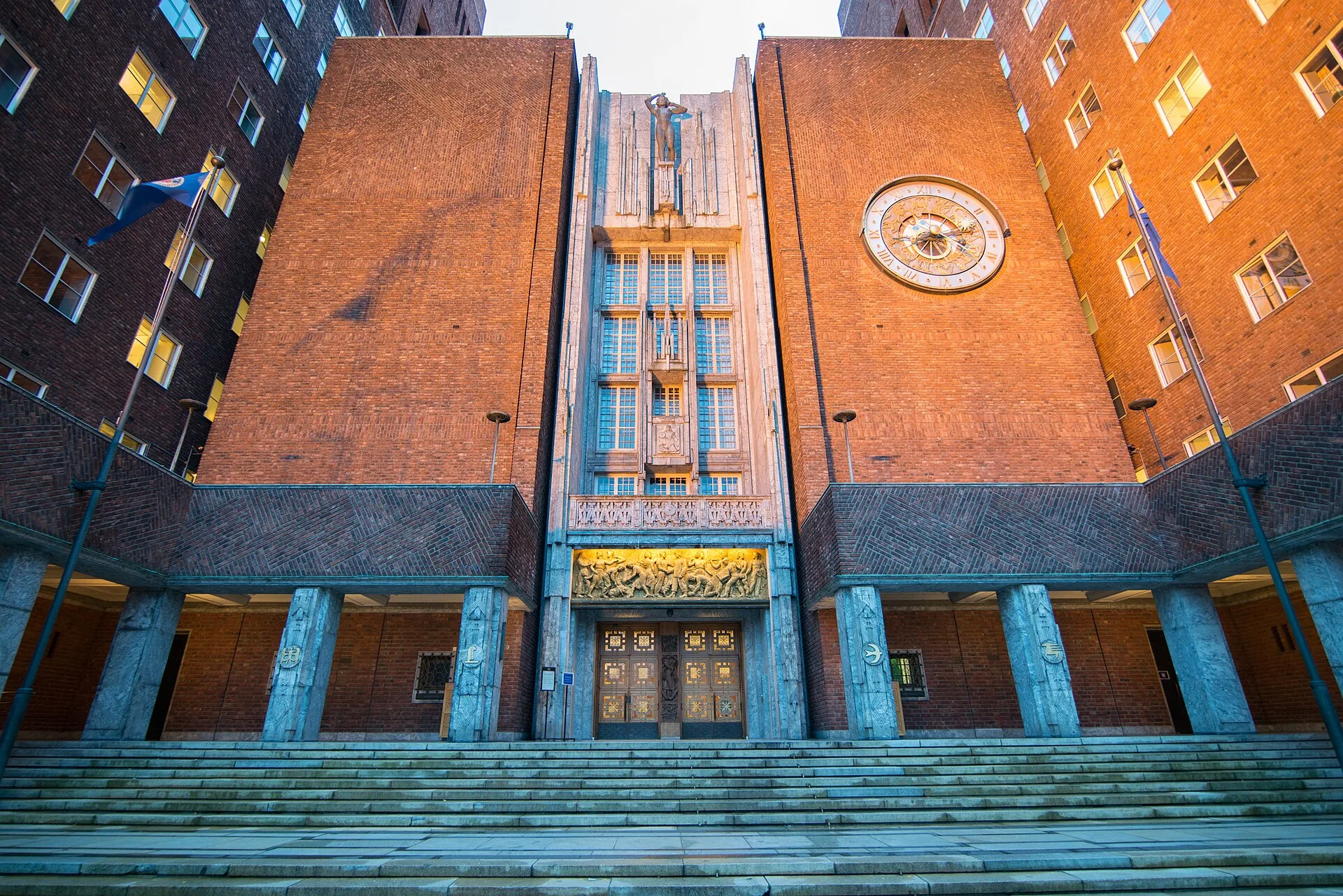
Ukraine is once again receiving early warnings of Russian ballistic missile attacks, President Volodymyr Zelenskyy said in Oslo on Tuesday, after a week in which he said Kyiv had been given no warning of strikes on the capital. Zelenskyy credited talks with his American counterparts, including a phone call with Secretary of State Marco Rubio earlier in the day and meetings in Oslo with US envoy Steve Witkoff and Jared Kushner, who joined remotely. The United States denied that anything had been withheld: Rubio, speaking in India, said policy had never changed and that there had been no deliberate decision to harm Ukraine.
What has changed, according to Kyiv?
The early-warning flow, on Zelenskyy's account. For at least a week, the Ukrainian leader has said his country's military did not receive early warnings about ballistic missiles aimed at the capital; he said such intelligence saves lives by allowing alerts to the public and giving military units time to try to intercept the missiles, AP reported. "We are thankful that intelligence works now, and I'm speaking about early warning, which is very important for our people, for children, adults, civilians, because we can hear when ballistic is coming," Zelenskyy said on his visit to Norway. "So we are thankful to American side now that it works." He said he had had "a substantive conversation" with Rubio and was grateful for "his readiness to help and his clear position."
Washington's account contradicts the premise. Speaking to reporters in India, Rubio acknowledged mutual frustration between the US and Ukraine over intelligence sharing and weapons supplies but emphatically denied that the Trump administration has made any changes to previous policy on either issue. "Nothing has changed," he said. "There has not been some deliberate political directive to go out and harm Ukraine." The Patriot ammunition Ukraine needs is in short supply and is also required elsewhere in the world, Rubio said. Whether warnings were ever paused remains contested between the two governments: Zelenskyy has described a gap of at least a week, including a complaint on Monday that Ukraine received no warning of powerful strikes on energy facilities in the capital region, and Washington has denied any pause throughout.
What is still unresolved?
Most of the rest of Kyiv's list. Ukraine has nearly run out of American-made Patriot air-defence interceptors that it needs to stop Russia's ballistic missiles, according to Zelenskyy, who has pleaded for Washington to send more; he said the Pentagon is delaying the delivery of missiles that other countries have purchased for Ukraine. Speed restrictions were still in place on Ukraine's use of Starshield, the military-grade version of SpaceX's Starlink satellite internet service, hampering battlefield operations, AP reported — although on Starshield, Zelenskyy told reporters in Oslo that "we decided that maybe in 48 hours we will have again a connection," AFP reported. Trump has also waived sanctions on Russia, a move Zelenskyy slammed as helping President Vladimir Putin push on with the invasion. At the White House, President Donald Trump stepped up the pressure on Zelenskyy to settle: "We want Zelenskyy to make a deal," he told reporters. "We've given a lot to Ukraine. We've gotten absolutely nothing back except grief, death, tremendous monetary loss." If that does not happen, "I think it's going to be a very bad thing," he said. EU foreign policy chief Kaja Kallas on Tuesday questioned whether US negotiators have been honest brokers in the peace efforts.
What happened in Tuesday's attacks?
Russian missile and drone attacks killed at least nine people across Ukraine on Tuesday, officials said. Four people were killed and 27 others wounded, including children, in attacks on the Kyiv region over the past day, regional police said: three were killed and six wounded in the Obukhiv district, where warehouses were damaged, and in the Bucha district one woman was killed and 21 people wounded, eight of them children, while hundreds of buildings were damaged. On Tuesday morning, three people were killed and four injured when two vehicles caught fire in a Russian attack on the Kyiv-Odesa highway, Ukraine's State Emergency Service said; the dead included the driver of a shuttle bus serving the National Military Memorial Cemetery. Two more people were killed in a Russian attack on warehouses on the outskirts of Dnipro, authorities said. National grid operator Ukrenergo reported power outages in 12 regions following the attacks. The Russian Defence Ministry said its forces carried out drone strikes on logistics centres, port infrastructure and three cargo ships in the port of Reni in the Odesa region, and that another bulk carrier was hit at sea on its way to Odesa; it also said air defences intercepted 136 Ukrainian drones over Russian regions overnight. Those ministry claims are published as the ministry's account.
Diplomacy continues on Wednesday: Norwegian Prime Minister Jonas Gahr Støre said Witkoff will fly to St Petersburg to meet Russian leaders, exchange ideas from the Oslo meeting and share proposals from European and American colleagues, and Finnish President Alexander Stubb called Tuesday "a good day for peace." Flanked by Støre and Stubb, Zelenskyy insisted Kyiv must be included in any future talks on its fate: if there are issues about Ukraine and its future, he said, Ukrainian representation at the table is "absolutely clear."
This article is drawn from reporting opened and read for this article: AP's October 20, 2026 report, updated at 19:29 UTC (Zelenskyy's Oslo remarks and Rubio call, Rubio's denial in India, the Kyiv region, highway and Dnipro tolls, the 12-region outages and the Russian Defence Ministry's Reni statement), AFP's October 20, 2026 report (the Oslo press conference, the Starshield 48-hour remark and Witkoff's St Petersburg trip), and Reuters' October 20, 2026 highway report, which this site carried in its Oslo report this morning. The early-warning dispute is published in both governments' words: Zelenskyy says warnings stopped for at least a week and have now resumed; the United States says its policy never changed. No independent confirmation of the warning flow itself was available in the reporting opened.