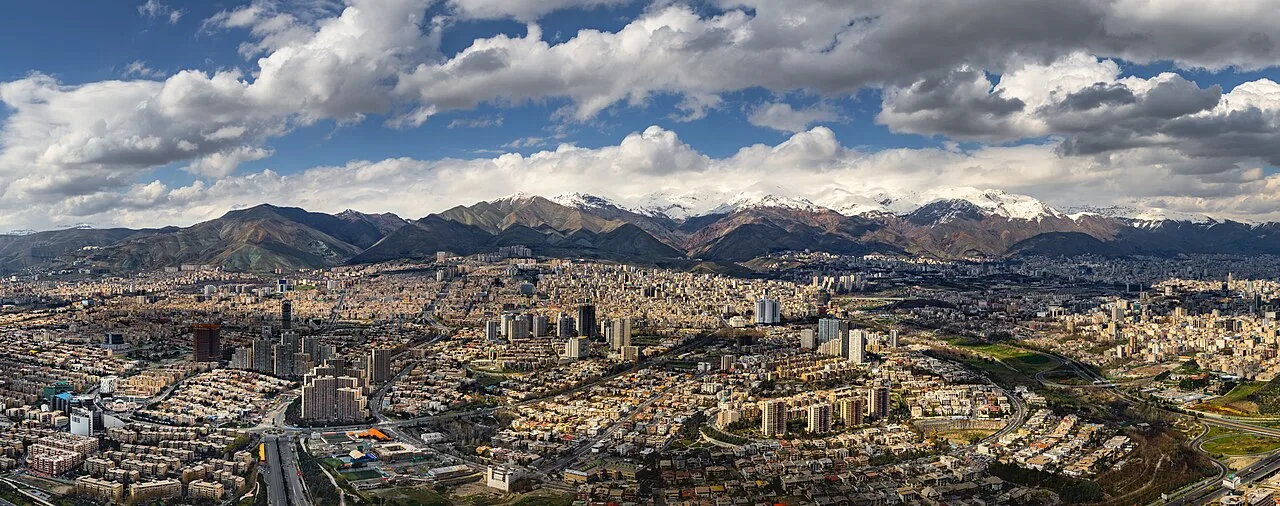
Three of Iran's armed neighbours walked into Tehran on Monday: Saudi Arabia, Turkey and Pakistan — the states that signed a mutual defence pact against the regional war in August — held their first high-level talks with Iran since that war began, and agreed to keep talking. The meeting is the most direct attempt yet by the region itself, rather than Washington, to stop an escalation that has closed much of the Strait of Hormuz, shut Riyadh's airport for days at a time and pushed Brent crude above $117 a barrel. It produced no ceasefire and no timetable — and within hours of the delegates leaving, the Saudi-led coalition was intercepting another three ballistic missiles and four drones over the kingdom, Reuters reported.
Who sat at the table in Tehran?
The defence and security chiefs of the three pact states, facing Iran's president and security council. Saudi Arabia was represented by Defence Minister Prince Khalid bin Salman, the younger brother of Crown Prince Mohammed bin Salman; Pakistan by army chief Field Marshal Asim Munir; and Turkey by intelligence chief Ibrahim Kalin, Saudi and Iranian officials said. Iranian state media published pictures of President Masoud Pezeshkian, Foreign Minister Abbas Araqchi and Mohsen Rezaei, secretary of the Supreme National Security Council, attending the meetings, Reuters reported. The talks were the first high-level contact between Iran and the three nations — which signed the Mecca mutual defence pact in August — since a war that began with US and Israeli strikes on Iran also spread to Saudi Arabia and Yemen.
What did they agree, and what was actually on the agenda?
To continue talking — and, per the officials who briefed on it, to build something more durable than a truce. At the conclusion of the meetings, the four states agreed to continue talks with a view to strengthening cooperation, especially in peace and security, state media reported. Saudi Arabia said the visit was intended to open negotiating channels to "prevent the return of military escalation." A senior Pakistani security official said the focus was on building a regional non-aggression network, and that the agenda also included US-Iran talks, Houthi attacks on Saudi Arabia, the Strait of Hormuz and a US blockade of Iranian ports, Reuters reported. Another Pakistani official said Munir, with a go-ahead from President Donald Trump to try diplomacy, had presented Iran with a solution to the conflict that would offer something to both the US and Iran, without giving details, and that the Mecca pact states and Qatar could act as guarantors if it was accepted. Pakistan and Qatar have led mediation efforts in the war, and Qatari mediators were in Tehran on Sunday, an official told Reuters in earlier reporting carried in the same account. One boundary was stated plainly: an Iranian official said there would be no discussion of Iran's nuclear programme at Monday's meeting, and the issue would not be addressed until Tehran's demands for ending the war were met — conditions that include ending the US blockade of Iranian ports and lifting sanctions on Iranian oil exports, while US Vice President JD Vance has said Iran must reduce nuclear enrichment to end the war. Iranian security chief Rezaei said the visit had shown that "American threats have little impact on countries around the world" and spoke of a "new and positive atmosphere" in the region; Foreign Ministry spokesperson Esmaeil Baghaei had earlier said the meeting, proposed when Munir visited Tehran last week, could be a first step towards establishing regional security mechanisms.
Why is the timing fragile?
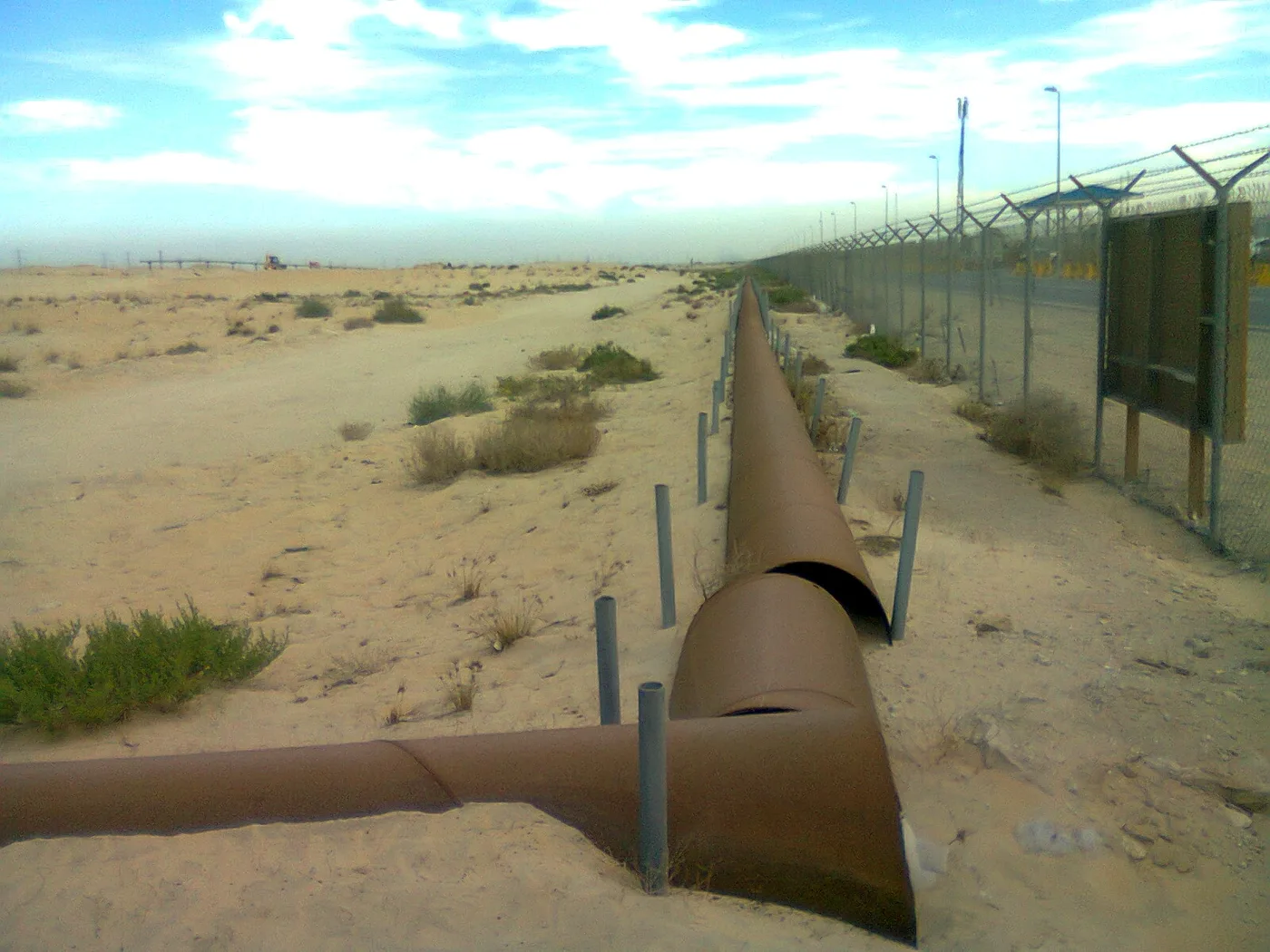
Because the last agreement did not hold, and the attacks have not paused for the diplomacy. Earlier mediation helped produce an interim peace agreement in June, but fighting between Iran and the United States soon resumed, and conflict then flared between the Iran-aligned Houthis and US ally Saudi Arabia, opening a new front, Reuters reported. On Monday itself — the day of the talks — the Houthis said they had attacked pumping stations on Saudi Arabia's East-West pipeline as well as Riyadh airport, which had resumed operations at two terminals a day earlier; there was no immediate Saudi confirmation of those attacks. Early on Tuesday, the coalition said it had intercepted and destroyed three ballistic missiles launched towards the Eastern Region and four drones launched towards the Southern Region, and Saudi Civil Defense issued early-warning alerts for the Eastern Region and Kharj governorate before saying the danger had passed in both areas, Reuters reported via BusinessWorld. Saudi Arabia has intensified its strikes on the Houthis since the group captured strategic areas along Yemen's Red Sea coast last month, advancing towards the Bab el-Mandeb Strait, and the renewed fighting has shattered the 2022 UN-brokered truce. The same Monday, Egypt's parliament authorised the Egyptian military to help defend Saudi Arabia — the region is arming and talking at the same time.
How did markets read the meeting?
As a reason to take some risk off, not to declare the crisis over. Oil prices edged lower on Tuesday, falling about 1 percent in early trade as prospects for a resolution kept supply fears at bay, even as the Houthi attacks continued: Brent was down $1, or 0.86 percent, at $114.81 by 0418 GMT and WTI was down 88 cents, or 0.86 percent, at $100.88 (see the snapshot box). "Crude oil prices are witnessing profit-taking after surging to multi-month highs, as renewed diplomatic efforts in West Asia have raised hopes of a potential breakthrough in negotiations between the US and Iran," said Sugandha Sachdeva of SS WealthStreet, in the Reuters report. The levels underneath remain crisis levels: Brent touched $117 on Monday after surging above $117 last week, October has been the worst month for attacks on commercial shipping in and around Hormuz in data compiled since 2017 by a Washington-based think tank, Gulf crude exports fell for a fourth straight week and Hormuz flows ran at about 60 percent of normal, ANZ Research noted, in the same report. Gulf stock markets rose in early Tuesday trade — Saudi Arabia's TASI gained 0.5 percent, Dubai 0.6 percent, Abu Dhabi 0.3 percent and Qatar 1 percent, Reuters reported. The snapshot figures are publish-time checks, not live prices, and are not financial advice.
This report is drawn from Reuters' October 26, 2026 report on the Tehran meeting, opened and read in full via a verbatim carrier, Reuters' October 27, 2026 oil report, opened and read in full via a verbatim carrier, Reuters' October 27, 2026 Gulf markets report, opened and read in full on reuters.com, and Reuters' October 27, 2026 coalition interception report, opened and read in full via BusinessWorld. Statements by Saudi, Iranian and Pakistani officials are published as those officials made them, as reported by Reuters; the Houthis' Monday attack claim is published as a claim, with Reuters' note that there was no immediate Saudi confirmation. No agreement beyond continuing the talks was announced.