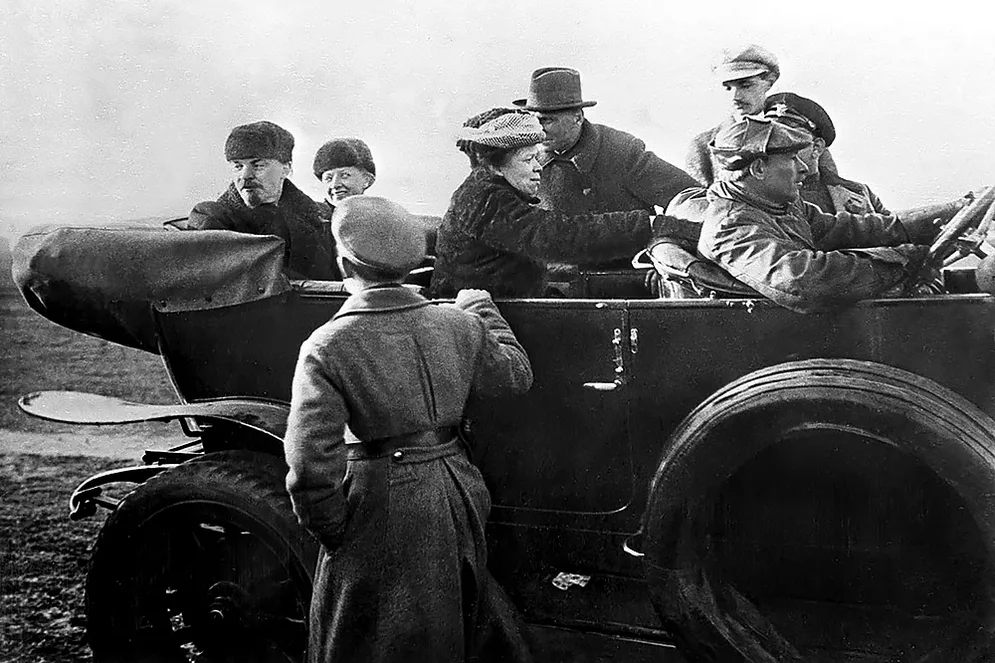
How long do wars last? The honest answer is two numbers, not one: wars between states have lasted about 11 months on average, while civil wars average just over seven years — and a small number of wars that find a way to pay for themselves run for decades. Bennett and Stam's study of interstate wars (1996) found the roughly 11-month average; Collier, Hoeffler and Söderbom's study of large-scale civil wars between 1960 and 2000 found the seven-year average, with the shortest war in their sample lasting one month and the longest more than 30 years. This page is the living record behind those averages: the major wars, their durations, their attributed death ranges, and — where a named institution actually publishes one — their costs. It is updated as the current wars extend.
What does the record show about duration, deaths and cost?
It shows wars clustering at two scales: the world wars and Korea each killed millions inside three to six years, while the longest wars in the record — Vietnam's two decades, Angola's twenty-seven years — are the ones that found a way to pay for themselves. Every figure below is attributed, and deaths are given as the ranges or floors the sources publish — never as a single invented total. Durations count from the war's conventional start date to its armistice, settlement or, for wars still running, to the update line at the foot of this section.
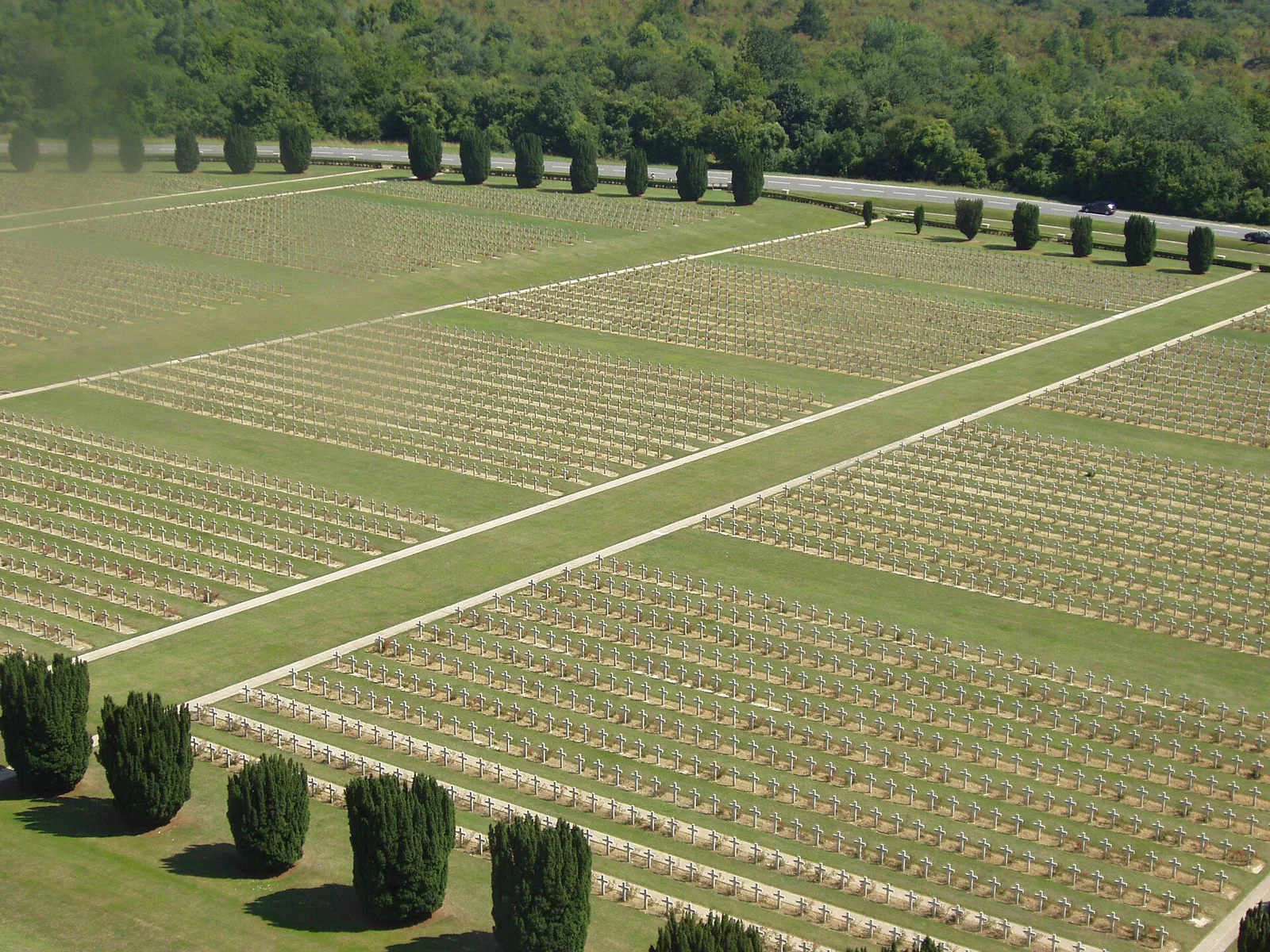
- World War I — 28 July 1914 to 11 November 1918 (about 4 years, 3 months). Deaths: some 8,500,000 soldiers died of wounds and disease, and civilian deaths attributable to the war were estimated at around 13,000,000 (Britannica). See our World War II explainer for the war this one set up.
- World War II — 1 September 1939 to 2 September 1945 (6 years). Deaths: 40,000,000–50,000,000 (Britannica), with published estimates ranging from 35 million to 60 million; US service deaths were 405,399 (US Department of Veterans Affairs).
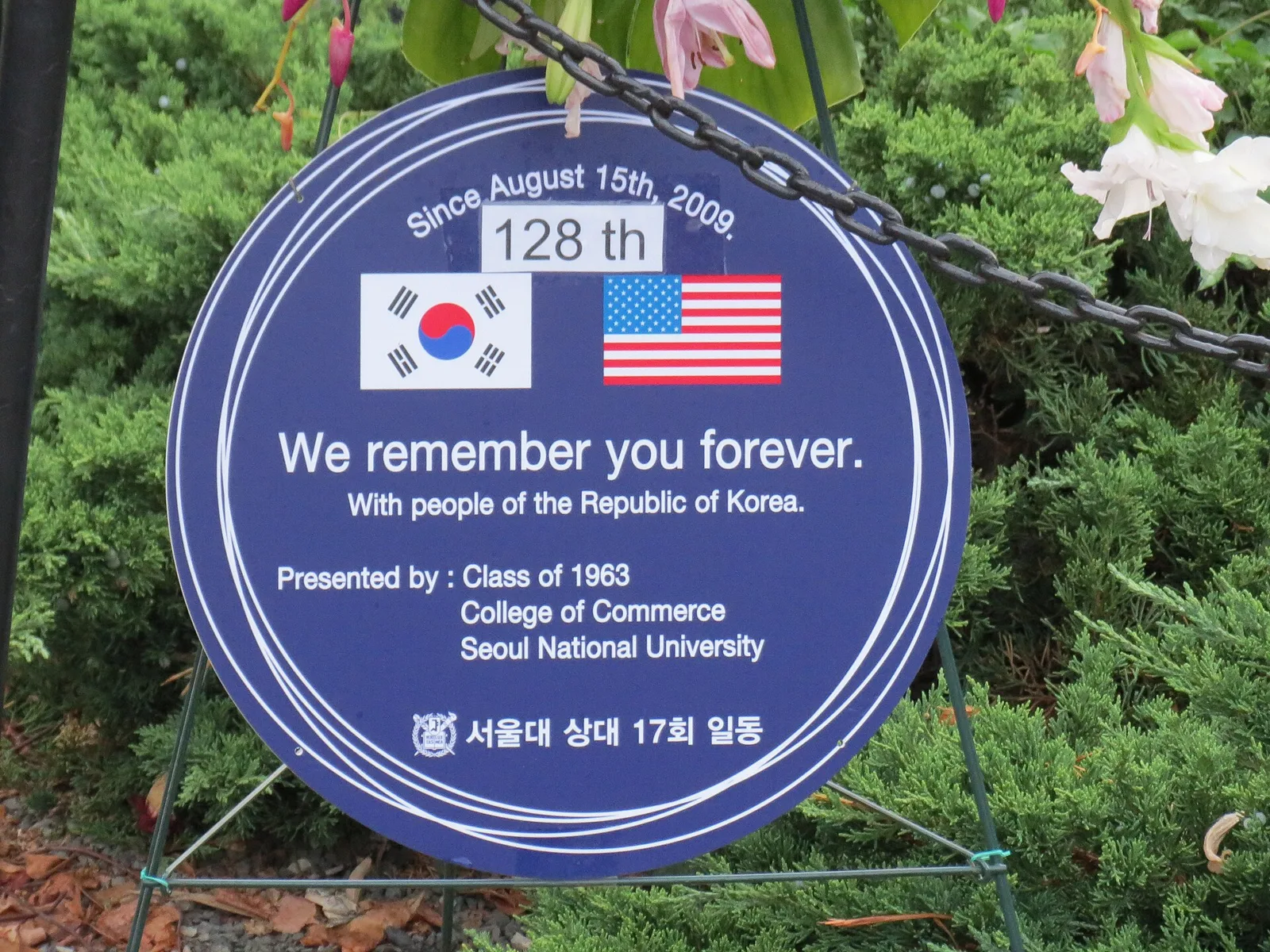
- Korean War — June 1950 to the armistice of 27 July 1953 (about 3 years, 1 month of fighting). Deaths: at least 2,500,000 people lost their lives (Britannica), including 36,574 US service members (US Department of Defense statistics, via Britannica). No peace treaty followed; the armistice is why this war's duration is counted to 1953 while Korea remains divided. See our Korean War explainer.
- Vietnam War — 1955 to April 1975 (about two decades; direct US combat involvement 1965–73). Deaths: 58,220 US military deaths are precisely documented (National Archives); Vietnamese military and civilian deaths are estimated only in broad, contested ranges in the millions. Cost: the Congressional Research Service put the incremental US military cost at $111 billion in current-year dollars for 1965–75, about $738 billion in constant FY2011 dollars — the only cost figure in this record published on a comparable basis. See our Vietnam War explainer.
- Soviet–Afghan War — December 1979 to 15 February 1989 (about 9 years, 2 months). Deaths: around 15,000 Soviet troops killed (Britannica); Afghan deaths were never reliably totalled, and this record does not invent one.
- Iran–Iraq War — September 1980 to August 1988 (just under 8 years). Casualties: total casualties estimated at one to two million, killed and wounded together (Britannica) — a casualty range, not a death toll, and labelled as such.
- Angolan Civil War — 1975 to 2002 (27 years). The longest war in this record; see the worked example below and our Angolan Civil War explainer.
- Ukraine war — February 2014 to ongoing (full-scale invasion since 24 February 2022). Deaths: in September 2026 alone, the UN Human Rights Monitoring Mission verified 328 civilians killed and 2,105 injured — its highest September toll since the full-scale invasion began (UN Human Rights Monitoring Mission in Ukraine). See our Ukraine war explainer.
- Sudan civil war — April 2023 to ongoing. UCDP counted it the third deadliest conflict of 2023, after Ukraine and Israel/Palestine (Uppsala University); Sudan's war has forcibly displaced around 14 million people (UNHCR figures, via Malteser International). No verified total death toll exists, and none is printed here.
- Gaza war — October 2023 to ongoing, with a ceasefire in effect since 10 October 2025 whose next steps remain stalled. Death tolls in this war are contested between the parties and are reported, with attribution, in our running Gaza coverage rather than restated as a settled figure here.
Durations and status verified against the sources below as of 11 November 2026. This section is the dated line the page is updated from.
Why do some wars outlive their causes?
Because somebody keeps paying for them. Collier, Hoeffler and Söderbom found that duration is systematic, not random: low income, high inequality and a moderate degree of ethnic division lengthen civil wars, while a fall in the price of the primary commodities a country exports — the revenue that funds rebellion — shortens them. Angola is the worked example. Its civil war began in 1975 as a Cold War proxy contest; when the superpowers withdrew at the Cold War's end, the war did not end with their subsidies, because UNITA's diamond revenue replaced them — the UN Panel of Experts and Global Witness both put UNITA's diamond income at $3.72 billion for 1992–98, after the superpowers left — and the war ran on to 2002, 27 years in all. The mechanism generalises: a war with its own revenue stream no longer needs a cause its backers still believe in. It is also why the way war moves oil prices is not a side-story: commodity income is one of the fuels of duration itself.
How do the current wars compare?
Ukraine is already longer than the First World War on either dating — and longer than either world war counted from 2014; Sudan and Gaza are young wars by the standards of the averages above, which is precisely the warning the averages carry. Counted from the full-scale invasion of February 2022, the Ukraine war has run about four years and nine months; counted from Crimea in February 2014, twelve years and nine months — past the civil-war average, in a war that is interstate in form. Sudan, at about three years and seven months, sits below the seven-year civil-war average with no settlement in force. Gaza's ceasefire, in effect since 10 October 2025, holds in name while its next steps — disarmament, a new government, reconstruction — remain stalled, the pattern this record associates with wars that pause rather than end: Korea's armistice is in its eighth decade. None of this predicts an end date for any of them. What the record does say is that wars rarely end at their average — they end when the money, the manpower or the politics gives out, and until one of those moves, the dated line above is where this page will keep score.
This record is drawn from the sources listed below, all opened or read during this run. Death figures are published strictly as the attributed ranges and verified floors those sources give; where no reliable total exists, the record says so instead of supplying one.