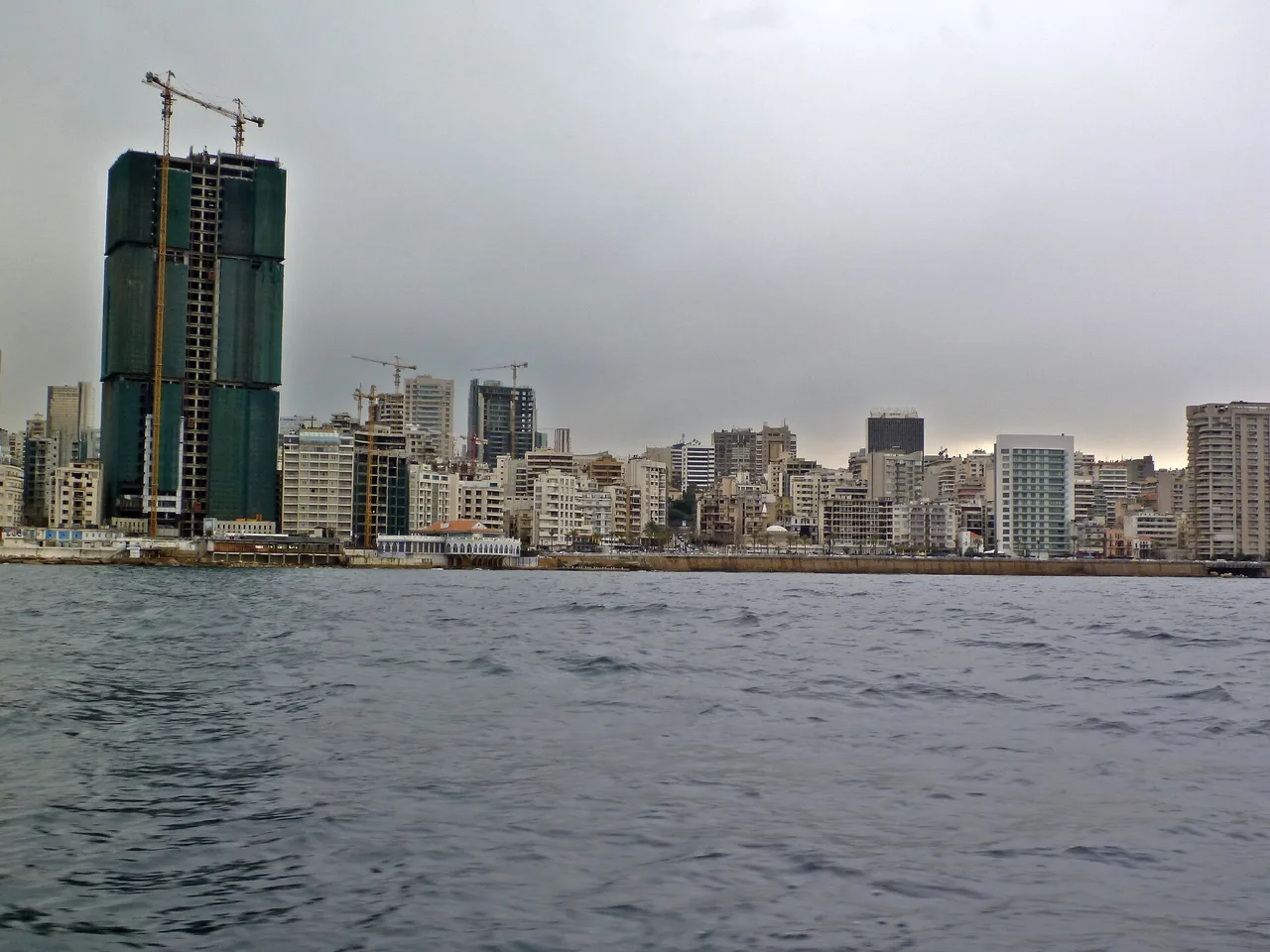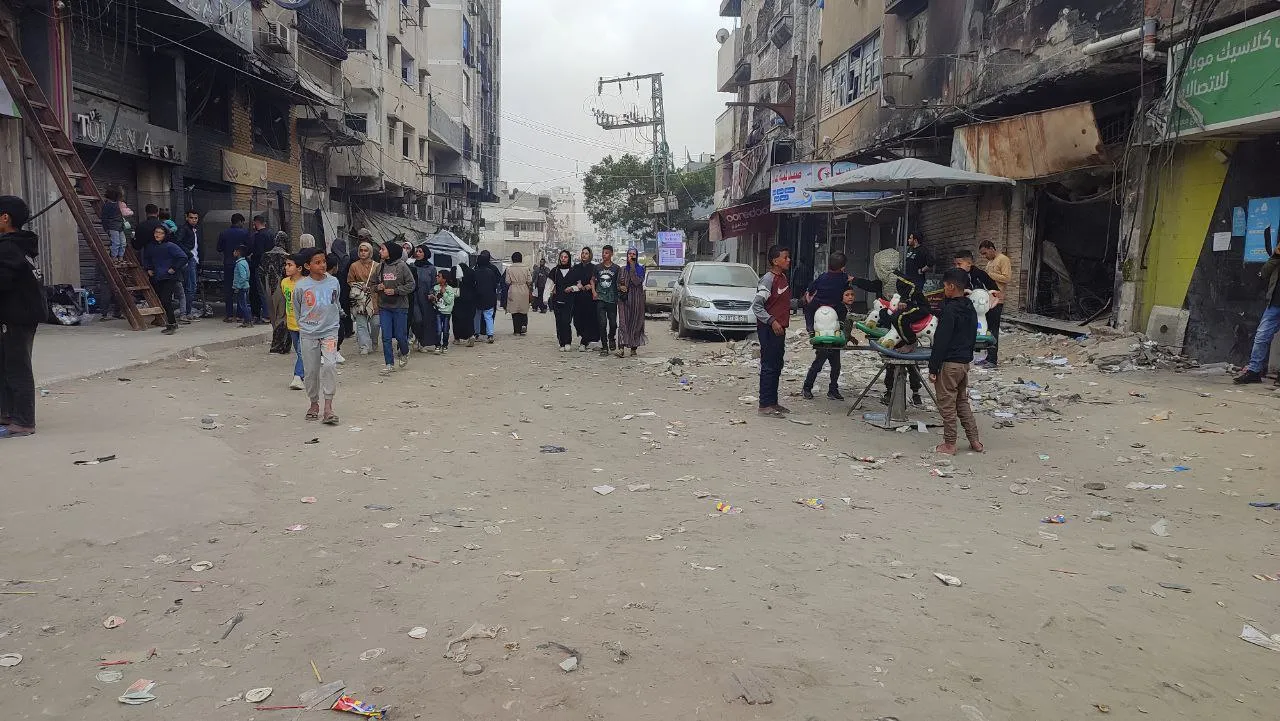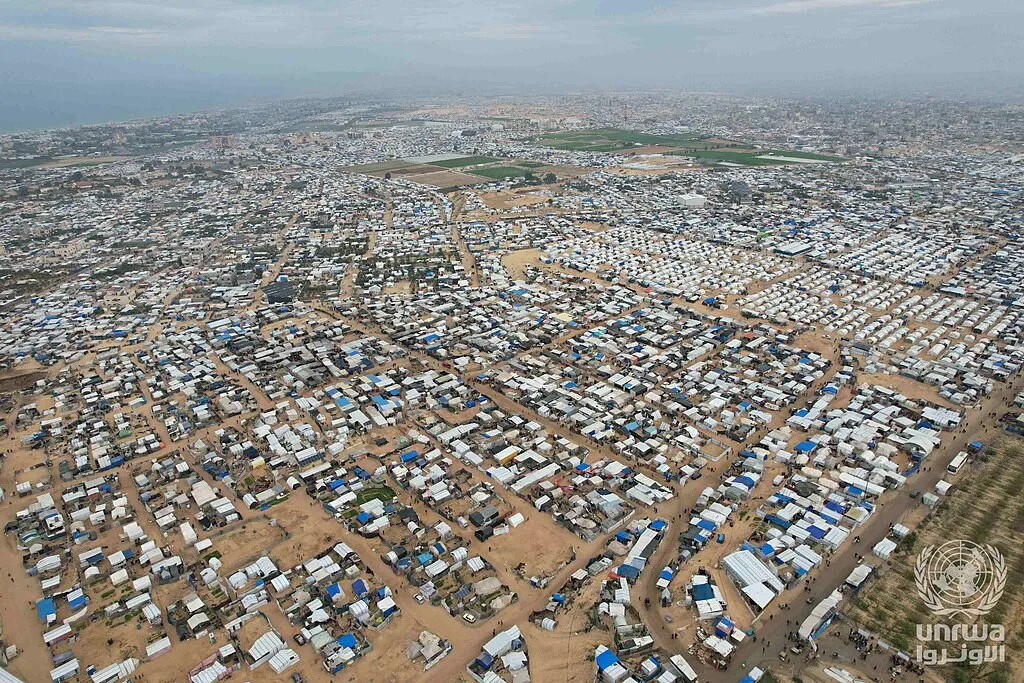
The Gaza ceasefire that took effect in October 2025 has not stopped the killing: Gaza's health ministry now says 1,501 Palestinians have been killed and 5,323 wounded by Israeli fire since the truce began, and the past week alone brought documented strikes in Gaza City, al-Qarara, Jabalia and the tent encampments of Mawasi. Reuters, reporting the pattern day by day, recorded five people killed in strikes on Saturday, three in a tent on Sunday night and two more on Monday. Against that record, Israel says Hamas is rearming and attacking in violation of the deal, and that its strikes target militants; Hamas denies the charge and accuses Israel of undermining the agreement. The toll is documented. The explanations are claims.
What happened in the last week of strikes?
On Saturday, October 10, Israeli strikes killed at least five Palestinians in two attacks, health officials told Reuters: four near Panda Mall in Gaza City and one in the Tuffah neighbourhood. The Israeli military said the two strikes targeted militants. Late on Sunday, an Israeli airstrike hit a tent in the Mawasi area of Khan Yunis, killing three people, medics said; the military told Reuters it had struck militants in the area. On Monday, an Israeli strike killed at least two Palestinians in southern Gaza, health officials said, and the military said it had targeted a militant. On Wednesday, a strike on an apartment block in Gaza City's al-Rimal neighbourhood killed a woman, Reem Asaad Awad, 33, and wounded two others, and Palestinian reporting the same day recorded two people killed in a vehicle strike in al-Qarara, north of Khan Yunis, a 23-year-old man shot dead in Jabalia camp, and a 32-year-old man who died of wounds from an earlier strike. Each incident is individually small; together they describe a rhythm of near-daily lethal fire that The New Humanitarian, marking the ceasefire's first anniversary on October 15, summarised as Israel having "continued to carry out near daily attacks, killing almost 1,500 people" in the year since the truce took effect.
How does the toll break down — and what does each side say?
Gaza health officials told Reuters on October 12 that at least 1,400 Palestinians had been killed by Israeli fire since the ceasefire; the ministry's updated figure, reported on October 14, is 1,501 killed and 5,323 wounded. Israel says four of its soldiers have been killed by militants in Gaza over the same period. Against the documented toll stand the two sides' explanations of the continuing fire. Israel, which says Hamas has been rearming and launching attacks in violation of the ceasefire, has stepped up strikes in recent weeks, and the military's account of each incident is that it targeted a militant or militants. Hamas has denied trying to carry out attacks or rebuild its arsenal and accuses Israel of undermining the Gaza peace deal. Who is violating the agreement has not been independently adjudicated; what is documented — by Reuters' reporting and Gaza's medics, day after day — is the body count, rising by ones and twos and fives.
What was the ceasefire supposed to deliver by now?
The US-brokered deal calls for the eventual reconstruction of Gaza, Hamas's disarmament and the withdrawal of Israeli troops. Reuters reports that little progress has been made towards implementing any of it: reconstruction has not begun, the disarmament and withdrawal terms are unimplemented, and Israeli troops still occupy around 65 percent of the territory, according to The New Humanitarian, with about 2.1 million Palestinians confined to the remaining 35 percent. More than 100 humanitarian, human rights and civil society organisations, in a joint statement issued on October 9, said the truce "exists in name only," reporting that strikes, shootings and military operations over the year had killed more than 1,400 Palestinians, including at least 327 children. A resident of Beit Hanoun quoted by The New Humanitarian put the same conclusion in one sentence: "They say the ceasefire is a year old, but there is no ceasefire here."
What would change the picture?
On the record as it stands: implementation of the deal's second phase — Israeli withdrawal, Hamas disarmament and the start of reconstruction — or its formal collapse. Until one of those happens, the documented pattern is the one this article records: a ceasefire in force on paper, a health-ministry toll that has climbed past 1,500, and strikes that arrive most days — each explained by the military that launched it as a strike on militants, and recorded by medics as dead Palestinians, some of them — a mother in al-Rimal, three people in a Mawasi tent — with names and addresses.
Casualty figures are Gaza health ministry figures as reported by Reuters and Al Jazeera and are attributed as such throughout; the Israeli military's account of each strike is published as the claim it is. The toll itself — 1,501 people killed in the first year of a "ceasefire" — is the documented record.