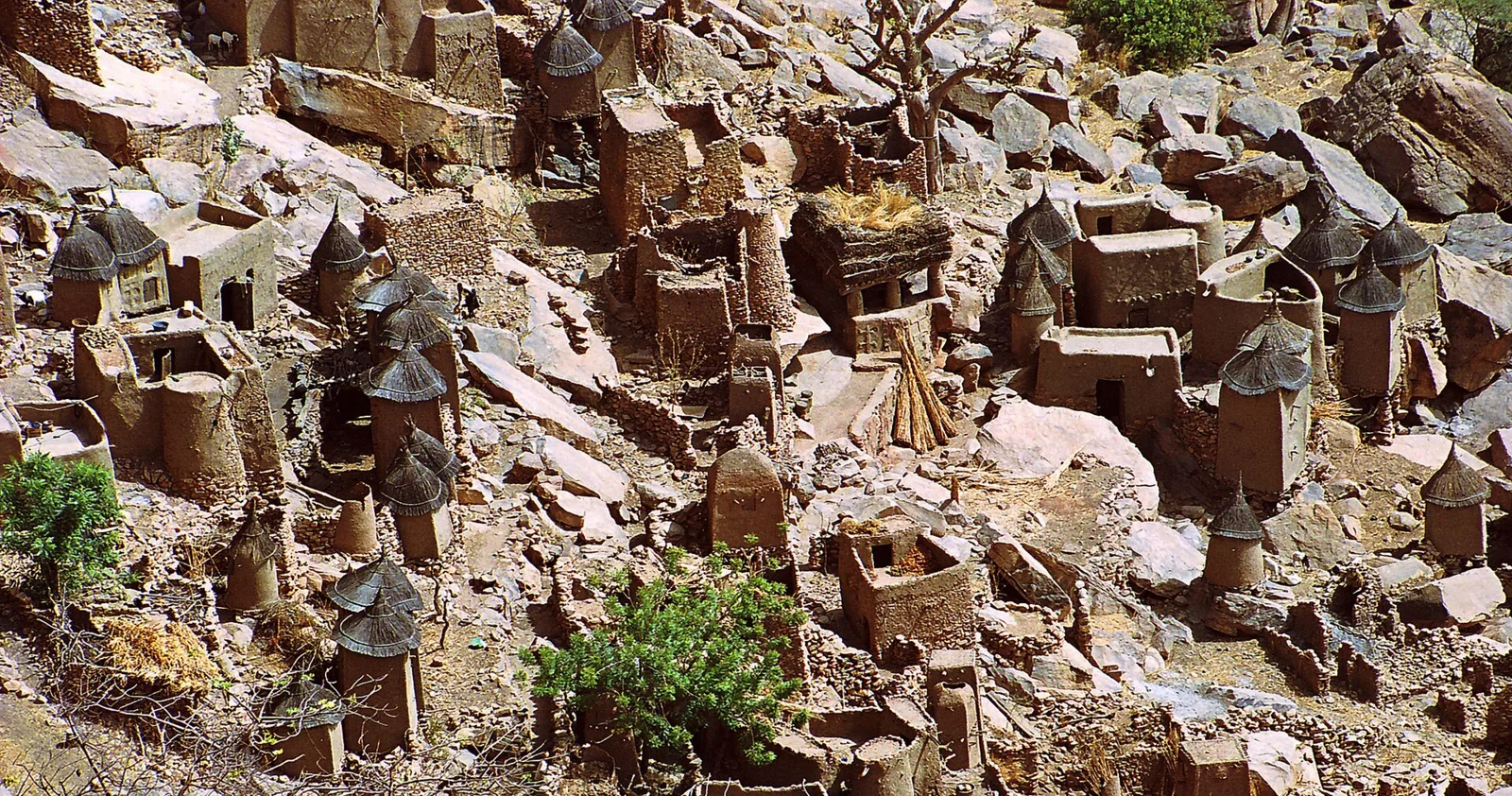
Mali's armed forces and their Russian backers used some "apparent indiscriminate" drone strikes and other abuses in a ramped-up offensive against insurgents that has killed scores of civilians, Human Rights Watch said in a report on Monday. The drone strikes and the resulting civilian casualties more than doubled between April and August compared with the same period a year earlier, the report said, citing data from the US-based conflict monitor ACLED: Malian forces and the Russian paramilitary group Africa Corps carried out 47 drone strikes resulting in 94 civilian deaths from April to August, up from 22 strikes resulting in 44 civilian deaths a year earlier.
What set off the offensive?
A nationwide insurgent attack that reached the capital's airport and killed the defence minister. The insurgent attacks launched on April 25 were carried out by the regional al-Qaeda affiliate, known as JNIM, and by Tuareg-led separatists, Reuters reported; they killed Mali's defence minister and hit multiple towns and cities as well as the main airport in Bamako, underscoring the government's struggle to improve security in the landlocked West African country. Mali's military leaders, who seized power in coups in 2020 and 2021, have turned to Russia for support in their fight against insurgents, and they enlisted Africa Corps in their response to the April attacks. The drone campaign HRW documented is that response, measured from April to August.
Which strikes did the report single out?
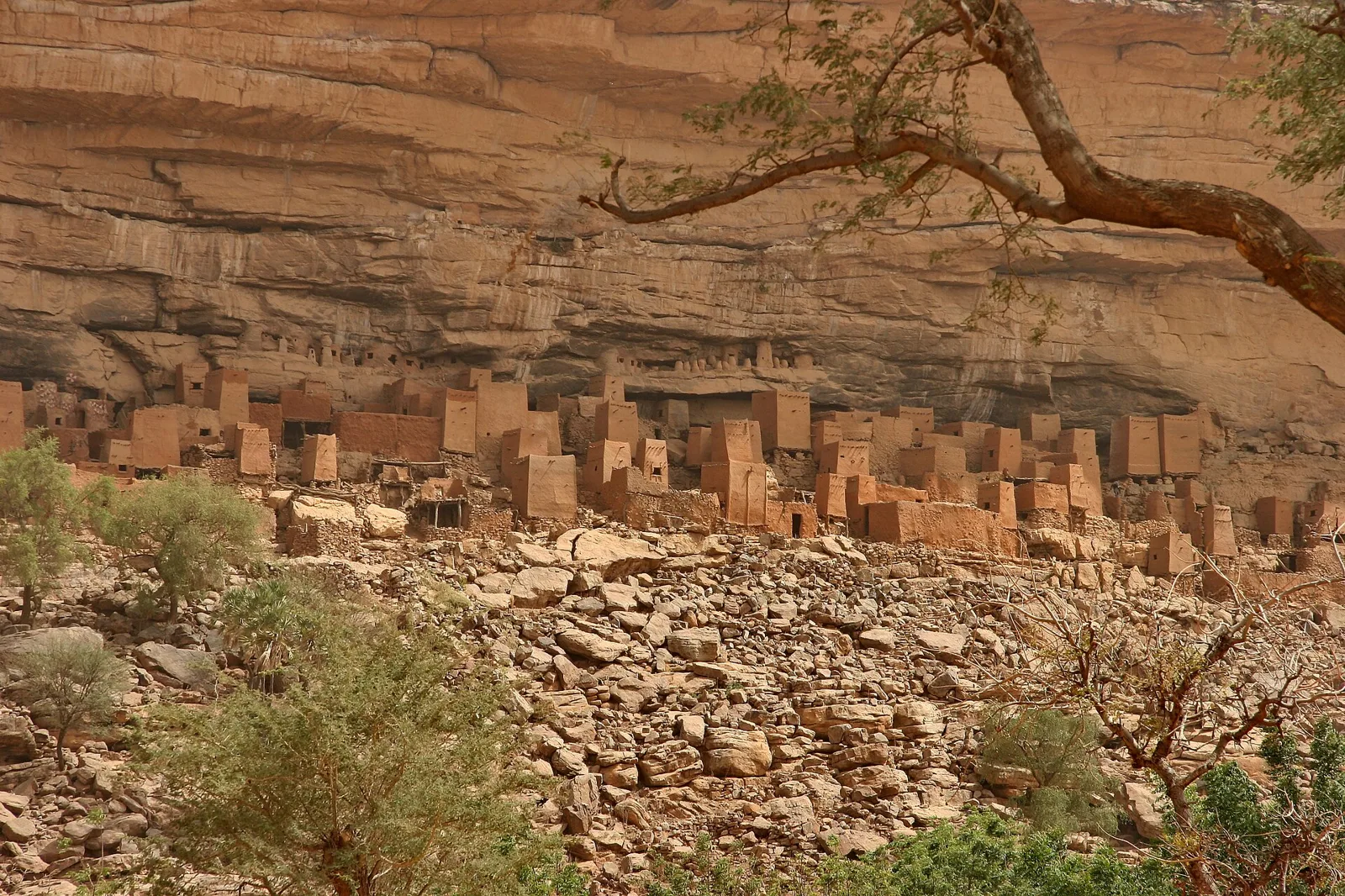
A market and a health centre, among others. Some of the incidents in the report were "apparent indiscriminate drone strikes," Human Rights Watch said, including an August 19 strike on a cattle market in the Bandiagara region of central Mali that killed six men, and a pre-dawn strike on July 29 on a health centre in the northern region of Kidal, near the Algerian border. The report also documented abuses that did not involve drones, including an incident on July 12 in the Segou region in which, HRW said, soldiers shot and killed five young girls they mistook for attackers. The pattern across the three named incidents is the report's point: a market in daytime, a medical facility before dawn, and children on the ground — civilian places and people, struck or shot in a campaign aimed at insurgents.
Did the report document abuses by the other side?
Yes — and the two armed groups answered differently. The Human Rights Watch report also documented abuses by JNIM and the Tuareg-led separatists, including the execution of 19 soldiers in the northern Gao region in July, Reuters reported. JNIM's Sharia Committee told HRW that the killings "did in fact take place" but denied ordering them, saying "it is not our policy to do such things". The Tuareg-led Azawad Liberation Front denied executing soldiers. The government side, by contrast, did not engage with the findings in the reporting opened: a Malian army spokesperson did not respond to a request for comment, Human Rights Watch said it received no response to a letter sent on August 5 to Mali's new defence minister that detailed the group's findings, and the Russian embassy in Bamako did not immediately respond to a request for comment on Africa Corps's involvement. Mali has previously denied killing civilians in counterinsurgency operations, Reuters noted.
What does the doubling of drone deaths show?
That the April shock changed how Mali's war is fought — from the air, at higher tempo, with civilians in the frame. The ACLED figures HRW cited are the cleanest measure in the report: 47 strikes and 94 civilian deaths in five months, against 22 strikes and 44 deaths in the same period a year earlier — the strike count and the death count rising together, roughly in proportion, which is what a tempo increase rather than a single atrocity looks like in data. The named incidents supply what the trend line cannot: where the additional strikes land. A cattle market and a health centre are not front lines; they are the places a rural population cannot avoid, and "apparent indiscriminate" is HRW's legal characterisation of strikes on such places, published here as the group's finding. With the army silent, Russia's embassy silent, and the insurgents' own documented executions answered with a denial of orders rather than of fact, Monday's report leaves the civilian toll of Mali's Russian-backed offensive on the record from one side only — the monitors who counted it.
This analysis is drawn from Reuters' October 19 report of the Human Rights Watch report, opened and read in full for this article. The strike and civilian-death figures are ACLED's, as cited by HRW and reported by Reuters; the incident findings are HRW's; the responses — JNIM's partial admission, the Azawad Liberation Front's denial, Mali's previous denial and the non-responses of the Malian army and the Russian embassy — are published as Reuters reported them.