A ballistic missile fired toward Riyadh was intercepted on Monday, the Saudi-led coalition said, as Yemen's Houthis claimed a new attack on the capital's international airport — one day after it reopened — and on the pumping stations of the East-West oil pipeline, the kingdom's Hormuz bypass. The Houthis said they had attacked the pipeline's crude oil pumping stations and King Khalid International Airport on Monday, Reuters reported. There was no immediate Saudi confirmation of those claimed attacks, Reuters said, and no confirmation of damage or casualties from them, Anadolu reported.
What happened on Monday?
The Houthis announced the claims early on Monday. Houthi military spokesman Yahya Saree said the group had attacked the airport "with a ballistic missile, striking the target with precision," in a post on social media, and that it had also struck oil pumping stations with drones, AFP reported. That precision claim is the Houthis' own: Saudi Arabia's Civil Defense Directorate had earlier issued a danger alert for Riyadh following the reported missile threat, Anadolu reported, and coalition spokesman Turki al-Maliki confirmed that a ballistic missile launched by the Houthis toward Riyadh had been intercepted. Al-Maliki put it directly: "Air defences intercepted and destroyed a ballistic missile launched by the terrorist Houthi militia toward Riyadh," AFP reported. An interception confirms a launch toward the capital; it does not confirm a hit on the airport, and no Saudi statement opened for this article confirmed damage at the airport or at any pumping station.
What did the coalition say it destroyed in Yemen?
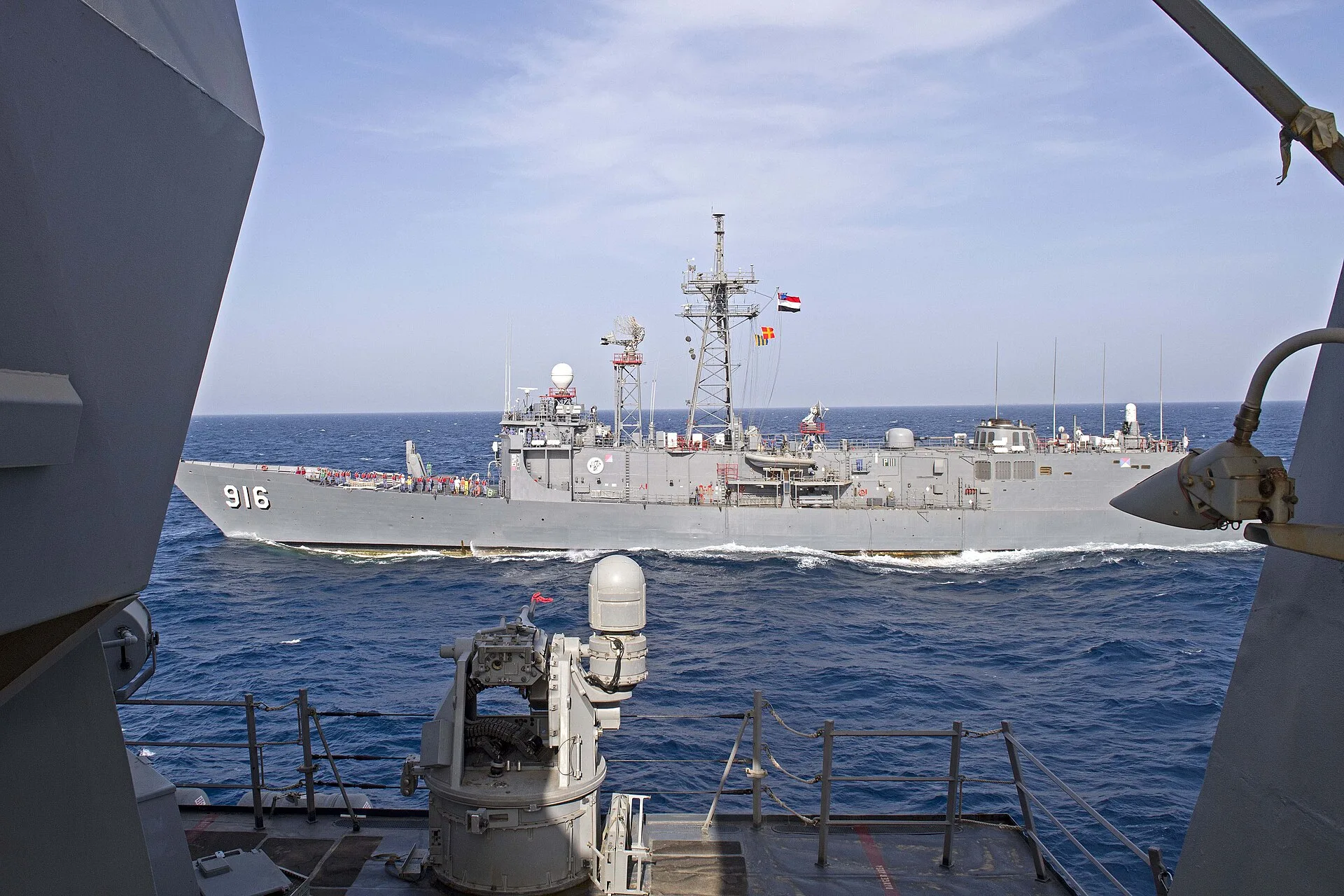
The coalition said it struck back at the launch infrastructure. It had destroyed two ballistic missile launchers in the capital Sanaa, including one used to fire a missile towards Riyadh that the coalition said it had intercepted, Reuters reported. In a further operation on Monday, the coalition destroyed five tunnels used to store ballistic missiles, four ballistic missile launchers and a missile storage facility, and targeted Houthi supply lines, fighters and military equipment along front lines inside Yemen, Reuters reported, citing al-Maliki. AFP's account of the Monday operation — four ballistic missile launchers, a missile depot and tunnels, "focused on cutting off Houthi militia supply lines between areas under their control" — is published alongside Reuters' fuller tally as each wire reported it. All of these destruction claims are the coalition's own, reported as such; neither wire independently verified them. Monday's exchange followed a heavy Sunday: the coalition said its air defences intercepted at least 10 ballistic missiles that day, and the kingdom's civil defence agency said two people were injured in the south by falling debris, with damage to several buildings and vehicles, AFP reported.
Why do the airport and the pipeline matter?
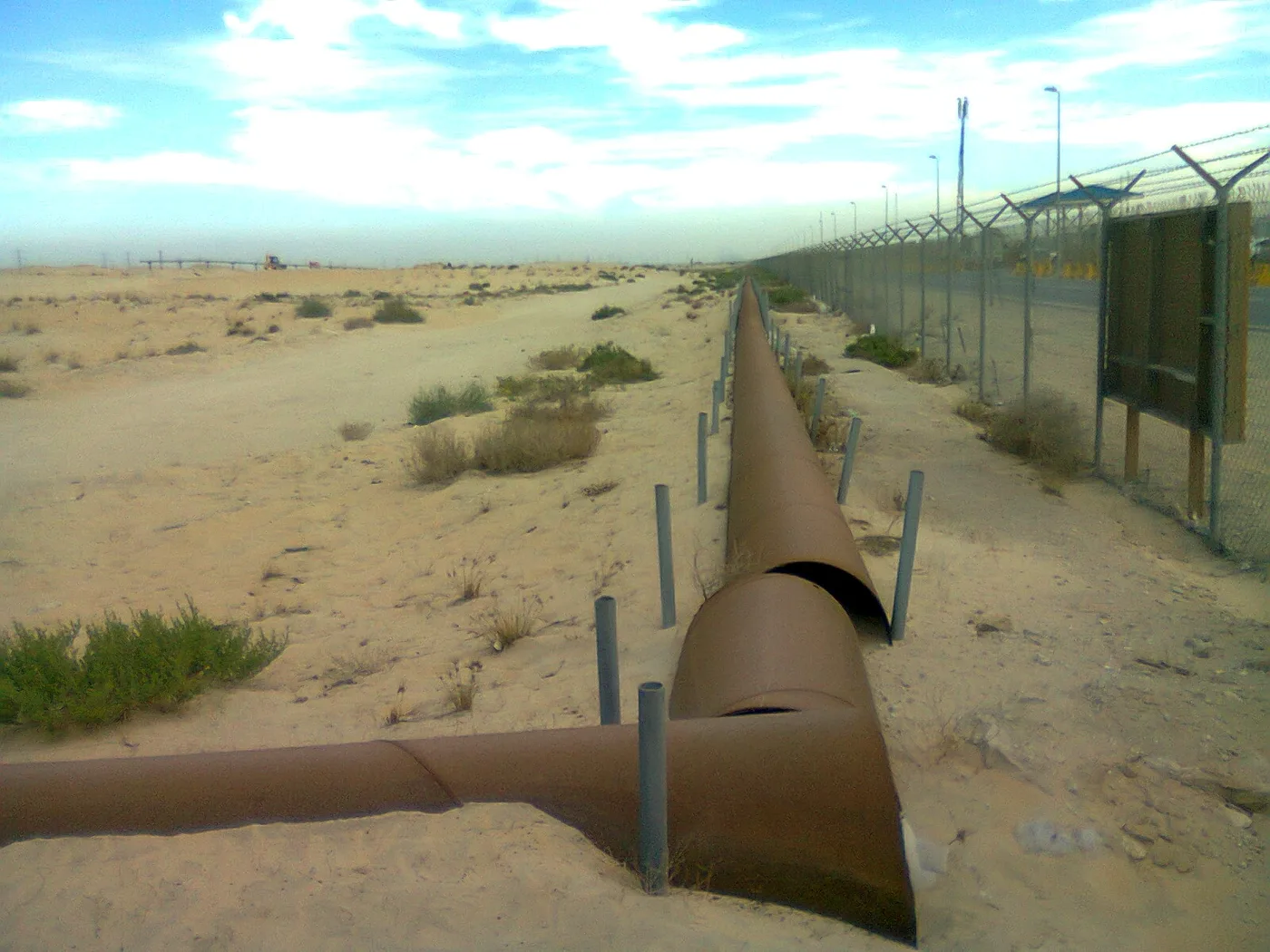
Both targets sit on Saudi Arabia's exposed arteries. King Khalid International Airport resumed operations at two terminals on Sunday, after an attack claimed by the Houthis earlier this month killed 13 people — the deadliest in the kingdom in more than a decade — and the Houthis had warned travellers to avoid the facility, calling it a "military target," Reuters and AFP reported. The East-West pipeline runs about 1,200 kilometres (746 miles) from the Abqaiq area in eastern Saudi Arabia to the Red Sea port city of Yanbu, Anadolu reported; it has served as a key route for Middle East oil exports while the Strait of Hormuz has been largely shut by the war, and Saudi Arabia temporarily shut it down in September as a precaution after a drone attack that Riyadh and Baghdad said originated in Iraq, Reuters reported. The Houthis also said on Saturday that they had targeted the pipeline, its pumping stations, an Aramco facility in Yanbu and the Rabigh refinery; there was no Saudi confirmation of those claims either, Reuters reported. Air defence around the pipeline's Yanbu terminus is also being reinforced diplomatically: Greek Prime Minister Kyriakos Mitsotakis, meeting Crown Prince Mohammed bin Salman as flights resumed, "responded favourably to the kingdom's request to keep the Patriot system in Saudi Arabia," his office said — Greece operates a US-made Patriot battery in Yanbu, AFP reported.
What diplomacy is running alongside the strikes?
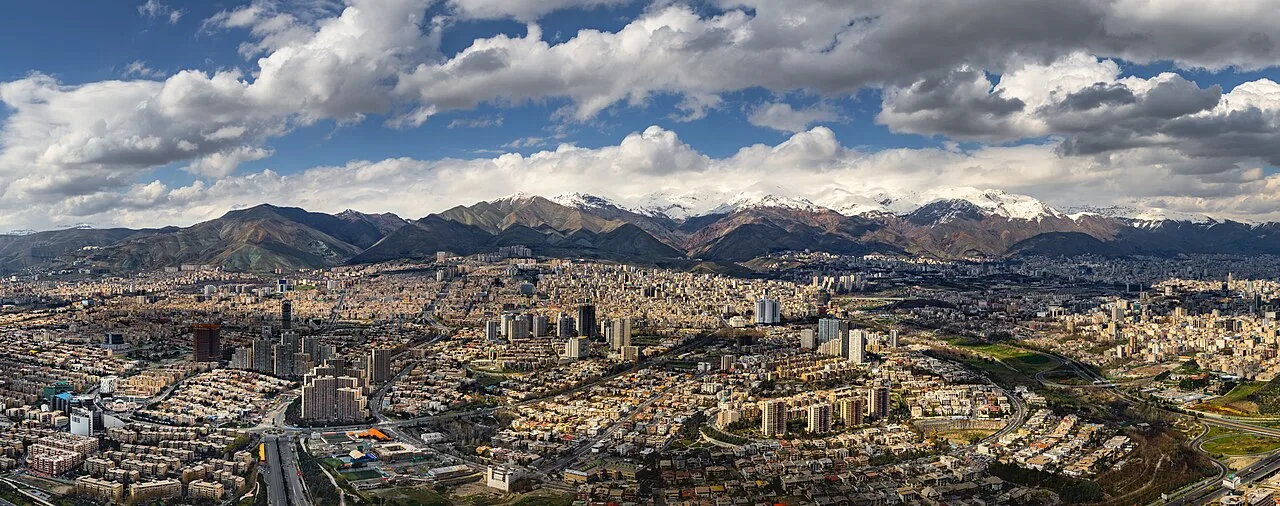
The missile exchange landed on the day of the region's most senior attempt yet to contain it. Top officials from the Mecca Pact countries — Saudi Defence Minister Prince Khalid bin Salman, Pakistan's army chief Field Marshal Asim Munir and Turkey's intelligence chief Ibrahim Kalin — were to meet Iran's leaders in Tehran on Monday, in the first high-level contact between Iran and all members of the three-nation bloc since Saudi Arabia was drawn deeper into the conflict, Reuters reported, citing Saudi and Iranian officials. Under the Mecca Joint Defence Agreement signed in August, an armed attack on one member is considered an attack on all. A senior Iranian official said the meeting was initiated by Pakistan during Munir's visit to Tehran last week, and Iran's Ali Baqeri-Kani said the three officials would hold consultations with Iran's Supreme National Security Council on regional security, Reuters reported. Saudi Deputy Minister Rayed Krimly said the meeting was part of the bloc's efforts "to de-escalate the current crisis, promote diplomatic solutions, and support mediation efforts led by Qatar and Pakistan" — Qatari mediators had met Iranian officials in Tehran on Sunday, Reuters reported. Oil markets, for now, priced the diplomacy over the missiles (see the snapshot box): both benchmarks fell about 2 percent on Monday morning from Friday's settlements, even as the attacks on Saudi Arabia continued.
This report is drawn from Reuters' October 26, 2026 reporting on the Houthi claims and the coalition operation and on the planned Tehran meeting, opened and read in full via the verbatim carriers wixx.com and 935thelloyd.com, AFP's October 26, 2026 report, opened and read in full via The Leaders Online, and Anadolu's October 26, 2026 report, opened and read in full via The Chronicle. The Houthis' claims of hits on Riyadh airport and the East-West pumping stations are published as claims: no Saudi confirmation, damage assessment or casualty figure for them appeared in any source opened, and the coalition's destruction tallies in Yemen are the coalition's own, attributed as such throughout. Market figures are Monday-morning snapshots checked at publish time via Grafa and The Hindu BusinessLine; they are not live prices and are not financial advice.