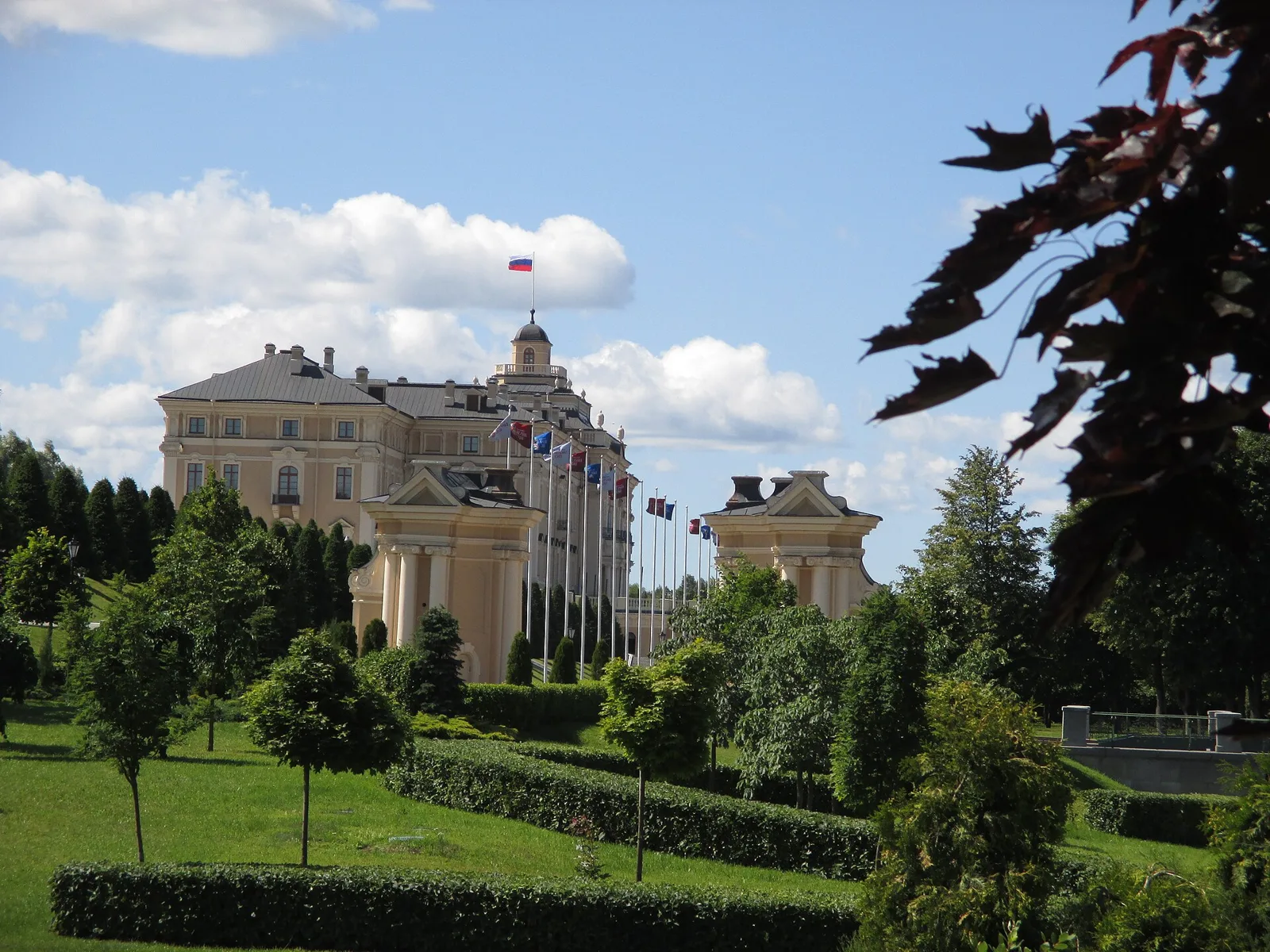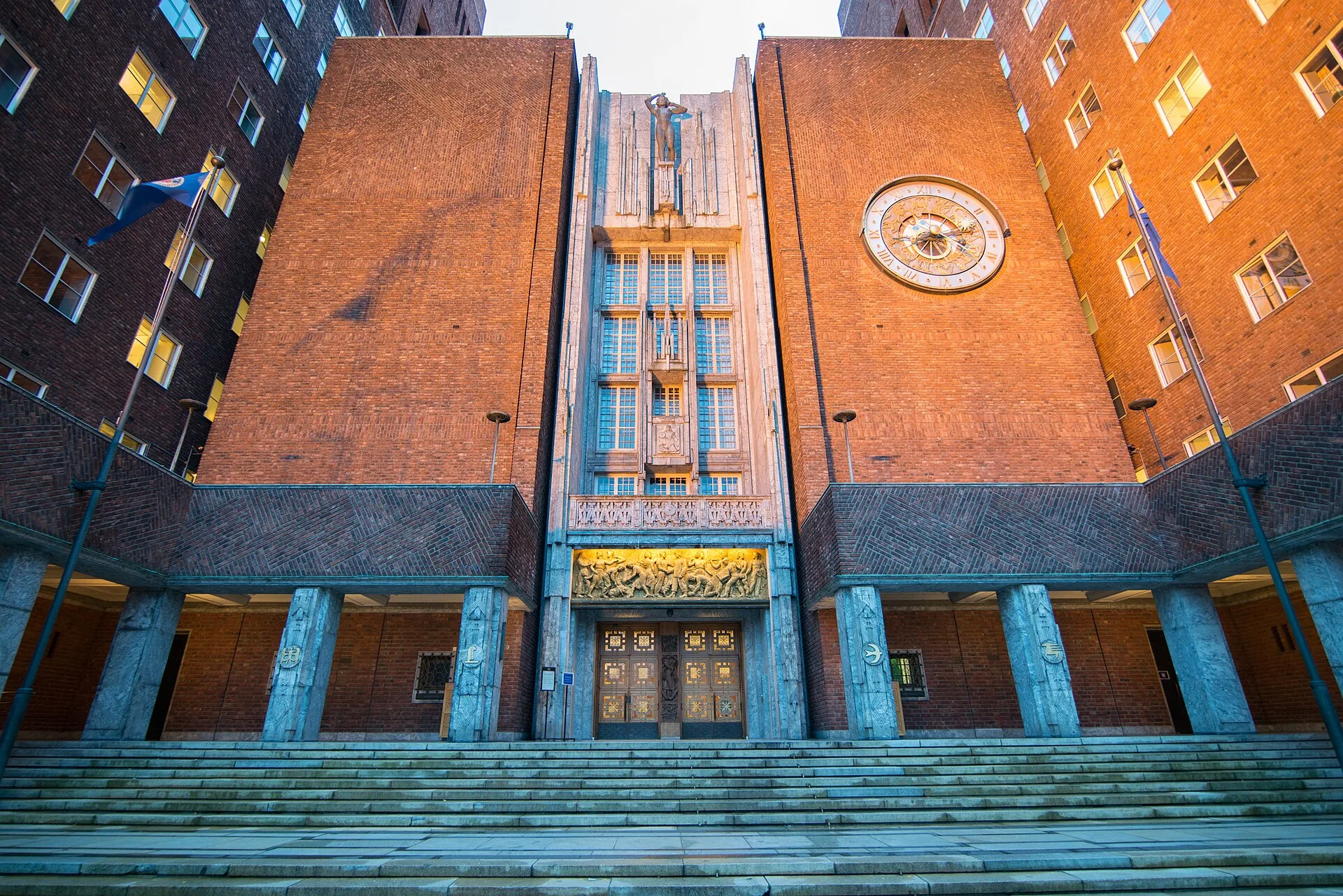
President Vladimir Putin told US special envoy Steve Witkoff in St Petersburg on Wednesday that Moscow is willing in principle to resume talks next month with Ukraine and the United States on ending the war in Ukraine, Kremlin aide Yuri Ushakov said after their meeting — reviving a trilateral format that has not met since February. Putin said he would be ready to resume the talks after November 10, and Ushakov said the proposed new round should focus on "building a security system for Russia and Ukraine after the end of the conflict." The Kremlin statement is the outcome of the almost three-hour Constantine Palace meeting at which Witkoff had urged Putin to consider resuming three-way talks; earlier on Wednesday, Ukrainian President Volodymyr Zelenskiy said he supports a ceasefire and trilateral negotiations, and that freezing the fighting along the current front line is the minimum Ukraine needs from Russia.
What did the Kremlin say after the meeting?
Ushakov's post-meeting briefing, reported by Reuters, gave three specifics. First, the willingness is "in principle" and the timing is next month — after November 10, in CNN's account of the same briefing. Second, the subject Moscow wants on the table is the post-conflict security order: a security system for both countries after the fighting ends, in Ushakov's words, though CNN noted he offered no further detail on what Russia would demand as part of that framework. Third, the rest of the St Petersburg agenda was wider than Ukraine: Putin and Witkoff also discussed implementation of the October 9 deal between Putin and President Donald Trump on supplies of Russian diesel to US and world markets, and the Iran crisis — on which Ushakov quoted Putin as saying "the potential for diplomacy is far from exhausted" and that agreements with Tehran, "our strategic partner," are possible and necessary. Witkoff had briefed Putin on Tuesday's Oslo talks with Zelenskiy, Norway's prime minister and Finland's president; Ushakov said Witkoff "noted some new approaches" from the Europeans and Kyiv, "although they did not contain much that was useful in the context of resolving the Ukrainian crisis."
What has Zelenskiy said?
Zelenskiy set out Kyiv's position in a Fox News interview on Wednesday, reported by Reuters. He said his Oslo talks with Witkoff a day earlier were productive, that Ukraine was ready for diplomacy, and that he hoped for a positive outcome from the St Petersburg meeting: "I hope that ... in — I don't know, some hours — we will have some result, God bless, positive." He thanked the United States for restoring intelligence sharing and said he hoped the limitations on Starlink and Starshield satellite services would be lifted soon. On the substance, he said it was important to have a freeze in the fighting and move to diplomacy and toward an agreement that includes security guarantees, praising Trump's call for ceasefires. "It's important to negotiate trilaterally" with Trump and Putin, he said, adding that it would be better if European countries could also be included. CNN, reporting the same interview, carried his formulation of the freeze: "Right now we have to freeze, and I think this is (the) real way to end this war. This is (the) minimum of what we need from Russia today. Then of course we'll go to the president and to Europeans and we'll ask (for) security guarantees." In Oslo on Wednesday, after another meeting with Norwegian Prime Minister Jonas Gahr Støre, he added: "Much depends on whether the American side will hear something new from Russia today — about peace, rather than the continuation of the war." CNN described the freeze as a long-held position Zelenskiy repeated, and noted his resistance to any format that excludes Kyiv: "I always said that we are open to negotiate in any format, any topics, but don't speak about us without us, please," he said, balking at the prospect of Russia–China–US negotiations.
What would the talks have to bridge?
The distance between the two sides' stated terms, which neither statement on Wednesday narrowed. CNN reported that despite the positive comments on future negotiations, there are no indications so far that Russia has budged on any of its maximalist positions: its previous demands call for Ukraine to give up the entire eastern Ukrainian Donbas region, which is now mostly under Russian occupation, to dramatically reduce the size of its military and to pledge never to join NATO. Ukraine and its allies have reiterated Kyiv's red lines, including future security guarantees — to ensure Russia does not invade again — and a rejection of any demands to give up territory Ukraine still controls. The Kremlin has previously shut down the idea of trilateral negotiations, apart from an earlier invitation for Zelenskiy to come to Moscow that the other sides viewed as unviable. Russian Foreign Minister Sergey Lavrov struck the harder note on Tuesday, saying Moscow would see what Witkoff brought but would not make "political concessions," did "not expect a miracle," and regarded Washington as a rival "at best." A US official described Tuesday's Oslo talks differently — "meaningful progress," with Ukraine bringing new ideas and the two sides in "strong alignment" — and set the goal as building "a pathway toward direct trilateral and broader multilateral negotiations." What Wednesday produced is agreement on a format and a window, not on terms: a trilateral table that has been empty since February now has a date range, a Russian-chosen headline subject, and a Ukrainian president publicly committed to a front-line freeze as the first step. The meeting's other announced outcome, Russia's release of the American prisoner Stephen Hubbard, was reported in this site's earlier coverage of the St Petersburg talks.
This report is drawn from Reuters' October 21 report of Ushakov's briefing, opened and read in full via its verbatim syndication, CNN's updated October 21 report, opened and read in full via its wire carrier, and Reuters' October 21 report of Zelenskiy's Fox News interview, opened and read in full via its verbatim syndication. The trilateral commitment is published as the Kremlin stated it through Ushakov — "willing in principle," after November 10 — with the Ukrainian position and both sides' unchanged demands reported alongside it.