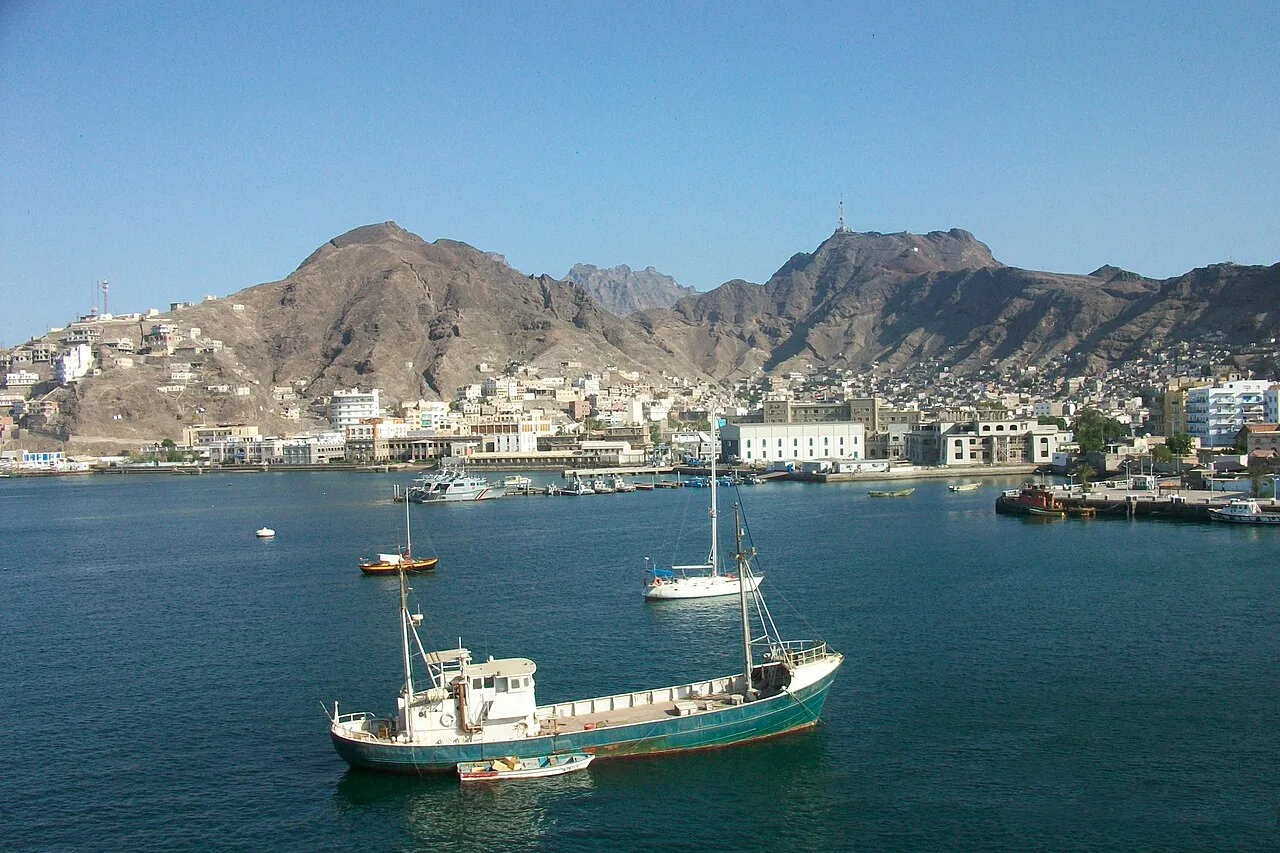
Yemen's Houthis fired missiles at the al-Maashiq presidential palace complex in Aden on Thursday, killing five people and wounding 16, Yemen's health minister Qasim Buhaibeh said, according to Reuters. The palace is the seat of Yemen's Saudi-backed, internationally recognised government, and Reuters reported the attack was the first on it in the current conflict. Prime Minister and cabinet members at the complex were safe, Information Minister Moammar al-Eryani said.
What happened at the palace?
Witnesses told Reuters they heard loud booms near the palace, and Yemen's cabinet said the attack involved missiles and drones. Buhaibeh said the dead included guards and civilian employees. Al Jazeera, reporting earlier in the day, carried an earlier government account: al-Eryani said five missiles had been aimed at the palace and that two bodyguards had been killed, and its correspondents reported explosions near the palace and smoke rising in the area. The later health-minister figure published by Reuters is the higher, updated toll, and the two accounts are published here as they stood at different points on Thursday. Houthi military spokesperson Yahya Saree said the group had bombed what he described as a Saudi military operations headquarters in Aden, as part of a declared policy of targeting Saudi reinforcements wherever they were located. The Houthi-run SABA news agency said the headquarters was run by Saudi officers and held weapons depots; Reuters said it could not independently verify those claims, and they are published here as claims only.
What did the coalition say about attacks on Saudi Arabia?
The Saudi-led coalition used a Thursday news conference to list the scale of recent Houthi attacks on Saudi infrastructure. Coalition spokesperson Turki al-Maliki said the Houthis had launched 20 attacks on Riyadh's King Khalid International Airport this month, killing 17 people and wounding 333, and that attacks on Abha airport in the southwest had killed three people and wounded 28, Reuters reported. Al Jazeera carried the same coalition briefing, reporting at least 20 attacks on the Riyadh airport over the past 11 days and a coalition toll of 17 killed and more than 300 injured. Maliki said the coalition had destroyed 127 weapons storage facilities and launch platforms in Yemen's mountains and accused the Houthis of acquiring advanced missiles, drones and explosive-laden fast boats with help from regional actors — an accusation published here as the coalition stated it. The governing council of the UN's International Civil Aviation Organization condemned the recent attacks on Saudi civilian airports and aviation infrastructure, Reuters reported. Shortly after the briefing, Saree said Saudi airspace and airports were unsafe and renewed a warning to airlines, excluding airspace over Mecca and Medina. Saudi civil defence issued early-warning alerts on Thursday for Najran and Jizan before later saying the danger had passed, and the coalition said it had intercepted drones at Khamis Mushait and towards the southern region, Reuters reported.
Why does the Aden attack matter?
It extends the Houthis' campaign from Saudi airports and oil sites to the seat of the government Saudi Arabia backs inside Yemen. Fighting between the Houthis and Saudi-backed forces resumed last month, and government forces launched a campaign last week to recapture ground near the Bab el-Mandeb Strait, Reuters reported. Al Jazeera reported that fighting had also intensified around Taiz, Yemen's third city, where pro-government forces said they were repelling a Houthi attack on Dhubab airport, and that aid agencies say the escalating violence there is pushing the health system towards breaking point. Neither outlet reported any statement from the Houthis disputing that their missiles were aimed at Aden; the dispute is over what was hit — a government headquarters, on the Yemeni government's account, or a Saudi-run military headquarters, on the Houthis' account.
This is not financial advice. Casualty figures are published as the Yemeni government and the Saudi-led coalition stated them to Reuters and Al Jazeera, with the earlier and later Aden tolls both shown; the Houthi account of what was targeted is published as a claim that Reuters said it could not independently verify.