The United States has told several Gulf Arab countries to be prepared for a short, intense military campaign against Iran after the November 3 midterm elections, people briefed on the conversations told The Wall Street Journal — the clearest signal yet that the war's current lull is being used to prepare a new round of heavy combat rather than to close the conflict. The communications, delivered through diplomatic and military channels, are among a growing number of indications that the US and Israel are readying a new round of heavy operations intended to degrade Tehran's strength and push it toward negotiations, the Journal reported. The warning is published here as the Journal's sourced reporting; no Gulf government statement confirming the briefings appears in the reporting opened.
What forces are moving?
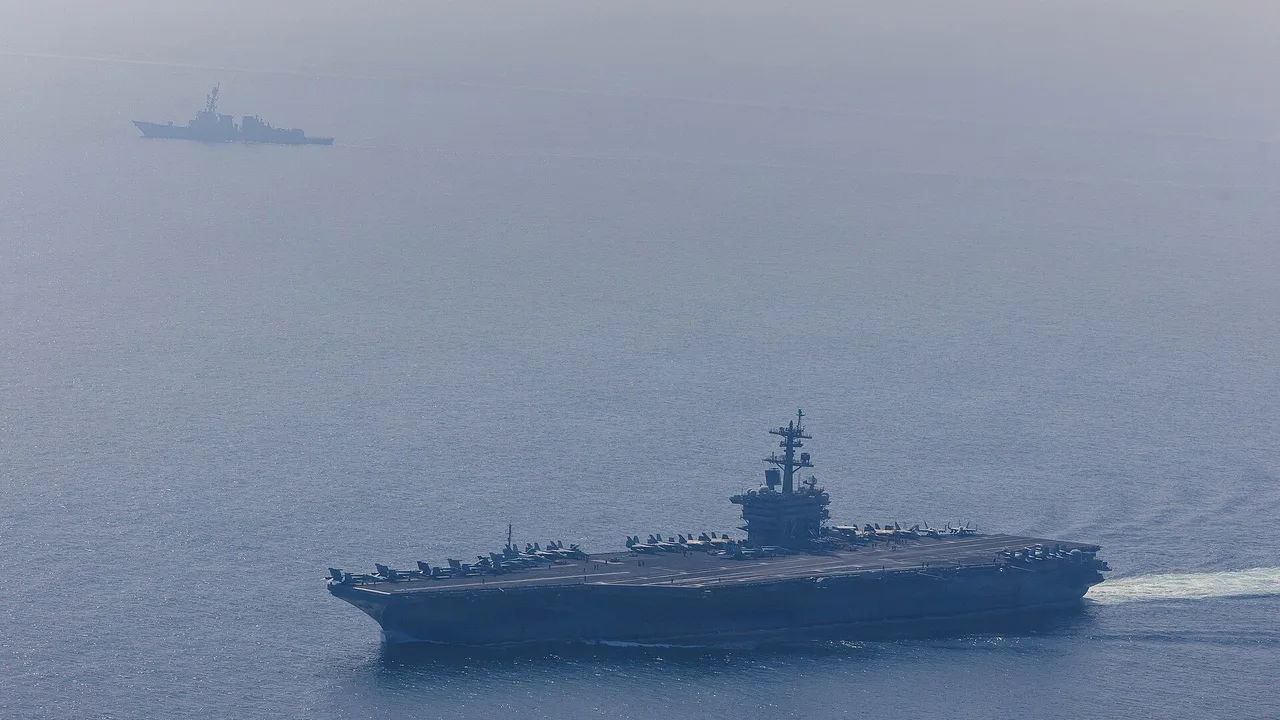
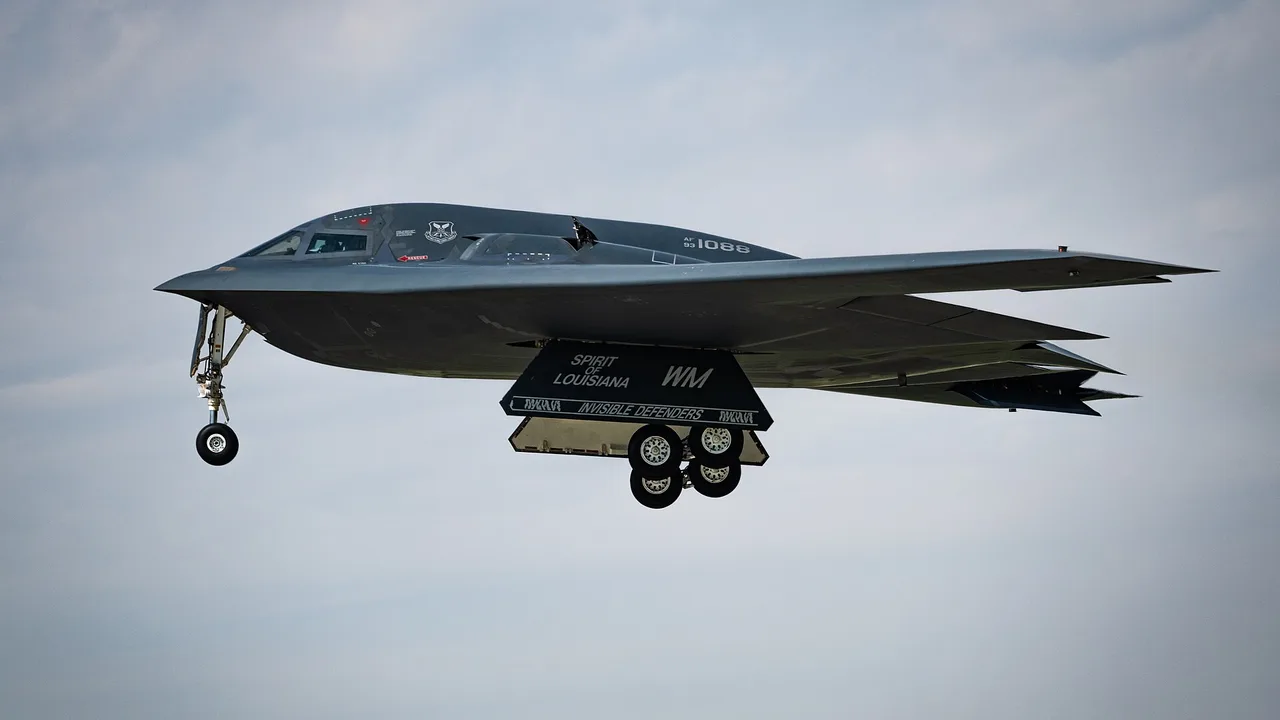
The preparations the Journal describes are already under way. The US military is sending an additional Patriot missile-defence system to Israel from Texas, according to flight-tracking data and two officials with knowledge of the movement. The US has also moved troops off bases in the Middle East where they were vulnerable, in preparation for an escalation. Forces in the region have been restocking their munitions, and bomber aircraft and jet fighters are preparing for strikes, some officials said. An additional aircraft-carrier strike group and a Marine expeditionary unit are poised to join an armada of roughly 20 other warships operating in the Middle East next month, although some ships could rotate out. Reuters' separate reporting this week points the same way: President Trump has held out the possibility of restarting combat operations after the midterm elections, and US officials speaking on condition of anonymity say the Pentagon has been planning to restart heavy fighting if ordered to do so.
Has a decision been taken?
No — but the direction of travel, on the Journal's account, is toward a strike. Trump has not decided to go ahead but is leaning toward a large post-election attack that could target Iranian infrastructure and nuclear sites, people familiar with his thinking said. The president has said he will not attack Iran before the midterms. "We may do another little Epic Fury," he said at a rally last week, referring to the heavy US and Israeli bombing campaign in the spring. "Or they'll agree." The White House said it would not comment on "sensitive military plans that may or may not exist", adding: "President Trump keeps all options on the table to ensure that Iran can never have a nuclear weapon." The moves are meant to give Trump options should he decide to strike, people familiar with the planning said; the Defense Department said its job is to deliver such options. Israel has also prepared plans and targets for a new attack, and Prime Minister Benjamin Netanyahu — who raised the prospect of renewed joint action against Iran in his post-election remarks early on Wednesday, Reuters reported — has continued to push for a resumption of strikes. A return to airstrikes would pivot away from the current economic-pressure campaign of tighter sanctions and a naval blockade, which has cut off Iran's oil sales for months.
What would Iran do, and what do the preparations cost?
Iran has warned through public and private channels that it would respond to any attack with harsh strikes on economic and civilian targets across the region, the Journal reported — as it did earlier in the war, when it hit US bases and diplomatic facilities as well as energy facilities and airports across the Gulf. Despite eight months of US and Israeli strikes, Iran retains a stockpile of hundreds to thousands of missiles, is assembling new ballistic missiles from stockpiled parts, and has used the lull to shore up its defences and prepare retaliation plans; Israeli officials are concerned by the speed of the rebuilding, the Journal said. The war's cost frames the politics of any new campaign: the Journal put the tally at $47.1 billion as of mid-October, excluding damage to US bases, with about 60 percent — $29 billion — attributed to expended munitions such as Tomahawk and Patriot missiles, matching the Pentagon estimate Reuters obtained and this site reported this morning. IAEA Director General Rafael Grossi told the Security Council on Tuesday that the agency has identified no activity to repair or reconstruct damaged nuclear facilities, but that inspectors still lack access and cannot verify that no nuclear material has been diverted — the unresolved file at the centre of Washington's case. Middle East mediators, meanwhile, are still trying to revive talks to head off a new wave of combat; so far, the Journal reported, they have had little luck.
This report is drawn from The Wall Street Journal's October 28, 2026 report, opened and read in full on wsj.com, Reuters' October 28, 2026 Pentagon cost report, opened and read in full on reuters.com, and Reuters' October 28, 2026 report of Brent crude at $115 as of 1100 GMT. The warning to Gulf states and the force movements are published as the Journal reported them, attributed to the people and officials it cited; the White House declined to comment on the plans, and no Gulf government confirmation appears in the reporting opened.