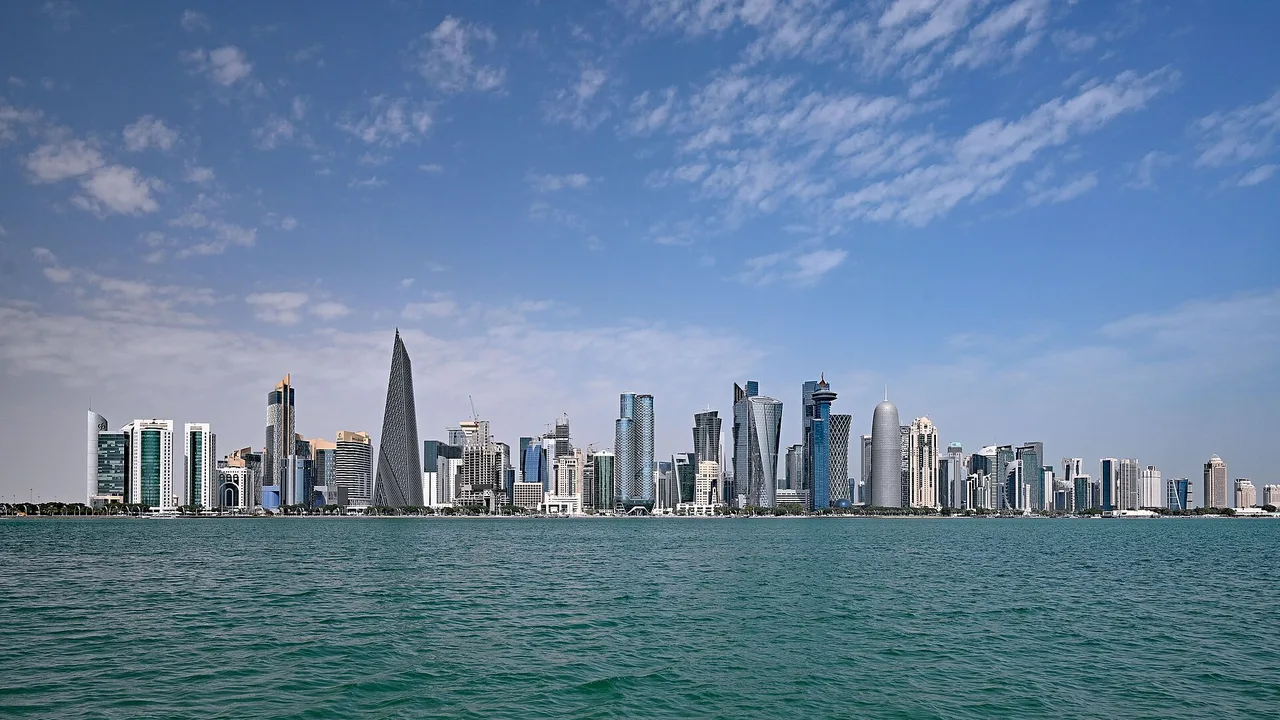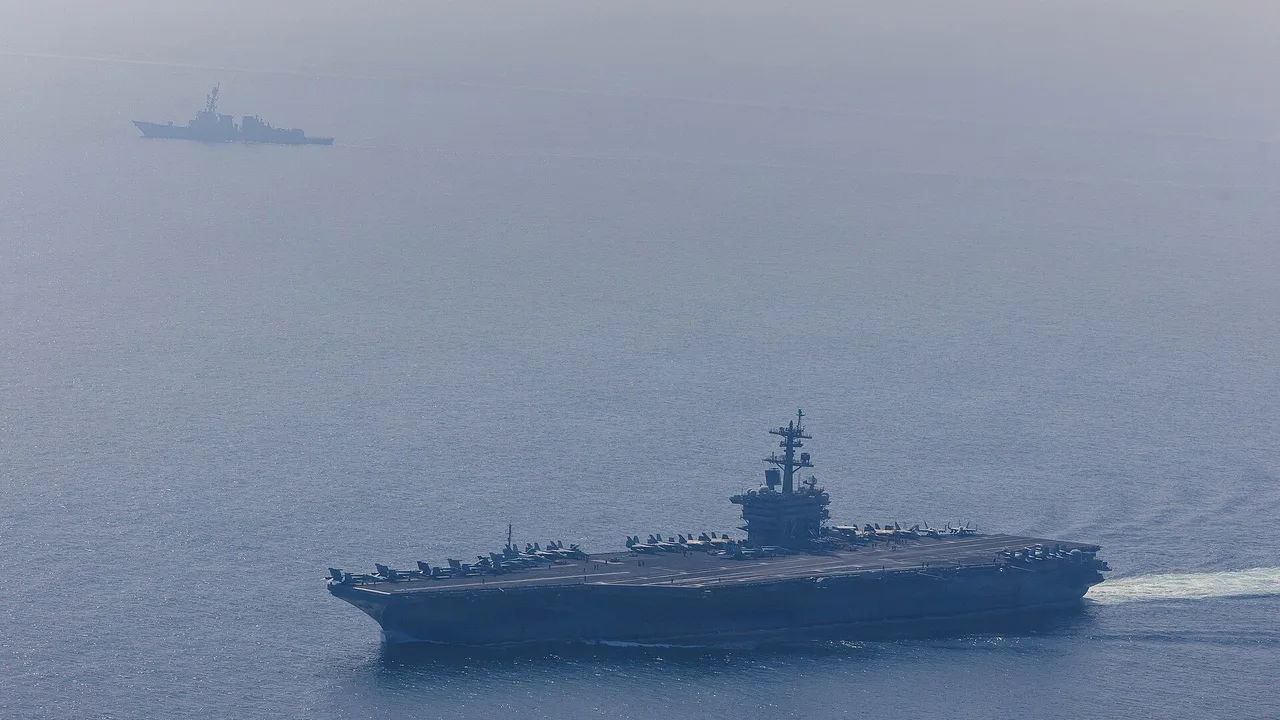
Tehran's first response to the Qatari draft deal is a rejection in all but name: a senior Iranian official involved in the talks said Doha had presented only "unacceptable ideas and not an offer", and that Iran's policy on showing no flexibility over the nuclear issue remains unchanged, Reuters reported in its updated account on Wednesday. The dismissal lands hours after an official briefed on the negotiations described the same draft — a seven-day timeline of daily confidence-building steps, possibly beginning early next week under several guarantor countries — as the live path to ending the eight-month war, with Tehran's formal response expected by the end of the week. This article updates this site's report of the draft this morning with the Iranian official's response and the fuller negotiating history in Reuters' updated text.
What exactly did Tehran reject?
The proposal itself, as a basis for talks on Washington's terms. The official briefed on the negotiations, who is not from Iran, said the draft presented on Sunday was being considered by Tehran. Shortly afterwards, the senior Iranian official involved in the talks gave Reuters the other side's reading: only "unacceptable ideas and not an offer" had been put forward. The dispute underneath is about sequencing. Washington wants Iran's decades-long nuclear programme to be part of negotiations to end the war from the outset, while Iran says its conditions — which include an end to the US blockade of Iranian ports and the lifting of sanctions on Iranian oil exports — must be met first. Iran rejects Western concerns that its nuclear programme is military in nature. The official had previously told Reuters the Qatari mediators had coordinated with Washington before going to Tehran, which places the draft on the US side of that sequencing line — and Qatar itself raised the pressure on Tuesday, saying Iran needs to stop threats against Arab Gulf states and open the Strait of Hormuz to show good intentions for mediation efforts to succeed.
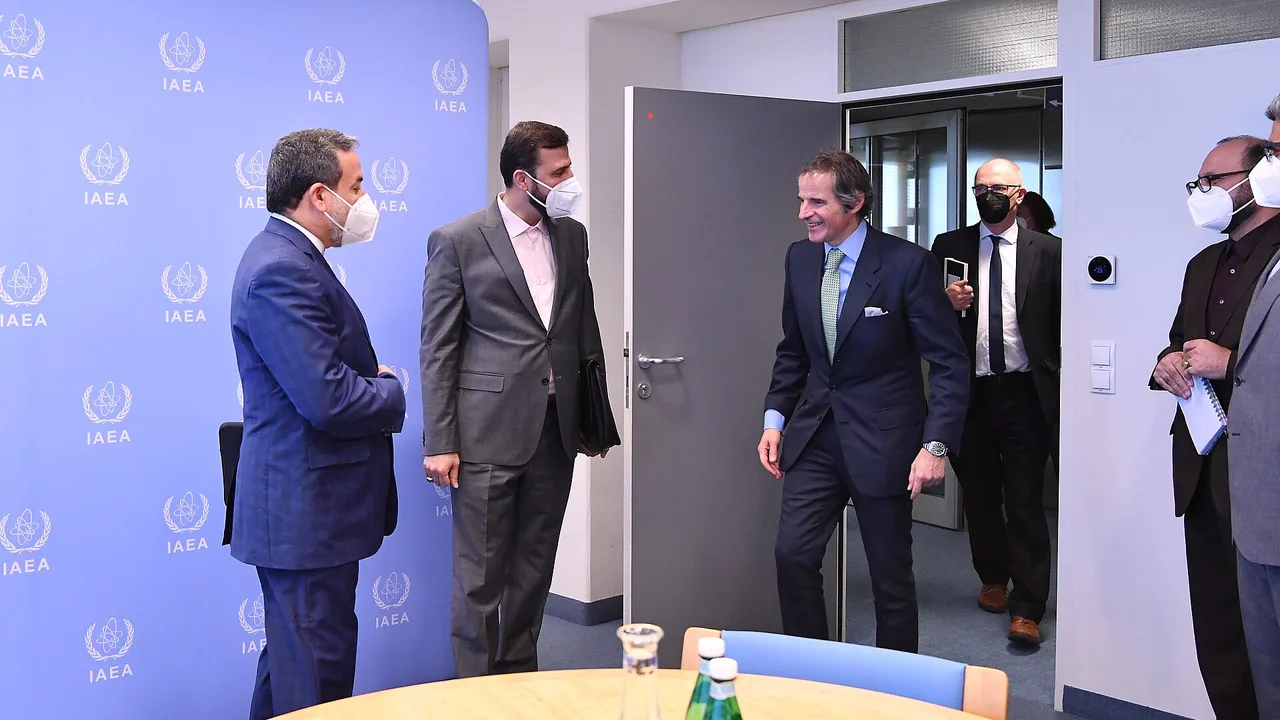
Has a seven-day plan failed before?
Yes — Iran's own. In late September, Tehran presented another seven-day proposal under which Foreign Minister Abbas Araqchi said the Strait of Hormuz, one of the world's most important energy shipping channels, could be reopened if certain conditions were met. President Trump rejected it, prompting the further Qatari mediation that produced Sunday's draft. The draft discussed in Tehran on Sunday was different from that proposal, the official briefed on the negotiations said, though the details of the latest plan were not immediately clear. The wider pattern is now three rounds deep: an interim peace agreement in June that quickly unravelled, Iran's rejected September proposal, and a Qatari draft that Tehran's own negotiator publicly discounts within days of receiving it. The Wall Street Journal's account of the parallel military track reaches the same diplomatic conclusion from the other side: mediators trying to revive talks to head off a new wave of combat have so far had little luck, with the US insisting on discussing the nuclear programme and Tehran laying out tough demands.
What happens next?
On the briefed official's account, Tehran's response to the draft is still formally expected by the end of the week — but the senior official's comments define the terms on which it will arrive: no flexibility on the nuclear issue, and Iran's preconditions first. The risks around the track are unchanged from this morning's reporting: the briefed official recorded concerns, ahead of Sunday's meeting, that Prime Minister Benjamin Netanyahu could resume attacks on Iran this week; Trump repeated threats to strike Iran again on Friday; and Iranian security officials have told Reuters Tehran has drawn up detailed plans to attack Gulf undersea cables if the US and Israel resume attacks. Oil markets are already pricing the stalemate: prices rose more than 1% to more than $115 a barrel on Wednesday after the Houthis' claimed attack on Saudi Arabia's Ras Tanura refinery, Reuters reported in the same updated account — a claim Saudi authorities had not immediately confirmed, as this site reported this morning.
This report is drawn from Reuters' updated October 28, 2026 account of the Qatari draft, opened and read in full via a verbatim carrier (published 09:01 UTC, updated 12:59 UTC), and The Wall Street Journal's October 28, 2026 report, opened and read in full on wsj.com. The Iranian official's dismissal is published exactly as Reuters reported it; the draft's terms remain as the briefed official described them, and no Iranian government statement beyond the official's comments appears in the reporting opened.