The Yandex data centres story reached the Kremlin's agenda on Tuesday, as Moscow confirmed its government is discussing the problems facing Russia's largest technology company after Ukrainian strikes disabled three of its data centres in less than a week. Kremlin spokesman Dmitry Peskov told reporters the matter was under discussion inside the government, while stressing that the company itself was taking urgent steps to deal with the consequences. No casualties were reported in any of the three strikes, according to Yandex's own statements as reported by Reuters.
What did the Kremlin say on Tuesday?
The Kremlin's position on Tuesday was that the Yandex data centres damage is now a government matter, but that no decisions have been announced. Peskov said Yandex was currently facing difficulties and that the issue was being discussed by the government. Asked whether Moscow was considering a mechanism to compensate users for losses caused by the outages, he said it was too early to assess whether users had suffered financial losses at all. He also described the company in positive terms, calling it strong and powerful.
That is a notably limited response for the scale of the disruption Yandex itself has described. The Kremlin did not announce state funding, a compensation scheme, or new air-defence measures for data infrastructure on Tuesday, and it did not say when the damaged facilities might return to service. Everything beyond the fact of the government discussions remains unannounced at the time of writing.
What happened to the three data centres?
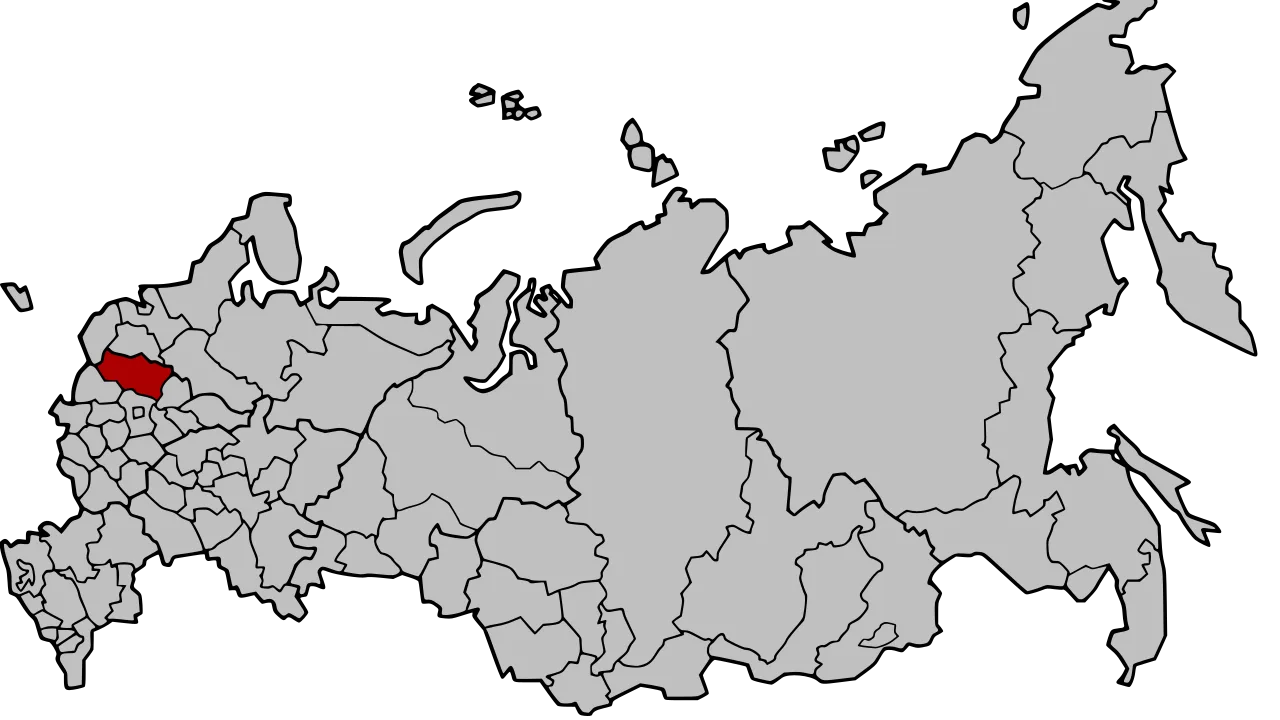
Three Yandex data centres have been taken out of action in the space of a few days, according to the company's own statements reported by Reuters. The sequence began at Sasovo, southeast of Moscow, where a Ukrainian attack shut down a data hub that houses two of the three supercomputers used to develop Yandex's artificial intelligence model. A day later, Yandex said its data centre in the Kaluga region, southwest of Moscow, had been struck by Ukrainian drones and partly put out of action.
The most recent strike was in the Vladimir region, east of Moscow. Yandex said on Sunday that its infrastructure there had been damaged in a drone attack and that the data centre had shut down completely. The company said no one was injured, but that some of its services were unavailable to users. Yandex is heavily involved in Russia's AI development and is often described as Russia's equivalent of Google, with services spanning search, cloud computing and consumer applications used by tens of millions of people.

Why do the Yandex strikes matter beyond one company?
The strikes matter because they extend Ukraine's long-range strike campaign from energy and military targets to the digital infrastructure that civilian services and AI development depend on. Data centres are concentrated, power-hungry facilities: a single site can support search, cloud and AI workloads for a whole region, which makes its loss harder to absorb quickly than damage to a dispersed network. Yandex's own account underlines the concentration risk — two of the three supercomputers behind its AI model were housed at the single Sasovo site.
The campaign also mirrors the pattern of the wider infrastructure war. Both sides have repeatedly struck the systems the other depends on: Russia has targeted Ukraine's power grid and, as this site reported earlier in the war, its data infrastructure, while Ukraine has struck Russian oil refineries, fuel depots and now data centres deep inside Russia. Each side presents its strikes as retaliation for the other's, and neither pattern shows signs of stopping while the broader war continues.
There are also practical questions the Kremlin's brief statement leaves open. The first is repair time: specialised data-centre equipment and AI hardware are difficult to replace quickly under sanctions, although Yandex has not published a repair timetable and no independent assessment of the damage was available in the sources opened for this article. The second is protection: whether Russia will extend air defences to civilian technology sites, and at what cost to coverage elsewhere, has not been announced. The third is precedent: if data centres are now treated as routine targets by both sides, cloud and AI capacity becomes another front in the infrastructure war, with outages for ordinary users as the visible effect.
What is still unclear?
Several central facts remain unconfirmed. The full extent of the damage at Kaluga, where the centre was only partly put out of action, has not been detailed in the sources opened. How long the Vladimir shutdown will last, whether the Sasovo supercomputers were damaged or merely taken offline, and whether users or business customers lost money are all unanswered — Peskov's own comment was that assessing financial losses would be premature. Ukraine's government has not, in the sources opened for this article, published its own detailed account of the three strikes beyond the operations themselves, and this article attributes the strikes as Yandex and the Kremlin have described them.
What is confirmed is narrower and still significant: three facilities of Russia's flagship technology company were disabled within days, the company has said so publicly, and the Kremlin confirmed on Tuesday that the consequences are now being discussed at government level. Whether that discussion produces compensation, protection or simply repairs will be the next test of how far the infrastructure war has moved into Russia's civilian digital economy.
Contested claims in this article are attributed in the text. Damage and outage details rest on Yandex's own statements as reported by Reuters, with no independent damage assessment available at publication time.