One year after the Gaza ceasefire took effect in October 2025, the agreement is holding in name but not in substance. More than 1,400 Palestinians have been killed by Israeli fire since it began, according to Gaza health officials cited by Reuters, while Israel says Hamas has been rearming in violation of the deal — a charge Hamas denies. The hardest questions the agreement deliberately deferred — Hamas's disarmament, a full Israeli withdrawal, and who governs Gaza — remain entirely unresolved.
What did the October 2025 deal actually include?
Hamas and Israel agreed to a ceasefire and hostage-prisoner exchange on October 9, 2025, and the Israeli government approved the agreement on October 10, according to the Institute for the Study of War. On October 13, Hamas released all 20 remaining living hostages — handed first to the Red Cross, then to the Israeli military — along with the bodies of four deceased hostages. Israel, in return, released more than 1,900 Palestinian prisoners, including 250 people serving life sentences and some 1,700 seized from Gaza during the war and held without charge, the Associated Press reported.
The deal also called for a surge of humanitarian aid: Egypt sent approximately 400 aid trucks into Gaza on October 12, with humanitarian organizations expected to deliver around 600 trucks a day. About 200 US troops deployed to Israel to help monitor the ceasefire, per the ISW.
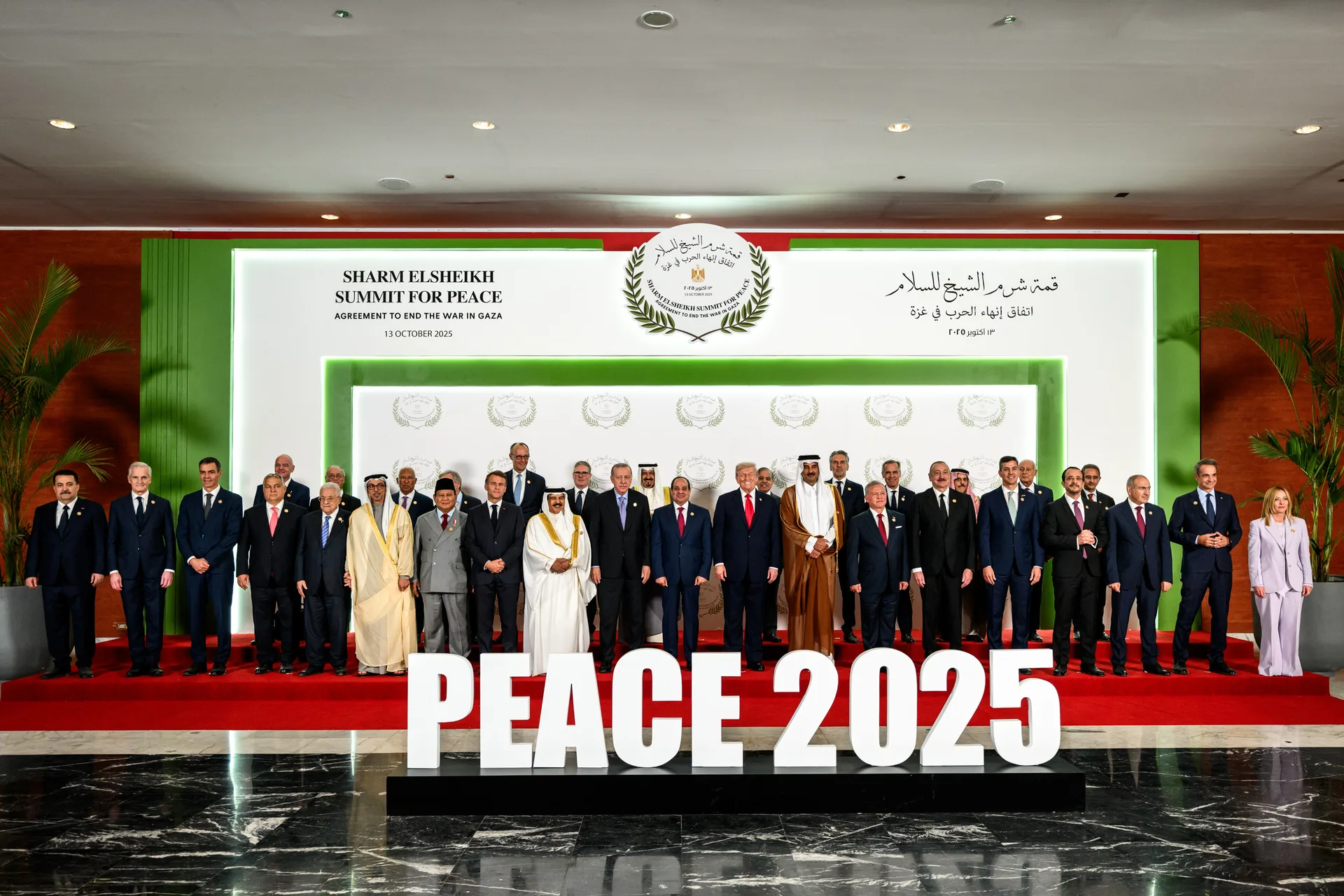
The same day, October 13, world leaders gathered at the Sharm El-Sheikh Summit for Peace — co-chaired by Egyptian President Abdel Fattah el-Sisi and US President Donald Trump — to formally sign the first phase of Trump's 20-point Gaza Peace Plan, brokered with the mediation of Egypt, Qatar, and Turkey. The plan called for an international body to govern Gaza, overseeing Palestinian technocrats running day-to-day affairs, an Arab-led international security force alongside Palestinian police trained by Egypt and Jordan, and eventual Israeli withdrawal as those forces deployed.
Crucially, the agreement did not address the key outstanding issues, as the ISW noted at the time: Hamas's disarmament, a full Israeli withdrawal from the Gaza Strip, and Gaza's future governance. The plan mentioned the possibility of a future Palestinian state — a nonstarter for Israeli Prime Minister Benjamin Netanyahu.
Is the ceasefire actually holding?
For many Palestinians in Gaza, the ceasefire reached last October is "only a ceasefire in name," NPR reported in September 2026. The Ministry of Health in Gaza said more than 1,300 Palestinians had been killed since the agreement — a figure Reuters updated to at least 1,400 on October 3, 2026, after an Israeli airstrike on an apartment building in Gaza City killed at least five Palestinians. Israel says four of its soldiers have been killed by militants in Gaza over the same period.
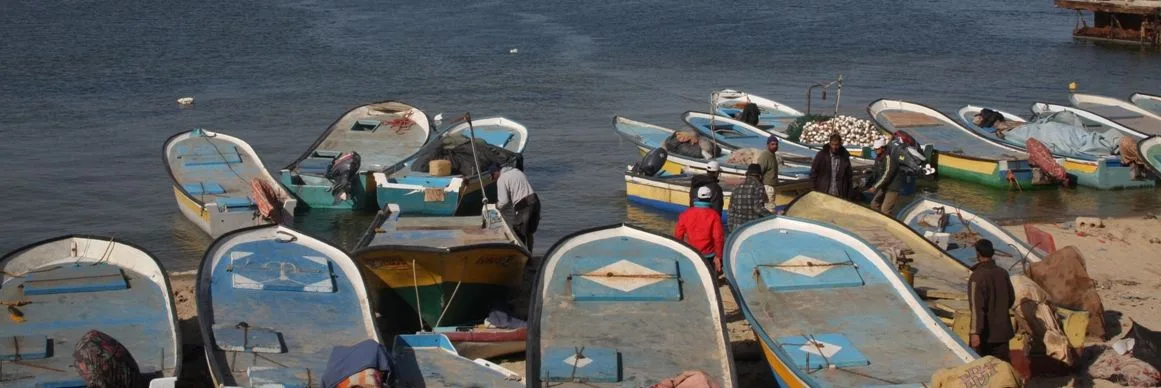
Israeli forces still conduct near-daily strikes, targeting what it says are military targets, and little progress has been made toward rebuilding the devastated region, NPR reported. The war that preceded the ceasefire killed more than 67,000 Palestinians, according to Gaza's Health Ministry — figures the UN and many independent experts consider the most reliable estimate of wartime casualties — and displaced about 90% of Gaza's roughly 2 million residents, the AP reported in October 2025. The UN humanitarian chief described much of Gaza as "a wasteland."
Why has the second phase stalled?
The deadlock is over the questions the agreement deferred. Israel insists that Hamas disarm; Hamas refuses and demands that Israel pull its troops completely out of Gaza. Neither has moved: Israeli forces remain in most of the southern city of Rafah, towns in Gaza's far north, and the wide strip along Gaza's border with Israel, the AP reported.
Hamas denies trying to carry out attacks or rebuild its arsenal and accuses Israel of undermining the Gaza peace deal, while Israel says the group has been rearming and launching attacks in violation of the October ceasefire — the basis for stepped-up Israeli strikes in recent weeks, Reuters reported.
Governance remains equally unresolved. The plan envisions an eventual role for the Palestinian Authority, which Netanyahu has long opposed and which would require a sweeping reform program taking years. The international governing body, the multinational security force, and the extensive reconstruction program exist on paper only. As the ISW noted in October 2025, Hamas and Israel agreed not to resume negotiations on outstanding issues until the first phase was implemented — and that phase's core exchanges are complete while the political substance has not advanced.
What does this mean for Gaza now?
The trajectory is a ceasefire that functions as a reduced-intensity conflict rather than an end to one. Aid flows continue but famine conditions that predated the deal have not been resolved; reconstruction has barely begun; and the population remains largely displaced. Both sides' positions on disarmament and withdrawal are mutually exclusive, and no mediator has produced a mechanism to bridge them. Unless phase two — disarmament, withdrawal, and governance — is negotiated, the coming months are likely to look like the past year: a truce punctured by strikes, with the death toll climbing.
Related: our [October 3 report on the Israeli strike on a Gaza City apartment building](/articles/0545-israeli-strike-gaza-city-apartment-building).