Ukraine says Russia used the Oleshky ceasefire to reinforce its positions: Ukraine's General Staff said on Monday that Russian forces used last week's six-day humanitarian ceasefire in the Russian-held southern town of Oleshky to strengthen their military positions — rotating units, fortifying positions and bringing in ammunition — hours after the longest local pause in fighting since 2022 expired and shelling returned across Kherson region. The ceasefire, brokered through US first lady Melania Trump and with the involvement of Pope Leo, evacuated nearly 800 people before it ended at 2100 GMT on Sunday. The reinforcement claim is Ukraine's account, published here as a claim: the Kremlin, asked about it on Monday, did not confirm or deny it, and said it assumed Ukraine's army had used the pause to regroup as well.
What does Ukraine say Russia did during the ceasefire?
Ukraine's General Staff said it had recorded rotations of Russian units, fortification of positions, expansion of anti-drone measures along roads, and increased logistics activity, including deliveries of ammunition, during the pause. "Under the ceasefire introduced for the humanitarian operation in Oleshky, units of the Defence Forces of Ukraine ensured that the ceasefire was observed and acted exclusively within the framework of the agreements reached," the General Staff said in a statement on X, Reuters reported. "The enemy, by contrast, used the humanitarian pause to improve its positions." Ukraine's 34th Separate Marine Brigade "Borysfen" made the same charge in a video address on Facebook, calling on residents of the Kherson region not to ignore air raid sirens and saying Russia had "used the ceasefire to prepare and strengthen its capabilities". The brigade said there were reasons to expect an intensification of hostilities. No independent confirmation of the reinforcement activity was available in the reporting opened, and the claim is contested — which is why it is carried here as Ukraine's stated account, alongside Moscow's answer.
How did the Kremlin answer the allegation?
It assumed Ukraine had done the same, and called that normal. Asked about the Ukrainian allegation, Kremlin spokesman Dmitry Peskov told reporters on a conference call on Monday: "Such questions are best directed to our Ministry of Defence. But in this case, it is safe to assume that the Ukrainian armed forces also used this period to regroup and so on. This is standard practice in such situations. But I am not familiar with the specifics (regarding Russian forces)." Peskov also closed the door, for now, on a repeat: he said no similar local ceasefires modelled on Oleshky — which allowed humanitarian aid to be delivered and residents to be evacuated — were planned for now. The exchange leaves the two accounts side by side and unreconciled: Ukraine says its units observed the truce strictly while Russia improved its positions; Russia's spokesman says he does not know the specifics for Russian forces and assumes regrouping on the Ukrainian side as a matter of routine.
What did the ceasefire itself achieve?
Nearly 800 evacuations, and six days without violations, by both sides' own accounts. The ceasefire took effect on October 27 and was meant to allow aid deliveries and civilian evacuations from the frontline town; in total, nearly 800 people were evacuated, Melania Trump said on X. On Sunday, as the expiry neared, Ukraine's military said it had separately evacuated 167 civilians from threatened areas of southern Kherson region, including 22 children and 21 people with limited mobility. During the pause, roads were de-mined and food, medicines and other supplies were brought into the town. Ukraine's Ombudsman for Human Rights Dmytro Lubinets, writing on Telegram on Sunday, said both sides had "upheld the obligations they undertook throughout the duration of this period". It was the longest local pause in fighting since Russia's full-scale invasion in 2022 — a fact that cuts both ways in Monday's dispute: the pause was long enough to move hundreds of civilians to safety, and, on Ukraine's account, long enough to matter militarily.
What happened once the truce expired?
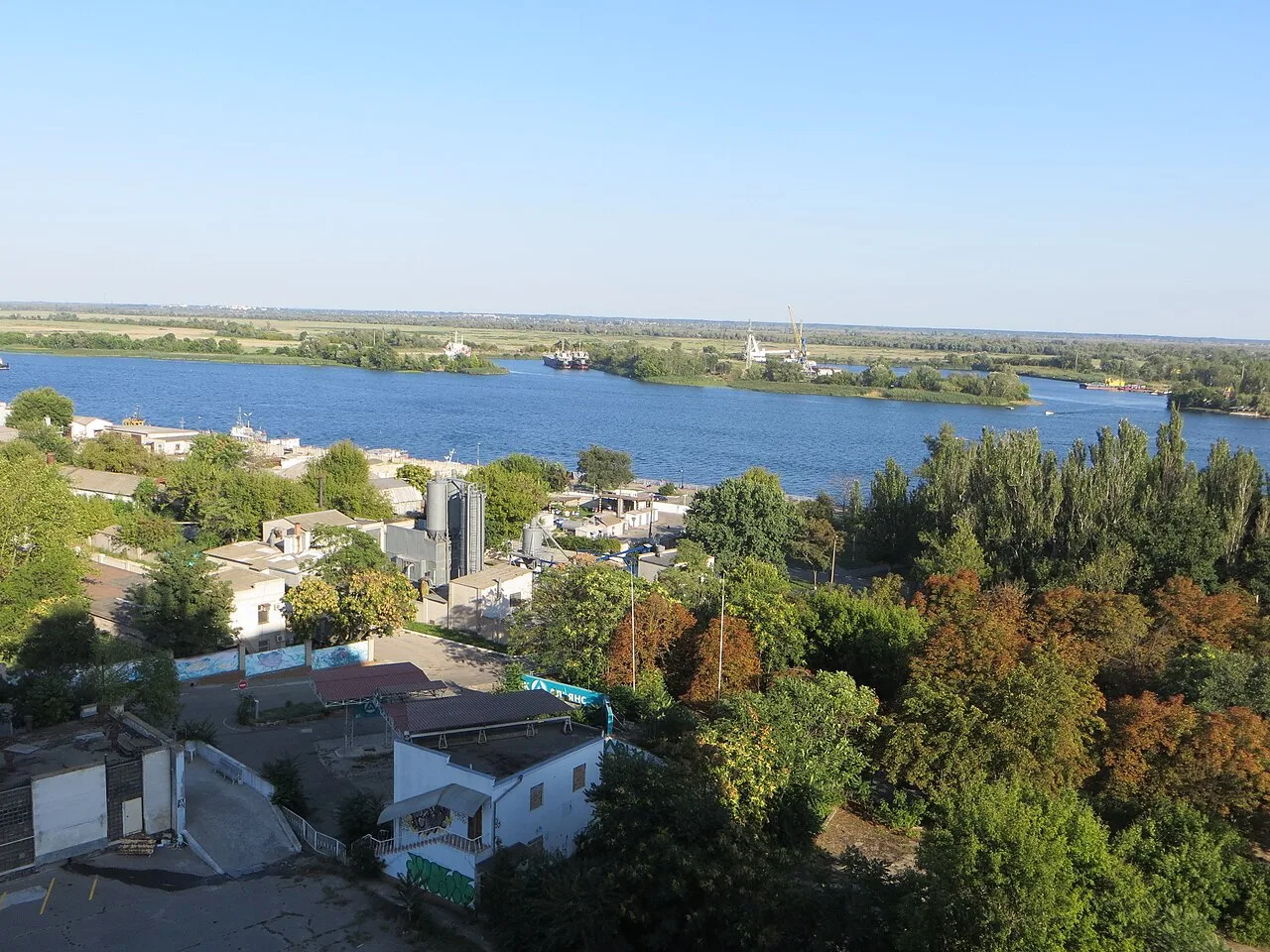
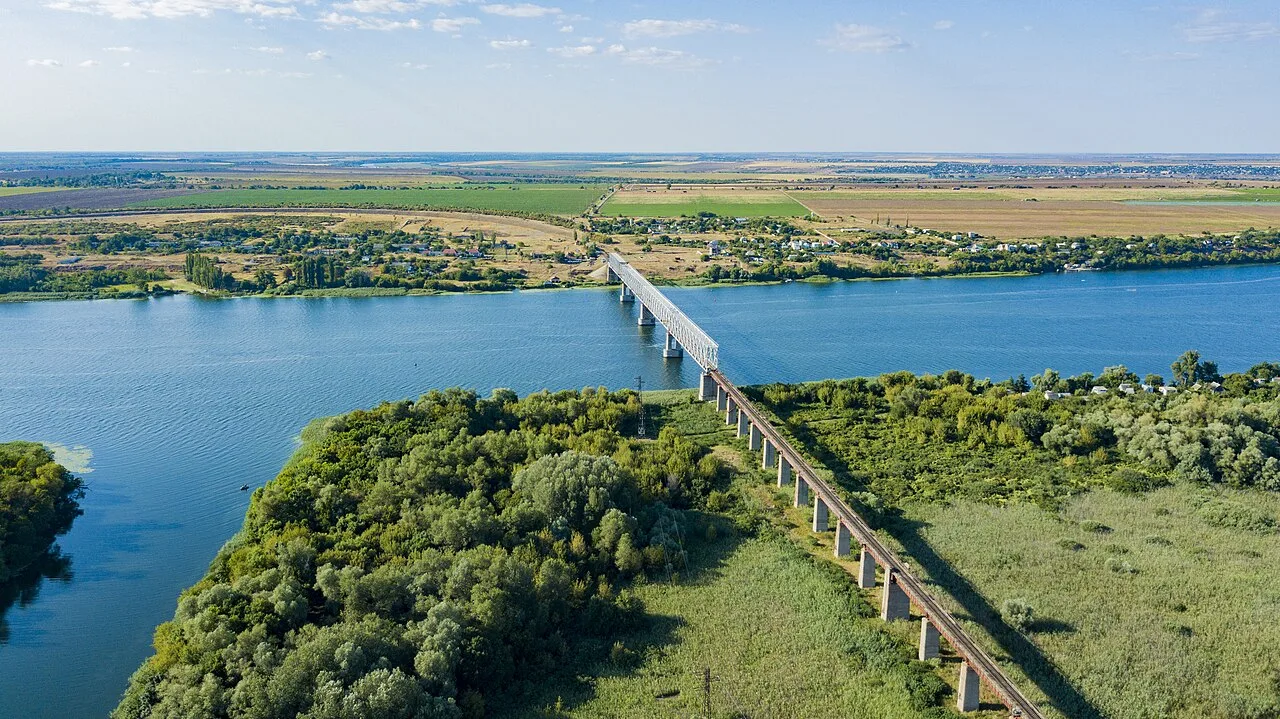
The shelling came back within hours. The ceasefire expired at 2100 GMT on Sunday. Yaroslav Shanko, head of the Kherson City Military Administration, said in a statement there had been a drone strike on Monday in the centre of Kherson city, which lies on the west bank of the Dnipro River in Ukrainian-held territory, opposite Oleshky; no casualties were reported. The governor of Kherson region, Oleksandr Prokudin, said on Telegram that Russian forces had shelled and attacked with drones and aircraft 16 settlements in Ukrainian-controlled parts of the region, including its capital Kherson, in the 24 hours to 0400 GMT on Monday. Those figures are the regional governor's account, as reported by Reuters; a settlement-by-settlement breakdown was not published in the reporting opened. What happens next turns on the warning both Ukrainian statements carried: the General Staff's assessment and the marine brigade's appeal to residents to heed air raid sirens both point the same way — toward an intensification of hostilities around Kherson now that the pause is over, with no follow-on local ceasefire planned, on the Kremlin's own word.
This report is drawn from Reuters' November 2, 2026 reports on the General Staff statement and the Kremlin response, both opened and read in full on reuters.com, and Reuters' November 1, 2026 evacuation report, opened via search. The reinforcement allegation is published as Ukraine's claim with the Kremlin's response alongside it and the absence of independent confirmation stated, per the two-source rule; the evacuation, expiry and shelling facts rest on the Reuters reports opened.