The Starlink Ukraine restrictions that have disrupted Ukrainian drone operations this month sit inside a longer pattern: for years, US administrations have asked Elon Musk's SpaceX to switch the satellite service on or off country by country to serve American foreign policy, Reuters reported on Saturday, citing six former senior US officials familiar with the matter. The earlier requests — reported by Reuters for the first time — included cutting service so Iran-backed militias in Yemen and Lebanon could not use it, opening service inside Iran during protests, and expanding it for Ukraine's military after Russia's full-scale invasion. The disclosure lands as Ukrainian officials say the current speed caps are still in force, contradicting President Donald Trump's statement that access had been fully restored.
Are the restrictions still in place?
Yes, on the accounts opened for this article. Five Ukrainian officials familiar with the matter told Reuters on Friday that restrictions disrupting connections for drones flying faster than 160 km/h (about 100 mph) persisted. The caps have been in place since October 13, as relations between Kyiv and Washington deteriorated, Reuters reported. "We are currently not observing any lifting of speed limits on Starlink," Serhiy Beskrestnov, an adviser to President Volodymyr Zelenskiy, said on Telegram, adding that isolated cases of terminals travelling slightly faster were likely due to the SpaceX algorithm or specific usage conditions. A defence-ministry source and two other officials confirmed the restrictions to Reuters. Trump had said on Thursday that SpaceX chief executive Elon Musk had restored Ukraine's Starlink access.
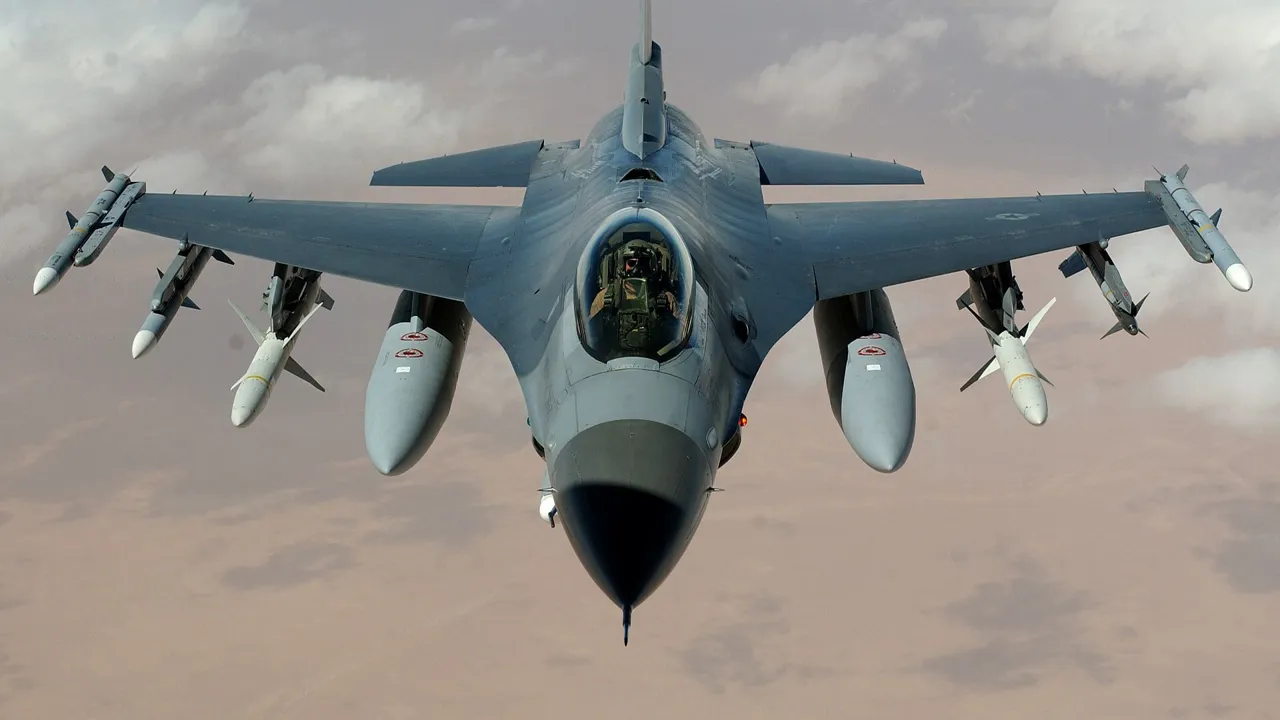
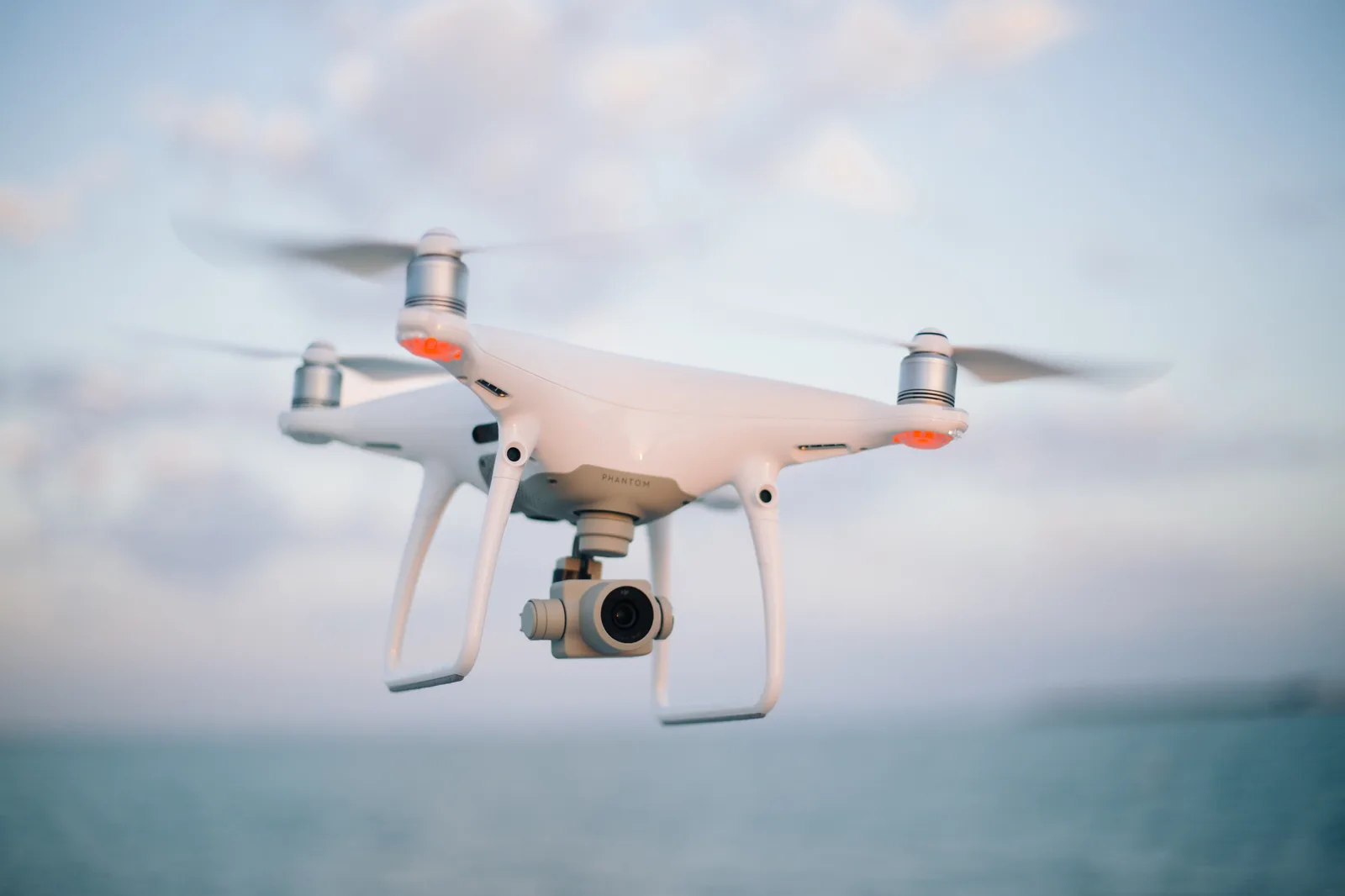
The Institute for the Study of War's October 23 assessment (Tier 3) points the same way, with a nuance. Ukrainian sources including the General Staff and defence-ministry sources reported "cases of connection loss" in Starlink and Starshield terminal operations at speeds of 161 km/h, and defence-ministry sources stated there had been "no confirmation" about the removal of the in-motion speed restrictions. Defence official Serhii Sternenko called the situation "ambiguous": some units report operations resuming above the previous limits, but the resumption does not apply to all missions and some disruptions continue. Zelenskiy has said the limits were imposed intentionally and interfere with the performance of the country's military drones, and that the reduced Starlink speeds affect activities including defence against Russian missile attacks. Starshield receivers, largely impervious to radio jamming, are used as onboard guidance systems and to provide links to a remote pilot for Ukrainian drones, including deep behind Russian lines, Reuters reported; for frontline units, the service has become, in Reuters' words, the lifeblood of communication, with no rival to SpaceX's capabilities currently available.
What did Washington ask SpaceX to do before?
The requests ran in both directions — off against adversaries, on for partners and protesters. During the Biden presidency, officials coordinated with SpaceX to prevent groups such as the Iran-linked Houthis in Yemen and Hezbollah in Lebanon from using Starlink terminals, five of the former officials told Reuters. Biden officials several times shared intelligence indicating that the Houthis and Hezbollah were using diverted terminals — hardware that had reached the groups through intermediaries. In October 2023, during fighting between Israel and Hezbollah in southern Lebanon, intelligence officials told the White House that individuals linked to Hezbollah could have gained access to terminals; officials had similar concerns about the Houthis in 2024 during a US air campaign against the group. In both cases the administration contacted SpaceX and asked it to identify the terminals and shut them off, and at least some were deactivated, two officials said.
In the other direction, Biden officials pushed SpaceX soon after the 2022 invasion to expand Starlink use for the Ukrainian military, two former officials said, and in a separate instance the Biden administration asked SpaceX to turn on Starlink in Iran during the protest movement that began in September 2022 after the death of Mahsa Amini; terminals were moved into the country with the administration's help. The Trump administration took a similar step, discussing with Musk and SpaceX getting terminals into Iran and activated following US-Israeli strikes there in June 2025 and again in February 2026, a former senior Trump official and a person familiar with the matter told Reuters. Neither the Trump administration nor SpaceX has publicly confirmed those terminals were turned on; the Wall Street Journal reported in February that the US government had sent thousands of terminals into Iran. All of Reuters' sources spoke on condition of anonymity, and Iran's delegation to the United Nations did not respond to a request for comment. In a 2024 submission to the US Commerce Department, SpaceX said it works closely with US government agencies to secure export authorisations and safeguard technology in support of US national security and foreign-policy goals.
Who decides — and why does it matter?
That is the contested question at the centre of the current dispute. Reuters has reported that the order to throttle Starshield came from inside the White House; the Trump administration has acknowledged the slowdown but has not said whether it gave the order. The White House, contacted for comment, referred Reuters to Trump's remarks on Friday, when he said he had not spoken with Musk about Starlink access issues for Ukraine and that "if there is a problem, I'll get it straightened out." SpaceX did not respond to Reuters' requests for comment, but Musk said in a social media post this week: "Starshield systems are owned and controlled by the US government. Any limits on speed or usage are decided by the US military and ultimately (by the president of the United States)." Ukraine's embassy in Washington said its priority is to have the service "restored to normal speed as soon as possible, as the lives of our people depend on it."
The history Reuters documents includes episodes in which the decision appeared to be Musk's own. In 2022, according to Reuters' earlier reporting, Musk ordered SpaceX personnel to cut Starlink coverage in areas Ukraine was trying to retake, a move that surprised White House officials; Musk has said publicly that he refused a 2022 Ukrainian request to activate the network in Sevastopol, in Crimea, to aid an attack on Russia's fleet there, saying he feared complicity in a major act of war. "He's supposed to be a business executive, with government contracts, and he's essentially making huge foreign policy decisions," said Armand Musey, president of the satellite-industry consultancy Summit Ridge Group. Democratic Representative Jason Crow called on Friday for clarity about the recent changes, saying: "Unelected billionaires and private corporations should not decide what is in the best interest of America's national security." The recent limits on Ukraine, despite its status as a US ally, have also rattled officials in Europe, some of whom argue Europe must develop its own military satellite communications because no viable short-term alternative exists, Reuters reported. Whether the October caps are lifted, and on whose instruction, remains unconfirmed by either government or company in the reporting opened for this article.
This report is drawn from Reuters' October 24 investigation, opened and read in full on reuters.com; Reuters' October 23 report that the speed curbs remain, opened and read in full; and the Institute for the Study of War's October 23 assessment, opened and read. The account of past US requests rests on six unnamed former senior officials, as Reuters reported them; the characterisation of who ordered the current throttling is disputed on the record, and both positions are stated above.