Ukraine's counterattacks in the Oleksandrivka direction have retaken three settlements and forced Russia to pull elite naval infantry and tank units away from two other offensives to stop them, the Institute for the Study of War assessed on October 25, 2026. Ukrainian military observer Kostyantyn Mashovets reported that Ukrainian forces liberated Perebudova, Komar and Fedorivka, advanced southwest of Vesele up to Skudne, and likely pushed Russian forces from a salient northwest of the Fedorivka-Burlatske line. In the air, the same assessment put hard numbers on Ukraine's other quiet fight: its interception rate against Russian jet-powered drones slipped only from 77 percent to about 74 percent during the mid-October Starshield restrictions — a resilience that now depends on interceptor drones costing about $7,000 each.
What has Ukraine retaken in the Oleksandrivka direction?
Three settlements and a salient, on the reporting ISW cites. Mashovets reported on October 25 that Ukrainian forces liberated Perebudova (east of Oleksandrivka), Komar (south of Perebudova, on the opposite bank of the Mokri Yaly River) and Fedorivka (south of Komar), and advanced southwest of Vesele up to Skudne, southeast of Fedorivka. Russian forces maintain positions in the northeastern outskirts of Perebudova, he reported — the gains are real but not sealed. Ukrainian forces have been conducting counterattacks in the Oleksandrivka direction since early February 2026, and alongside other tactical counterattacks have contested the Russian theatre-wide initiative, ISW assessed. The advance claims rest on a named Ukrainian military observer's reporting as assessed by ISW; they are published in that attributed form.

Why is Russia moving elite units to stop it?
Because the counterattacks are bending Russia's plans elsewhere — that is the assessment's central evidence. Persistent Ukrainian counterattacks in the Oleksandrivka direction forced the Russian military command to redeploy elements of the 120th Naval Infantry Division (Baltic Fleet) and the 40th Separate Naval Infantry Brigade (Pacific Fleet) to defend in the Oleksandrivka direction instead of supporting offensive operations in the Hulyaipole direction, Mashovets reported. Naval infantry units are relatively elite and more combat-capable than other parts of the Russian military, and the command usually deploys them to priority sectors, ISW noted; both formations had been operating in the Dobropillya direction before their redeployment in March 2026. Elements of the 90th Tank Division were also redeployed to Oleksandrivka even though they were initially intended to support the Russian offensive drive towards Druzhkivka, and the division has been split across several directions since March 2026. The stakes are geographic: Velyka Novosilka lies at a critical road junction supporting the Russian offensive effort to advance west from Hulyaipole for a double envelopment of Orikhiv, and further Ukrainian advances would threaten the rear of those Russian forces, ISW assessed. Russia is not standing still everywhere — Russian forces recently advanced in the Novopavlivka direction, southwest of Filiya — but on this sector it is Ukraine setting the terms.
How did Ukraine's air defence hold up without full Starshield?
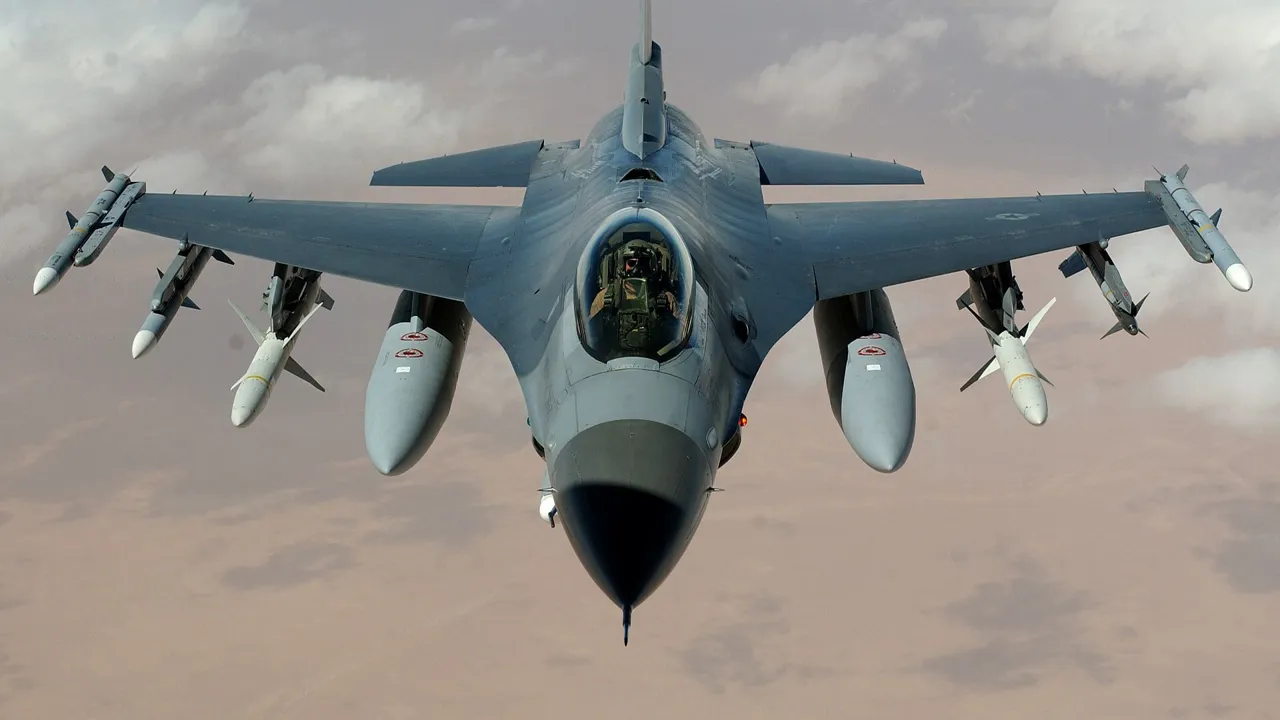
Better than the restrictions threatened, at a price Ukraine cannot keep paying in missiles. Ukraine's jet-powered drone interception rate dropped from 77 percent to about 74 percent during the October 14 to 24 period of Starshield service disruptions, ISW assessed. Ukrainian forces use a wide air defence umbrella against Russian jet-powered drones and have been most successful with interceptor drones, which largely require Starshield to operate at the speeds necessary to intercept them. The fallbacks are expensive or slow: F-16s can down jet-powered drones with costly and scarce air-to-air missiles, or with guns, which demands high pilot skill and adds risk and maintenance burden to airframes already suffering maintenance challenges; fixed turrets installed in Kyiv City and Oblast take time and resources to scale. Supplementing the umbrella with interceptor drones is Ukraine's best chance of sustaining high interception rates over the long term, especially going into winter 2026-2027, ISW assessed.
What does the interceptor economics race look like?
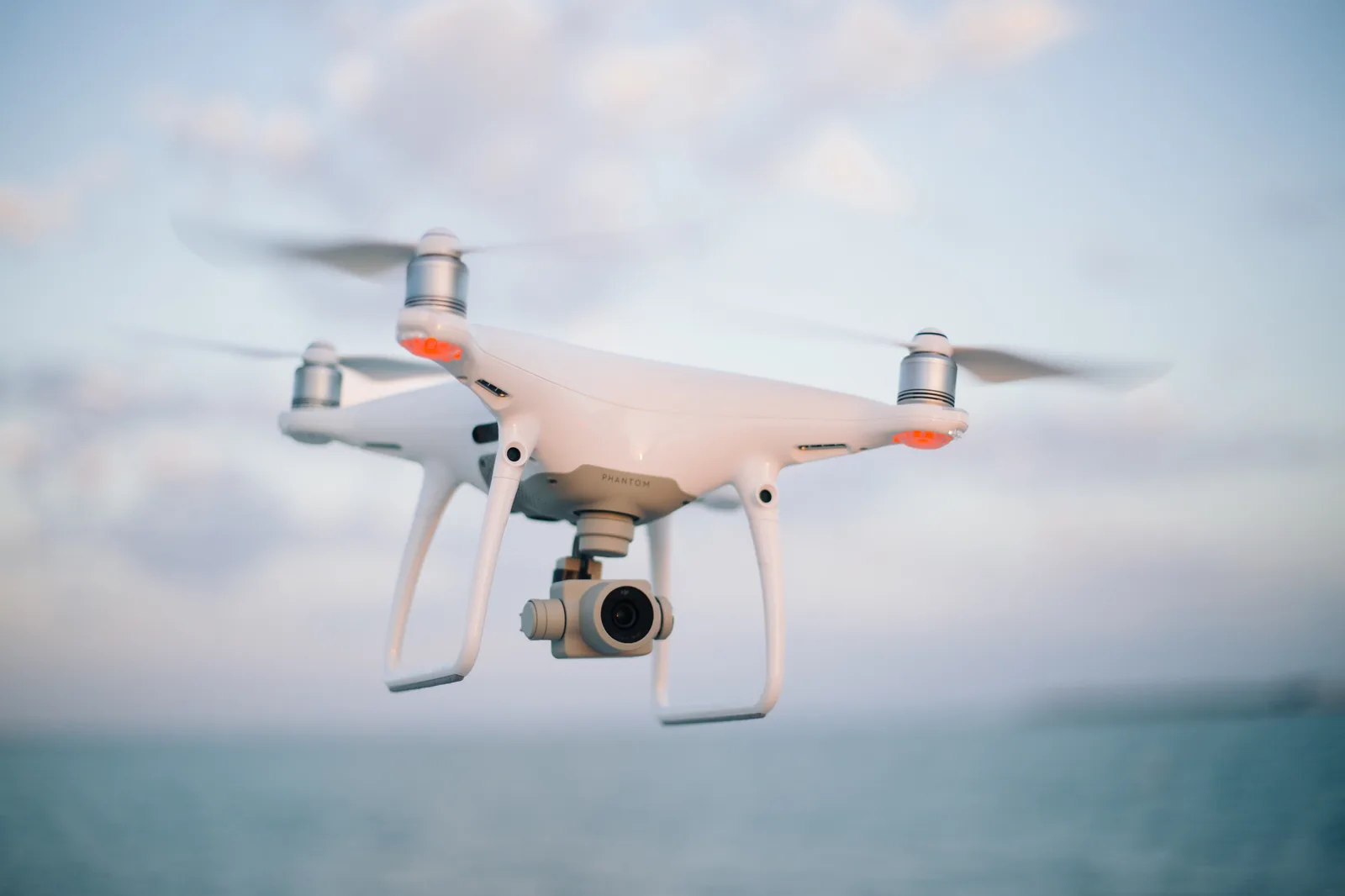
It is a race to the bottom of the price curve. A designer from Ukrainian drone manufacturer F-Drones told The New York Times on October 15 that the company is developing an F-Jet 80 interceptor drone that uses an AI-enabled guidance system to intercept Russian Shahed jet-powered drones, ISW reported. An F-Jet 80 costs about $7,000 per unit — much cheaper than the average $20,000 to $70,000 per-weapon cost for other interceptor drones, and a small fraction of the estimated one million dollars per F-16-fired air-to-air missile. The production and deployment of the F-Jet 80 highlight Ukraine's effort to produce cost-effective jet-powered drone interceptors at a scale sufficient to counter Russia's increasing use of jet-powered drones in its long-range strike campaign, ISW assessed. That campaign is the same one President Zelenskiy is now bargaining over: on Sunday he tied a halt to Ukraine's refinery strikes to an end to Russian attacks on power infrastructure, or to Starshield access over Russia or Patriot supplies, Reuters reported — the air-defence economics above are why those specific asks, and not others, are on his list.
This analysis is drawn from the Institute for the Study of War's October 25, 2026 Russian Offensive Campaign Assessment, opened and read in full, with corroborating context from Reuters' October 26, 2026 report, opened and read in full on reuters.com. Oleksandrivka advance and redeployment claims are Ukrainian military observer Kostyantyn Mashovets' reporting as assessed by ISW, and are attributed as such throughout; interception rates and unit costs are ISW's assessed figures, including its citation of The New York Times' October 15 interview with an F-Drones designer.