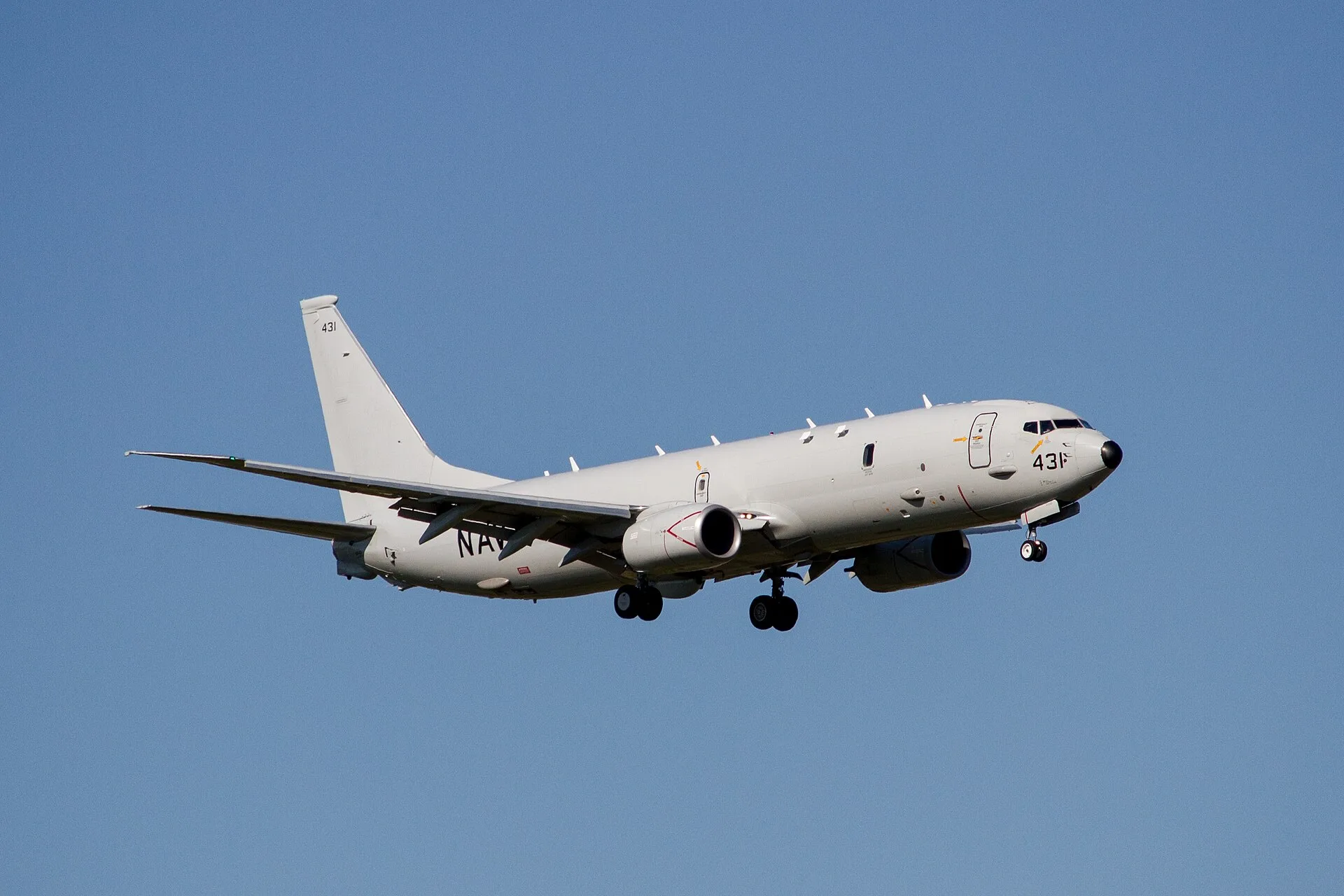
South Korea plans to expand its Cheonghae unit anti-piracy mission from the Gulf of Aden to waters south of Oman — about 650 kilometres from the Strait of Hormuz — adding a P-8A maritime patrol aircraft, an explosive ordnance disposal (EOD) team and unmanned mine-clearing systems, the Defence Ministry said on Thursday. The government will submit a motion to parliament to extend the deployment, which expires at the end of 2026, a ministry spokesperson said, confirming a Yonhap News Agency report. Officials were explicit about what the expansion is not: strictly noncombat, stopping short of the strait itself, with any future mine-clearing inside Hormuz requiring the war to end and a separate National Assembly vote.
What exactly is Seoul adding?
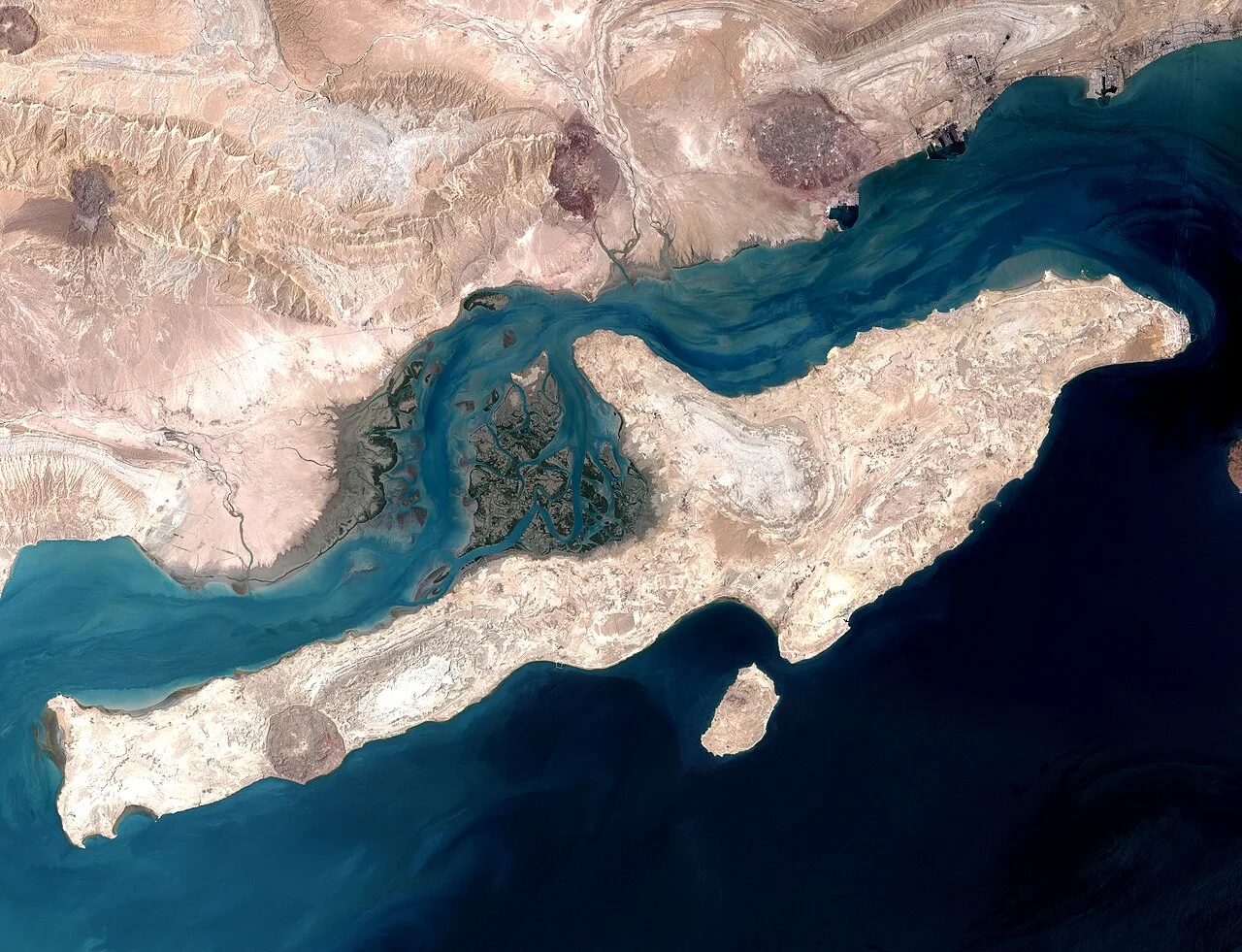
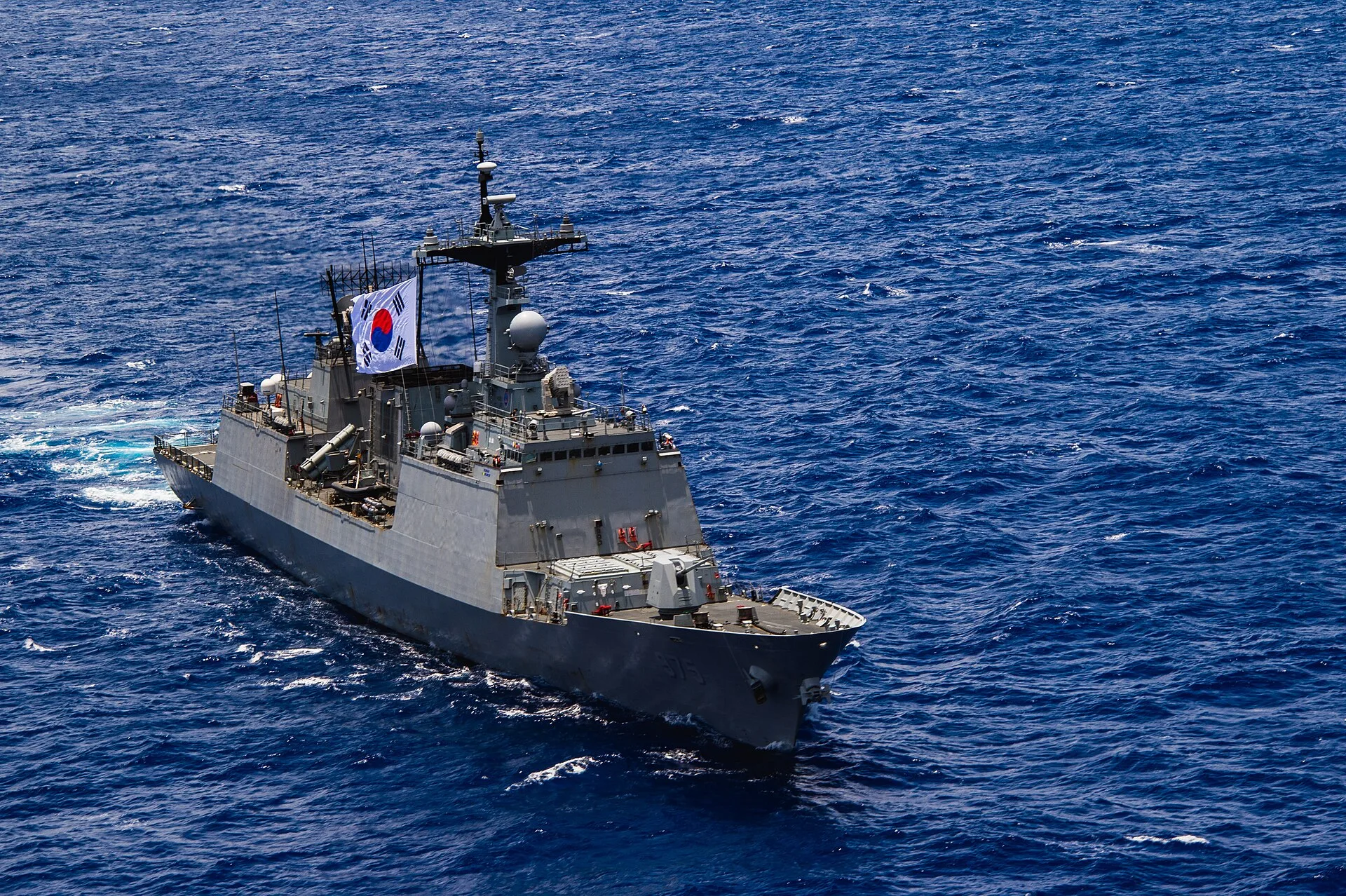
A wider map, one aircraft and a mine-clearing capability. The motion, which needs to be approved by President Lee Jae Myung and the cabinet, would expand the unit's area of operation to waters near the port of Duqm in Oman, which is about 650 km (403 miles) away from the strait, Reuters reported — extending the operational area northeast to waters south of Oman in the Arabian Sea and roughly doubling its radius to about 1,930 kilometers (1,199 miles), according to Yonhap. Seoul will also deploy a P-8A maritime patrol aircraft and increase the unit's personnel by 75, the Korea Herald reported via Reuters; Yonhap put the resulting total at 395. The Cheonghae unit has been stationed in the Gulf of Aden since 2009 to ensure safe navigation of commercial vessels, and currently includes a 4,400-ton-class destroyer, a maritime operations helicopter, up to three rigid-hull inflatable boats and around 300 service members, according to broadcaster YTN. Its 49th contingent aboard the Chungmugong Yi Sun-sin destroyer left for the Gulf of Aden on October 2. The newly added assets would be based in Djibouti, which also hosts US, Japanese, Spanish and French patrol units, Yonhap reported.
Why is South Korea moving now?
Two pressures point in the same direction: piracy at one end of the mission, and Washington at the other. The ministry said the deployment is primarily aimed at responding to increasing piracy off Somalia, where reported incidents have more than tripled from 11 throughout 2025 to 36 so far this year, partly because multinational naval forces have been redirected toward the Red Sea and the Strait of Hormuz, Aju Press reported. At the same time, the expansion follows pressure from US President Donald Trump to provide support for the war in Iran, Reuters reported: Trump has criticised Seoul for what he called insufficient support and scaled back major joint military drills this summer, unsettling the US ally. The energy stake is direct — South Korea sourced 70% of its oil supplies from the Middle East in 2025, most of it delivered through the Strait of Hormuz, according to the Industry Ministry, via Reuters. Yet Seoul has effectively turned down Washington's requests for military support against Tehran, Yonhap reported, and President Lee said on September 18 that he would not deploy assets in a way that could draw the country into conflict, while reviewing a greater role in safeguarding navigation.
Where will the unit operate — and where will it not?
South of Oman only, under its own command, and not inside the strait. "The enhancement of the Cheonghae unit's mission is to protect our citizens and safeguard our economic interests," a Ministry of National Defense official said, stressing that the proposed reinforcement is strictly for noncombat purposes and the unit will operate independently from any allied forces. "Operations will remain restricted to the open waters south of Oman, and the maritime patrol aircraft will be prohibited from targeting or monitoring Iranian territory, territorial waters or the interior of the Strait of Hormuz during their missions," he said. Aju Press reported the ministry's four principles for the expanded deployment: no involvement in the war, protection of South Korean nationals and vessels, operations limited to waters south of Oman, and independent command under South Korea's Joint Chiefs of Staff. The Gulf of Oman, which directly adjoins the strait, is not included in the expanded mission area, and officials said there were no confirmed mine threats in the planned operational area.
What is the mine-clearing team for, if not the strait today?
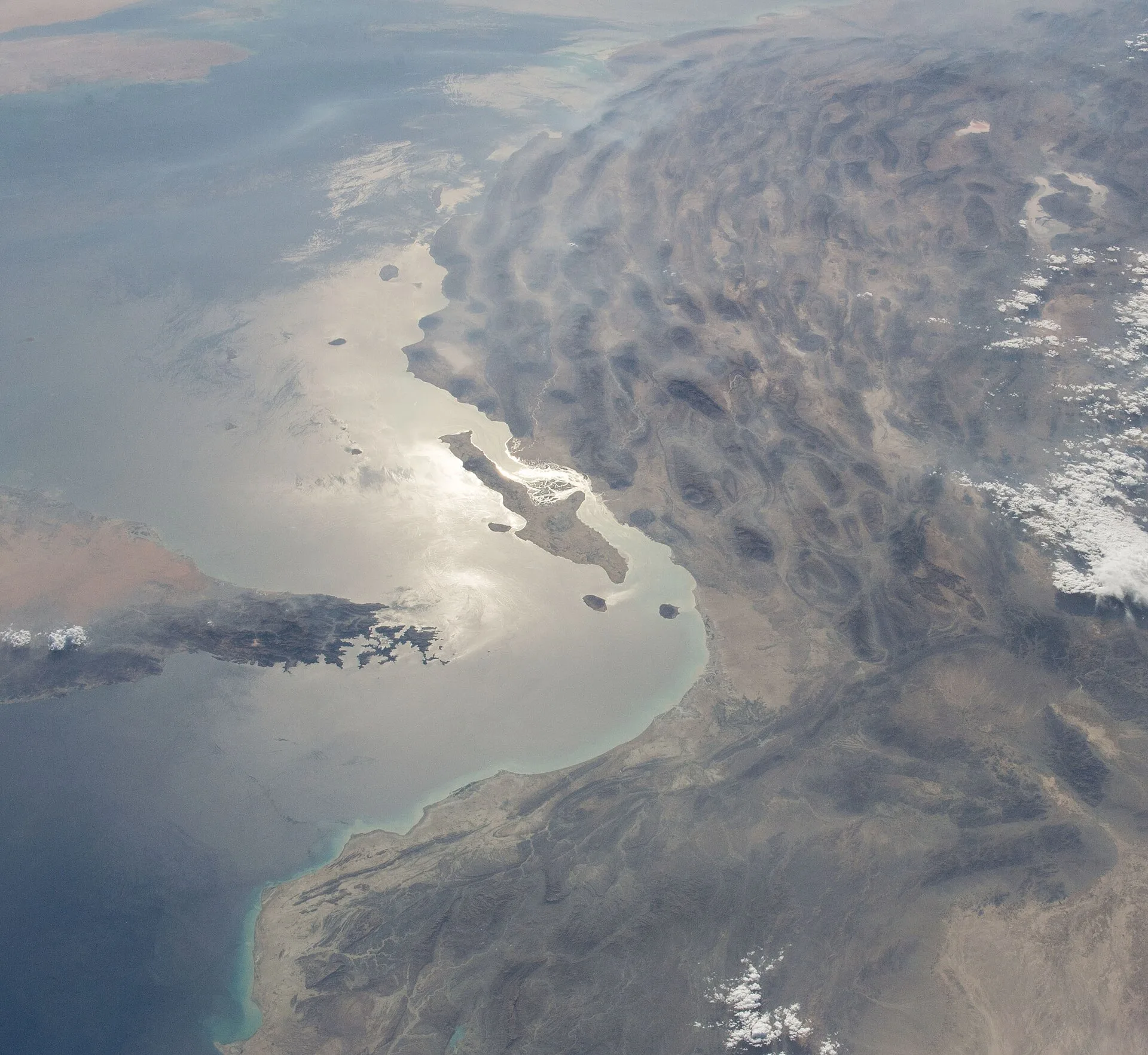
Preparation for the day the war ends. The addition of an EOD team along with unmanned minesweeping systems aims to prepare for Seoul's potential participation in postwar joint operations to restore the Strait of Hormuz, Yonhap reported — clearing sea mines in the strait is expected to be a primary task requiring international coordination once the war ends, using remotely operated submersible robots deployed from uncrewed vessels to locate targets, attach explosive charges and detonate the mines. Given its limited experience with unmanned mine countermeasures, Seoul seeks to use the deployment to test the systems' performance, officials said. For any recovery operations in the strait to begin, South Korea has aligned with Britain, France and other partner nations on the need for a "permissive environment" — either the end of the Iran war or a formal agreement between the two sides. "We have promised to join upon request under those conditions," one official said. "We cannot go unprepared when called upon." Deploying the noncombat assets for operations in the strait itself would require separate parliamentary approval, a step defence officials say the government is prepared to take. The ministry stressed that preparations for potential Hormuz operations were not the primary purpose of the expansion.
What happens in the strait meanwhile?
Shipping is moving, and claims are still contested. Crude shipments through the waterway have recovered to close to pre-war levels, according to analysts cited by Reuters, though at a higher cost. On Thursday, Iran's Islamic Revolutionary Guard Corps said two oil tankers and a tugboat had caught fire after attempting to use unauthorised routes through the strait, Reuters reported — published here as the IRGC's claim, with no independent confirmation in the reporting opened, following similar unverified IRGC statements on previous days. Seoul's expansion now goes to Cabinet endorsement next week and then National Assembly consent, with the revised mandate valid through December 31, 2027, Aju Press reported.
This report is drawn from Reuters' November 5, 2026 report, opened and read in full on reuters.com; from Yonhap News Agency's November 5, 2026 report, opened and read in full via Korea JoongAng Daily; from Aju Press' November 5, 2026 report, opened and read in full; and from Reuters' November 5, 2026 oil report, opened and read in full via its verbatim carrier Mix 92.9. The expansion is a plan requiring presidential, cabinet and parliamentary approval, and is published as such; the IRGC tanker statement is published as a single-party claim without independent confirmation, per the two-source rule. Market figures are snapshots checked at the stated time, not live prices, and are not financial advice.