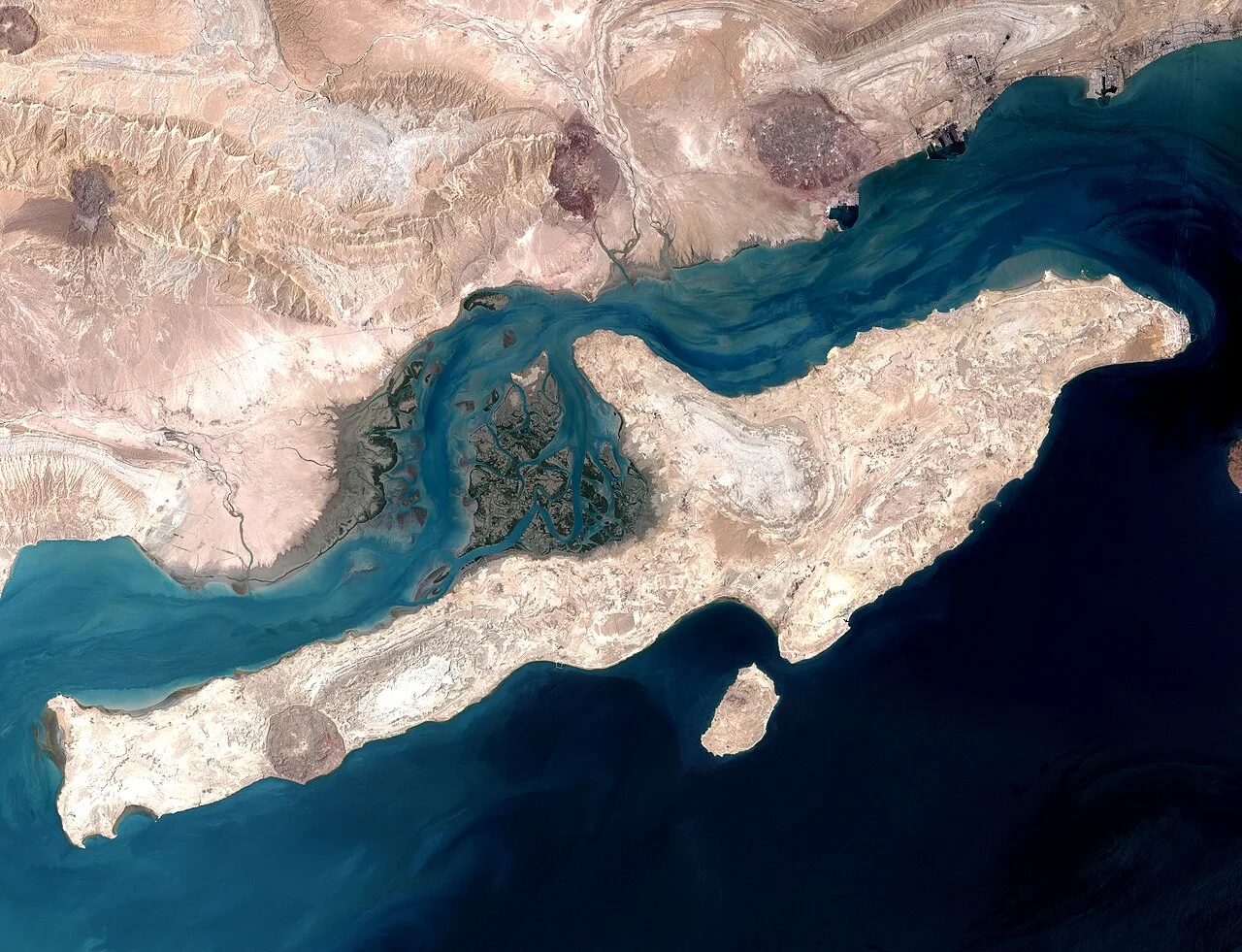
The United States struck Iran's Qeshm Island in the Strait of Hormuz on Monday, US officials told the Wall Street Journal — a strike Iran's state news agency IRNA accompanied with reports of several explosions on the island. The Journal described the attack as the latest in a series of limited strikes Washington has carried out in recent weeks, conducted on a smaller scale and purposefully kept secret so as not to signal any intent of resuming its major military campaign against Iran. US Central Command did not immediately respond to a request for comment, and the attribution rests on the Journal's account of US officials' statements; it is published here with that limitation stated.
What happened on Qeshm Island on Monday?
Several explosions were reported on the island, which sits in the Strait of Hormuz, according to Iran's state media outlet IRNA, Reuters reported. Al Jazeera, citing IRNA, put the count at five explosions heard on Qeshm, with further blasts reported in Bandar Lengeh, on the Iranian mainland across the strait, and residents on the island spotting two aircraft flying over it. There was no immediate official information on the cause of the explosions or reports of casualties in the Iranian reporting. The Wall Street Journal then reported, citing US officials, that the United States had struck the island. Some of the officials described the assaults as defensive in nature, to prevent Iran from having the freedom to attack commercial ships in the Strait of Hormuz, Reuters reported in its markets coverage of the same report.
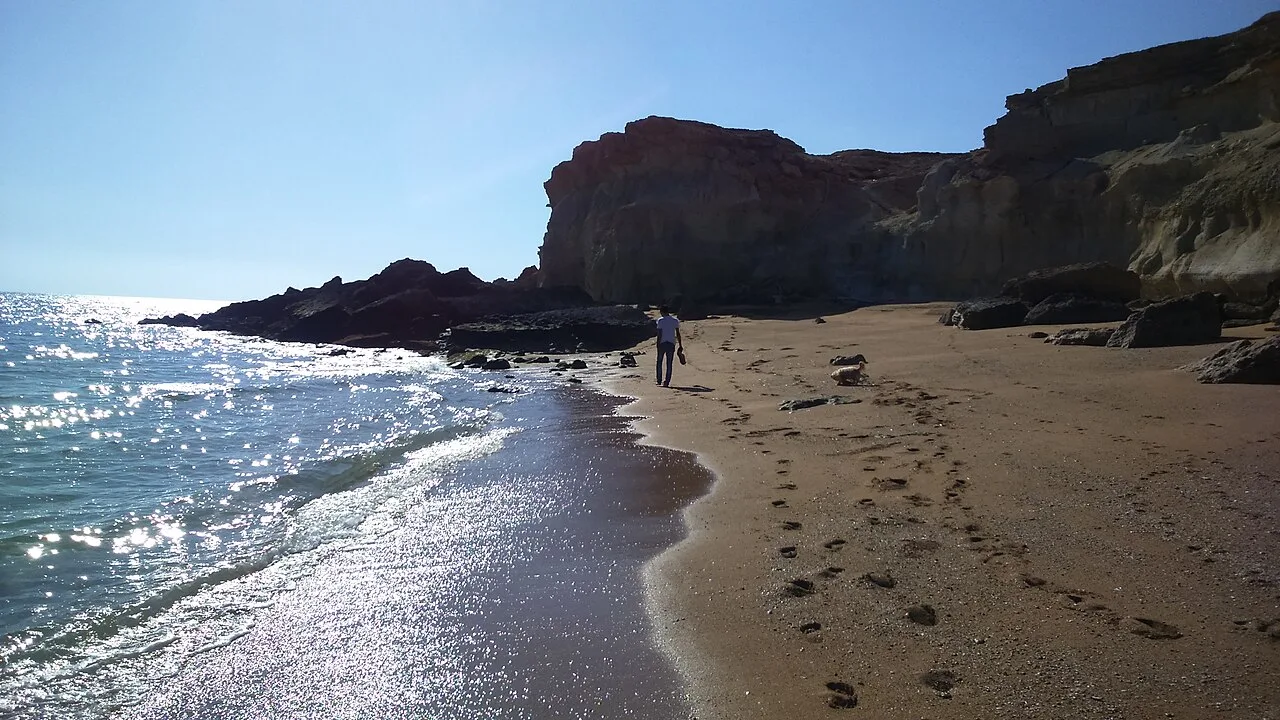
What did Iran's Revolutionary Guards claim?
Iran's Islamic Revolutionary Guard Corps said its Aerospace Force had shot down three US drones near the Strait of Hormuz on Monday. According to Iranian state broadcaster Press TV, the IRGC said two US MQM-170 reconnaissance drones were brought down south of Qeshm Island using electronic warfare systems, taking the total number of captured drones of that type to four. In a separate statement, the IRGC said its Aerospace Force had tracked and destroyed a US MQ-9 drone east of the Strait of Hormuz using a newly developed air defence system. The US military had not confirmed any of those claims in the reporting opened for this article, and they are published here as Iranian claims only, with no independent verification.
Why does a limited strike matter while talks continue?
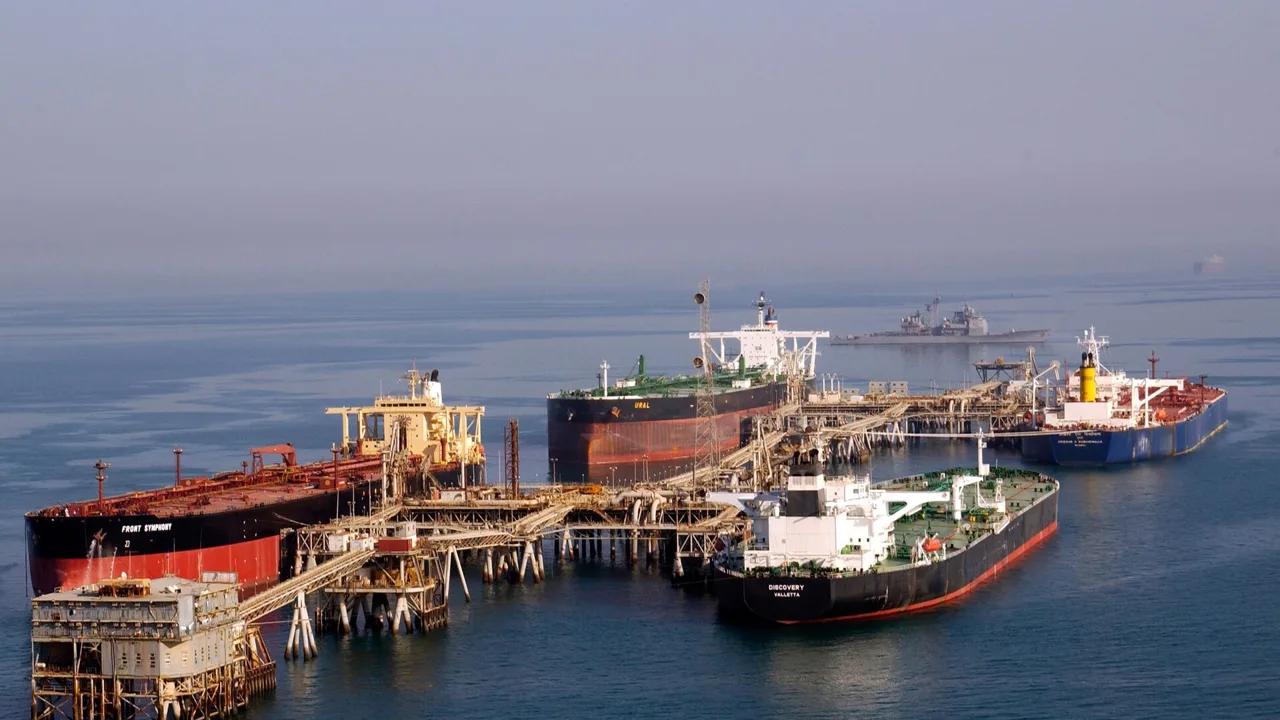
Because it landed on the same day Washington and Tehran were publicly talking about ending the war. Earlier on Monday, President Donald Trump raised doubts about whether he would follow through on a threatened resumption of military strikes against Iran and said a deal with Tehran could happen; asked by reporters if he was considering striking Iran after Tuesday's midterm elections, he replied "no." Tehran said on Monday that contacts between Iran and the United States to end their eight-month war were continuing through mediators, after days of Iranian talks with Qatari officials ended with altered proposals but no breakthrough. Iranian President Masoud Pezeshkian also said Supreme Leader Ayatollah Mojtaba Khamenei had granted the government certain authorities for the peace talks. The strait the island guards previously carried about a fifth of the world's crude oil and natural gas supplies, and traffic through it has been sharply reduced since the war began on February 28 — which is why a single reported strike on Qeshm moved oil prices in early Asian trade on Tuesday, after Brent had settled 7.63% lower on Monday — a plunge the Seoul Economic Daily reported was driven by expectations of progress toward a deal to end the hostilities between the United States and Iran.
This report is drawn from Reuters' November 3, 2026 reporting opened and read in full on reuters.com and via a verbatim Reuters carrier, and from Al Jazeera's reporting of IRNA's account, opened and read in full via The Hindu BusinessLine. The attribution of the strike to the United States rests on the Wall Street Journal's account, citing US officials; the IRGC's drone claims are unconfirmed. Both limitations are stated where the claims appear, per the two-source rule.