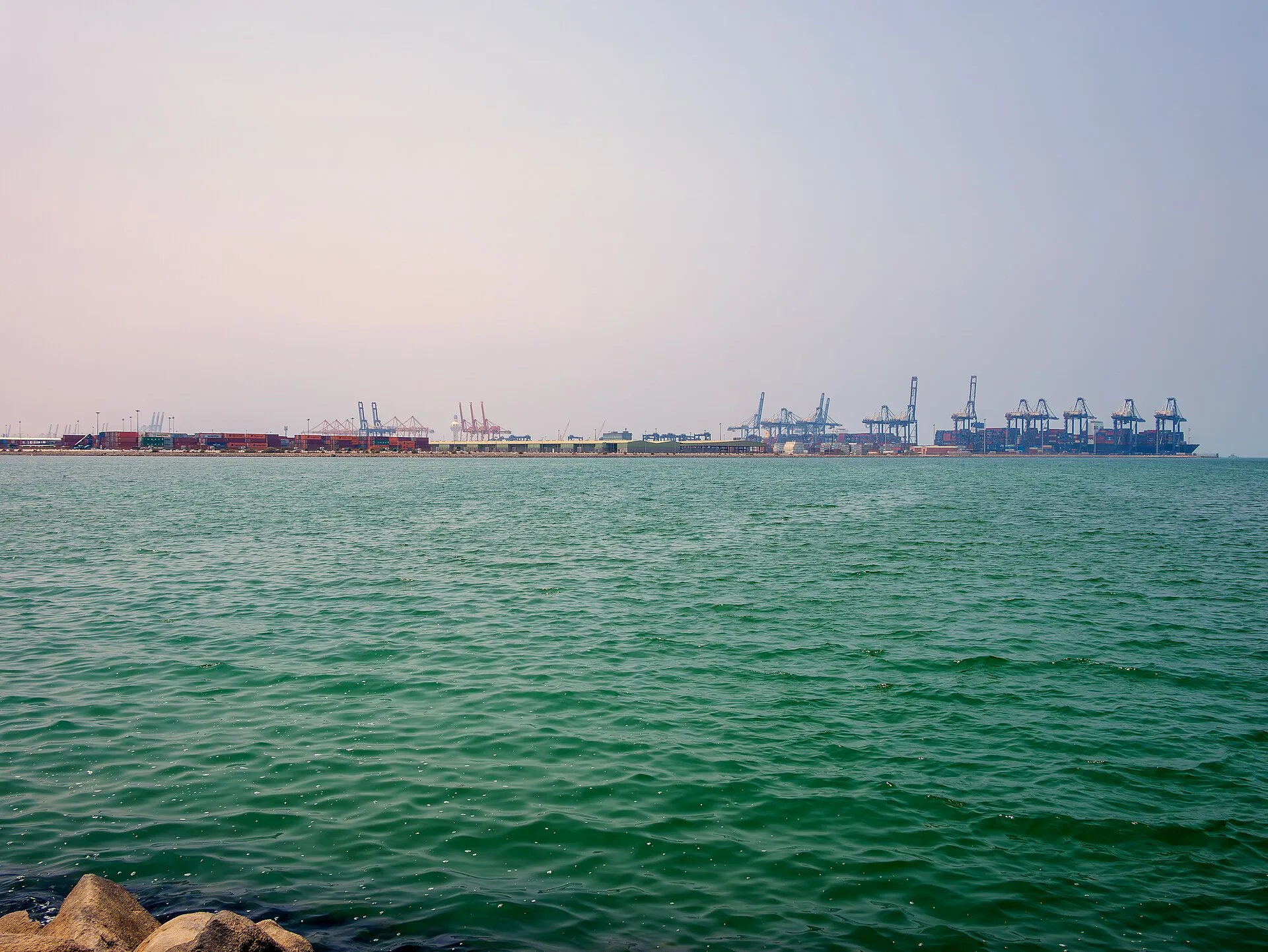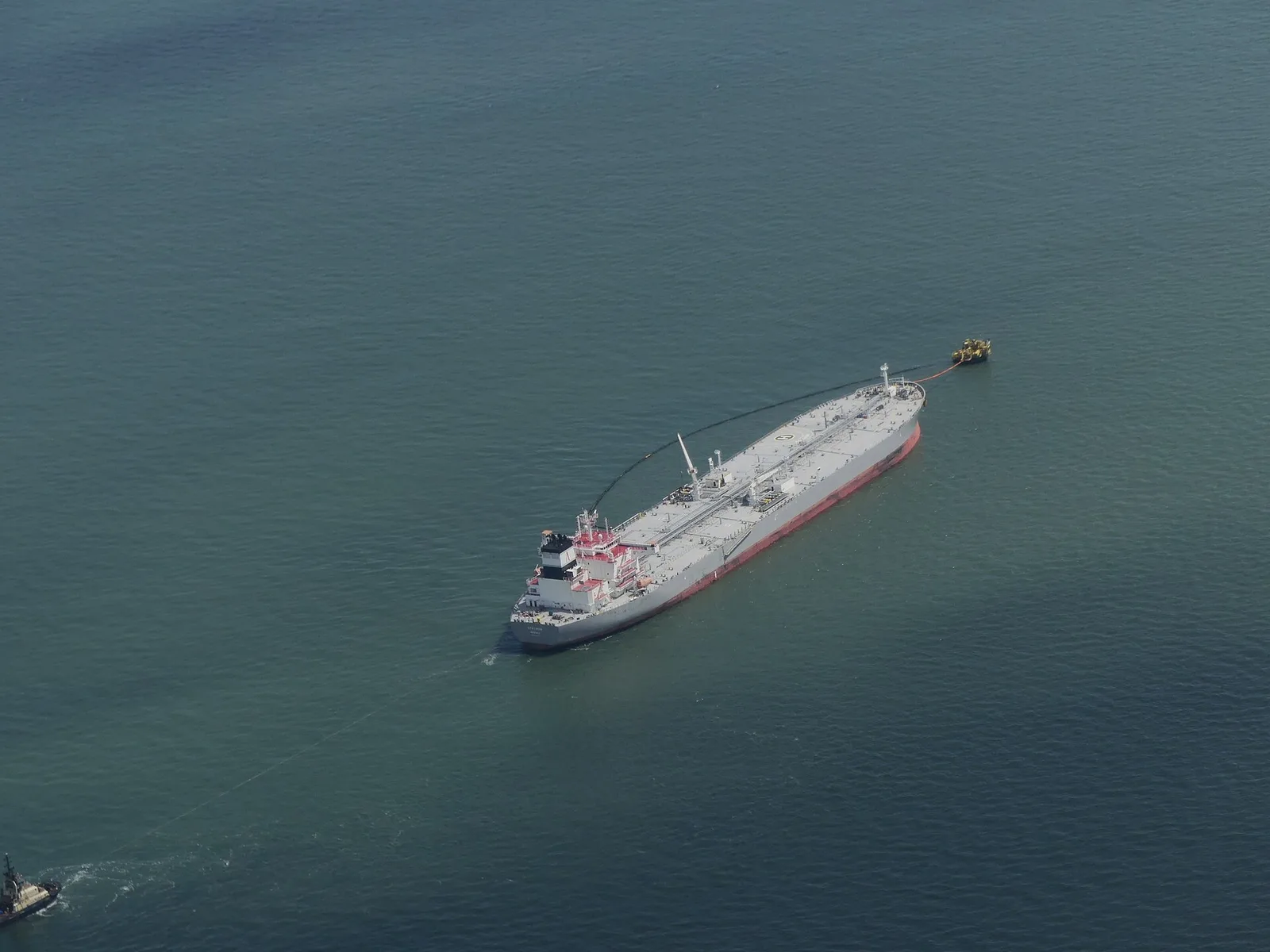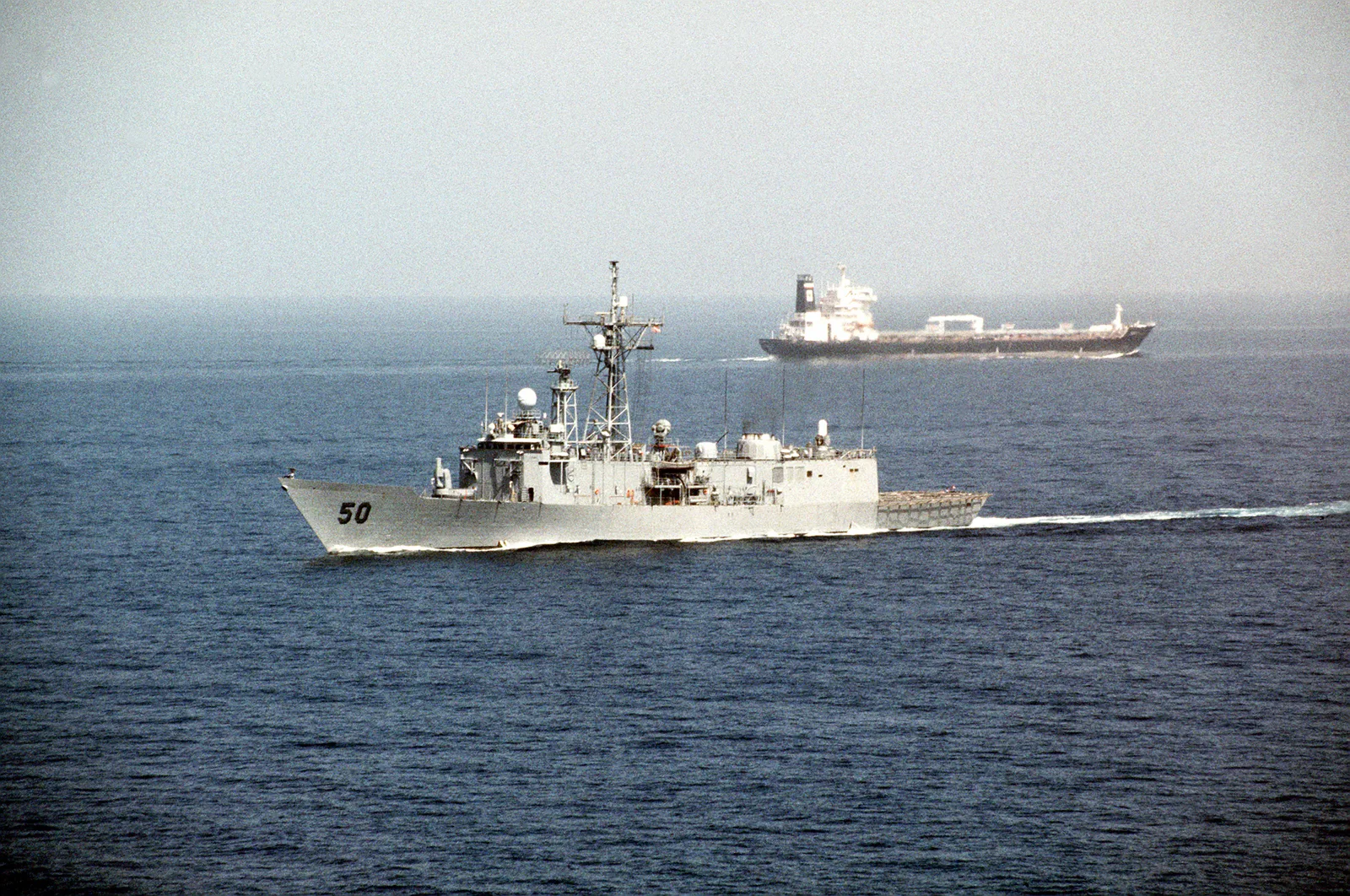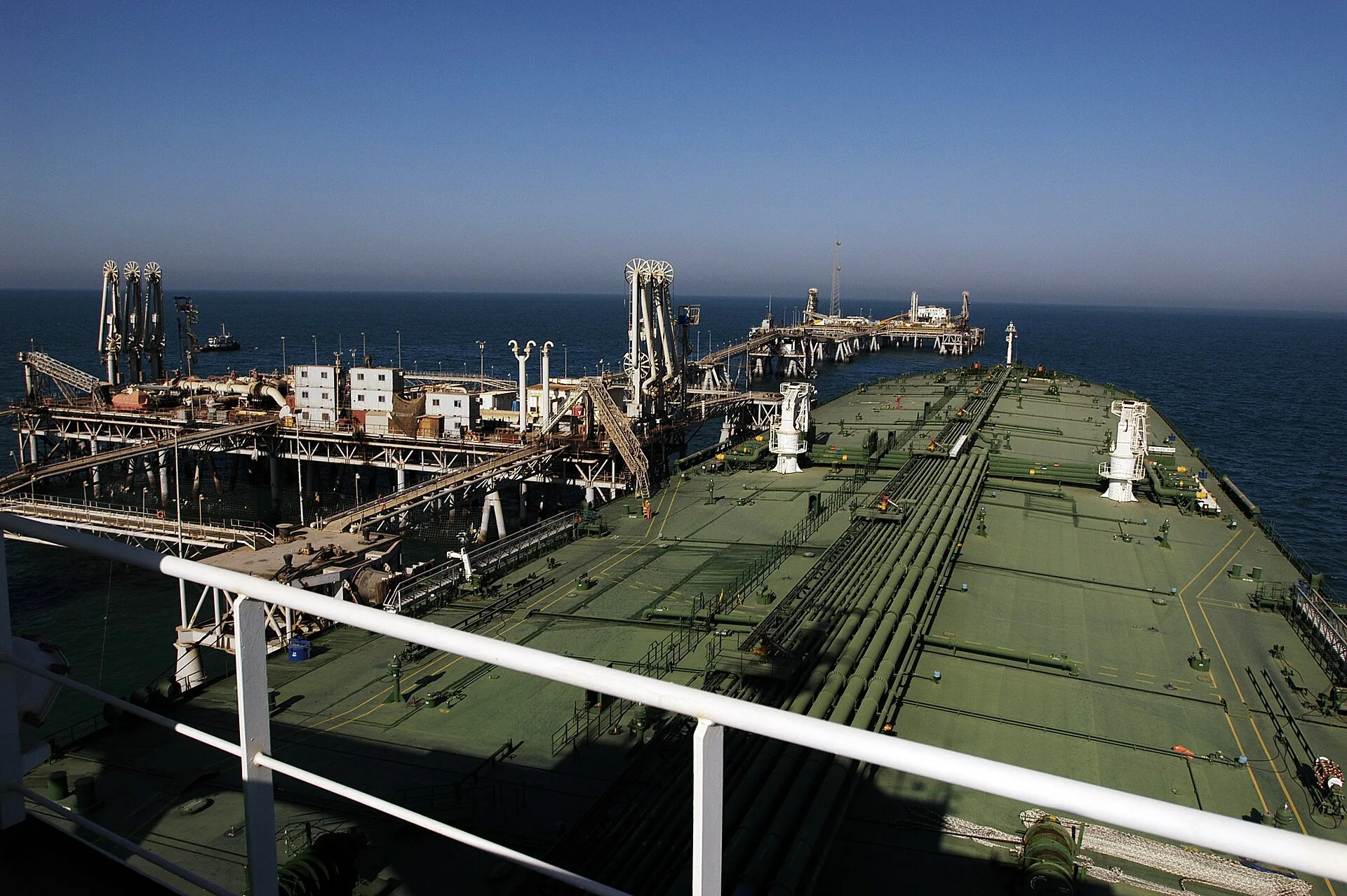
Oil prices are heading for a third weekly decline because crude shipments through the Strait of Hormuz have returned to roughly pre-war levels — the recovered flows, not the week's attacks, are what moved the market on Friday, Reuters reported. Brent crude was down 1% to $91.03 a barrel at 0900 GMT and on track for a 5% weekly fall; December WTI was down 1.7% to $81.81, on track for an almost 8% weekly drop, while the more active January contract was down 83 cents, or 1%, to $81.61. The Gulf war behind those flows is tracked on this site's Middle East hub, and the mechanics run through our explainer on how war moves oil prices. The figures below are Friday snapshots checked at publish time, not live prices, and nothing in this article is financial advice.
What moved oil prices on Friday?
Strong export flows out of the Middle East, on the market reporting Reuters carried. "This week we keep having relatively strong export flows out of the Middle East. There is also a narrative ongoing that as long as people are talking, maybe there's a deal in the making," said Aldo Spanjer, commodity strategist at BNP Paribas. The surplus expectation built on the Hormuz recovery outweighed the week's violence in Friday's trading: prices had edged up in early Asian hours — Brent rose 0.3% to $92.22 by 0118 GMT, with Rakuten Securities analyst Satoru Yoshida citing buying on the Houthi attacks on Riyadh — before the London dispatch recorded the market lower by 0900 GMT. Softness in broader equities also weighed, Saxo analysts said: "Supply disruptions remain a risk, but near-term demand concerns tied to the AI trade unwind and broader risk-off sentiment are weighing on prices."
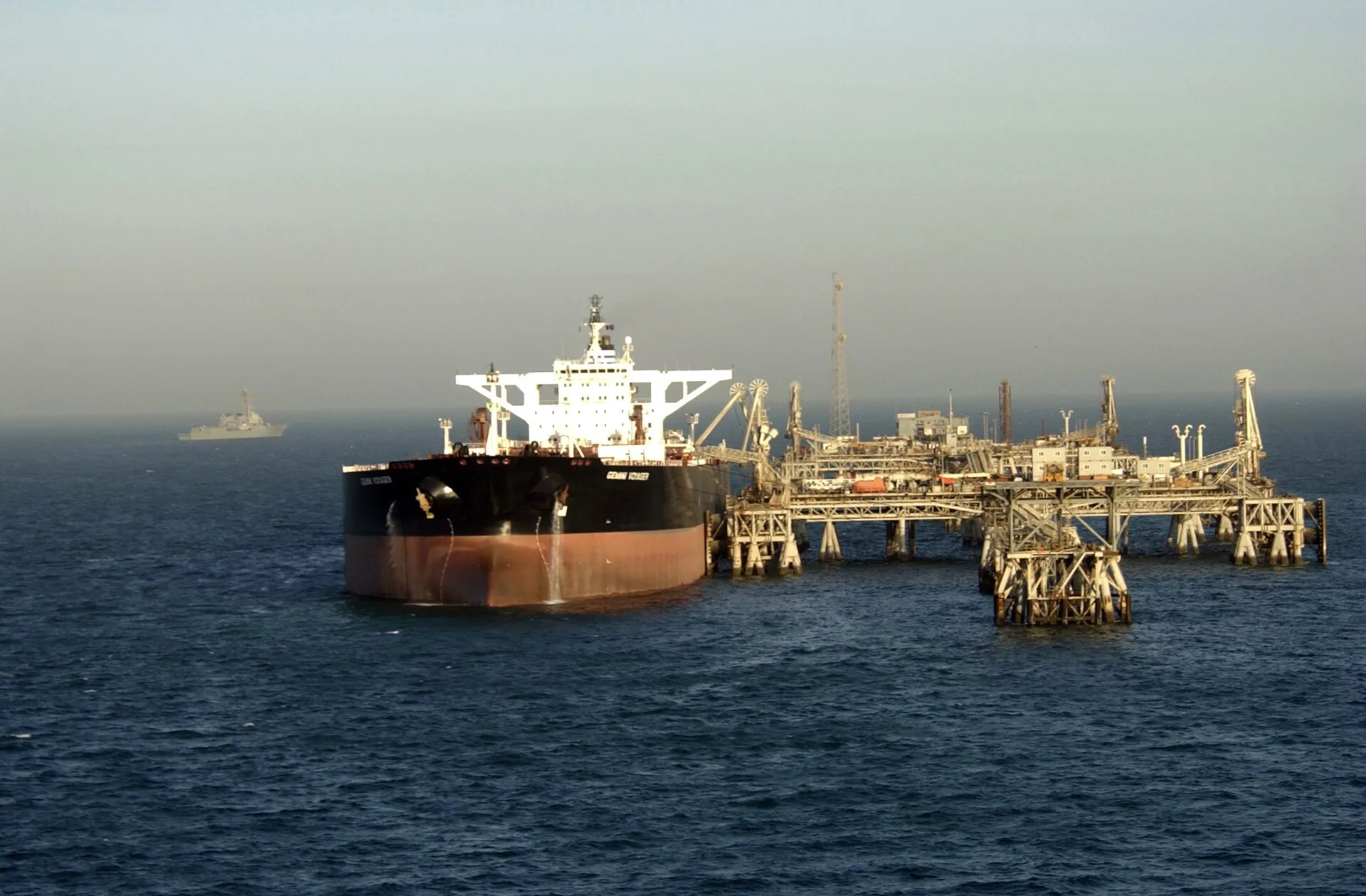
What is claimed about the tanker reports?
The tanker-mine report remains a claim, not a confirmed event. Two oil tankers hit naval mines in the Strait of Hormuz and "are burning", Iran's Revolutionary Guards Navy said in a statement carried by state media on Thursday — the same single-chain claim this site's breaking desk declined to publish as fact on Thursday night, because no second-tier source opened has confirmed it and the pattern of such claims is contested. What the market reporting does establish is the attacks' tempo and their price effect: Iran's intensifying attacks on tankers transiting the strait, "running at roughly one incident per day in November", still add a meaningful geopolitical risk premium, according to UOB Group analysts in a client note. Spanjer's caution ran the other way from Friday's price direction: "The prices are correct if you believe that this geopolitical risk doesn't come back. I'm not in that camp who thinks this is done… I probably see a rebound." That is an analyst's view, published as such; this site makes no price prediction.
Why does it matter beyond Friday?
It matters because two dated waypoints now frame the market: the OPEC+ meetings on November 29 and the IEA's long-demand warning. OPEC+ ministers will hold a series of meetings on November 29 to decide their 2027 output policy, with expectations that coordinated production cuts will continue providing some support, Yoshida said. And the conflict's longer shadow is demand itself: the Middle East conflict has caused the biggest disruption ever to global oil and gas trade and could cut world oil demand by more than 4% by 2035 if governments accelerate electrification, efficiency and fuel-switching in response, the International Energy Agency said on Thursday. In Russia, crude output could fall again as Ukrainian attacks on refineries and export infrastructure intensify, analysts and traders say — the same campaign that has cut Russian refining by 45% since late October.
Sources: Reuters (20 November 2026, two dispatches read in full — the London report by Anna Hirtenstein via the rostered wtbx.com verbatim carrier, updated 09:28 UTC, and the early-Asia report read on reuters.com). Price figures are market snapshots reported by one Tier 1 wire at two timestamps (0118 GMT and 0900 GMT); prices are non-contested data points, and both timestamps are carried so the intraday turn is visible rather than smoothed. The weekly-decline percentages are Reuters' calculations as reported. The tanker-mine report is published only as the IRGC Navy's claim via state media, with its single-chain status stated, consistent with this site's earlier handling of the same claim. Analyst views (Spanjer/BNP Paribas, Yoshida/Rakuten Securities, UOB Group, Saxo) are published as their views. The IEA demand figure is the agency's conditional assessment as reported by Reuters.