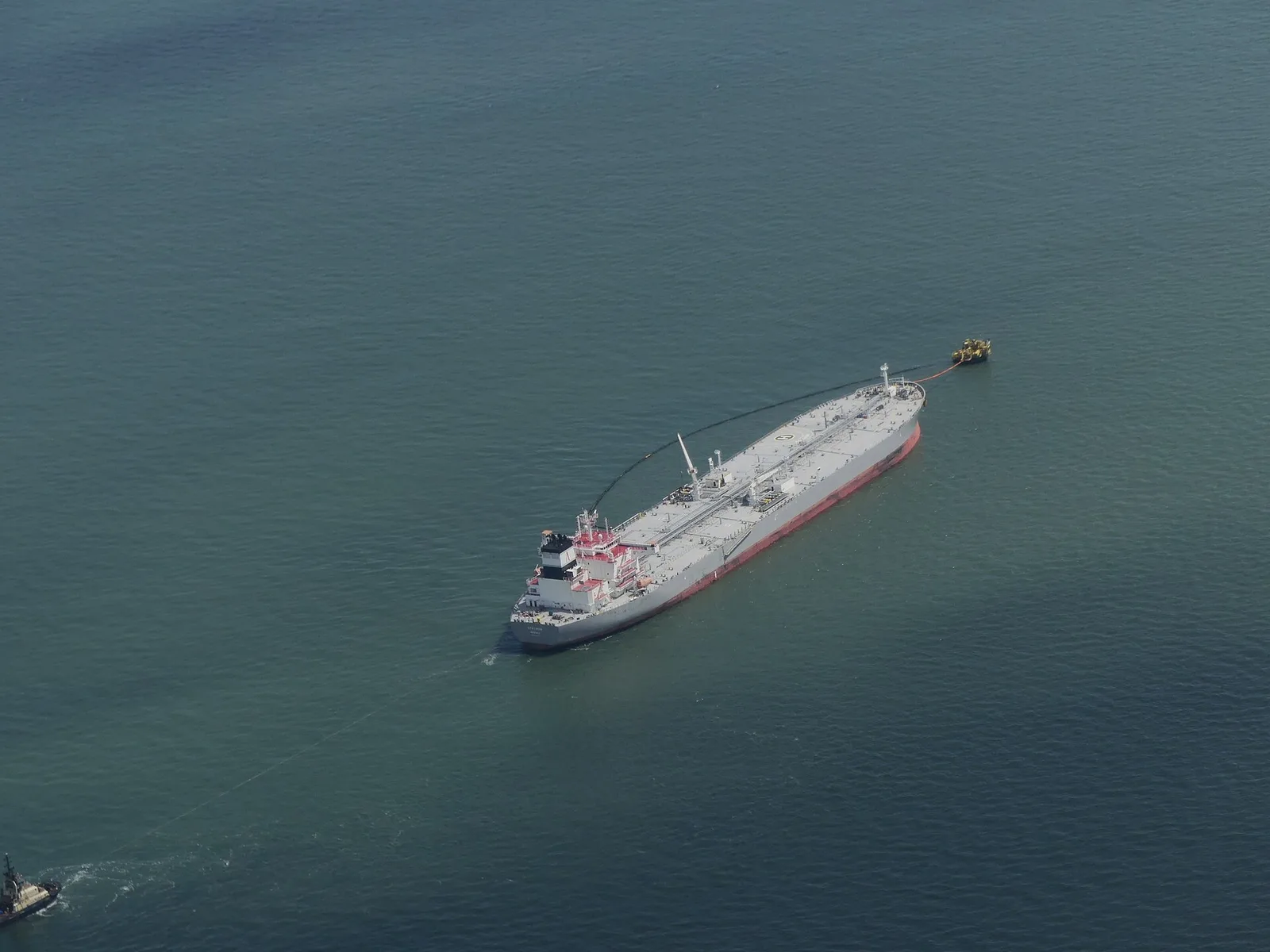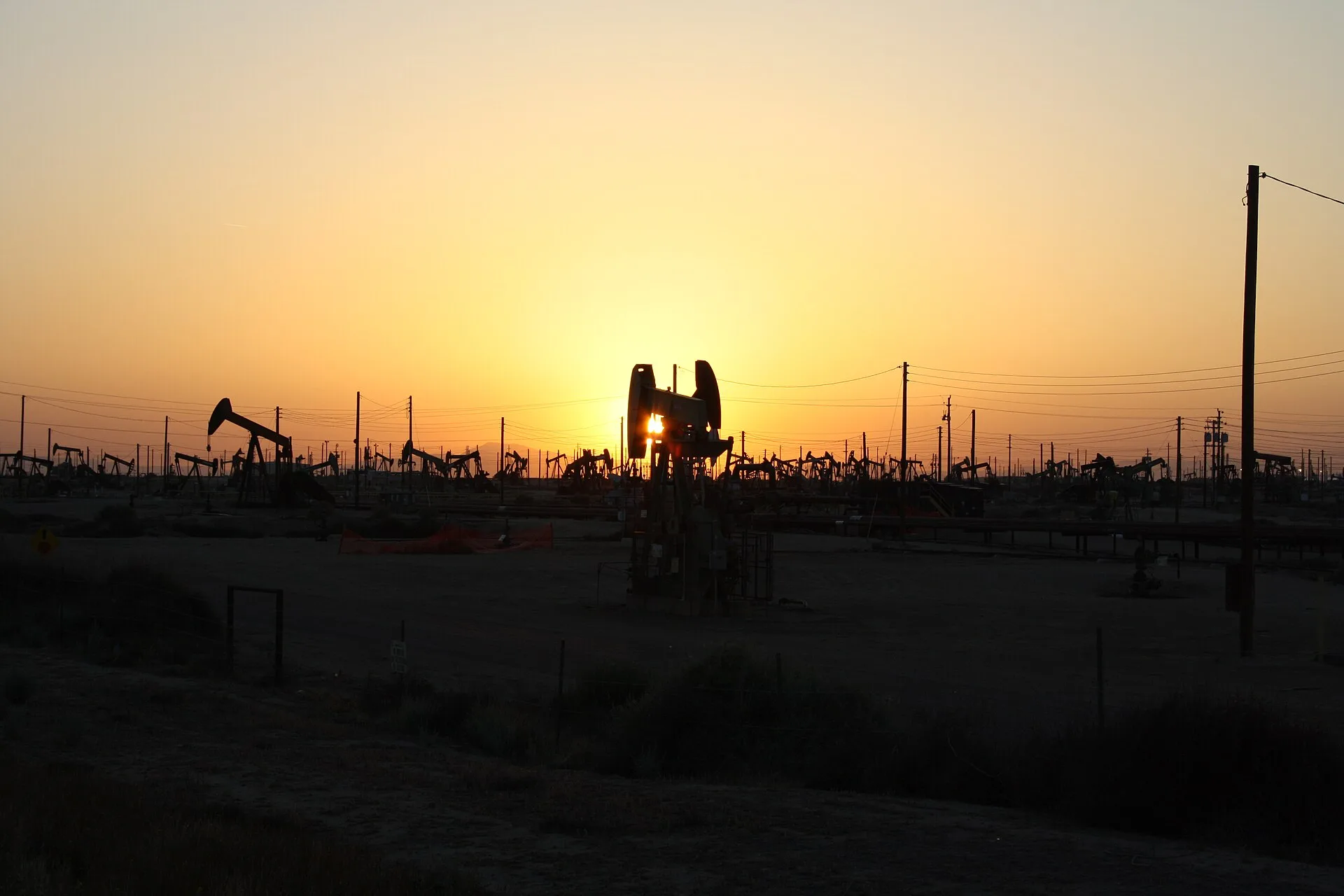
Oil is moving through the Strait of Hormuz again: crude exports through the strait averaged 10.3 million barrels a day in October, up from virtually zero in the first month of the war, according to Kpler data cited in a Reuters column by Ron Bousso on November 9. The recovery — three quarters of the way back to the pre-war average of 13.5 million barrels a day — has flipped the market's problem. With supply restored faster than demand, Gulf producers have begun cutting prices against each other, and Bousso's column argues that a post-conflict glut is now the story to watch. This article reports the column's data and framing as Reuters' analysis; the underlying figures are attributed to the data providers the column cites. For the mechanics of why this strait moves world prices, see how war moves oil prices and the Hormuz explainer.
How did Hormuz oil flows recover while attacks continue?
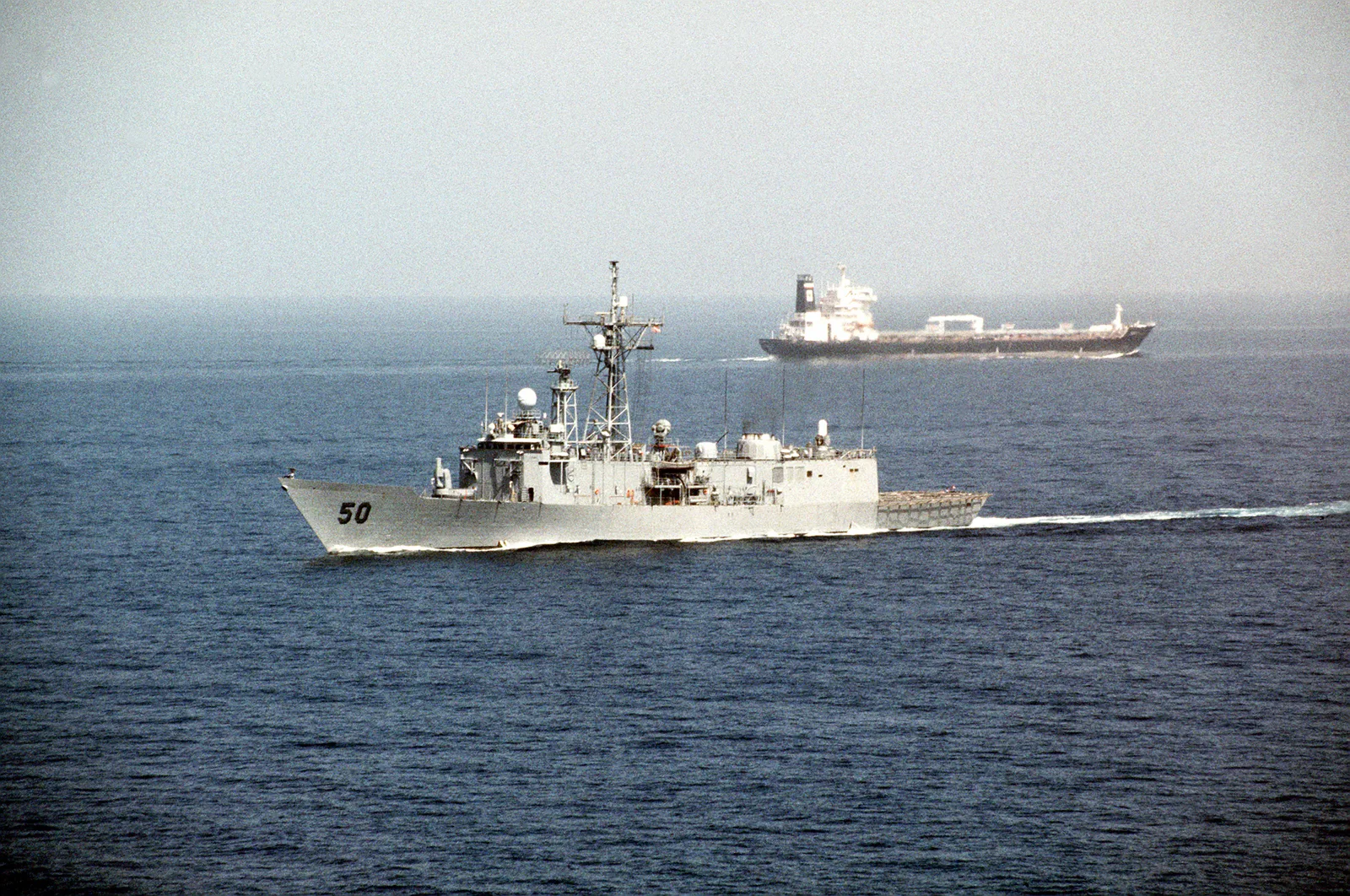
By convoy. Flows recovered from September as the US Navy stepped up protected tanker convoys through the strait, Reuters reported — even though Iranian attacks on shipping near Hormuz continue on a near-daily basis despite the escorts. The rest of the gap was closed around the strait rather than through it: ship-to-ship transfers in the Gulf of Oman and the bypass outlets at Yanbu, on Saudi Arabia's Red Sea coast, and Fujairah, in the Emirates, brought total regional crude exports to 16.6 million barrels a day, close to the pre-war 17 million. The cost of moving the oil has not normalised: tanker freight still runs at roughly $30 a barrel against about $5 before the war, a premium that comes straight out of producers' margins and helps explain the fight for buyers described below.

Why are Gulf producers starting a price war?
Because the barrels came back into a market that shrank while they were gone. Global crude production reached 85 million barrels a day in October — the highest since the war began, and above the five-year average of 83 million, according to Energy Aspects data cited by Reuters — while JPMorgan estimates that global oil consumption has fallen by about 3.3 million barrels a day since the war began, the column reported. Global refining capacity has also declined significantly, damaged in the Middle East and by Ukrainian strikes on Russian energy infrastructure, which caps how much crude buyers can process.
Saudi Arabia fired the clearest shot: it cut the price of its Arab Light crude for Asian customers by $2 a barrel for December, taking its discount to the Oman/Dubai average to $6.50 a barrel — the lowest since May 2020, in the depths of the pandemic demand collapse. The Oman spot premium tells the same story in fast motion: $34 a barrel in mid-September, when every cargo was scarce, down to $0.95 last Tuesday and $1.76 on Thursday. Bousso's column frames the sequence as a price war heralding a post-conflict glut — his characterisation, offered here as a Reuters columnist's analysis — and notes one reason the glut has not already crashed prices: inventories were run down during the closure, and a backwardated market makes storing oil uneconomical, so the surplus has nowhere obvious to hide.

What did prices do on Monday?
Brent crude was down 64 cents, or 0.64%, at $97.67 a barrel by 1134 GMT on Monday, November 9, and WTI was down 35 cents, or 0.40%, at $90.51, in a Reuters market snapshot that framed the move on President Trump signalling that fresh US strikes on Iran were unlikely if talks progressed; Brent briefly fell more than $1 during the session. The calmer Monday followed a violent week: Brent fell more than 17% last week to around $97, its steepest weekly decline since the 2020 pandemic, after the Republican rout in the US midterm elections raised expectations of de-escalation, the Reuters column reported. Monday also brought a reminder that the physical war has not paused for the diplomacy: an Aramco office tower in Riyadh was damaged in a Houthi attack on Sunday, reported in today's situation report — a story the market, on the Reuters snapshot's evidence, took in its stride.
Sources: Reuters column by Ron Bousso (9 November 2026, read in full on reuters.com; flow data from Kpler, production data from Energy Aspects and the demand estimate from JPMorgan, each as cited inside the column; the glut and price-war framing is the columnist's analysis and is labelled as such); Reuters market snapshot (9 November 2026, read in full via BusinessToday, which carries Reuters copy verbatim). Figures are as reported at the times stamped in the text; nothing here is investment advice, and no market move is attributed to a cause beyond what the cited sources themselves reported.