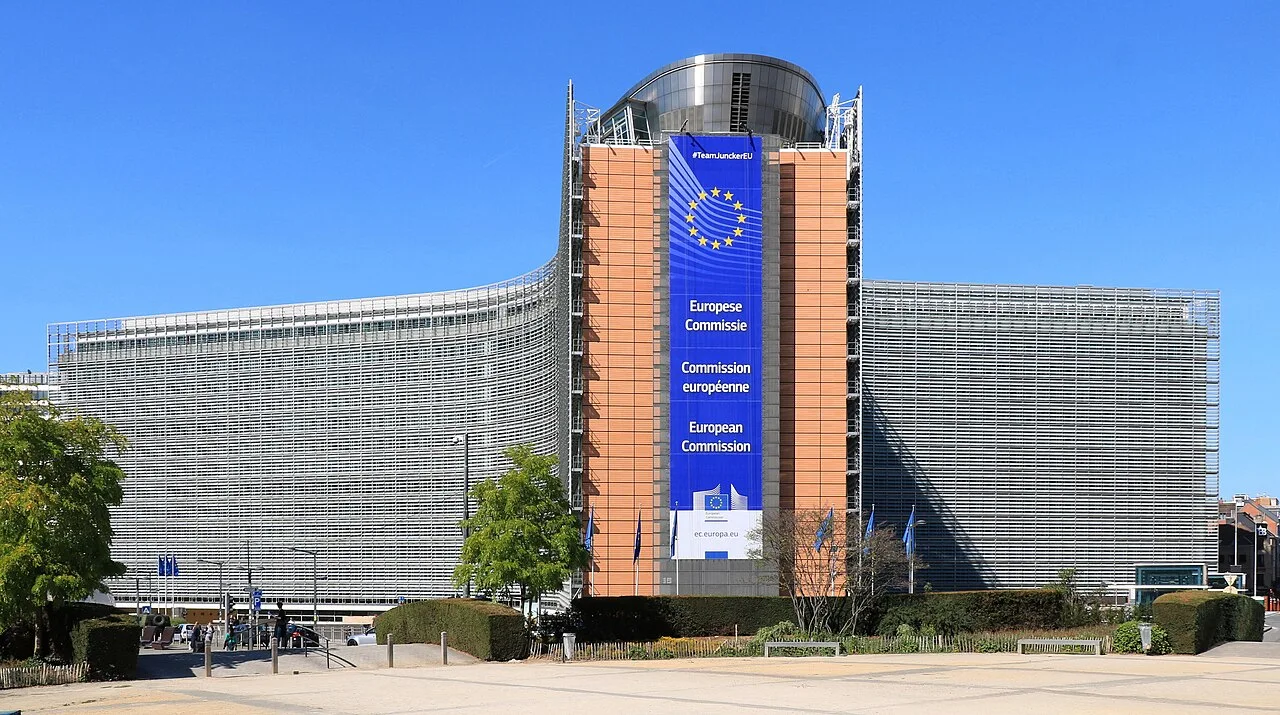
The European Commission proposed its 22nd package of sanctions against Russia on Monday, extending the EU transaction ban to some 60 more Russian banks — all to be removed from the SWIFT payments system — and expanding the energy-services ban to electricity services for the first time. Commission President Ursula von der Leyen presented the package in a statement on Monday, saying its aim is "to keep pressure on Russia to end their war of aggression in Ukraine". The war is tracked on this site's Ukraine hub, and its background is set out in our Ukraine war explainer. The package is a proposal, not law: EU sanctions require unanimity among member states to be adopted, Reuters reported.
What we know
The financial measures are the package's core, on the Commission's own account. "We are extending the transaction ban to some 60 Russian banks. All 60 banks will be removed from the SWIFT system. And we are cracking down on the crypto and payment networks," von der Leyen said. The crackdown extends beyond Russia: "We will focus on Russia but also include third countries that help Russia to evade our sanctions. This is a major focus of our new package." A Crypto Sanctions Task Force has been launched to support that work, she said. Reuters noted that Kyrgyzstan was the first country hit by the EU's anti-circumvention tool this year, for facilitating circumvention through its banks and cryptocurrency companies.
On energy, the Commission proposes expanding the existing services ban so that no European company can help Russia build, operate or repair its energy infrastructure, "notably its refineries" — and, for the first time, the ban would also cover electricity services. On the shadow fleet — the ageing, opaquely owned tankers Russia uses to move oil around Western restrictions — the package lists over 70 more ships and proposes banning all tanker vessels insured in Russia.
Two further elements widen the package beyond finance and energy. The Commission proposes a visa ban for Russian ex-combatants: von der Leyen linked it to what she called an escalation in "non-conventional kinetic activities of Russian operatives in Europe", said ex-combatants "pose a security risk to Europe", and said entry into the EU "will be off limits". Reuters reported the Commission is proposing a way to implement that ban, which was agreed pending feasibility in the previous package. And Europeans would be prohibited from continuing to occupy posts in the governing bodies of companies in Russia.
What is claimed
The sports and culture measures rest on the Commission's stated rationale. "Sports events cannot be a forum for propaganda activities," von der Leyen said. "Today, for any sports events in the EU, we are introducing bans on Russian teams and athletes competing under the Russian flag. We propose to ban the display of official Russian symbols." The package would also restrict financial flows from Russian sponsors to European-based sports and cultural associations and restrict Russians holding posts in the governing bodies of European-based sports federations, she said. The Commission's closing claim for the package as a whole was political: "Our position is clear: we are giving Ukraine the strength to secure peace – and Russia every reason to choose it." No Russian response to Monday's proposal appears in the sources opened for this article.
What is unverified
The package's final shape is not established. It has been proposed, not adopted: adoption requires unanimity from EU countries, Reuters reported, and neither the Commission statement nor the Reuters report opened on Monday announced a vote date or said whether any member state objects. The figures in the package — "some 60" banks, "over 70" ships — are the Commission's own numbers for a proposal whose annexes were not published in the material opened, so the named banks and vessels cannot be listed from Monday's sources. Whether the measures, if adopted, measurably reduce Russia's war financing is likewise not something Monday's statements establish; the Commission presented intent and instruments, not effects.
Sources: Reuters (23 November 2026, Tier 1, read in full via the rostered wtbx.com verbatim carrier) for the proposal, the unanimity requirement, the ex-combatant implementation route, the Kyrgyzstan anti-circumvention precedent and the electricity-companies first; and the European Commission's own statement by President von der Leyen (23 November 2026, primary source, read in full) for every element and quotation of the package itself. The package's contents are document contents published by their author and are reported as proposed, not adopted; no market snapshot is carried, because no source opened reported a market move tied to Monday's proposal.