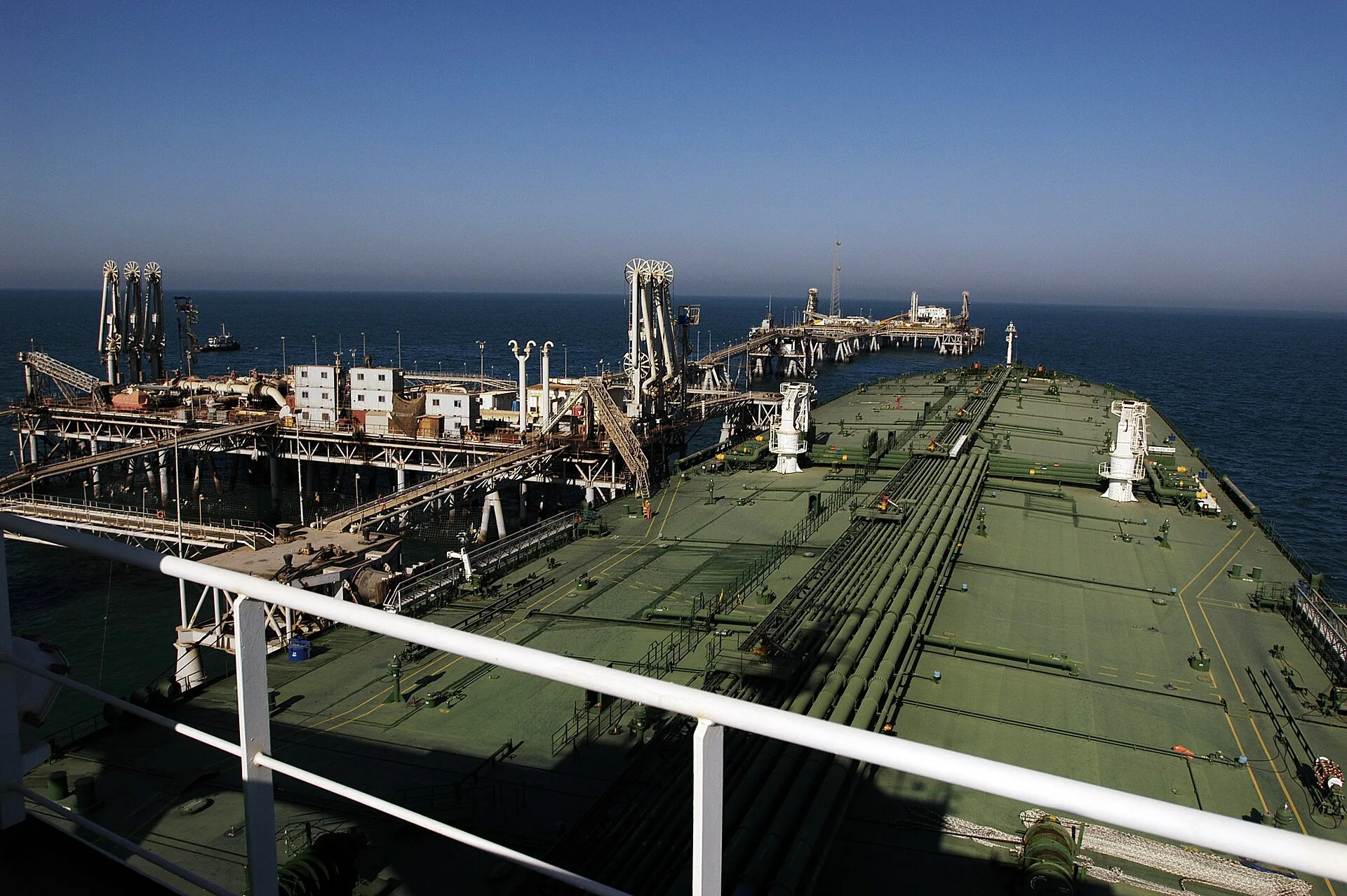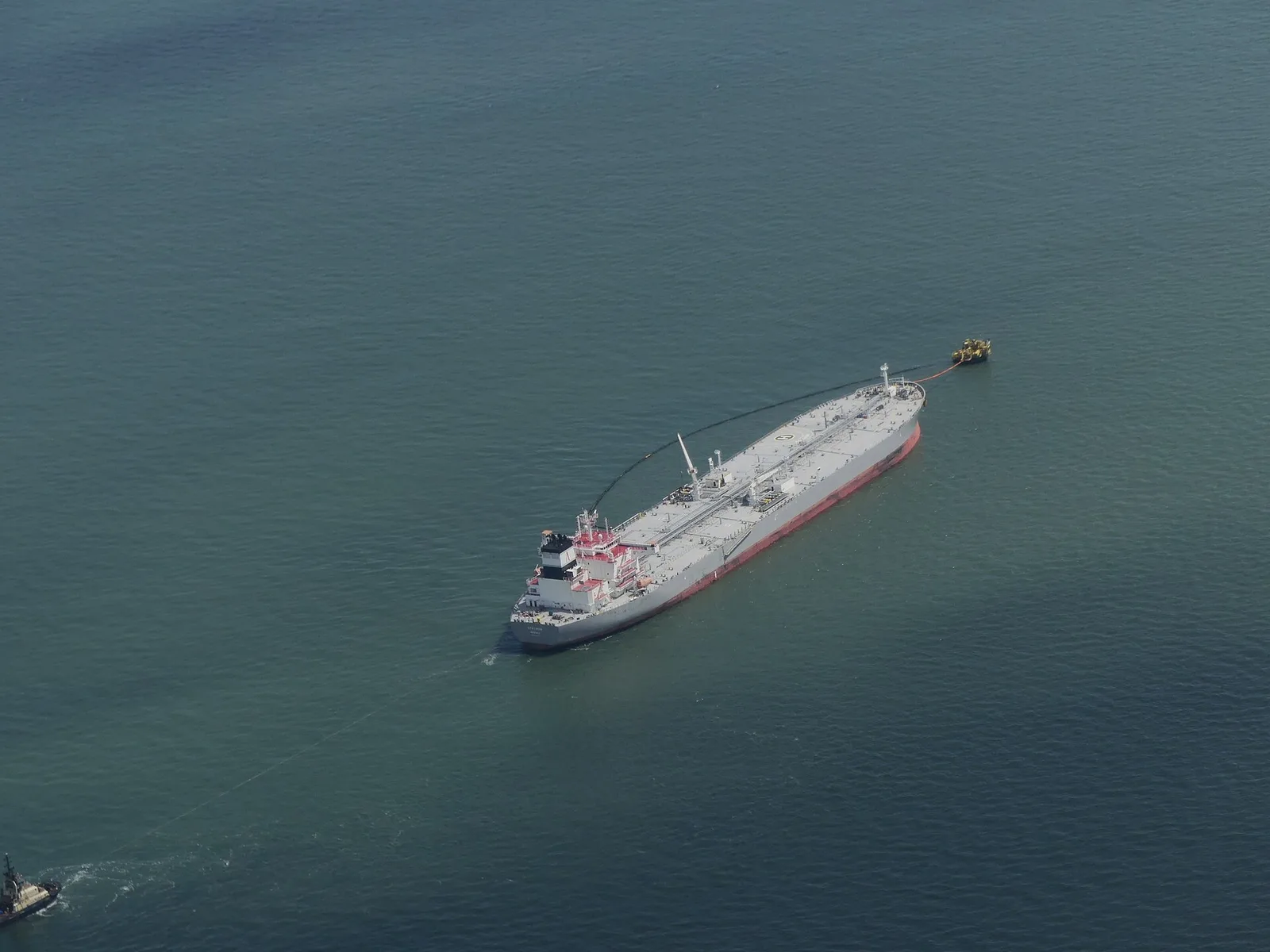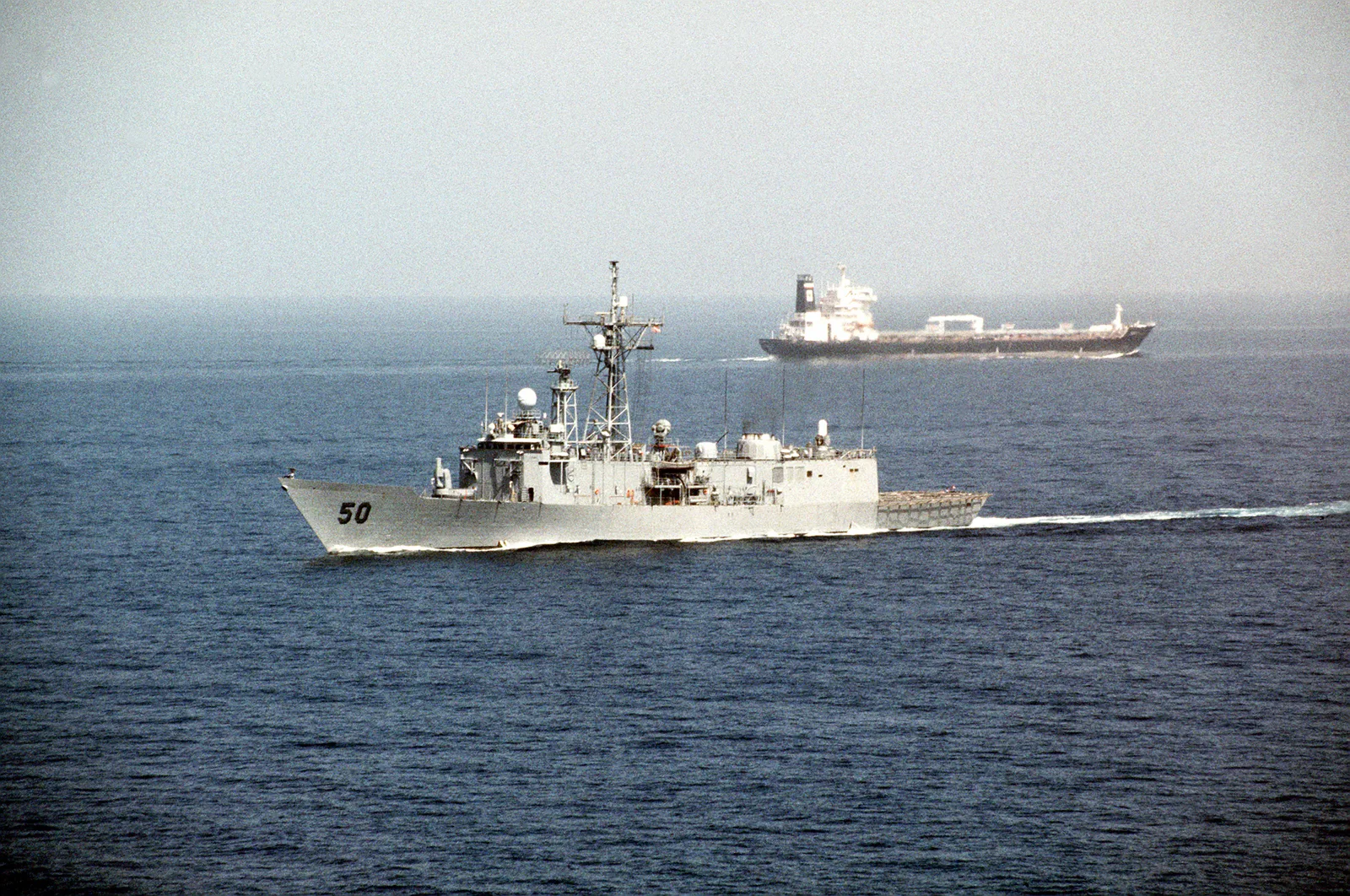
This week's war impact on markets was a market that looked through the fighting to the flows: Brent crude settled up 59 cents, or 0.64%, on Friday, November 20, 2026, at $92.57 a barrel, but closed near 4% lower on the week, and December West Texas Intermediate finished up 77 cents, or 0.93%, at $83.98, down 5% on the week — a third straight weekly decline for both benchmarks, Reuters reported, because crude shipments through the Strait of Hormuz have returned to roughly pre-war levels. The week's escalation was real — Houthi missiles fired at Riyadh on Thursday, a Saudi-led coalition strike on Yemen's Hodeidah port on Friday, Russia's largest strike on Kyiv's Dnipro bridges, and Ukrainian drone attacks that have cut Russian refining by 45% since late October — yet the assets that moved most were not the war trades: gold fell 9.38% to its lowest settlement since August 2025, the S&P 500 lost 8.61% and entered a correction, and defense stocks fell between about 3% and 5%, less than the index they are meant to hedge. Figures below were checked Friday, November 20, 2026, at 4:20 PM Central Time — snapshots, not live prices, and not financial advice.
Why did oil fall for a third straight week?
Because the oil kept moving. "This week we keep having relatively strong export flows out of the Middle East. There is also a narrative ongoing that as long as people are talking, maybe there's a deal in the making," Aldo Spanjer, commodity strategist at BNP Paribas, told Reuters; expectations of a supply surplus grew on the recovered Hormuz shipments, and crude futures fell for a third straight week as increasing supply out of the Middle East outweighed concerns about continuing strikes across the region, the Wall Street Journal reported. Friday's settlement gain was a different trade: oil gained late as worries about possible attacks in the US-Israeli war with Iran may be renewed and traders bought ahead of next week's Thanksgiving holiday, Reuters reported from Houston. "The word around the market is the U.S. military position is robust and on a hair trigger," said John Kilduff of Again Capital; "buying ahead of the holiday was also definitely part of it, but not as strong as Iran worries." The risk premium has not vanished: Iran's intensifying attacks on tankers transiting the strait, "running at roughly one incident per day in November," still add a meaningful geopolitical risk premium, UOB Group analysts said in a client note carried by Reuters. Two dated waypoints frame next week: OPEC+ ministers meet on November 29 to decide 2027 output policy, and the International Energy Agency said Thursday that the Middle East conflict has caused the biggest disruption ever to global oil and gas trade and could cut world oil demand by more than 4% by 2035 if governments accelerate their response.
What happened in energy beyond crude?
US natural gas rose on the week even as crude fell. Henry Hub front-month futures closed at $3.47 per MMBtu on Friday, up 20 cents on the day and up from $3.23 last Friday — a weekly gain of about 7% in the Fuel Data Portal delayed-futures series. The war's gas channel runs through the same strait: "Resilient flows through the Strait of Hormuz remain the story for energy markets broadly, extending to LNG recently," Walt Chancellor of Macquarie Group said in a note carried by the Wall Street Journal, adding that persistence of the status quo — the Iran blockade and convoys through the strait — could keep pressure on oil markets, while "we cannot altogether dismiss the potential for escalation." The reporting opened for this briefing attributed no single cause to Friday's gas gain, and none is claimed here.
How did defense stocks perform this week?
They fell with the market, but materially less than it. Lockheed Martin closed at $565.50, down 1.11% on Friday and down from $596.04 last Friday — a weekly fall of about 5%, per Finnhub. RTX closed at $190.17, down 1.69% on Friday and about 4% below last Friday's $198.58. Northrop Grumman closed at $534.31, down 1.48% on Friday and about 3% below last Friday's $550.43, the smallest weekly fall of the three. MarketWatch's Friday close reports described all three as falling on "an all-around poor" and "dismal" session for the broader market rather than on any company or contract news, and the reporting opened for this briefing attributed no defense move to a specific conflict headline: the week's war news — the Kyiv bridge strikes, the Hodeidah operation, Ukraine's refinery campaign — ran alongside the decline rather than driving it in any source opened.
What happened to gold and the safe havens?
Gold fell for reasons that had little to do with the battlefield, for a second week in a row — and much harder. Front-month COMEX gold settled at $3,521.60 an ounce on Friday, down $163.90, or 4.45%, on the day and down 9.38% from last Friday's $3,886.30 settlement, per COMEX settlement data; the week of November 16–20 was the weakest of November, the intraday low of $3,502.90 was the lowest price since September 2025, and Friday's close was the lowest settlement since August 29, 2025. Gold fell in European trading on Friday, extending heavy losses to a fresh 14-month low under pressure from elevated US interest-rate expectations and the continued strength of the US dollar, LiteFinance reported: Philadelphia Fed President Anna Paulson indicated rates would need to rise further to contain inflation, remarks that reinforced expectations of a 25-basis-point December increase after Wednesday's hawkish Federal Reserve minutes, and the dollar remained on course for a fourth consecutive weekly gain, near its highest since April 2025. The classic haven bid did appear elsewhere: the 10-year Treasury yield fell 14 basis points on Friday to 4.91% as prices rose, and the VIX volatility index ended at 35.9, per Globicus' Yahoo Finance-based wrap — safety was bought in bonds and volatility, not in gold, in a week when the metal's own rate headwind was the stronger force.

How did food and shipping markets move?
Wheat fell on the week. December Chicago soft red winter wheat settled at $5.74¼ a bushel on Friday, down 4 cents on the day and down from $5.93¼ last Friday — a weekly fall of about 3%, per Brownfield's closing futures report. The war's Black Sea channel stayed in the background of that move: Ukraine's strikes on the Crimean Bridge this week strained the Russian logistics corridor across the Kerch Strait, as this site reported Friday, while the recovered Hormuz flows that weighed on crude also kept Gulf grain and fertilizer routes moving.
Shipping is where the week's escalation concentrated. On Friday the Iran-aligned Houthi movement warned workers and people near Saudi Arabia's Red Sea ports to evacuate immediately and urged shipping companies to remove vessels, saying they would target Saudi ports in Jeddah and the Red Sea if a Saudi-led coalition strikes Yemen's Hodeidah port, Reuters reported; the coalition did strike Hodeidah's operational capabilities on Friday, as this site's breaking report documented, and the Houthis had fired missiles at Riyadh on Thursday. In the strait itself, two oil tankers hit naval mines and "are burning," Iran's Revolutionary Guards Navy said in a statement carried by state media on Thursday — a claim published here as a claim, consistent with this site's earlier handling, because no second-tier source opened has confirmed it. What the market reporting establishes is the tempo and its price effect: roughly one tanker incident a day in November, and a risk premium that UOB Group says remains meaningful even as the cargoes, on the week's evidence, keep getting through.
What happened to the broader stock market?
US equities had their worst week of the war. The S&P 500 closed at 6,910.39 on Friday, down 265.44 points, or 3.70%, on the day and down 8.61% on the week; the Nasdaq Composite fell 5.28% on Friday to 22,618 and 10.02% on the week, and the Dow Jones Industrial Average fell 949.73 points, or 1.93%, to 48,147.33, down 8.02% on the week, per Globicus' wrap of Yahoo Finance data. Friday was the index's seventh straight loss — its longest losing streak since February 2020 — and the close left it 10% below its record, the standard definition of a correction, in reporting carried by Reuters. The proximate driver in that reporting was corporate, not geopolitical: chip stocks fell after a Reuters report that SEC enforcement staff are examining potential accounting issues at Nvidia, extending a tech-led selloff that had already made Asian shares fall on Friday toward their worst week since 2020. The war's footprint in the index ran through the energy complex and the defense names' relative resilience rather than the headline level: stocks fell 8.6% in the week oil completed its third straight decline.
War & Markets publishes weekly. Figures are snapshots checked at the time shown above — not live prices, and not financial advice. Nothing here is a recommendation to buy, sell, or hold any security or commodity.