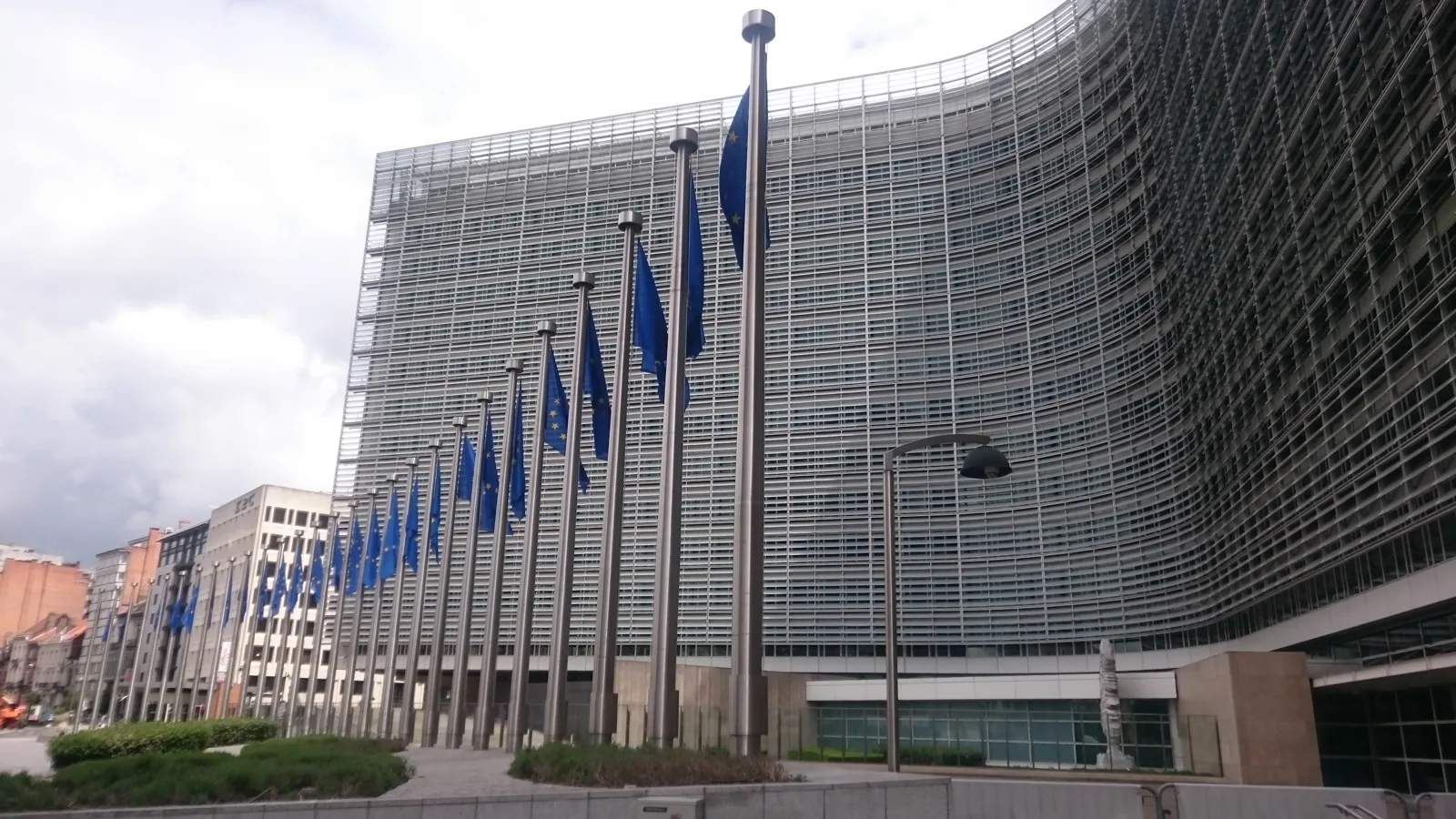
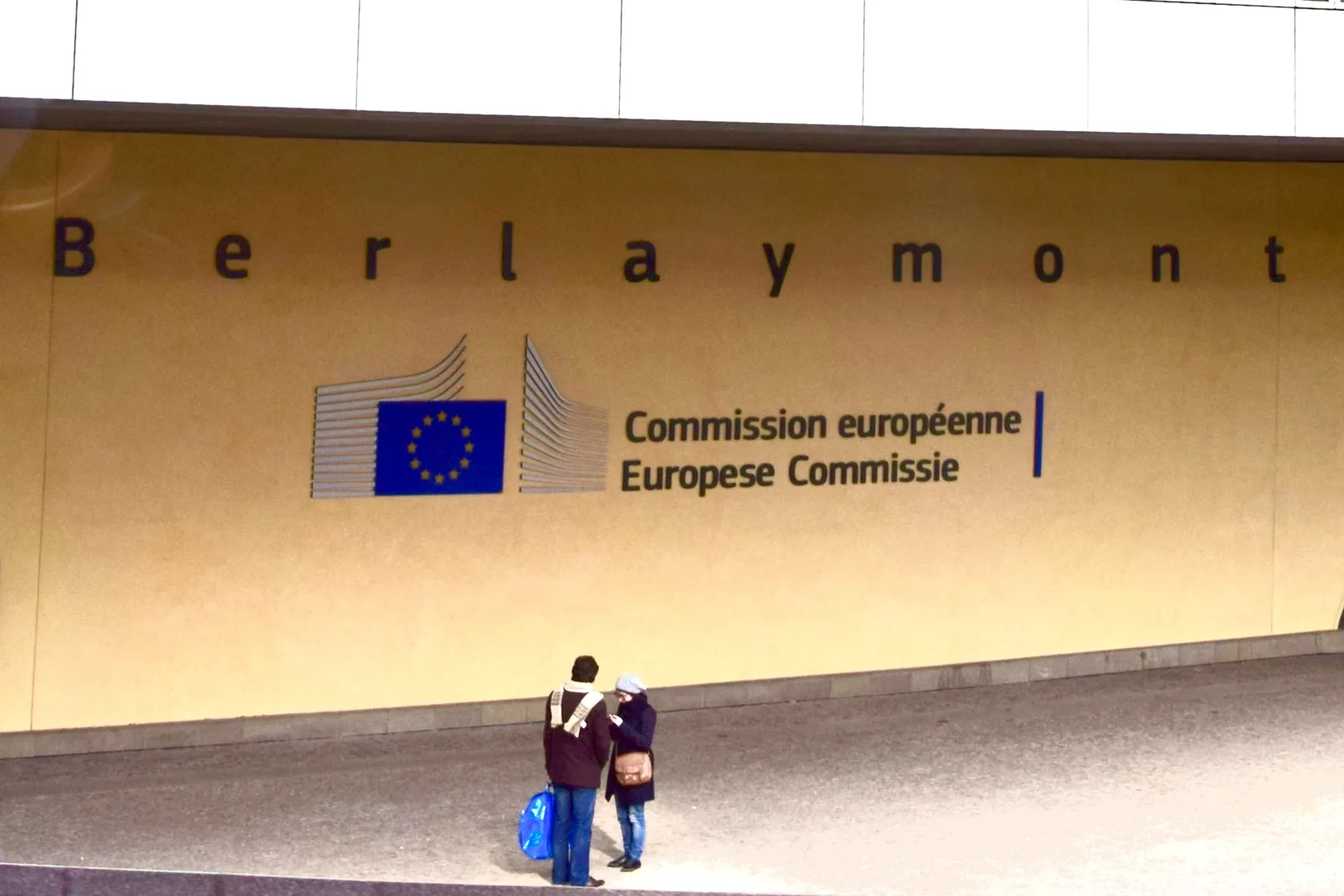
The European Union will probably have to provide a new loan to Ukraine to help cover a budget gap for next year and keep up Kyiv's fight against Russia's invasion, Estonian Prime Minister Kristen Michal told Reuters in an interview on Friday. Michal spoke before the second day of an EU summit in Brussels at which European leaders were rallying around President Volodymyr Zelenskiy, and where Ukraine's winter needs — energy, air defence and funding — were on the agenda, Reuters reported.
How big is Ukraine's funding gap?
Kyiv says the gap is more than $70 billion for defence and regular budget spending next year. That figure sits on top of the package Europe has already agreed: in December last year, EU leaders approved a €90 billion ($101 billion) loan to cover much of Ukraine's financial needs for 2026 and 2027. The new gap has emerged because the war the loan was sized for has not wound down — Russia has continued raining missile and drone strikes on Ukrainian cities, and Zelenskiy told leaders arriving in Brussels that Ukraine must prepare for the winter, with needs running through the rest of this year and into 2027, Reuters reported. Michal framed the money as existential rather than discretionary: financial assistance, he said, is the decisive factor in a war of attrition and has to come from the European Union.
Why is a loan the likely mechanism again?
A loan is the likely mechanism because it is the one Europe has already used and can repeat. "This is the mechanism that Europe has used many times," Michal said, "so for Europe it's a quite understandable mechanism." To fund the €90 billion loan, the EU borrows money against its common budget. Asked how another loan would be funded, Michal replied that Europe would find a way, as it usually does at the darkest hour. The alternative — funding Ukraine from Russian assets frozen in the EU — remains politically blocked: some European governments have pushed for it, but the idea has been blocked by Belgium, where most of the assets are held, and by several other EU nations, Reuters reported. Russia, for its part, has been moving against European companies' assets in response to the bloc's support for Ukraine, placing local assets of French, German, Swedish and Dutch firms under temporary management this week in a measure the Kremlin called reversible.
What did other leaders say at the summit?
Other leaders' remarks pointed the same way. Belgian Prime Minister Bart De Wever anticipated that Zelenskiy would thank the bloc for the €90 billion while warning that the money would run out, because a war is a very costly thing, and would ask whether Europe is still willing to put its money where its mouth is, Reuters reported. Dutch Prime Minister Rob Jetten said he was unhappy with the number of countries willing to pledge new financial support to Ukraine, though he expected several countries to pledge more military support soon, and described Friday's session as being about how Ukraine deals with the diplomatic situation and survives the winter. Zelenskiy, arriving at the summit, said the winter package was not only energy but also air defence and funding, and that he would discuss Ukraine's needs for the rest of this year and for 2027.
When would a new loan have to be decided?
Michal said he hoped EU leaders could decide on additional funding for Ukraine for 2027 before the end of this year. The timing matters, he indicated, because 2027 is a year of elections in many European countries, and decisions taken after those campaigns begin would be harder. No figure for a new loan, and no summit decision, had been announced in the reporting opened for this article: Michal's remarks set out the direction of travel — a second loan, funded the way the first was — rather than a settled package.
Why does this matter beyond Brussels?
Ukraine's budget is where the war's economics become concrete. A state fighting a full-scale invasion cannot fund its army and its civilian services from a war-shrunk tax base, so external financing is what keeps both the front line supplied and the government functioning behind it. If the gap Michal described is not closed, the choices fall on Kyiv: cut defence purchases, cut civilian spending, or print money and accept inflation. If it is closed by another round of EU joint borrowing, the cost is carried instead by European budgets over the life of the loan. That is why a finance interview on the summit's second day is, in substance, a story about how long the war can be sustained: as Michal put it, in a war of attrition the financial assistance has to be there.
This article is drawn from Reuters reporting opened and read for this article: Andrew Gray's October 16 interview with Estonian Prime Minister Kristen Michal in Brussels and Reuters' October 16 report of the EU summit. Figures for the existing loan and the stated gap are as Reuters reported them; positions attributed to member states are reported as those sources stated them. The FAQ answers are drawn only from the article's own text. This article is not financial advice.