Saudi Aramco has evacuated its headquarters in Dhahran, on Saudi Arabia's Gulf coast, and told staff to work remotely — the first time the company has emptied the building since the start of the Iran war — as its fight with Yemen's Houthis intensifies, six people with knowledge of the matter told Reuters on Thursday. Aramco did not immediately respond to a request for comment, and Reuters said it was unclear what the reason for the evacuation was. The order caps the most damaging week yet for Saudi energy infrastructure: the headquarters itself was extensively damaged in a Houthi strike earlier this month, two workers were killed at the Shaybah oil field on Wednesday, and an attack on Dammam's civilian airport the same evening killed two people. Oil rose above $114 a barrel on Friday.
What happened at the Dhahran headquarters?
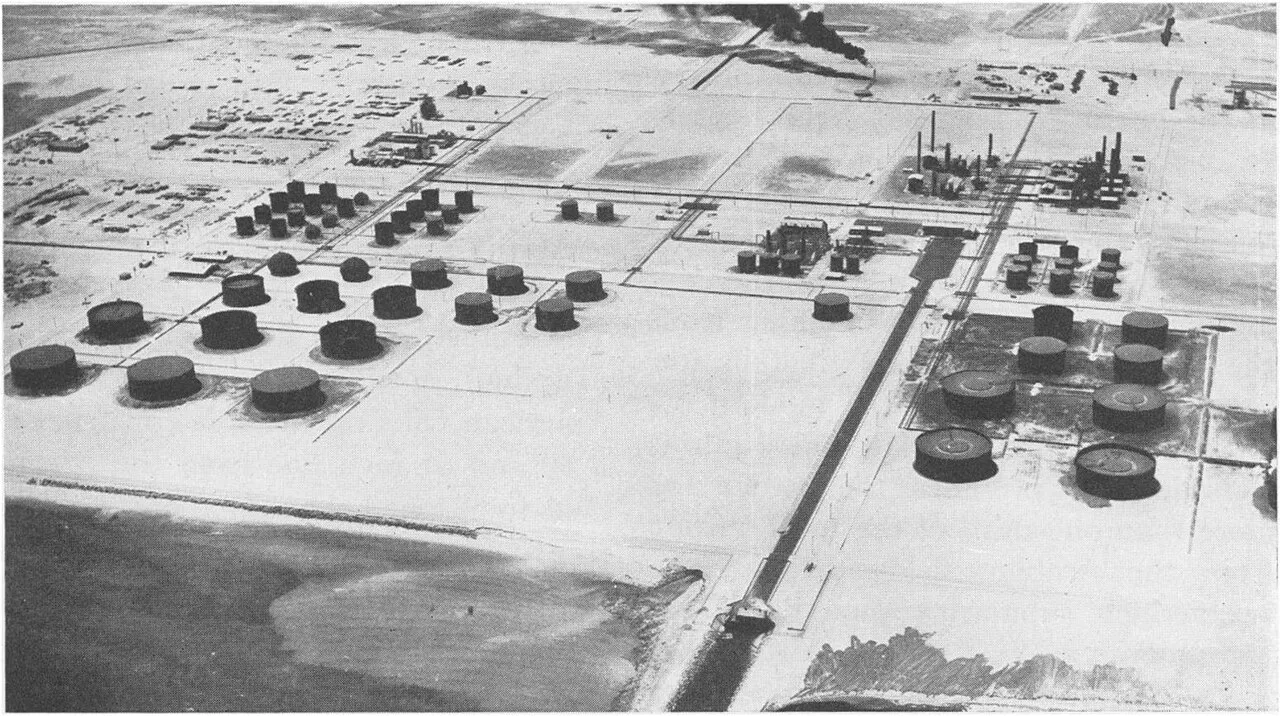
The evacuation instruction was given on Thursday, the six people told Reuters. The headquarters hosts an operations centre which helps the world's largest oil company oversee its onshore and offshore oil rigs, refineries, export terminals and thousands of kilometres of pipelines — the nerve centre of the kingdom's oil system, sitting in the Eastern Province oil hub a short distance from Dammam. The building had already been hit once this month: the Houthis caused extensive damage to it in a strike in which fire spread across several floors, three people with direct knowledge of that attack told Reuters earlier in October. Thursday's order is the first evacuation of the headquarters since the start of the Iran war, Reuters reported. No disruption to Aramco's oil operations was reported in the accounts opened for this article.
Why is the fighting escalating now?
The renewed fighting between Saudi Arabia and the Houthis in recent weeks ended a 2022 UN-brokered truce which had largely halted cross-border attacks, and opened another front in the wider regional war, Reuters reported. Clashes between the Houthis and a Saudi-led coalition that backs Yemen's internationally recognised government have raged since the Iran-aligned group pushed towards Bab el-Mandeb, the shipping chokepoint at the mouth of the Red Sea. The evacuation followed a wave of Houthi attacks on the kingdom targeting the company and Saudi airports. The coalition said on Thursday it had intercepted drones over Riyadh and Medina, and Saudi Arabia has responded to the attacks with a wave of strikes on missile launcher sites, vowing to protect the kingdom, and says it has intercepted many ballistic missiles fired by the group. Houthi military spokesman Yahya Saree said on Thursday the group was rescuing a boat carrying 14 Indians that was attacked off Jabal Zuqar island near the strait — one of the territories the group seized in a September advance — and blamed the attack on Saudi Arabia; Saudi authorities did not respond to a Reuters request for comment on that account.
What is the week's toll on Saudi infrastructure?
Three blows in two days, on top of the earlier headquarters strike. On Wednesday, two people were killed after Saudi air defences intercepted a drone attempting to hit a facility at Aramco's Shaybah oil field — debris killed a Filipino and a Nepali contractor worker and injured two others, the Energy Ministry said. On Wednesday evening, an attack on King Fahd International Airport in Dammam, around 15 kilometres north of Dhahran, killed two people and injured eight. Saudi Arabia's General Authority of Civil Aviation (GACA) confirmed on Thursday that the death toll had risen from its initial figure of one to two — a Saudi citizen and an Indian resident — with the eight injured comprising one Saudi citizen and seven expatriates: two Indians, two Yemenis, two Bangladeshis and one Nepalese national, their injuries ranging from minor to critical. GACA said operations at the airport had resumed and air traffic had returned to normal, and that damage assessment was continuing. The Houthis had warned airlines this month against using Saudi airspace, Reuters reported, as they have repeatedly targeted Saudi airports, including Riyadh's international airport, where strikes on October 10-11 killed 13 people. The United States ordered non-emergency staff out of the kingdom on Wednesday, before the airport attack was reported.
How are markets pricing the escalation?
Energy markets moved on the news again on Friday. Brent crude futures climbed $1.30, or 1.2 percent, to $114.47 a barrel at 06:39 GMT, while US West Texas Intermediate crude rose $1.37, or 1.4 percent, to $100.84, after the Houthi attacks in Saudi Arabia stoked concerns of further disruption to energy supplies from the Middle East, Reuters reported. Brent, which settled at its highest since May 4 on Thursday, was set to close higher for a third successive week. "Markets are increasingly worried about renewed escalation in the Persian Gulf, a scenario that could threaten oil flows that have so far remained remarkably resilient," ING analysts said in a note on Friday, adding that even without re-escalation, the mere possibility was likely to keep a sizeable geopolitical risk premium in prices. "The key factors to monitor now are the extent of actual disruption and the time needed to restore operations," said Linh Tran, an analyst at XS.com. Inside the kingdom, the benchmark TASI index dropped 2.5 percent on Thursday following the Aramco news, according to LSEG data cited by Reuters. In Libya, a second supply concern the same report carried, an oil pipeline valve from the Hamada and Tahara oilfields to Zawiya port has been shut, cutting production at both fields, the head of the National Oil Corporation told Reuters on Thursday. The snapshot box above carries the figures with their check times; they are publish-time snapshots, not live prices.
This report is drawn from Reuters' October 22 evacuation report, opened and read in full on reuters.com and in its fuller form via a verbatim carrier; Reuters' October 23 oil report, opened and read in full via its verbatim carrier; and the Saudi Gazette's account of GACA's October 22 follow-up statement on the Dammam toll, opened and read in full. The evacuation rests on six unnamed people with knowledge of the matter, as Reuters reported them; Aramco had not commented in the reporting opened. The Dammam airport toll published here is GACA's revised figure of two, which supersedes the one death this site reported on October 21.