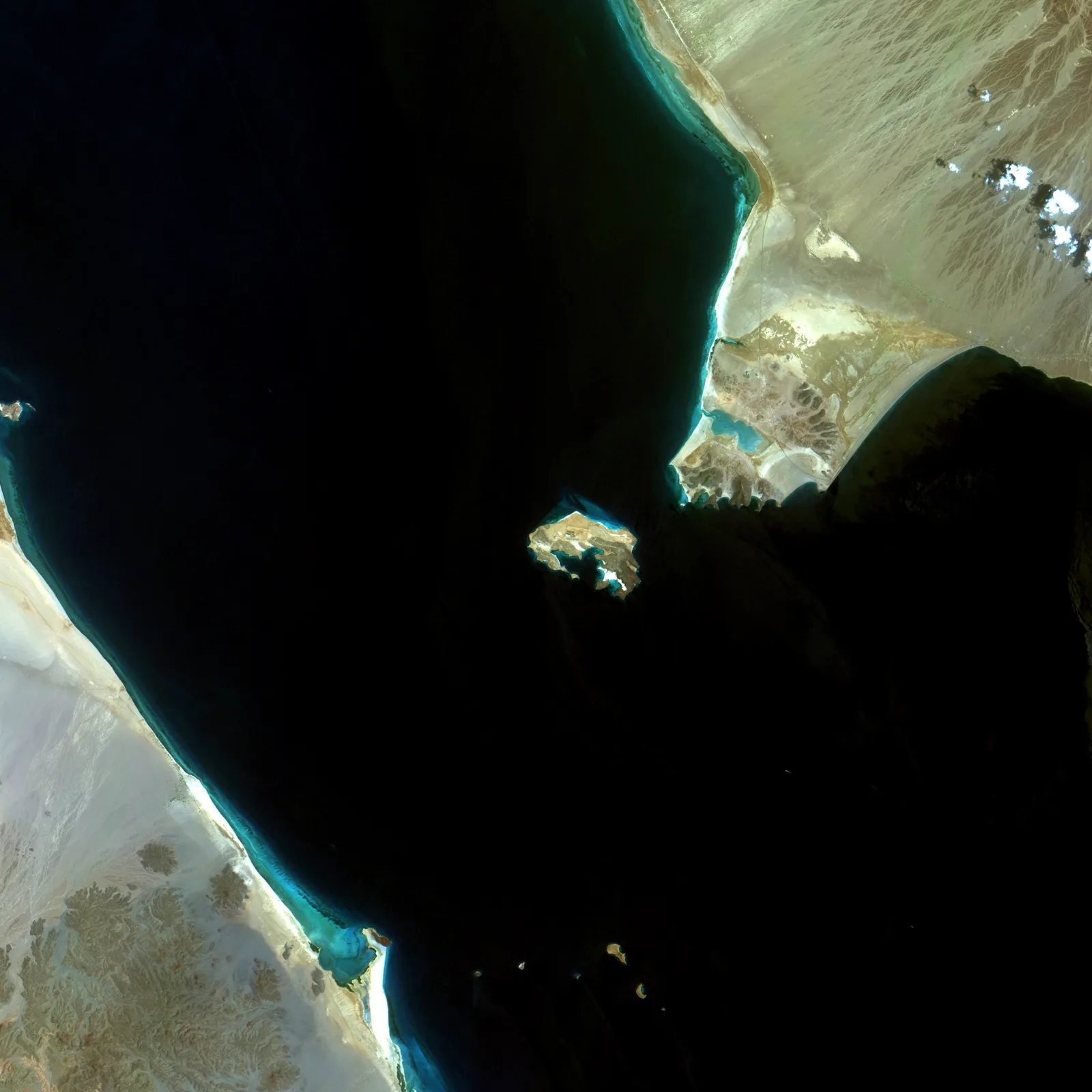
Yemen's Houthis have seized the Al-Maqatirah and Al-Madaribah districts of Lahj province and are positioned at the Al-Kharaz camp, about 60 kilometres from Aden, the seat of the internationally recognised government, four military sources within the government forces and two government sources told AFP on Sunday. The advance was reported after the government announced earlier on Sunday that it had completed its withdrawal from the Bab el-Mandeb Strait area to defend Aden. Yemeni military sources told Reuters the fighters were positioned just outside Tur al-Bahah, about 80 kilometres from the city — a different approach, reported here alongside the AFP account, unreconciled.
How close have the Houthis come to Aden?
The closest reported position is the Al-Kharaz camp in Al-Madaribah, 60 kilometres from Aden, according to the six sources who spoke to AFP. The same sources said the Houthis had seized control of Al-Maqatirah and Al-Madaribah and were advancing towards Aden, and officials told AFP the Houthis had also taken strategic positions in the Maqatera district and large parts of Al-Madhariba and Al-Arah, the largest districts in Lahj province in southwestern Yemen.
Reuters' Yemeni military sources placed the fighters on the northern approach instead: just outside the district of Tur al-Bahah, in the highlands north of Aden where the Houthis have besieged Taiz, about 80 kilometres from the city. The Institute for the Study of War, a Tier 3 analysis source, assessed that the Houthis seized the Red Sea coastal positions the government vacated on Sunday — positions at Dhubab Airport, Jabal Kahbub and al Shatt, according to an independent Yemeni journalist it cited — and that the seizures set conditions for an advance toward Aden along the Mokha-Aden road while the Houthis also hold territory along the Taiz-Aden road. There was no immediate response from the Houthis, or from Saudi Arabia, Reuters reported.
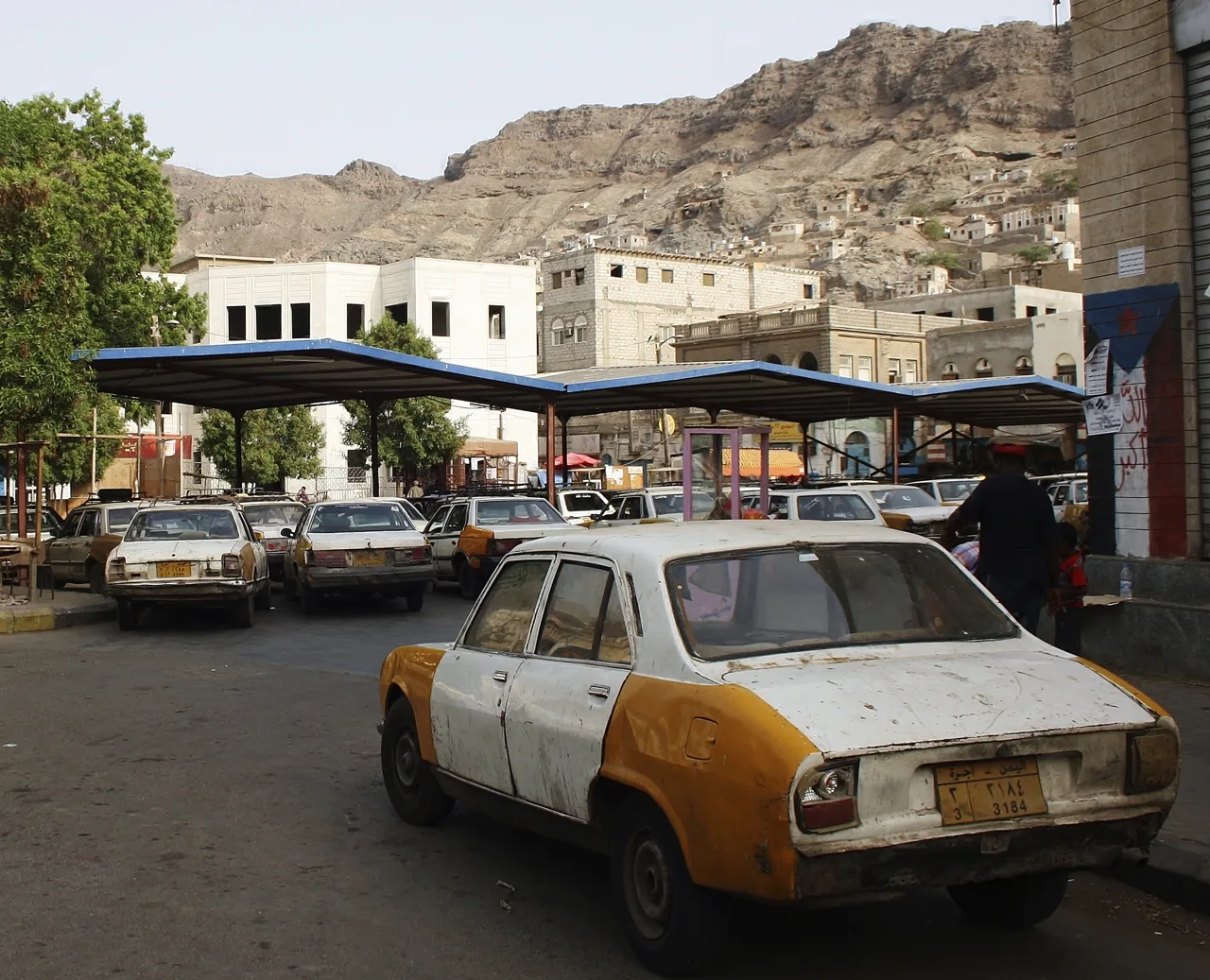
What are Aden's defenders doing?
They are falling back on the city and digging in. The Southern Armed Forces announced on Sunday a redeployment from Dhubab Airport and the Bab el-Mandeb area, completing the government's withdrawal from the strait area, AFP reported. "This step is taken based on the priority of securing the capital, Aden, and the neighboring governorates, as well as strengthening the front lines and addressing existing threats," the southern forces said, in a statement reported by Reuters. Yemeni military sources said the forces around Bab el-Mandeb had redeployed to al-Suqyah, 150 kilometres west of Aden, though they were still trying to push the Houthis from coastal areas nearby, Reuters reported. The Southern Giants Brigades also withdrew from the Bab al Mandeb area and established defensive positions in al Suqqayah and Khour, in Lahj Governorate, the Institute for the Study of War reported, citing multiple government-aligned sources; it also reported a Houthi ballistic missile attack on Khour al Umairah on Sunday, without a toll in the text read here.
The digging started before the withdrawal. Military officials told AFP on Friday that government forces had begun erecting sandbag defences and digging tunnels around Aden as the Houthis pressed southwards. ISW assessed that the withdrawal was likely ordered to avoid a Houthi encirclement near Jabal Kharaz after the Houthis' November 12 offensive in southeastern Lahj threatened to sever the Mokha-Aden road, and to preserve their ability to defend Aden City.
Why does Aden matter?
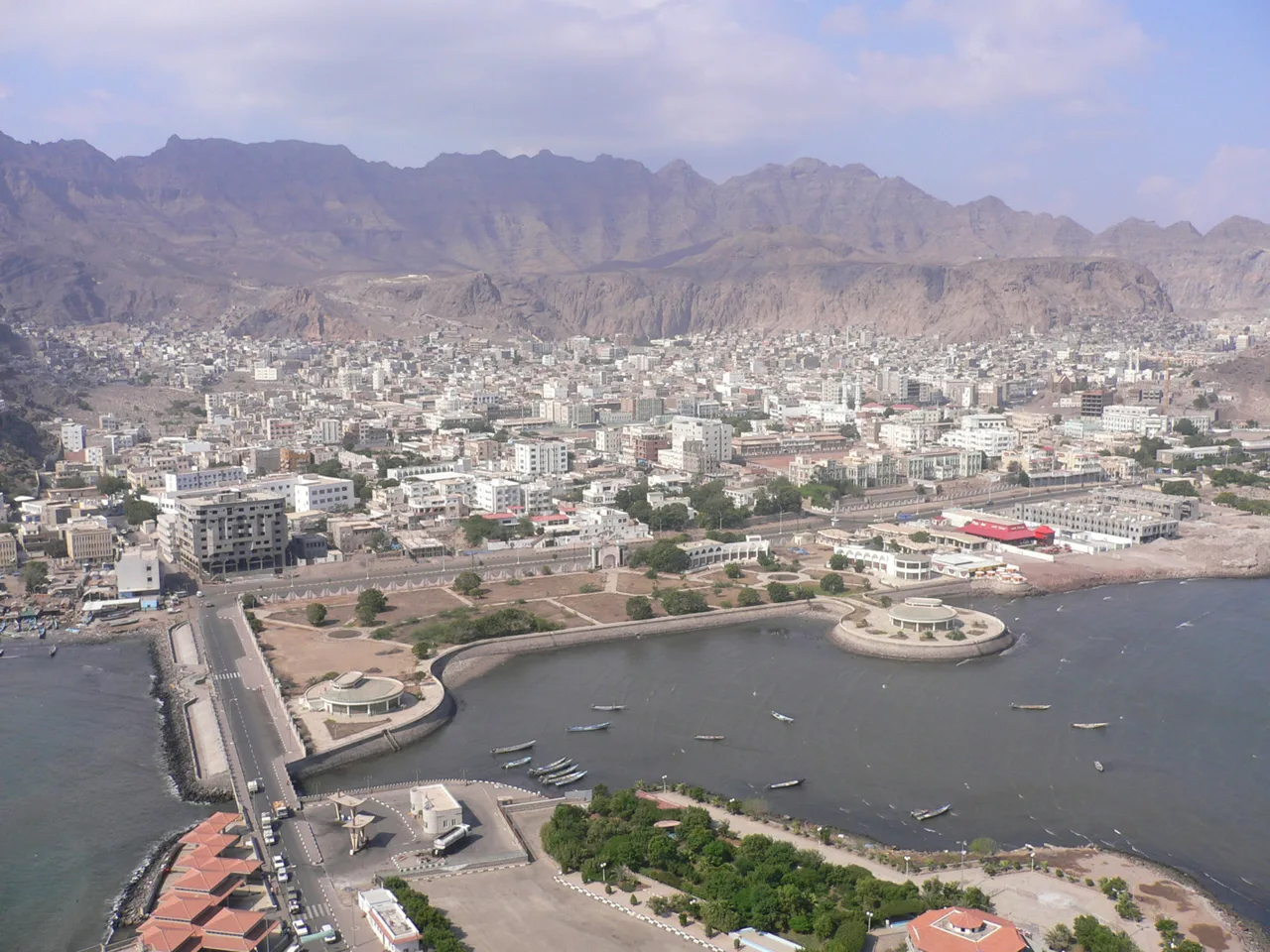
Aden is where the government sits. It has been the base of the internationally recognised government since the Houthis drove it from the capital Sanaa more than a decade ago, Reuters reported, and the Houthis previously launched an unsuccessful bid to seize the city early in the war in 2015, AFP reported. They have repeatedly attacked Aden in recent weeks, including an assault on October 15 that targeted the presidential palace and left four people dead, according to government military sources cited by AFP.
Sunday's retreat also closes a campaign. The announcement signalled the apparent end of a six-week government counteroffensive to drive the Houthis from the mouth of the Red Sea and secure a key oil route, Reuters reported, and it reverses the effort to undo the rapid gains the Houthis made in September along the Red Sea coast and the Bab el-Mandeb Strait. North of Aden, the pressure is already humanitarian: Taiz, Yemen's third-largest city, hosts about half of the 300,000 people displaced across Yemen by the latest fighting, remains besieged, and aid supplies are unable to enter while civilians are unable to leave, Reuters reported.
Sources: Agence France-Presse via France 24 (15 November 2026, read in full via yalibnan.com, which carries the France 24 with AFP piece verbatim; france24.com is blocked in this environment), Reuters (15 November 2026, read in full via the rostered BusinessWorld verbatim carrier, and 16 November 2026 for the oil figures, read via a Reuters verbatim carrier), and the Institute for the Study of War / Critical Threats Project Iran Update of 15 November 2026 (Tier 3, read in full). The advance is a contested battlefield claim: the 60-kilometre position rests on AFP's six named-category sources inside the government camp, and Reuters' sources placed the fighters about 80 kilometres away on a different approach — both accounts are published side by side, unreconciled, and neither has been independently verified on the ground. A separate report of five killed in a missile attack near Aden circulated only through leads-only venues and is not published here, because no tiered source opened for this article confirmed it. The market figures are Monday's early trading, checked at publish time; Reuters attributed the oil fall to supply-surplus expectations, not to the advance on Aden.