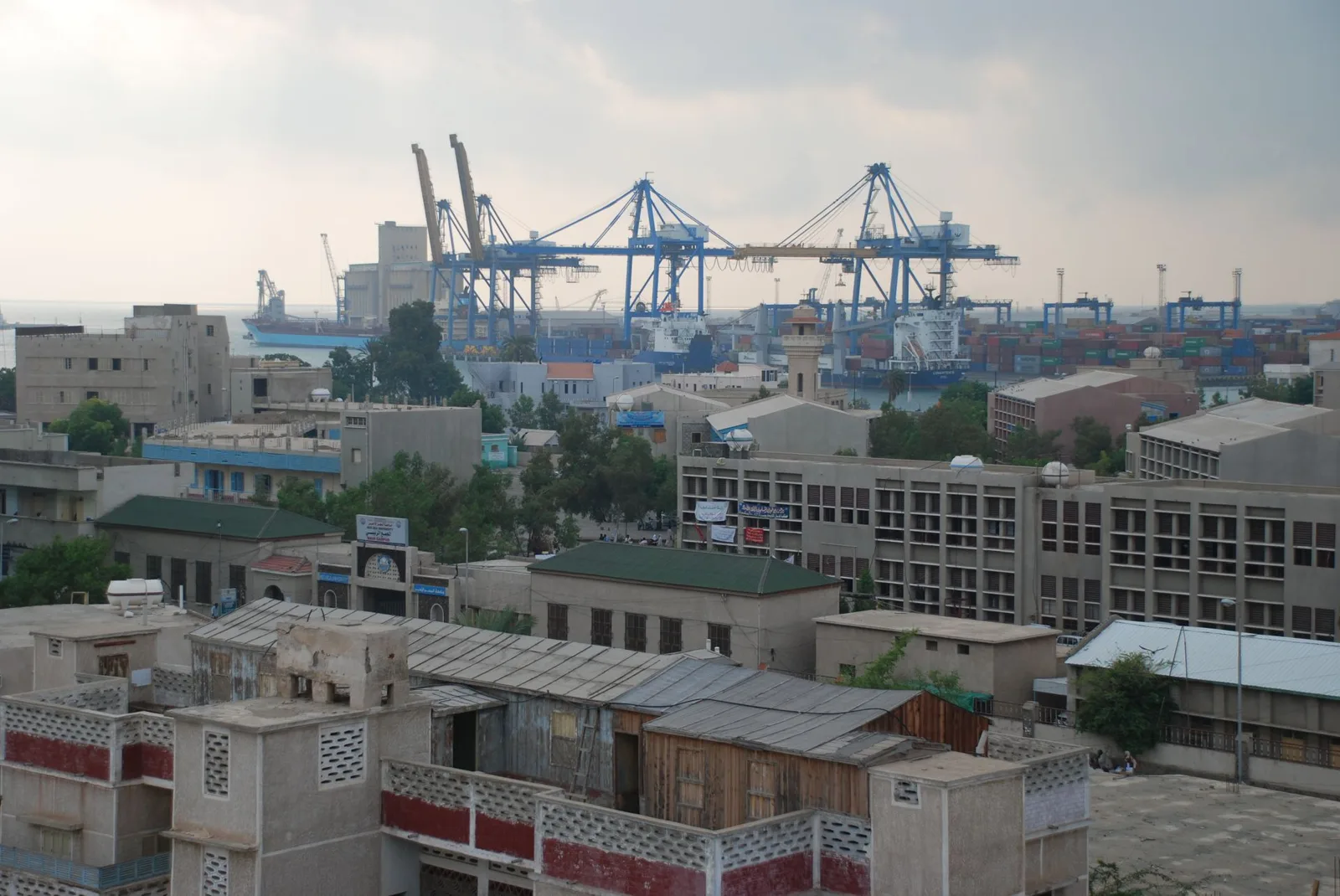
Sudan power cuts are no longer an inconvenience measured in hours — in Port Sudan they decide whether a man with diabetes takes his insulin today, Al Jazeera reported on Sunday. Kamal Mohammed, 42, who lives in the city's al-Taqaddum neighbourhood, needs an insulin dose every day, but prolonged cuts warm the refrigerator that stores the medicine: "I need an insulin dose every day, but sometimes I have to skip it when power cuts last so long that the refrigerator loses its cooling," he said. Behind his account sits the number that explains it: repeated drone attacks on power stations have cut Sudan's electricity generation from about 4,400 megawatts before the war to about 1,100MW today, according to the Associated Press figures Al Jazeera carried. This report follows the grid campaign this site tracked through the November 4 UN warning and the drone-war explainer; what Sunday's reporting adds is what the collapse looks like at household level, two weeks on.
What did Al Jazeera find in Port Sudan?
A city improvising around a grid that no longer keeps a schedule. Kamal's pre-war electricity bill was no more than 3,000 Sudanese pounds a month; it can now reach 100,000 pounds, he said, on a salary of no more than 150,000 pounds ($14.4). A small block of ice to keep medicine cool costs 7,000 pounds ($0.67) a day. A solar system — the workaround of those who can afford one — costs 4 to 6 million pounds ($385 to $577), which he cannot: "Every day, I have to look for somewhere with a generator where I can charge my phone." Osama Omar, 22, an engineering student who opened a laundry in the Deim Madina neighbourhood about six months ago to cover his living expenses, told Al Jazeera: "For nearly a month now, the supply has become increasingly unreliable, with outages lasting more than 24 hours." Laundry piles up unfinished; at times he has had to turn down new orders. "Power cuts have become another war that Sudanese people are being forced to fight," he said. In Khartoum, Al Jazeera reported, the cuts caused by damage to energy infrastructure have no clear schedule at all, and blackouts last anywhere between six hours and a day.
How far has Sudan's generation fallen?
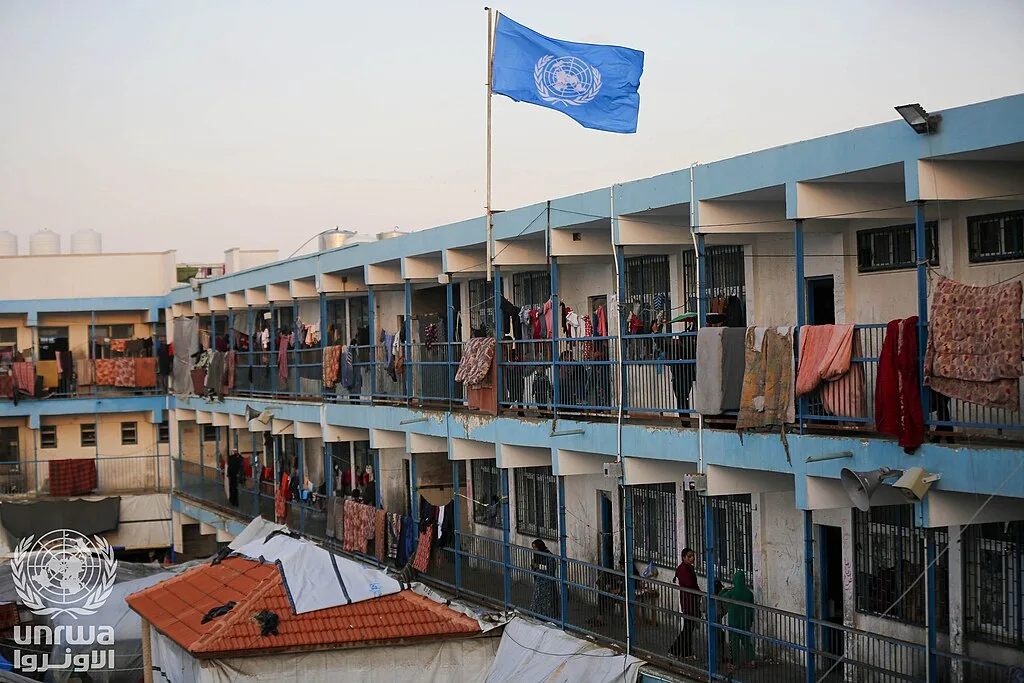
From about 4,400 megawatts before the war to about 1,100MW today, on the AP figures — a three-quarters loss of national generation. The mechanism is documented strike by strike. Between October 20 and November 2 alone there were at least 18 attacks on electricity infrastructure across at least nine states, Al Jazeera reported. AP's reporting from the same wave recorded 15 substations targeted since early October, counted by the Sudanese rights group Emergency Lawyers, and the loss of the Um Dabakir thermal plant in White Nile state — the country's largest at 500 megawatts — after an attack destroyed four transformers and damaged three generating units. What remains is concentrated in a single asset: the Merowe Dam, at 1,250 megawatts, now provides more than 70 percent of Sudan's electricity, according to an employee of the Sudan Electric Holding Company who spoke to AP, while the country's other hydroelectric dams produce no more than 100 megawatts combined. The displacement camps feel the same collapse without any grid to lose: at the al-Karama 3 camp in al-Damazin, Blue Nile state, 3,000 residents rely on three large floodlights — one near the communal toilets and two beside the water tanks — its committee's deputy head, Sabri Adam, told Al Jazeera.
Why does a power cut become a medical emergency?
Because in Sudan the cold chain, the dialysis machine and the operating theatre all run on the same grid. Kamal's insulin is the household version of what the Sudan Doctors Network warned of at system level, in AP's reporting: the outages endanger hospitals, dialysis centres and blood banks, and threaten the cold storage needed for medicines and vaccines. Denise Brown, the UN's resident and humanitarian coordinator in Sudan, put the same point without qualification: "There is no defence for repeatedly hitting power stations and fuel stations. People who need lifesaving dialysis can't get it. Women are giving birth with no lights in the hospital. Operations can't take place." Azhar Abdullah, a displaced woman at al-Karama 3, told Al Jazeera the lack of water and electricity has worsened the situation for her 13-year-old daughter, who has a thyroid disorder requiring extra care. The war behind the blackouts — between the Sudanese Armed Forces (SAF) and the paramilitary Rapid Support Forces (RSF), former allies who fell out in April 2023 — has displaced more than 14 million people, including about 4.5 million to neighbouring countries, and more than 150,000 people are believed to have been killed, Al Jazeera reported; AP's lower verified floor for the same war is at least 59,000 killed and some 13 million displaced, and the two figures are published here unreconciled, as their sources publish them.
Who is blamed for the strikes on the grid?
The claims are attributed, and they are not the same claim. Al Jazeera reported in its own voice that the RSF has intensified attacks on power stations around Khartoum state over the past month, and carried analyst Mohammed al-Husseini's assessment that the RSF stepped up attacks on civilian infrastructure after the SAF captured strategically important towns in the Kordofan region — aiming, he said, to weaken Sudan's economy ahead of a new agricultural season and to deepen humanitarian pressure through electricity's role in water, communications and medical care. For the specific substation strikes AP reported, attribution rests with Sudan's government and Emergency Lawyers, who blamed the RSF; the RSF did not immediately respond to AP's request for comment. Khartoum's further claim — that the drones were supplied by the United Arab Emirates and launched from Ethiopia, the subject of its complaints to the UN Security Council and the African Union — is the government's claim: the UAE has repeatedly denied arming the RSF, AP reported. What is not in dispute in any of the opened reporting is the outcome now visible in Port Sudan: a national grid at a quarter of its pre-war output, and a diabetic man counting ice blocks against his salary. The full Sudan file is tracked on this site's Sudan hub.
Sources: Al Jazeera English (15 November 2026, read in full via its rostered 234radio.com verbatim carrier) for the Port Sudan reporting, the Khartoum cut durations, the October 20 – November 2 attack count and the Brown and al-Husseini statements; Associated Press (1–2 November 2026, read in full via the europesays.com AP carrier) for the substation record, the Merowe concentration, the generation figures Al Jazeera also carried, and the attribution claims and denials. Generation figures are AP's as published by both outlets, not an independent audit. The two war-toll figures (150,000+ believed killed, Al Jazeera; at least 59,000, AP) are carried side by side and not reconciled.