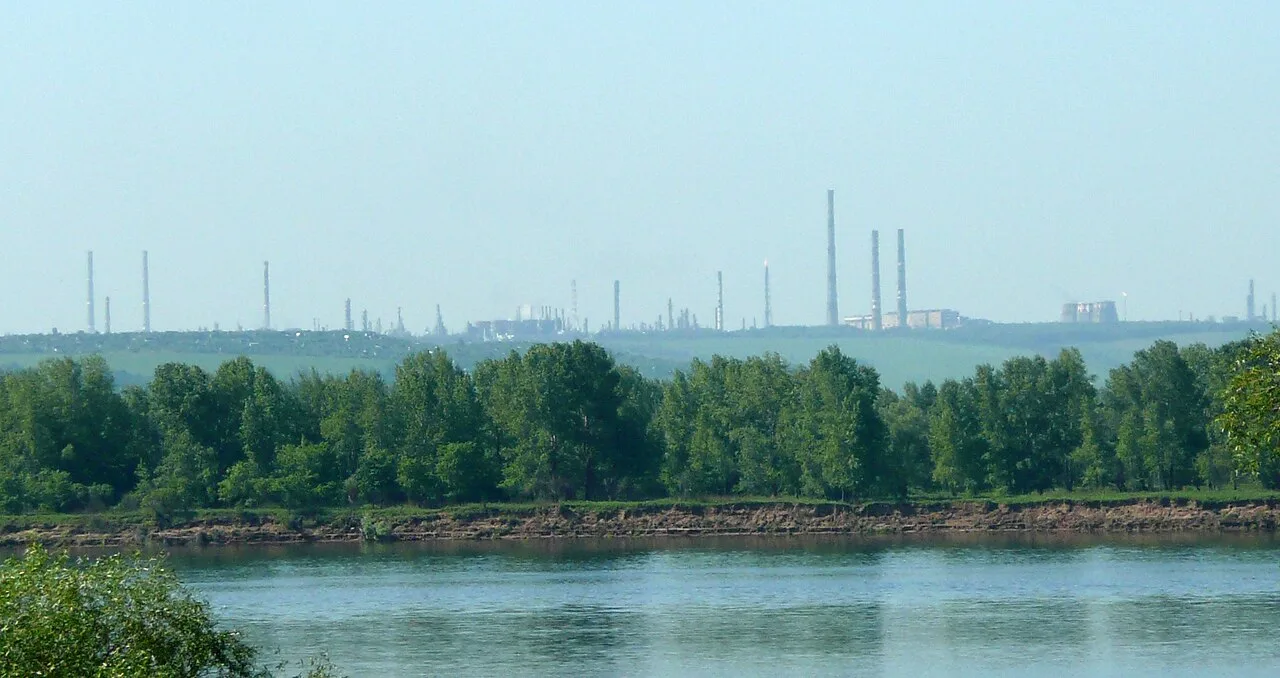
Ukraine's General Staff said its forces struck two major petrochemical and refining plants overnight in Nizhnekamsk, in Russia's Republic of Tatarstan, about 1,200 kilometres from Ukraine — one of the deepest strikes of its long-range campaign — while the city's mayor said the attack injured six people and cut heating and hot water in parts of the city. The General Staff said explosions and a fire were reported at the Nizhnekamskneftekhim complex and that the TAIF-NK refinery's sole primary oil-processing unit was hit. The extent of the damage at both plants was still being assessed, the General Staff said, and no independent assessment of the damage to either plant was available in the sources opened for this article.
What did Ukraine say it struck in Nizhnekamsk?
Two plants in the same industrial city, and a third target in Bryansk. Ukraine's General Staff said it had hit two sites in Nizhnekamsk: Nizhnekamskneftekhim, one of the largest petrochemical complexes in Europe, and a production site operated by petrochemical company Sibur, and that an oil refinery in the area was also hit, the Associated Press reported. The Kyiv Independent, reporting the same General Staff statement in fuller detail, said the refinery was TAIF-NK, that its sole primary oil-processing unit, known as ELOU-AVT-7, was hit, and that a fire was reported at the site. The complex produces synthetic rubber, plastics and other petrochemical products, including for military vehicle tires and aircraft components, the General Staff said via the Kyiv Independent. "Every day these plants are idle means fewer tires for the vehicles transporting ammunition to the front, fewer rubber parts for armored vehicles and aircraft, fewer raw materials for the missile industry, and less fuel for the Russian military," the General Staff said.
The third target was the Monolit company in Trubchevsk, in Russia's Bryansk Oblast, which manufactures aircraft, including helicopters, as well as spare parts and components, the General Staff said via the Kyiv Independent and the wire report read via mfc.mn. The strikes are part of Ukraine's broader campaign targeting Russian military-industrial facilities and infrastructure supporting Moscow's war effort, the Kyiv Independent reported. Nizhnekamsk's plants have been targeted before: Ukraine's General Staff confirmed strikes against the TANECO refinery in the city on Sept. 13 and on Aug. 20, according to the General Staff via the Kyiv Independent.
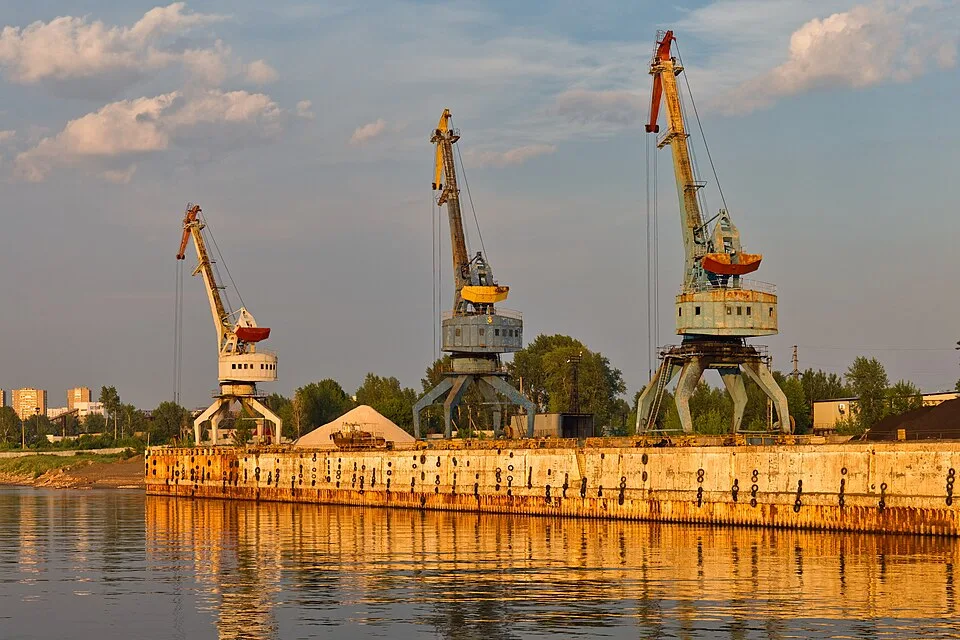
What did Russian officials report?
The city's own mayor confirmed an attack and damage — the Russian-side account converges with Kyiv's claim that Nizhnekamsk was struck, while the two sides' figures differ. Radmir Belyaev, mayor of Nizhnekamsk, the region's third-largest city, said a "large-scale and prolonged attack" damaged its industrial zone, six people were injured, and heating and hot water supplies were disrupted in parts of the city, the Associated Press reported. Earlier reporting put the toll lower: Russian officials confirmed the city had endured "prolonged" Ukrainian airstrikes overnight, damaging a residential building and sparking a fire at a major petrochemical complex, injuring three people, AFP reported via France 24, and state media, citing the regional health ministry, said an apartment building was struck and three people were injured, the wire report read via mfc.mn said. Residents were evacuated, Belyaev said via the Kyiv Independent. Russia's Defence Ministry said its forces shot down 533 Ukrainian drones overnight across 13 Russian regions, annexed Crimea, and the Black and Azov seas, the Associated Press reported.
The same night reached Rostov region, in Russia's south. Ukrainian drone strikes damaged two electrical substations there, killing a chief engineer, Governor Yuri Slyusar said, according to the Associated Press; four people were injured when drone debris fell on their cars, and a fifth person was wounded when debris struck a "production facility" in the village of Troitskoye, Slyusar said. AFP, via France 24, likewise reported that separate overnight strikes on Taganrog killed an electricity substation engineer, according to the regional governor.
Why does a strike 1,200 kilometres away matter?
Because of what Nizhnekamsk makes, and how far it is from the front. The complex the General Staff named is one of Europe's largest petrochemical plants and one of Russia's largest producers of synthetic rubber and plastics, and the refinery unit it said was hit — ELOU-AVT-7 — is TAIF-NK's only primary crude-processing unit, according to the General Staff via the Kyiv Independent. Whether either plant is actually idle, and for how long, is the fact that would decide the strike's weight — and it is not yet established: the extent of the damage at both facilities is being assessed, the General Staff itself said, and the mayor's account confirms damage in the industrial zone without naming a plant or a production halt. This article therefore reports the targets as Ukraine's stated targets, the fire and explosions as the General Staff reported them, and the city's damage and injuries as its mayor reported them — and no production loss as fact.
Sources: the Associated Press (15 November 2026, read in full via europesays.com), AFP via France 24 (15 November 2026, read via the France 24 report brief on globalsconflicts.com; the france24.com domain itself could not be opened in this environment), a wire report with Reuters contributed reporting (15 November 2026, read in full via mfc.mn) and the Kyiv Independent (15 November 2026, read in full via europesays.com). Attribution of the strikes to Ukraine is a contested claim carried here on converging accounts from both sides: Ukraine's General Staff claimed the strikes and named the targets, and Nizhnekamsk's mayor and Russian officials confirmed a prolonged drone attack damaging the city's industrial zone — two independent chains from opposite parties to the conflict. The specific plant damage (the ELOU-AVT-7 hit, the fire at Nizhnekamskneftekhim) rests on the General Staff's statement alone and is published only as that attributed claim, with the damage still being assessed; the injury count is published as both figures the sources carry — three injured in the earlier health-ministry reporting and six injured in the mayor's later account carried by the Associated Press — unreconciled. The market figures in the snapshot box are Friday's settlements, checked at publish time via finance-vertical search; futures markets were closed on Sunday and no source opened for this article attributed a market move to the strikes.