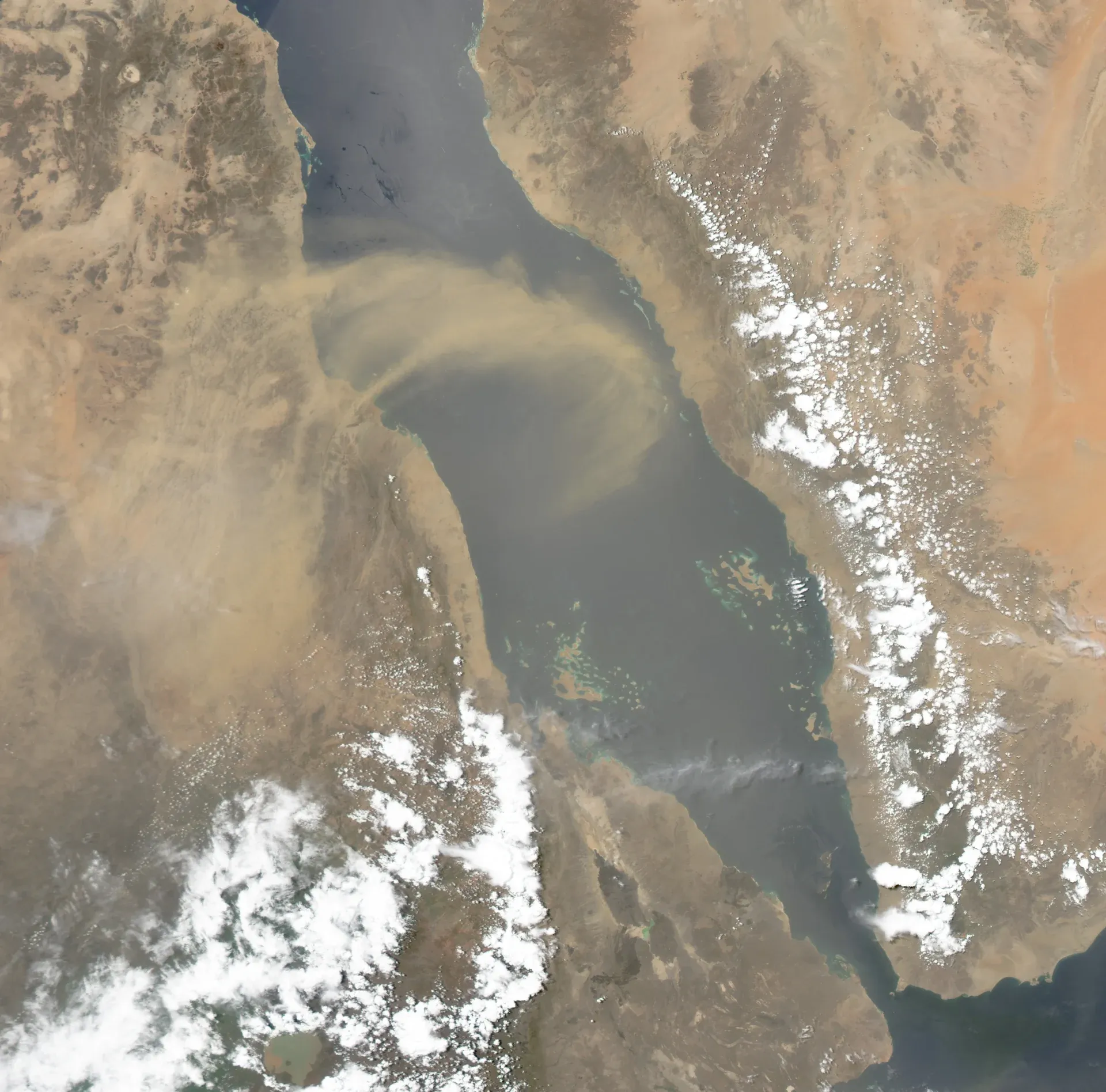
Yemen's Iran-aligned Houthis have pushed as close as 60 km (37 miles) to Aden, the temporary capital of the country's internationally recognised government, but they will not capture the city, Yemen's military said on Tuesday. The Gulf and Red Sea files are tracked on this site's Middle East hub, and the waterway the government forces left is set out in our Bab al-Mandeb explainer. The advance follows the withdrawal of government-aligned forces from the Bab el-Mandeb coast, which this site reported on 22 November had let the Houthis fortify the strait with tunnels, berms and radars.
What we know
Colonel Majed Abdullah Al-Nuzaily, spokesperson for Yemen's armed forces, told a group of reporters via video link on Tuesday that Houthi forces are about 60 kilometres from Aden. "I'll speak to you frankly. The situation is not where we want it to be. But it's not as dire as reported," he said, adding that Yemen's internationally recognised government remained in Aden "and it will stay in Aden".
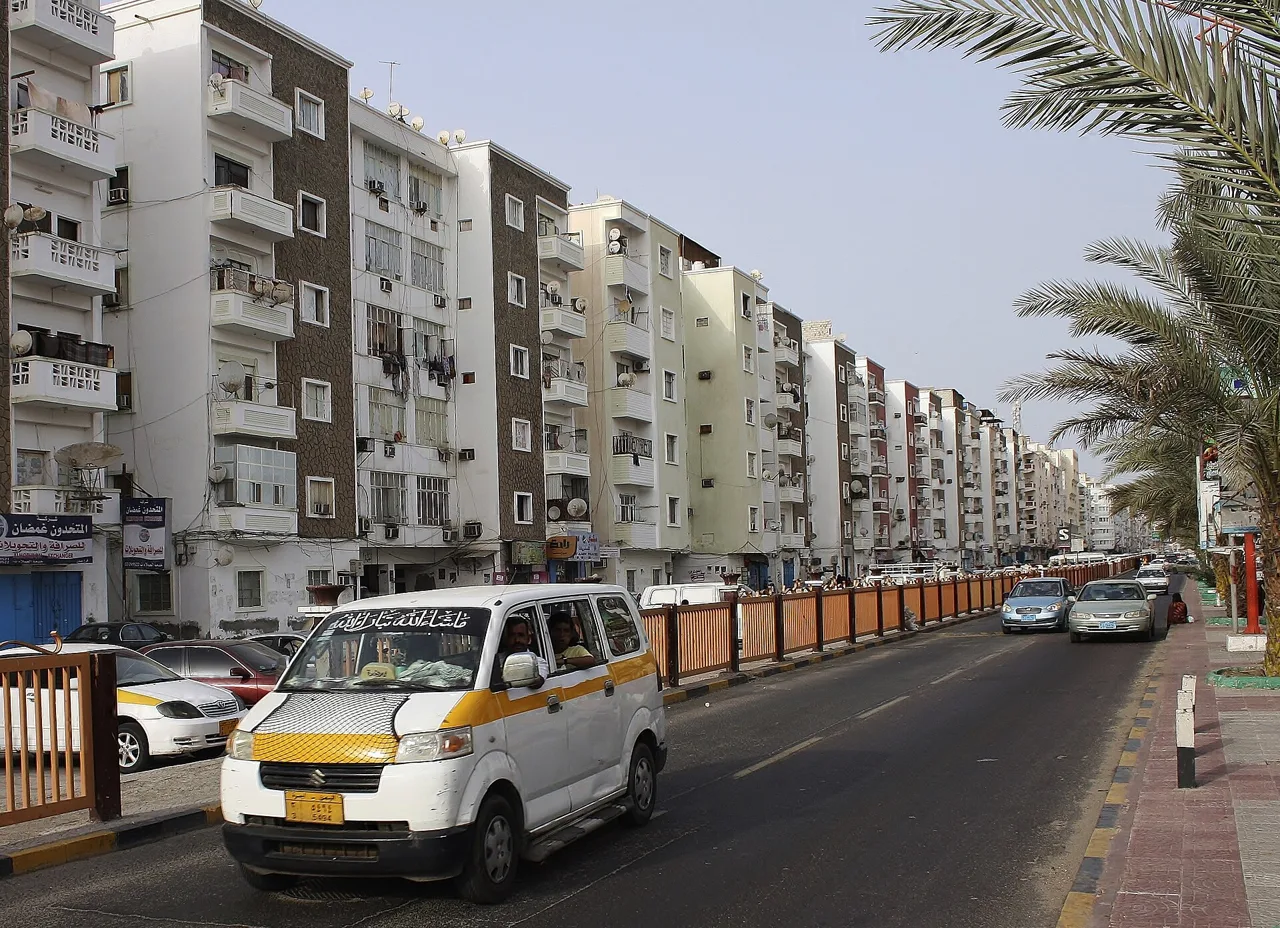
The forces that withdrew from the western coast are now stationed north and west of Aden "on a defense line built to stop the Houthi advance", al-Nuzaily said, according to the Associated Press. Inside the city, government forces have set up checkpoints, pulled in reinforcements, dug trenches and set up earth barricades on roads to the front line, residents and military officials told Reuters. Aden, now the target of Houthi missile and drone strikes, had previously not seen major hostilities since street battles in 2015, soon after the internationally recognised government fled Houthi-run Sanaa and made the port city its base, Reuters reported. "Aden is a red line. It was a red line in 2015, when the Houthis came to the city and its people drove them out," al-Nuzaily said during the briefing, AP reported.
What is claimed
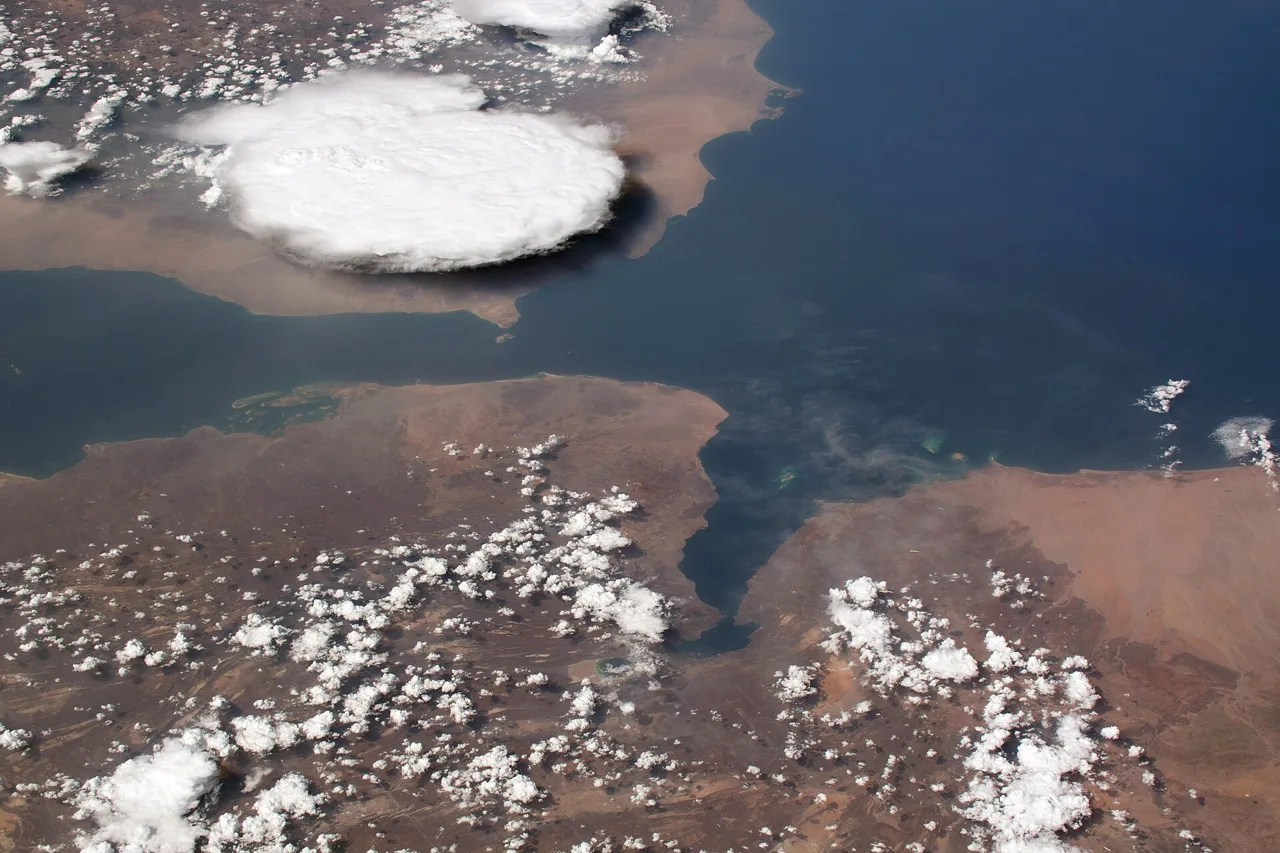
Al-Nuzaily defended the November 15 redeployment of forces to protect Aden, saying they would return later to reclaim positions along the vital Bab el-Mandeb Strait, Reuters reported. The Houthis' advance toward Aden has come after forces allied with the government withdrew from areas on the strait, allowing the Houthis to consolidate their grip on territory around the crucial waterway, AP reported. Al-Nuzaily acknowledged major setbacks and operational shortcomings, said in a statement accompanying the call that there were "indications that our communications were penetrated", and acknowledged the Houthis had reinforced along the coast: "There are signs they may open new fronts." "Whether toward Aden or to the east, toward Marib and Shabwah, their aim is simple: they want Yemen's oil and gas," he said. Speaking in the same briefing, Yemeni foreign ministry official Marwan al-Noman called for the United States and other Western countries to support the Yemeni coast guard in its efforts to intercept smuggled weapons to the Houthis, and to provide training to Yemeni forces, AP reported.
Yemen's Interior Ministry said Tuesday that shelling of areas in Taiz province killed three civilians, including a child, and wounded two other children, citing local police; the ministry, which is aligned with the internationally recognised government, blamed the Houthis for the attack, AP reported. No Houthi response to that claim appears in the sources opened. The fighting has displaced hundreds of thousands of people since Yemen's civil war reignited, with many now surviving on meagre aid handouts in small tarpaulin camps in the hills around Taiz, Yemen's third-largest city, now besieged by the Houthis, Reuters reported.
What is unverified
The 60-kilometre figure is the Yemeni military spokesperson's account, given at a single briefing on Tuesday and carried by both Reuters and the Associated Press from that briefing; it is one party's statement of the front line's position, not an independently surveyed measurement, and no Houthi statement on the distance or on an intention to take Aden appears in the sources opened. Al-Nuzaily's claims about penetrated communications, possible new fronts and Houthi aims in Marib and Shabwah are his assessments, published here as claims. The Taiz shelling toll rests on the Interior Ministry's account via local police, carried by AP alone in the sources opened, with the Houthis' response not yet reported.
Sources: Reuters (24 November 2026, Tier 1, read in full on reuters.com, crawled 17:50 UTC) for the 60 km figure, the spokesman's quotes, the Aden defences and the displacement context; the Associated Press (24 November 2026, Tier 1, read in full via its carrier) for the fortified-line wording, the Bab el-Mandeb withdrawal account, the foreign ministry official's appeal and the Taiz shelling claim. Both wires report the same Tuesday briefing by the same spokesperson — dual carriage of one briefing, treated here as one source chain for the front-line claim, which is therefore attributed to the spokesman throughout. No market snapshot is carried, because no source opened reported a market move tied to the Aden advance.