President Donald Trump said on Friday, October 23, that the United States may carry out "another little Epic Fury" against Iran, and Tehran's officials responded in kind the same day, telling Reuters that Iran has drawn up detailed plans to cut undersea communications cables in the Gulf if it is attacked again. Trump made the threat at a rally in Florida, hours after telling reporters at the White House that Washington could end the war quickly but might instead let it "wither." The remarks reverse the position he took earlier this month — that the US would not launch an attack before the November 3 midterm elections — as the war nears its eighth month and Brent crude closed Friday at its highest level since April.
What did Trump say on Friday?
He raised a new operation twice in one day, in two different registers. Leaving the White House for Florida, Trump told reporters on the South Lawn: "We could end it very quickly. Do we want to finish it off or just want to let it wither?" He added that oil is getting out through the Strait of Hormuz and that "we are getting everything we want," Reuters reported. At the Florida rally that followed, he went further: "We may do another little Epic Fury," he said, without elaborating. Operation Epic Fury is the name used by the US military for its war against Iran. Reuters noted the contrast with Trump's earlier-October statements, when he said the US would not launch an attack on Iran before the midterm elections, in which control of Congress is at stake, and described Washington and Tehran as having "productive" talks about ending the war. On Thursday, Trump had already told reporters the US has "knocked out" Iran and threatened to go "a little bit further," Bloomberg reported — the same week The New York Times reported, citing US officials, that the US and Israeli militaries have drawn up specific plans for renewed strikes after the midterms, against targets including Iran's energy infrastructure, nuclear facilities and missile and drone arsenal.
What has Iran planned if the war resumes?
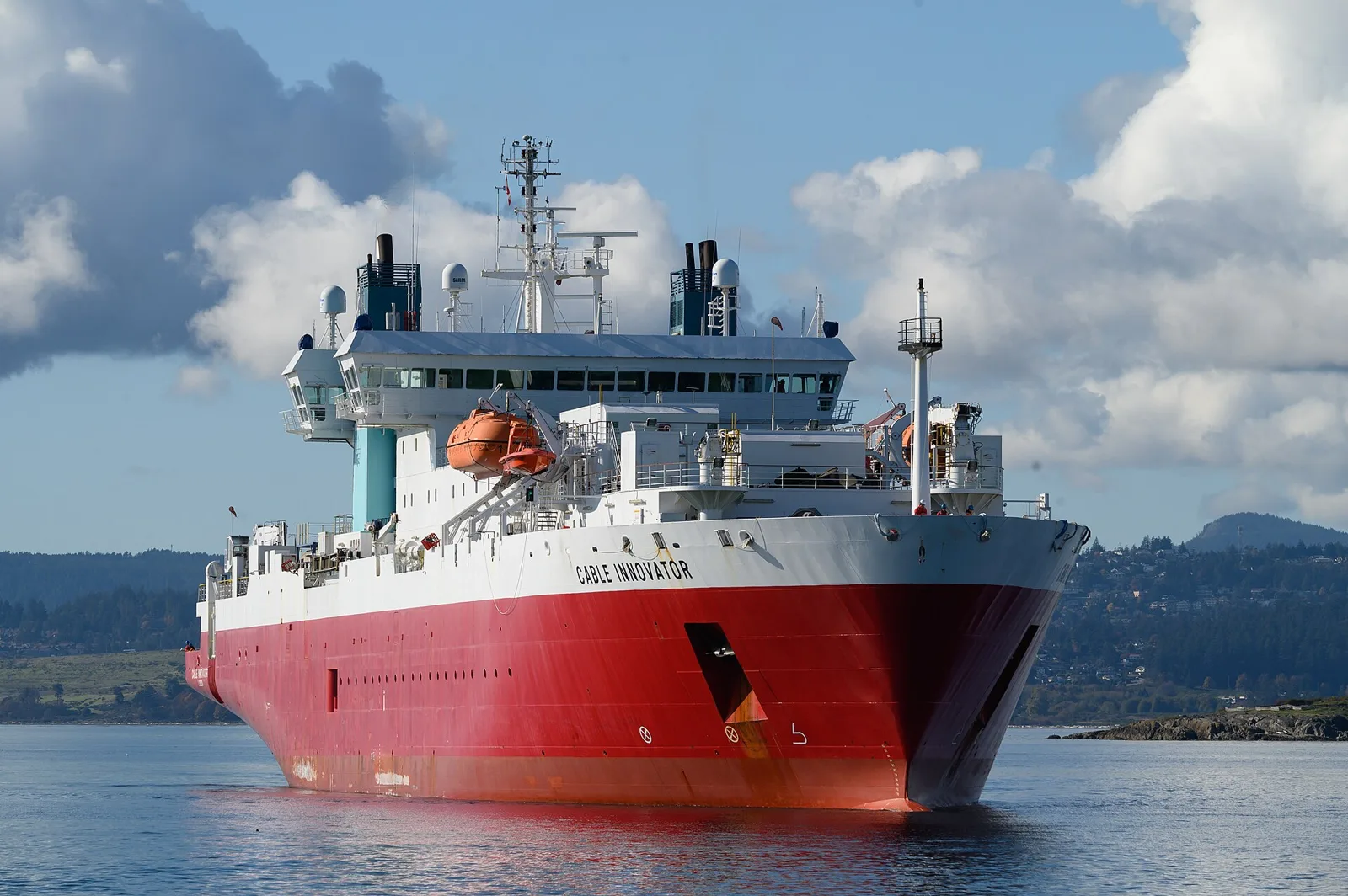
A wider target set than in the war's first rounds, according to Tehran's own account. Two senior Iranian security officials told Reuters, on condition of anonymity, that Tehran has drawn up detailed plans to target undersea communications cables in the Gulf if the United States and Israel attack Iran again — and that Iran would aim to prevent repairs after any attacks, to prolong disruption to communications including internet connections. "If Iran is attacked, there will be no more red lines ... from undersea cables to military bases, including covert ones," one of the officials said, warning Washington not to "play with fire" and saying Iran had full access to the cables and could easily destroy them. The officials said Washington's Gulf allies "should hold Washington, not Tehran, responsible" for any cable damage. The comments follow Wednesday's on-record warning by Yadollah Javani, the IRGC's deputy head for political affairs, that Iran could target seven major internet cables beneath the Strait of Hormuz if Iranian infrastructure came under attack, and top security official Mohsen Rezaei's warning this month that US-linked data centres and AI facilities across the Gulf could be targeted. The US State Department and Iran's Foreign Ministry did not respond to Reuters' requests for comment, and there was no immediate comment from Gulf states.
How damaging would cable attacks be?
Less globally than the threat implies, and more regionally, analysts told Reuters. Undersea cables carry around 99 percent of global internet traffic, according to the UN's International Telecommunication Union — but less than 1 percent of international bandwidth passes through the Strait of Hormuz, said Alan Mauldin, research director at TeleGeography, so the worldwide impact of cuts there could be limited. Multiple cuts could still slow internet services and disrupt financial transactions, e-commerce and cloud computing, with the damage depending on rerouting capacity; restoring connections during wartime would be difficult, and insurance costs and territorial-water permits could delay repairs further. The Red Sea would be a more significant target — about 3 percent of global international demand and around 10 percent of traffic between regions passes through it, potentially with Houthi support — though Tehran has made no public statement indicating plans to target cables there. Alex Vatanka of the Middle East Institute read the threats as deterrence aimed through third parties: "Tehran wants Gulf states and corporate executives to press Trump over the risks his policies pose to their investment plans." Gulf governments have invested heavily in AI and data infrastructure with US technology firms, and Iranian strikes directly hit two Amazon Web Services facilities in the UAE in March and damaged infrastructure near an AWS facility in Bahrain.
What did the Istanbul meeting say?
Eight foreign ministers warned against exactly the step Trump was floating. Turkish Foreign Minister Hakan Fidan, after hosting his counterparts from Egypt, Pakistan, Saudi Arabia, Germany, France, Britain and Italy in Istanbul — the first collective meeting of the Regional Four and the E3, alongside Italy — cautioned that any renewed attack on Iran would exacerbate tensions and further expand the conflict. "We are all in agreement that a new attack on Iran would expand the war in the region," Fidan said. "A military intervention on Iran is not in any way a solution. Nobody approves this at the moment." French Foreign Minister Jean-Noël Barrot said renewed US-Iran escalation would have "only losers" and would raise oil prices. The ministers had discussed the Iran war, the Houthi attacks on Saudi Arabia and Russia's war in Ukraine, and Fidan said they had also discussed parameters to keep the Iran war from expanding, without elaborating.
How did markets close the week?
At the year's highs. Brent crude for December settlement rose 3.1 percent to settle at $116.72 a barrel on Friday — its highest close since April, up more than 6 percent on the week — and WTI climbed 3.8 percent to settle at $103.27 in New York, Bloomberg reported. Bloomberg tied the rally to intensifying Houthi attacks on Saudi Arabia layered on US-Iran supply concerns, with traders reluctant to hold short positions ahead of a closed weekend: "Weekend escalation fears are adding fuel," said Rebecca Babin of CIBC Private Wealth Group. Brent is now up more than 85 percent this year since the war began, even as crude flows through Hormuz have recovered to near pre-war levels.
This report is drawn from Reuters' October 23, 2026 reports on Trump's Florida rally remarks, his South Lawn remarks, the Iranian cable plans and the Istanbul ministerial, each opened and read in full on reuters.com; and Bloomberg's October 23, 2026 oil report, opened and read in full via Rigzone, for the settlement figures in the markets box. The Iranian officials' plans are published as their account, given anonymously to Reuters and stated as conditional on a renewed US-Israeli attack; no cable attack has taken place. The New York Times strike-planning report is included only as the reported context for Friday's statements, as carried by Reuters.