Yemen's Iran-allied Houthis said on Saturday, October 24, they had launched attacks on Saudi oil facilities and airports, the Saudi-led coalition said it had downed missiles fired toward the kingdom, and Yemen's Saudi-backed government said the Houthis had also fired three ballistic missiles at coast guard sites in the southern port city of Aden, Reuters reported. In the same day's exchange, the Associated Press reported strikes killing 11 people in the capital, Sanaa, according to the Health Ministry run by the Houthis, and at least four people in Hodeida province, according to health authorities. The Houthis blamed Saudi Arabia for those strikes; Saudi Arabia did not respond to a request for comment, and the AP said it could not independently verify the claims.
What did the Houthis say they attacked in Saudi Arabia?
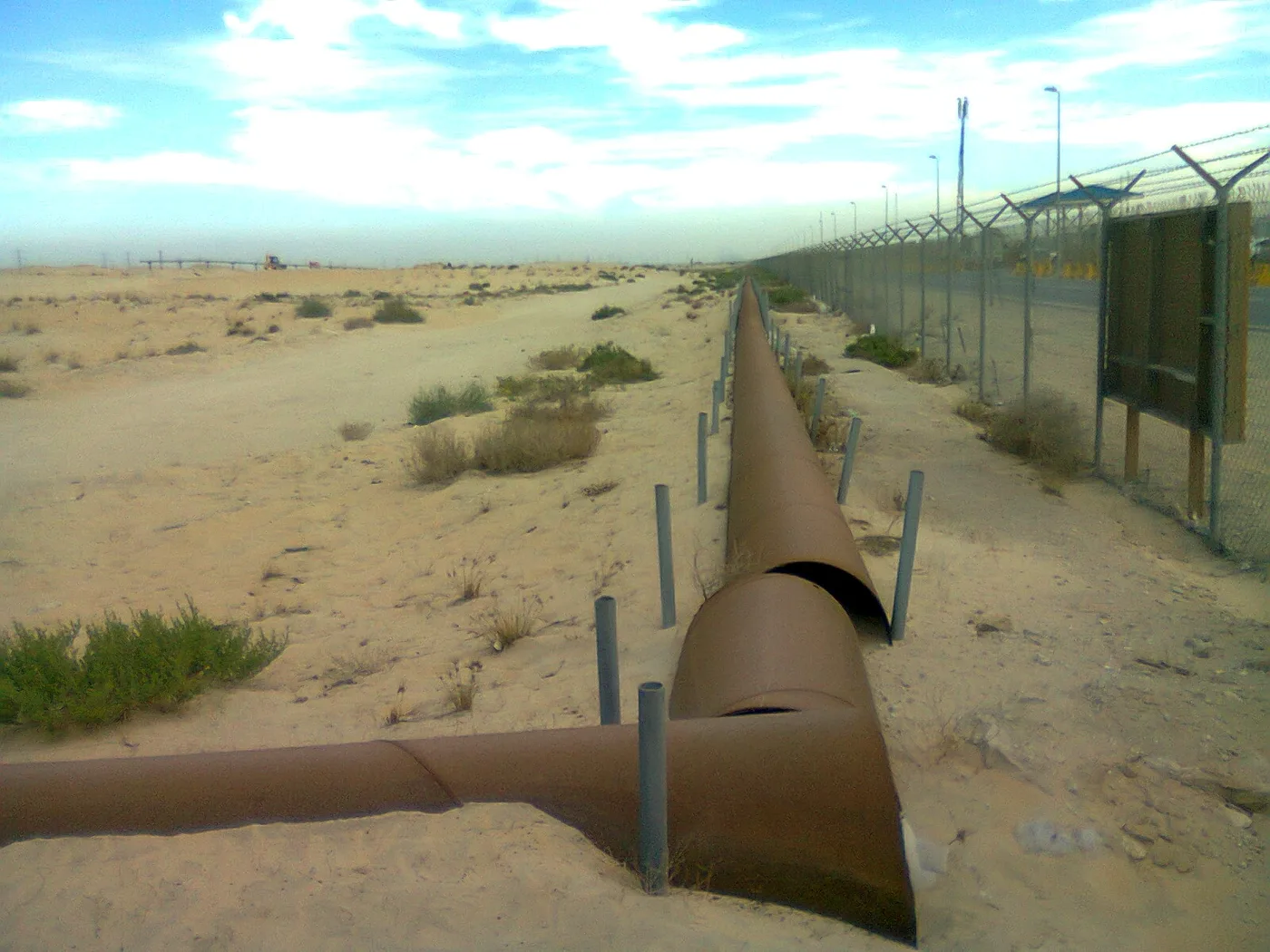
The Houthis said they targeted Saudi oil facilities and airports across the kingdom on Saturday. Houthi military spokesperson Yahya Saree said the group targeted King Khalid International Airport in Riyadh, an Aramco facility in Yanbu, the Rabigh oil refinery, crude oil pumping stations and the East-West Pipeline, Reuters reported. He also said the group targeted King Fahd International Airport in Dammam, an airport in Najran and an airbase in Khamis Mushait. Saudi authorities did not comment directly on the Houthi statements, though they reported missile debris falling near the site of one of the purported oil targets, and Reuters said it was not immediately clear whether any of the reported attacks had hit their targets in the kingdom or had been intercepted.
The Saudi-led coalition said earlier on Saturday that it had destroyed two ballistic missiles fired by the Houthis towards Yanbu and Taif, Reuters reported. The Associated Press reported the coalition as saying it intercepted three ballistic missiles fired toward the Saudi capital, Riyadh, and the cities of Taif and Yanbu. The two intercept counts — two missiles in the Reuters report, three in the AP report — are published here unreconciled, as reported. Saudi Civil Defense said debris from intercepted missiles had fallen in the Mecca and Medina regions, home to Islam's holiest sites. It said parts of the intercepted missiles fell in Wadi al-Mughammas in Mecca, while debris also fell in areas in Jeddah, Taif and Rabigh; Reuters noted it was not clear whether the Rabigh debris was linked to the Houthis' reported targeting of the Rabigh oil refinery. Shortly after that, the Houthis denied that they attacked Mecca and Medina, saying their operations "target Saudi oil facilities and military bases," Reuters reported. Earlier on Saturday, Civil Defense briefly issued alerts warning residents of potential danger in Taif and Yanbu, as well as in Mecca and Jeddah, and about 10 minutes later said the threat had passed.
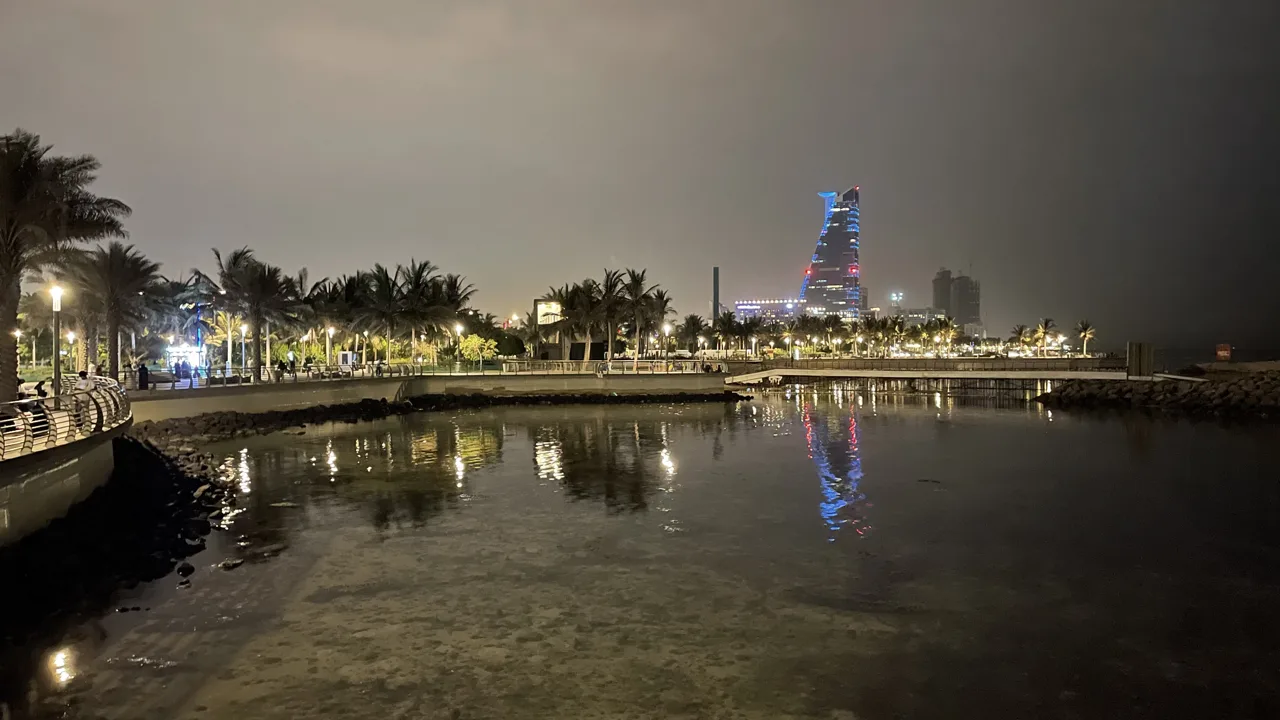
What happened in Aden?
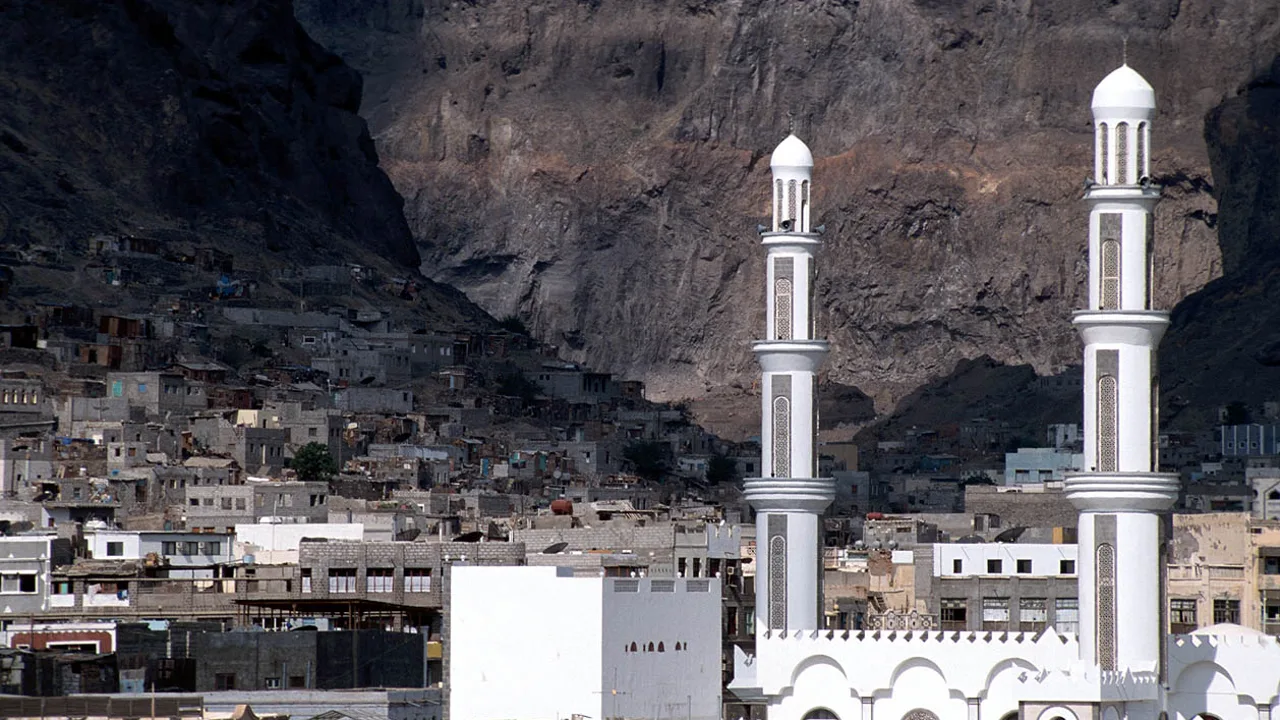
Ballistic missiles struck coast guard sites in Aden, the seat of Yemen's internationally recognised government, on Saturday. The government said the Houthis fired three ballistic missiles at coast guard sites in the city, and its Interior Ministry said two of the missiles struck a coast guard headquarters while a third hit a coast guard building in the Tawahi district, Reuters reported. A local security official, speaking to Xinhua on condition of anonymity, put the number at nearly four ballistic missiles, with some striking near Aden International Airport and key military facilities in the Khormaksar district and another hitting the Coast Guard Troops headquarters in Al-Tawahi; residents told Xinhua the blasts shook buildings across parts of the city, with plumes of smoke seen rising, and casualties and damage were not immediately known in that report. The AP reported at least two explosions heard near Aden's international airport, and the government's Interior Ministry saying the Houthis attacked the coast guard headquarters at its complex with two ballistic missiles. Saree said Houthi forces had targeted Saudi-backed military gatherings at Al-Nasr camp and a naval military base in Aden, saying Saudi officers were overseeing the mobilisation there; the Saudi-led coalition did not immediately comment on that assertion, Reuters reported.
What was reported killed in Sanaa and Hodeida?
Strikes were reported to have killed people in Sanaa and Hodeida on Saturday, with every toll in the reporting opened for this article originating with Houthi-run or local health authorities and no independent confirmation available. The AP reported that strikes killed 11 people, including four children, in Sanaa, according to the Health Ministry run by the Houthis, and that an airstrike hit homes in Hodeida province, killing at least four people, according to health authorities. The Sanaa Health Ministry's own preliminary statement, carried by Al-Thawra Net, gave a lower Sanaa toll: 10 people killed and 11 wounded, with three killed and three wounded when a house was hit in the Asr area of the capital and seven killed — including a woman and a child — and eight wounded in strikes on a cement factory in the Hamdan district of Sanaa Governorate. The AP's figure of 11 for Sanaa and the ministry statement's preliminary figure of 10 are published here unreconciled, as reported. The Houthis blamed neighbouring Saudi Arabia, which backs the forces fighting them, for the Sanaa and Hodeida strikes; Saudi Arabia did not respond to the AP's request for comment, and the AP said it could not independently verify the claims.
Why does this exchange matter?
Saturday's exchange is the latest intensification of a conflict reignited by the Iran war, Reuters reported. The renewed fighting has shattered the 2022 UN-brokered truce that largely halted cross-border attacks between the Saudi-led coalition, which backs Yemen's internationally recognised government, and the Houthis, who control Sanaa. The Houthis warned airlines earlier this month against using Saudi airspace, exempting only the airspace over Mecca and Medina, as they intensified attacks on the kingdom, Reuters reported. Whether any of Saturday's claimed attacks on Saudi oil facilities or airports hit their targets, what damage or casualties the Aden strikes caused, and whether the coalition confirms or answers the Sanaa and Hodeida reports had not been established in the reporting opened for this article.
This report is drawn from Reuters' October 24, 2026 report, opened and read in full via a verbatim Reuters carrier, the Associated Press's October 24, 2026 report, opened and read in full via an AP wire carrier, Xinhua's October 24, 2026 Aden report, opened and read in full via a carrier, and the Sanaa Health Ministry statement carried by Al-Thawra Net, opened and read in full. Casualty figures are attributed to the authorities that gave them throughout; the AP said it could not independently verify the Sanaa and Hodeida claims, and Saudi Arabia did not respond to its request for comment. The intercept counts (two missiles per Reuters, three per the AP), the Aden missile counts (three per the government via Reuters, nearly four per the official speaking to Xinhua, two at the coast guard headquarters per the Interior Ministry via the AP), and the Sanaa tolls (11 per the AP, a preliminary 10 in the ministry's own statement) are published unreconciled, as reported. No market snapshot box is included: the only oil figures available at publish time were Friday's settlements, already reported on this site, with no fresh Saturday figure tied to these attacks.