At least 33 civilians were killed in an overnight raid on Cantine, about 50 km (31 miles) west of Beni in North Kivu province, eastern Democratic Republic of Congo (DRC), in an attack authorities and civil society groups blamed on the Allied Democratic Forces (ADF), the armed group recognised by Islamic State as an affiliate. The attackers struck at about 11 p.m. local time on Thursday and set fire to a health post; a civil society leader told AP more than 50 houses were also burned. Patients — including a confirmed Ebola case — were forced to flee the local hospital into an area at the centre of the country's Ebola outbreak, Reuters and Al Jazeera reported on Friday.
What is the confirmed toll?
Thirty-three bodies have been counted by local civil society groups, and the official toll is not yet established. Tchetche Aliamini, a local civil society leader, confirmed to Reuters that 33 bodies were recovered after the attack, most with gunshot wounds, while others had been burned or hacked. Justin Paluku, head of another local civil society group, gave AP the same count: "So far, we have counted 33 bodies and more than 50 houses set on fire, along with various other forms of material destruction." Beni's territorial administrator, Colonel Charles Omeonga, told Reuters that a death toll could not yet be established because heavy rain hampered army operations and investigations. The figure published here is therefore the civil society count, reported independently through both Reuters and AP, not a final official toll.
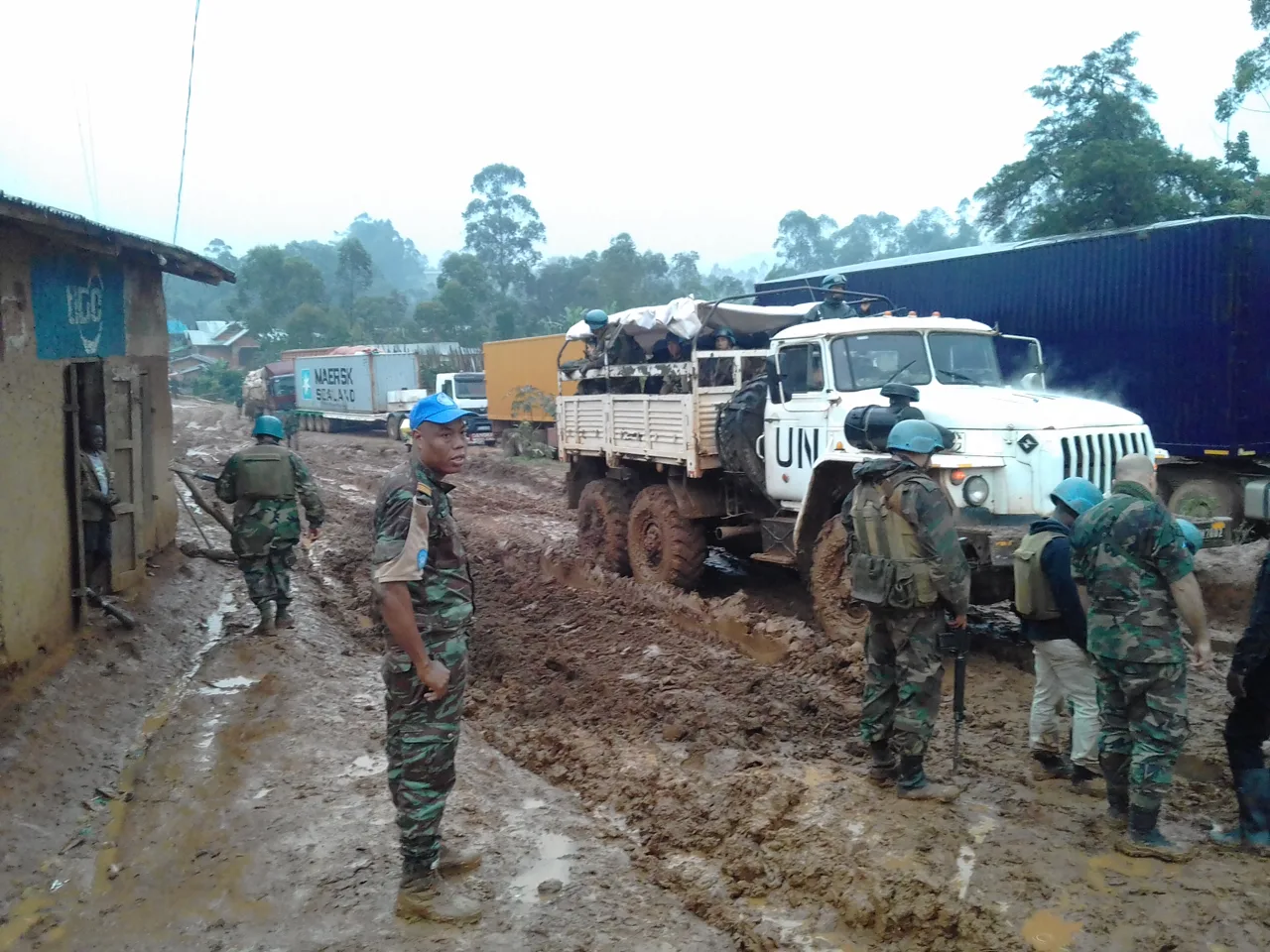
Why did Ebola patients flee the hospital?
Because the attack reached the hospital's doorstep, its medical director said. The raiders set fire to a health post during the assault, Reuters reported. Christian Kakule, medical director of the Kelekele Hospital Centre in Cantine, said 180 patients fled the hospital, among them suspected Ebola cases and one confirmed Ebola case; Kakule told Reuters the confirmed patient and five suspected cases included three high-risk contacts. "High-risk contacts and other individuals under monitoring have all fled," he said. "Our concern is that when probable cases end up out in the open like this, they can become a source of transmission and trigger an outbreak of the disease." He said there was gunfire and homes were set ablaze as close as 50 metres from the hospital. North Kivu accounts for almost half of all new infections in the DRC's Bundibugyo Ebola outbreak and is the second most affected province after the epicentre, Ituri; the Africa Centres for Disease Control and Prevention has recorded more than 10,000 cases and 5,300 Ebola deaths across the DRC, Al Jazeera reported.
Who is blamed, and what is the ADF?
Authorities and civil society groups blame the ADF. Omeonga told Reuters that ADF militants set fire to several houses and killed civilians, and Paluku also blamed the ADF for the attack. That attribution is published here as the account given to Reuters and AP by the territorial administrator and by civil society on the ground; no claim of responsibility by the group was included in the reporting opened for this article. The ADF has roots in Uganda and pledged allegiance to ISIL (ISIS) in 2019, and it has long operated in the border region and routinely attacks civilians — in July 2025 it killed 66 people in eastern DRC in what the United Nations called a "bloodbath," Al Jazeera reported. About 100 other armed groups operate in the DRC, most prominently the Rwanda-backed M23, which has seized key cities in the east while Ebola cases increase.
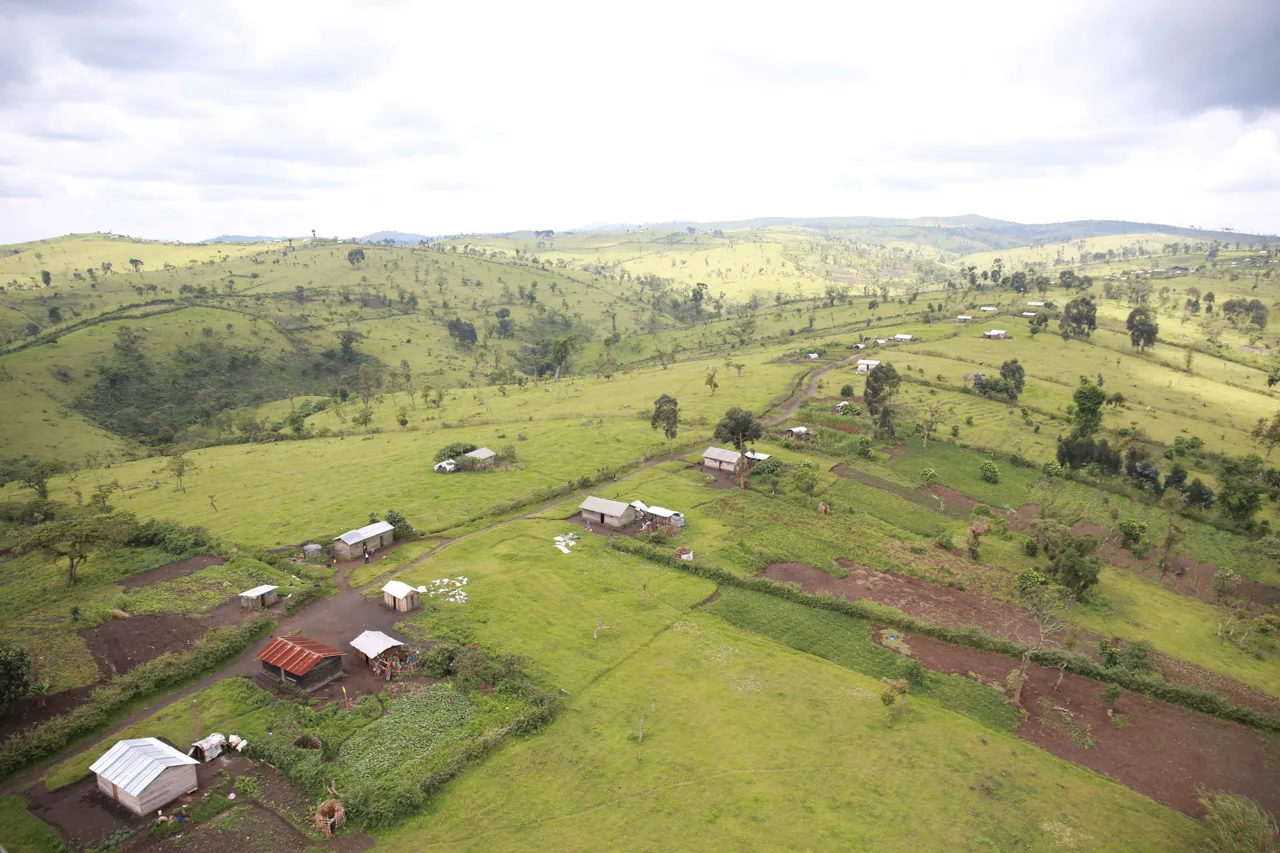
What has been said about security in the area?
Paluku called the raid a major security failure. "Given the number of loyalist and security forces deployed in this area, it is incomprehensible how the enemy managed to bypass their defences to kill civilians and inflict such significant material and human casualties," he told AP. Many villagers fled to other parts of the province after the attack, Al Jazeera reported. No reporting opened for this article describes what happens next for the patients and high-risk contacts who fled the hospital, whose monitoring was interrupted in the province where nearly half the outbreak's new infections are occurring.
This report is drawn from Reuters' November 6, 2026 report, opened and read in full on reuters.com, and from Al Jazeera English's November 6, 2026 report, opened and read in full via its rostered verbatim carrier Jamaica Inquirer, which also carries the AP reporting quoted in it. The death toll is the civil society count reported through both wires, attributed at each step; the ADF attribution is the account of the territorial administrator and civil society groups, reported as such, per the two-source rule.