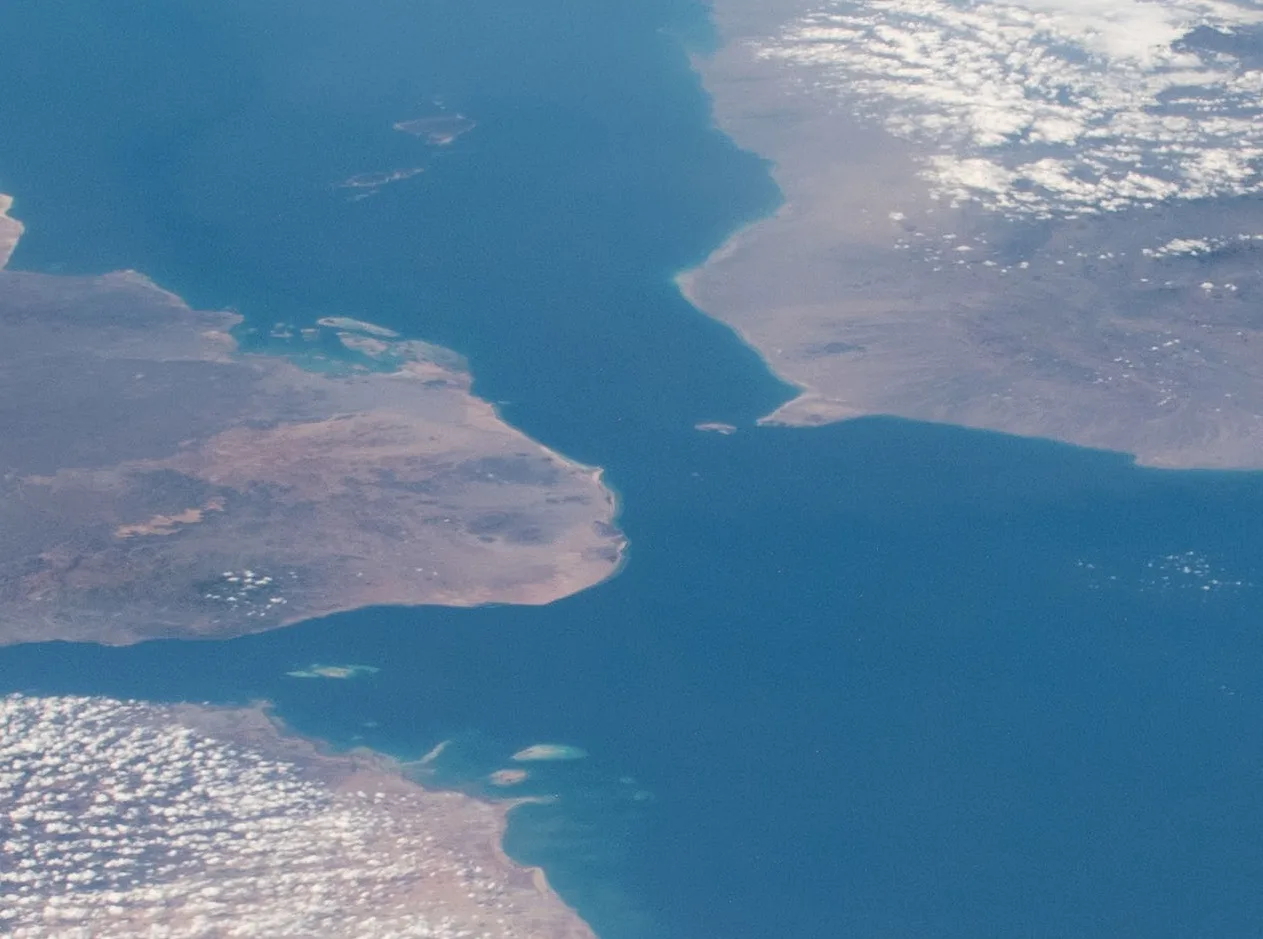
Yemen's Houthis have demanded $51 billion in compensation and official Saudi recognition of their authority over Yemen as the price of ending their attacks on the kingdom, The Wall Street Journal reported on Thursday. The demands were conveyed after Saudi Arabia itself approached the group to explore terms for ending the conflict, following Houthi attacks on Saudi oil tankers in the Red Sea and the group's capture of Mokha, the port city commanding the approach to the Bab el-Mandeb strait. The figure is attributed throughout this article to the Journal's reporting, which cites people briefed on the discussions; no agreement has been announced, and neither side has publicly confirmed the terms.
What are the Houthis asking for?
Two things: money on a scale rarely attached to a ceasefire, and a political surrender. According to the Journal, the Houthis are seeking $51 billion in financial payments to cover reconstruction costs and compensate for damage attributed to years of Saudi-led airstrikes and a prolonged blockade. Other figures have since been discussed, people briefed on the talks said, but the message remained that any settlement would run into tens of billions of dollars. Beyond the money, the group wants Riyadh to formally acknowledge it as Yemen's legitimate governing authority — a concession that would require Saudi Arabia to withdraw its support for the internationally recognized Yemeni government it intervened to restore in March 2015. Sources briefed on the negotiations told the Journal that, shortly after the Houthis' assault on the Red Sea coast on September 9 and 10, the Houthis demanded that Saudi Arabia recognize Houthi sovereignty over all of Yemen as part of an agreement to end the current war, the Institute for the Study of War (ISW) reported in its November 5 Iran Update.
Why are the Houthis negotiating from strength?
Because their 2026 campaign — a war resumed in July, a blockade on Saudi shipping, strikes on Saudi oil facilities and airports, and a ground offensive toward the Red Sea coast — was built to force Riyadh to the table. The Houthis resumed their war with Saudi Arabia in July 2026, ISW reported, imposing a blockade on Saudi shipping that month and then switching to an intensified strike campaign against Saudi critical infrastructure, including oil facilities and airports, which at times temporarily disrupted the kingdom's ability to export oil. In parallel, the group launched a ground offensive seeking to capture Taiz City and terrain along the Red Sea coast; a Houthi presence near the Bab el-Mandeb improves their capability to target Saudi shipping in the Red Sea. The demands that followed — lifting the Saudi "blockade" on shipping, control over Yemen's oil and gas resources, and recognition of Houthi sovereignty — are, in ISW's assessment, structured to end Saudi Arabia's involvement in Yemen altogether, which would seriously cripple the coalition of forces fighting for the internationally recognized government and enable future Houthi offensives to attempt to seize all of Yemen. The $51 billion sits on top of that structure: the Houthis have already rejected multiple Saudi ceasefire offers in recent months, including offers that reportedly included removing Saudi restrictions on Houthi-controlled ports and airports for humanitarian purposes and $1 billion in reparations — roughly one-fiftieth of the $51 billion figure now reported.
What are Saudi Arabia's options?
On the reporting available, every option carries a heavy cost: accepting means paying the $51 billion and recognising an Iranian-armed adversary, refusing means continued attacks on Saudi shipping and infrastructure, and escalating means a ground war the kingdom has reason to fear. Accepting the demands would mean paying an adversary that Saudi officials fear would return for more: officials are concerned that agreeing could encourage the rebels to seek additional payments and launch further attacks, according to the Journal's report. Recognition would mean legitimising, on its own southern border, the Iranian-armed movement the kingdom has fought for more than a decade. Refusing and escalating carries its own price — a large-scale ground offensive could result in substantial Saudi casualties and provoke domestic opposition, and the Journal reported that dozens of Saudi personnel have already been killed in the war, casualties that have not been publicly disclosed. Crown Prince Mohammed bin Salman is reportedly unwilling to accept the proposed arrangement without first strengthening the kingdom's military position against the Houthis — the same position Saudi air power tried to build in early October, when Saudi close air support enabled a Yemeni government counteroffensive along the Red Sea coastal plain, ISW reported.

What would recognition actually change?
It would require Saudi Arabia to withdraw its support for Yemen's internationally recognized government and end the legal premise on which its intervention has run since 2015. Saudi Arabia intervened in Yemen in March 2015 to restore the internationally recognized government's control after the Houthi capture of Sanaa and advance on Aden, and it has since supported numerous armed factions aligned with that government. A Saudi recognition of Houthi sovereignty would withdraw the coalition's political cover and, with it, the premise of its military support — which is why ISW assesses the demand as a war aim in itself rather than a bargaining chip to be traded down. The negotiations also involve control of strategically important territory near the Bab el-Mandeb, where Houthi advances and attacks on commercial shipping have added to Saudi Arabia's security concerns. Until Riyadh answers, the documented position is this: the kingdom asked what peace would cost, and the answer it received was $51 billion and Yemen itself.
This report is drawn from The Wall Street Journal's November 2026 reporting as carried in full by The Media Line (opened and read via its SRN News carrier) and reported by The Business Standard; and from the Institute for the Study of War's Iran Update of November 5, 2026, opened and read in full. The $51 billion figure and the recognition demand rest on the Journal's sourcing — people briefed on the discussions — and are published as its attributed report, not as confirmed terms; no agreement has been announced.