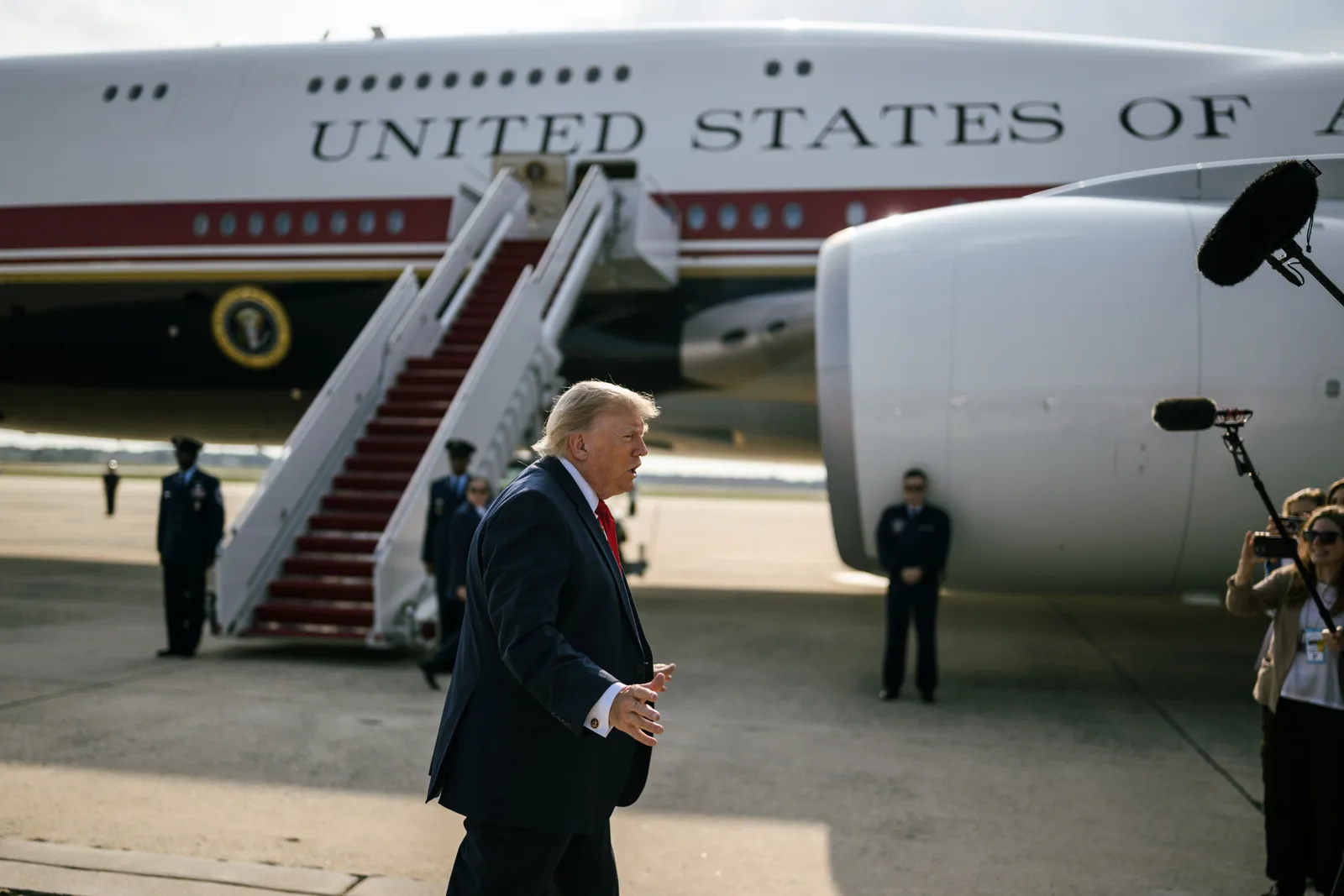
President Donald Trump said on Wednesday night that the United States is not negotiating with Iran and that "something" will happen "fairly soon" in the conflict, directly contradicting Iran's foreign minister, who said the same day that indirect talks over Tehran's seven-day ceasefire proposal were continuing through mediators. Trump made the remarks to a reporter before boarding Air Force One at Joint Base Andrews in Maryland, The Times of Israel reported. Iran's foreign minister, Abbas Araghchi, said on Wednesday that the two governments were still exchanging messages indirectly, with Pakistan and Qatar among the mediators, CBS News reported. The Associated Press, reporting on Thursday, stated the position the other way from the president: both sides have acknowledged that indirect discussions have continued since Trump rejected Tehran's latest proposal.
What exactly did Trump say?
"We are not negotiating with" Iran, Trump told the reporter, according to The Times of Israel, which carried the exchange from a NewsNation reporter's video post. "Something one way or another will happen, fairly soon," he continued. "Most people seem to think it's after the election." The comments came after The New York Times reported that the US and Israeli militaries have drawn up plans for renewed military strikes on Iran following the American midterm elections on November 3, the liveblog entry noted. A fuller paraphrase of the same remarks described Trump calling the confrontation a small conflict, saying the United States was doing very well both militarily and financially, and claiming Iran's military, navy and air force had been neutralised and that Tehran had run out of money. Those claims are Trump's own characterisation, published here as such; no independent assessment of them was included in the reporting opened for this article.
What does Iran say about the talks?
That they are still on. Araghchi said on Wednesday that Tehran and Washington remained engaged in indirect negotiations over the seven-day ceasefire proposal Iran presented in September, and that the US was seeking to add further clauses to the proposal Trump rejected last month, CBS News reported. The proposal's terms, as listed by CBS, are an end to the US naval blockade of Iranian ports and vessels, the lifting of sanctions on Iranian oil sales, the reopening of the Strait of Hormuz, and the release of frozen Iranian assets. "The negotiating table remains in place," Araghchi said, adding that it is the American side that is closing the path, not Iran. The AP reported that Araghchi said Tehran remains open to diplomacy but is ready to defend itself, and that Iran has indicated in recent days it could expand its targets to infrastructure such as undersea cables and data centres. A senior IRGC official made that threat explicit on Wednesday: Brigadier General Yadollah Javani, the Guards' deputy for political affairs, warned that if the US and its allies launch new attacks on Iranian infrastructure, Iran would use its full capabilities to retaliate, "including the internet cables that pass beneath the waters of the Strait of Hormuz," CBS reported. Analysts cited by CBS said cutting the cables would most likely affect internet connectivity in Persian Gulf countries.
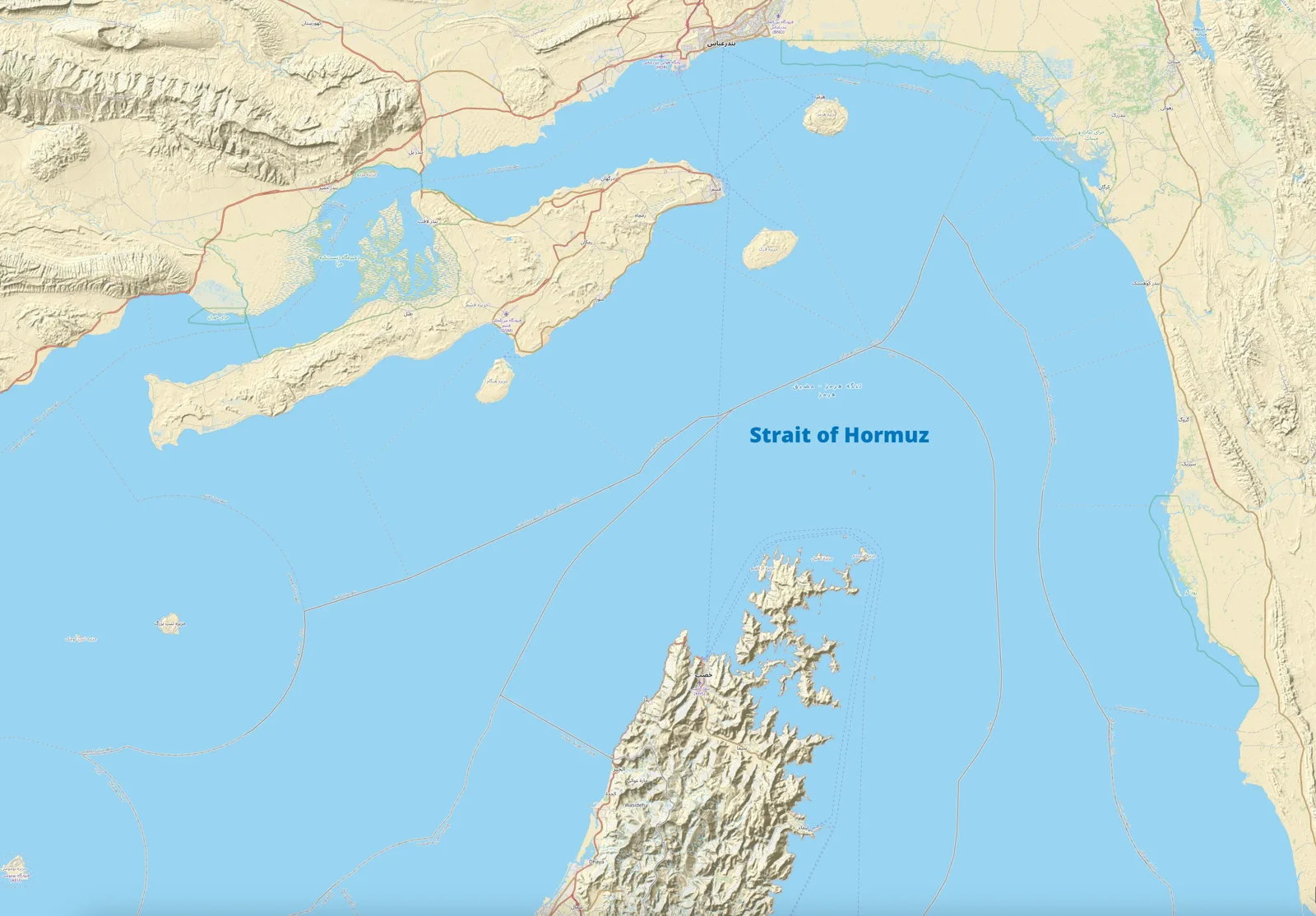
What is reported about strike planning, and what has the White House said on timing?
The planning report rests on anonymous sourcing and is published as such. The New York Times, citing US officials and other people briefed on the discussions, reported that the two militaries are drawing up concrete plans for a new bombing campaign after the midterms, with targets reportedly including Iranian energy infrastructure, nuclear facilities, and missile and drone stockpiles, and that Defense Secretary Pete Hegseth discussed new attacks with Prime Minister Benjamin Netanyahu in Israel this week. No independent confirmation of the plans was available in the reporting opened for this article, and this site has previously held the same report for exactly that reason; it is included now as the reported context for the president's on-record remarks, not as an established fact. On the record, the White House line on timing is the opposite of imminent action: deputy spokesperson Anna Kelly told Europa Press that the United States would not attack Iran at any point before the November 3 midterm elections, that Iran was in very poor economic and military condition, that the blockade of Iranian ports would keep being enforced firmly, and that a record amount of oil was flowing through the Strait of Hormuz. Trump himself promised on October 8 that there would be no strikes before the midterms. At the same time, the AP reported on Thursday that the United States is sending more military assets to the region, including a third aircraft carrier and thousands of troops, to join the largest force of American warships and aircraft in the Middle East in decades.
How did markets move on the news?
Brent crude futures rose 3.1 percent to $112.20 a barrel as of 04:12 ET on Thursday, and US West Texas Intermediate crude gained 2.79 percent to $99.86, CNBC reported, saying oil climbed on worries over a possible escalation in the Middle East conflict as the US reportedly plans to resume strikes against Iran. The move extended Thursday's earlier rally, in which Reuters put Brent at $111.64 at 06:26 GMT, close to a five-month high, on the attacks in Saudi Arabia and the IRGC's claim to have hit seven vessels in the Gulf and near Hormuz. Whether the next move in the war is a deal or an attack, both governments are now describing the same calendar: Trump pointed to the period after the November 3 elections, and Tehran's officials have said for days that they expect Washington to decide once the vote is over.
This report is drawn from The Times of Israel's October 22, 2026 liveblog entry on Trump's Andrews remarks, opened and read in full; CBS News's Iran-war live updates (page updated October 22, 2026), read in full via a live-browser check, for Araghchi's Wednesday statements and the Javani cable threat; the Associated Press's October 22, 2026 report, opened and read in full via its Press Association carrier, for the state of the indirect discussions and the US force build-up; Pollar News's October 22 summary, opened and read in full, for Europa Press's account of Anna Kelly's statements and a fuller paraphrase of Trump's remarks; and CNBC's October 22 oil report, opened and read in full via its carrier, for the markets box. Trump's statement that no negotiations are taking place is published as his on-record claim, set against Iran's account and the AP's reporting that both sides have acknowledged indirect discussions continuing; The New York Times' strike-planning report is published strictly as that paper's anonymously sourced reporting, without independent confirmation.