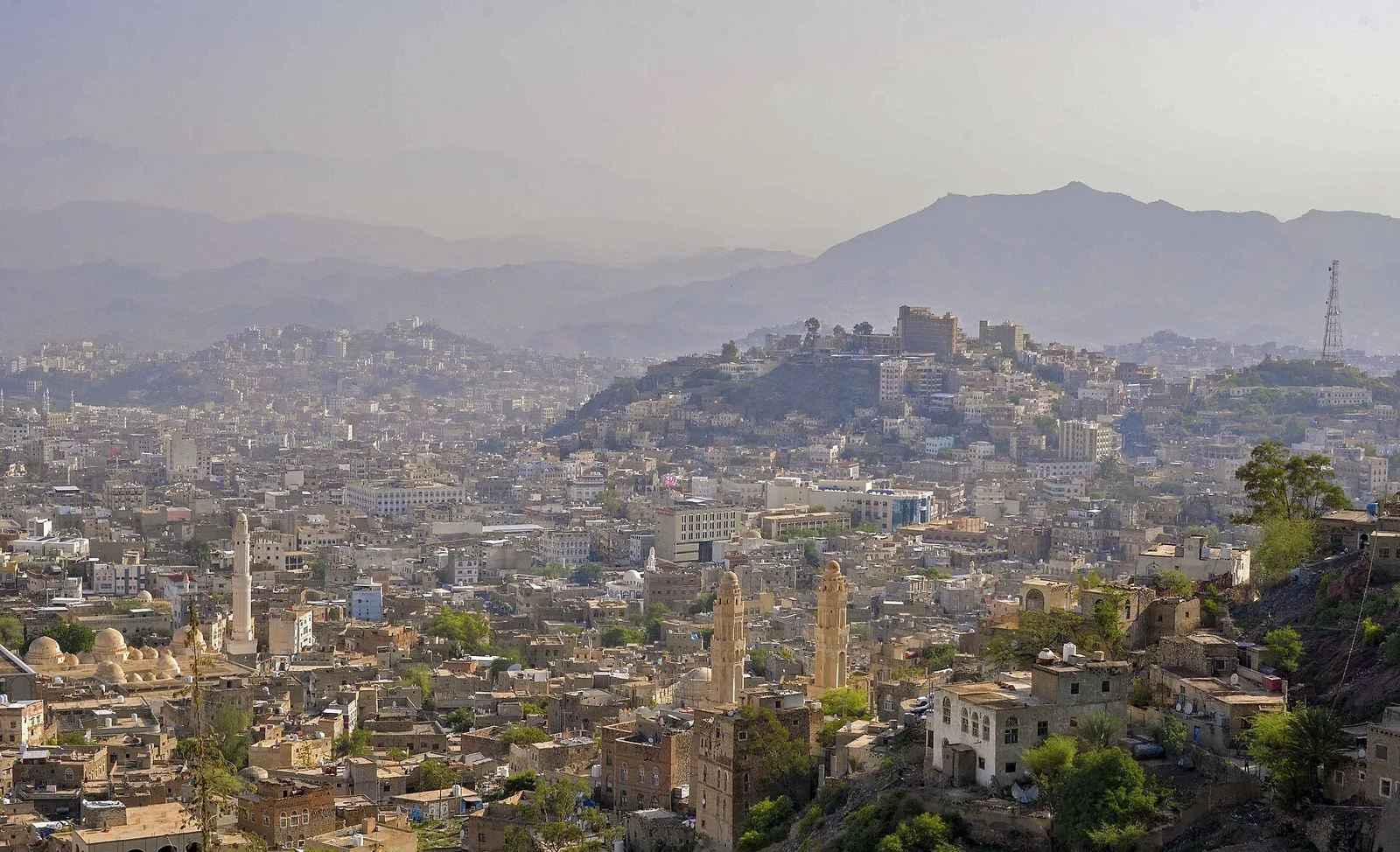
The siege of Taiz, Yemen's third-largest city, has cut the main road south to Aden, displaced 121,530 people in the city alone and left 12 hospitals with about four days of fuel, UN agency spokespeople said this week, as Iran-allied Houthi forces closed in around a city of almost 600,000 people. Across Yemen's renewed war, 233,077 people have now been displaced, UN migration agency spokesperson Zoe Brennan told reporters in Geneva. Taiz is fast becoming the most important front in a civil war that resumed this summer after a four-year truce — itself a new theatre in the wider regional conflict that began with US and Israeli strikes on Iran in February, Reuters reported.
How did the encirclement close?
By cutting the city's lifeline road and taking the ground south of it. Houthi forces have encircled the city by cutting the main road south to Aden, forcing people from their homes and deepening a humanitarian crisis, Reuters reported on October 16. A week earlier, the Houthis had kept up the pressure by seizing the town of Mudiriyat al-Misrakh, some 25 km (15 miles) south of the city, military sources said; military sources also reported fighting in al-Dabab, 10 km from Taiz, and on Sabar Mountain, which overlooks the city to the south, and Yemeni government warplanes targeted Houthi fighters and equipment in Dabab and Misrakh, government forces said. Residents reported heavy shelling of Taiz city on the Monday night of that week. Government sources said the Houthis were to blame; a spokesperson for the Houthis did not immediately respond to a request for comment, Reuters reported on October 13. The Houthis deny being armed by Iran and say they are fighting a corrupt system in Yemen. On Thursday, the group fired missiles at the presidential palace complex in Aden, killing five people, the government said — a strike Reuters set alongside the Saudi-led coalition's list of dozens of Houthi attacks on Saudi infrastructure in recent weeks.
What is life inside the city now?
Residents describe shortages, spiralling prices and fear of the shelling. "We lived a night of terror because of the continuous bombardment," said Ahmed Mahmoud, a resident reached by phone. "This morning there is calm and worry. The streets are empty." Yassine Muqbil, another resident, said there had been widespread shelling and his child was too afraid to go outside. Prices of basic goods have shot up: a sack of wheat had gone up by as much as 40%, resident Nashwan Saad said, adding, "By God, we know families who cannot find their daily food." Katja Juric, the IOM's Aden-based Head of Programmes, said access to Taiz city had been "significantly constrained", a small bottle of water now cost up to $4, and people were rushing to stockpile basic commodities in anticipation of a prolonged conflict. Wathiq Mahyoub said fuel was running short and garbage was piling up on the streets: "The siege is suffocating. It's strangling the citizens," he told Reuters. "The Houthis refused to open the crossing for us, even to dump the rubbish." Ali Hassan and his family took shelter under a stairwell at a school in Taiz; the 42-year-old said the latest fighting had forced him to flee several times, and that a shot from a Houthi sniper paralysed his hand in 2021. A month ago, he added, another sniper shot his sister in the spine while she was herding sheep, leaving her completely disabled. Reuters could not verify his accounts.
Where are the displaced going?
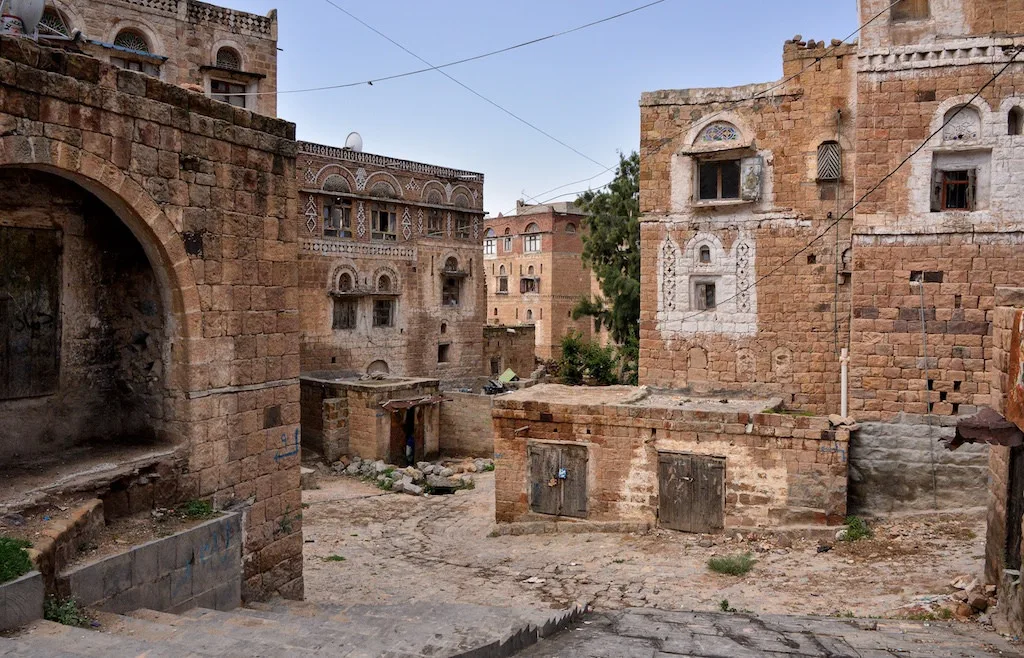
Often nowhere equipped to receive them. "There are no camps equipped to receive these families. We find some of these families living in large unfinished buildings," said Ahmed al-Jalal, director of the Executive Unit for the Management of Displaced Persons' Camps in Taiz governorate's Al-Muzaffar district. "Some are in shops, some in buildings unfit for living, with no essentials for living," he added. The IOM said the situation in Taiz had significantly deteriorated, with people, basic supplies and humanitarian goods unable to enter the city. Government sources told Reuters that 80,000 had fled Taiz in the latest fighting; the UN migration agency's wider count put displacement in Taiz at 121,530 out of 233,077 people displaced across the renewed conflict, and the IOM's earlier figure, reported by the Red Cross, put nationwide displacement at more than 200,000 since fighting began in recent weeks.
What is happening to the hospitals?
They are absorbing mass casualties with shrinking supplies. Front-line hospitals in areas including Marib, Taiz and Yemen's Red Sea coast were seeing unprecedented numbers of weapon-wounded patients, with some facilities admitting more than 700 casualties in a single week, the International Committee of the Red Cross said on October 14. "Trauma care staff are under enormous pressure," ICRC health coordinator Feras Abusamra said; only a small proportion of Yemen's functioning health facilities can provide comprehensive trauma care, amid shortages of surgical supplies, anesthesia, oxygen and medicines. In Taiz itself, World Health Organization spokesperson Tarik Jašarević said 12 hospitals had about four days of fuel while there was a shortage of oxygen and medicines. "Taiz is being cut off, and its hospitals are running out of supplies as fighting has reached urban districts where the main referral hospitals stand," he said. "Unfortunately, the road closures are blocking the resupply." Yemen's health services, battered by more than a decade of conflict, may have limited capacity to absorb a new surge in mass casualties if fighting intensifies further, the ICRC warned.
Why does Taiz decide so much?
Because of what falls with it. Taiz has been on the frontline between the Houthis and the government since the war's first days, and it is now the last major urban stronghold of anti-Houthi forces in the southern highland area of Yemen, Reuters reported. For the Houthis, seizing Taiz city would be a big boost 12 years since the war first erupted; it would leave oil-rich Marib as the last city under government control in northern Yemen. Mohammed Al-Qadhi, a political and conflict analyst, said the heavy shelling and the "tight siege" indicated increasing pressure, noting that Taiz governorate's countryside overlooks the coastline and the Bab el-Mandeb strait. The war erupted in 2014 when the Houthis seized the capital Sanaa, driving the government south to Aden; a Saudi-led military intervention the following year led to a bloody stalemate before the UN-brokered 2022 truce that held until this year. Last week, government forces launched a campaign to recapture areas controlled by the Houthis, recovering ground near the Bab el-Mandeb Strait. A Houthi victory in Taiz would mark one of the biggest turning points in a war that resumed this summer — and, Reuters reported, the Aden strike and the Houthis' determination to take Taiz suggest the conflict could drag on.
This article is drawn entirely from Reuters reporting opened and read for this article: the October 16 Taiz feature, the October 13 shelling report and the October 14 Red Cross hospitals report. Resident accounts are those residents' own, as told to Reuters, which noted it could not verify Ali Hassan's account; figures are the IOM's, the WHO's and the ICRC's as carried by Reuters.