Russia has attacked Ukraine's energy, oil and gas sectors 76 times in the week since US President Donald Trump announced a halt to attacks on energy infrastructure, President Volodymyr Zelenskiy said on Sunday, with the latest overnight strikes hitting substations in the Vinnytsia, Zhytomyr, Khmelnytskyi and Odesa regions. Neither Kyiv nor Moscow confirmed Trump's announced ceasefire agreement, Reuters reported. The same morning, the air war spilled onto NATO's eastern flank: Poland scrambled aircraft and searched for a possible crashed object south of Lublin, Lithuania sent residents to shelters for about an hour and closed Kaunas airport, and Latvia issued and then dropped an air warning.
What did Russia launch at Ukraine overnight?
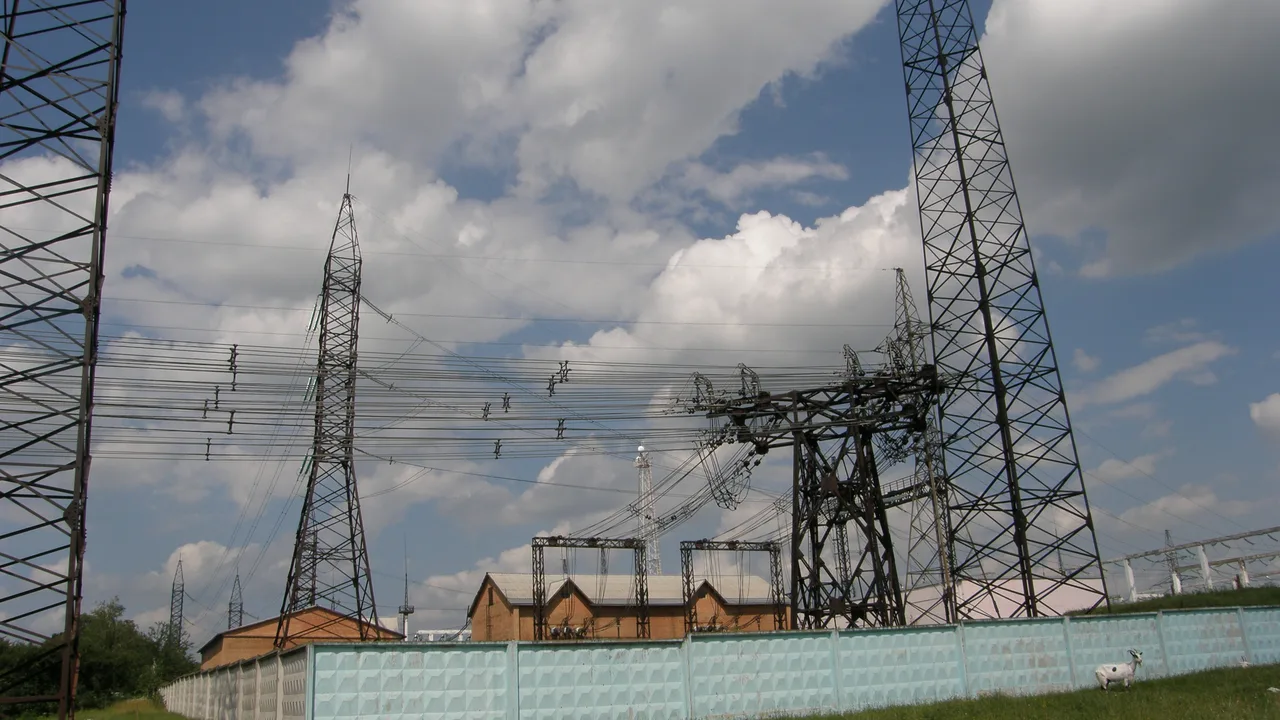
Ukraine's Air Force said Russia attacked from 18:00 on October 17 with an Iskander-M ballistic missile launched from Russia's Voronezh region and 180 strike drones, including 26 jet-powered models, launched from Orel, Bryansk, Kursk, Shatalovo and Primorsko-Akhtarsk in Russia, from occupied Donetsk and from Hvardiiske in Crimea. As of 08:00, air defences had shot down or suppressed 152 drones; impacts were recorded at 20 locations and debris fell at four more, and about ten drones were still in Ukrainian airspace when the Air Force reported. Zelenskiy said substations in Vinnytsia, Zhytomyr, Khmelnytskyi and Odesa were hit overnight, leaving tens of thousands of families without electricity while repair crews worked around the clock; that residential buildings were also struck, with two people killed and 12 injured, including two children, according to his account; and that an agricultural enterprise in the Volyn region was hit on Sunday morning. Over the past week, he said, Russia launched nearly 2,700 attack drones, 1,700 aerial bombs and 66 missiles at Ukraine, most of them ballistic, with energy facilities as the main targets — an attempt, in his words, to create a blackout.
What happened on NATO's eastern flank on Sunday morning?
Three alliance states raised air alerts within hours. In Poland, the Air Force conducted preventive operations related to Russian missile attacks on Ukraine, the Polish Armed Forces said, and the airports at Lublin and Rzeszow suspended flight operations to free airspace for military aviation, the Polish Air Navigation Services Agency said. Separately, the Polish army said it was verifying a possible violation of its airspace by an unidentified object — so far unconfirmed — and had deployed a ground search-and-rescue team south of Lublin to search for the object's possible crash site. In Lithuania, residents in central and northern parts of the country were told to go to shelters for about an hour on Sunday morning because of an unrecognised flying object, the army and the national crisis management centre said; NATO air police fighters were summoned, Kaunas airport was closed, and soldiers were investigating possible drone debris near Juodzionys village after the object disappeared from radar. The object probably entered from Poland, the centre said, citing the army. Latvia issued and then dropped a "yellow" air warning in regions bordering Lithuania during the same period, citing a possible threat. Reuters noted that Ukrainian drones have repeatedly entered NATO airspace in the Baltic region in recent months, and that Kyiv has said they were steered off course by Russian signal jamming.
Why does the 'energy ceasefire' claim matter?
Because the week's figures are now the centre of the argument over Washington's latest moves on Russia. Trump announced the energy halt a week ago; Zelenskiy said Russia's 76 energy attacks since then show Moscow is not taking steps toward an agreement in response to the lifting of sanctions or a deal, and that Russia must be pressured so that peace has a chance. On Friday, Trump waived key sanctions and tariffs under the Graham Act days before they were to take effect; Secretary of State Marco Rubio said on Sunday that the president would use up to 60 days to assess the economic impact of the waived measures, according to Reuters reporting carried in a live blog. Ukraine, for its part, announced on Thursday that it was ending its own brief pause on strikes against Russian energy targets.
Attribution note: the 76-attack tally, the overnight casualty figures of two killed and 12 injured, and the weekly totals of drones, bombs and missiles are President Zelenskiy's own figures, published on X and reported by Reuters and UNN; they have not been independently verified. The overnight launch and interception figures are the Ukrainian Air Force's, reported via Antikor. The Polish, Lithuanian and Latvian air-alert details are those countries' armed forces and crisis authorities, as reported by Reuters; Poland's army stated that no airspace violation had been confirmed, and the origin of the object tracked over Poland and Lithuania had not been established in the reports opened for this article.