Russia's territorial gains in Ukraine in 2026 amount to a net 144.5 square kilometres, the Institute for the Study of War (ISW) assessed in its October 16 assessment — roughly 45 times smaller than the approximately 6,500 square kilometres and 310 settlements President Vladimir Putin claimed Russian forces had captured since the beginning of the year. The gap widens further for the autumn: where Chief of the General Staff Valery Gerasimov claimed more than 1,800 square kilometres and 92 settlements taken since September 1, ISW assessed that Russian forces have suffered a net territorial loss of about 122 square kilometres since that date, and have been losing an average of about seven square kilometres a day since the beginning of October. Ukraine's General Staff dismissed the Kremlin's figures as an "illusion" manufactured for Moscow's political leadership.
What exactly did Putin and Gerasimov claim?
The claims were made at command-post briefings on Friday, October 16. Putin claimed Russian troops had captured about 6,500 square kilometres since the beginning of the year, and 310 settlements. Gerasimov, briefing Putin separately the same day, reported that Russian forces had captured 92 Ukrainian settlements and more than 1,800 square kilometres of territory since September 1, including the eastern town of Dobropillia. Putin also claimed Ukrainian forces controlled only around 10% of Donetsk region, and just 16.5% of Zaporizhzhia region, while Russian commanders reported capturing more than 300 square kilometres in Sumy region during the summer and autumn, and Gerasimov claimed Russian forces were within five kilometres of Zaporizhzhia city. The claims were the Kremlin's most detailed public account of the year's campaign — and, on ISW's measurement, its least accurate.
What does ISW measure instead?
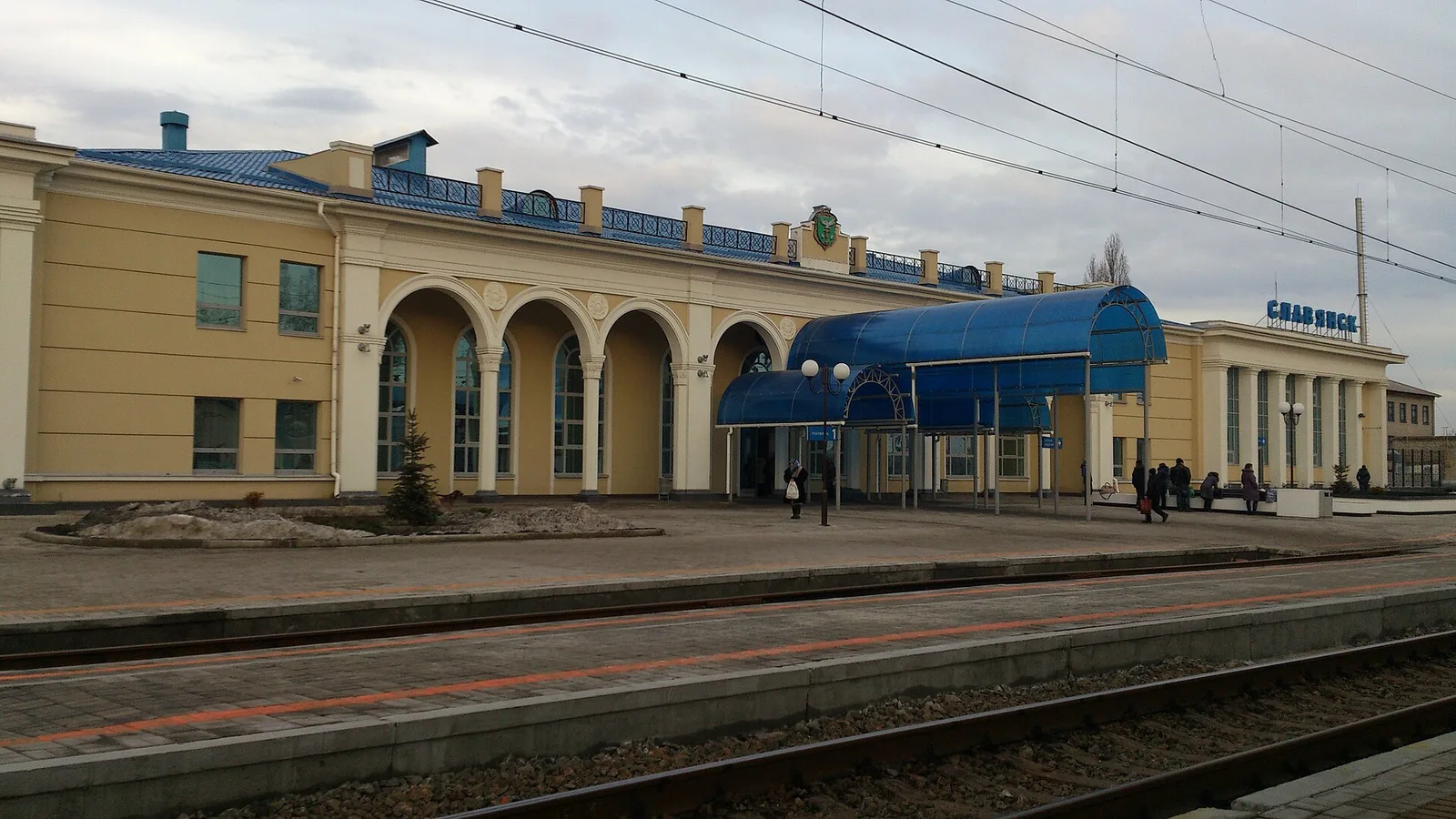
A front that is barely moving, and in places moving backwards. ISW estimates Russia achieved a net territorial gain of approximately 144.5 square kilometres between January and September 2026, across the Donetsk, Kharkiv, Sumy and Zaporizhzhia sectors the claims covered. Since September 1, ISW assessed a net Russian loss of approximately 122 square kilometres, with Ukrainian counterattacks reversing Russian advances in several sectors. In Donetsk region, ISW estimates Ukraine retains approximately 5,530 square kilometres — more than 20% of the region, double Putin's claimed share. In Zaporizhzhia region, ISW assessed Ukrainian control at approximately 24.6%, against Putin's 16.5%. In Sumy region, ISW estimated Russian gains at 99.1 square kilometres since the beginning of 2026, against the commanders' claim of more than 300. ISW found no evidence supporting Russian claims of capturing Dobropillia or entering Druzhkivka: Russian forces remain at least 12 kilometres from Druzhkivka and nine kilometres from Kramatorsk, and at least 20.95 kilometres from Zaporizhzhia city — or approximately 11.6 kilometres when accounting for limited Russian infiltration attempts — against Gerasimov's five-kilometre claim.
How did Ukraine answer the claims?
Point by point, and in similar numbers to ISW's. Ukraine's General Staff spokesman Andriy Kovaliov dismissed the claims as false in an emailed statement: "In fact, through their active operations, the Ukrainian Defense Forces have liberated more territory since the beginning of autumn than the enemy has managed to capture." He added: "The Russian military leadership continues to create an illusion of major victories for its political leadership and domestic audience." Kovaliov rejected specific Russian claims of reaching the outskirts of Kramatorsk and advancing in the suburbs of Sloviansk, said Dobropillia remains under Ukrainian control despite sustained Russian attacks, and put the front line near Zaporizhzhia at about 22 kilometres from the regional capital. President Volodymyr Zelenskiy has given figures that converge with the independent assessment from the opposite direction: he told the Wall Street Journal that Russian forces had occupied 890 square kilometres since the beginning of 2026 while Ukraine's forces had liberated 800 — a net advance of about 90 to 100 square kilometres, against annual gains of 3,000 to 4,000 square kilometres in earlier years of the war. Reuters noted it could not independently verify either side's battlefield claims.
Why do the claims diverge so far from the map?
ISW's answer is method — and intent. The institute distinguishes territory firmly held from infiltration: Russian forces have been using infiltration tactics in part to create the perception of continuous advances, but they do not control the infiltration areas, and counting "grey zones" as captured inflates the totals. On intent, ISW assessed that the Kremlin's exaggerated battlefield claims form part of a broader information campaign intended to portray Russian advances as inevitable and pressure Ukraine and its Western partners into accepting Moscow's negotiating demands — demands that include the Donetsk "fortress belt" of Sloviansk, Kramatorsk, Konstiantynivka and Druzhkivka, heavily fortified cities ISW said Russian forces have been unable to capture. Other trackers point the same way on the trend: Russia's net territorial gains fell to their lowest monthly level since June 2023, according to the Finland-based Black Bird Group, as Ukrainian counterattacks in northern Donbas disrupted Russian advances and expanded drone operations slowed Moscow's offensive. The claims also landed in a specific diplomatic week: they were briefed on the same day President Trump signed the executive order waiving the Graham Act's Russia sanctions, a step Kyiv warned would embolden Moscow — which is precisely the audience, ISW's assessment implies, that numbers like 6,500 square kilometres are written for.
This analysis is drawn from the ISW October 16 assessment as reported by UNITED24 Media and inbox.lv, and from Ukraine's General Staff rebuttal, all opened and read for this article. Every territorial figure is attributed to the side or institute that produced it: the Kremlin's claims are the Kremlin's, ISW's measurements are ISW's, and Ukraine's figures are Ukraine's. Reuters noted it could not independently verify either side's battlefield claims, and neither could this desk.