A Ukrainian drone attack on St Petersburg killed one person and injured five on Sunday, the city's governor, Alexander Beglov, said, as fires broke out at the St Petersburg oil terminal, an oil depot and industrial warehouses. Russia's Defence Ministry said air defence units downed 1,015 Ukrainian drones over Russian regions overnight — a figure reported as the ministry's own count, which could not be independently verified — in what Russian officials described as one of the largest Ukrainian drone attacks of the war.
What was hit in St Petersburg?
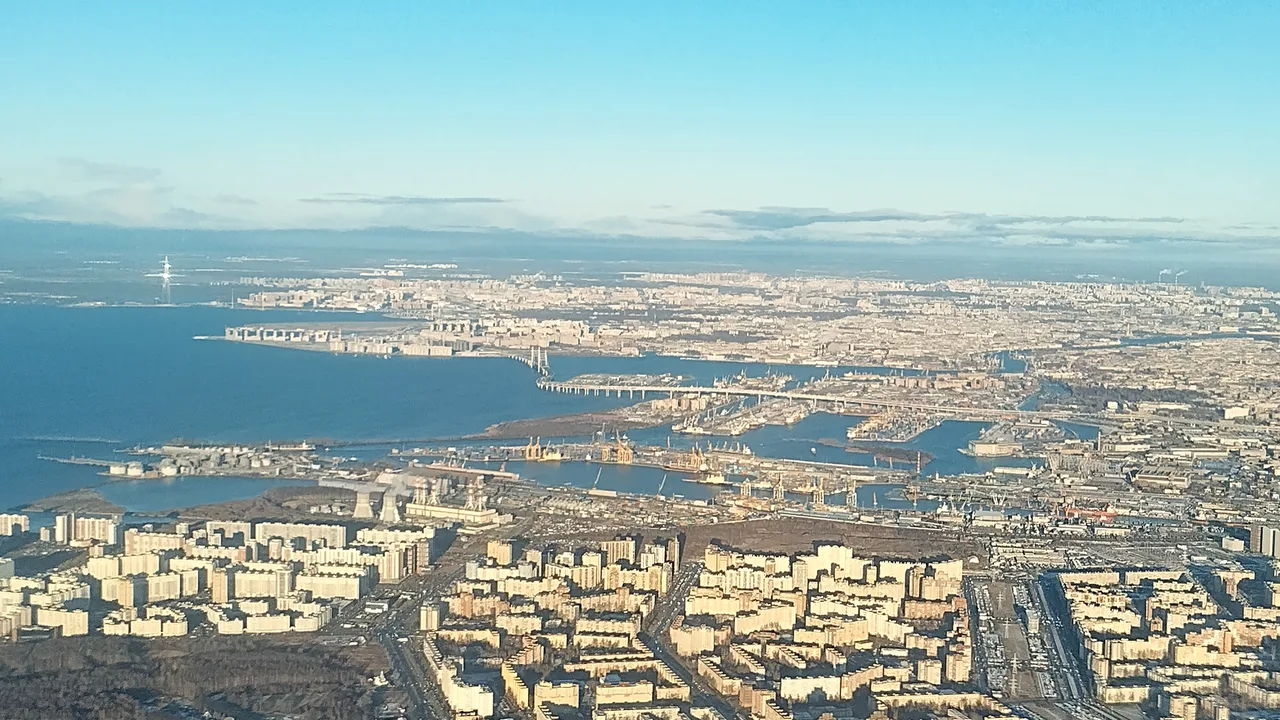
The fires were reported at fuel and commercial sites across Russia's second city. Beglov said fires had broken out at the St Petersburg oil terminal, an oil depot and industrial warehouses, Reuters reported. The Russian e-commerce company Ozon said its logistics hub in St Petersburg was on fire, and the internet company VK said its data centre in the surrounding Leningrad region had been attacked by drones, adding that its services remained available to users as normal. Earlier reporting put the number of drones downed over the Leningrad region at 126, according to regional governor Aleksandr Drozdenko writing on Telegram, and said the attack caused fires at civilian infrastructure sites in three districts of the city; Beglov said restrictions had been imposed on operations at Pulkovo Airport, the city's international airport, for security reasons, and at that stage no casualties had been reported. The governor's later statement reported the one death and five injuries.
What happened around Moscow?
The attack also reached the capital. Moscow Mayor Sergey Sobyanin said air defences had destroyed 195 drones heading toward Moscow since midnight, and that emergency teams were inspecting debris at the impact sites, the Qatar News Agency reported. Russia's civil aviation authority, Rosaviatsiya, suspended flights at Moscow's Domodedovo and Vnukovo airports. QNA noted that while Russian air defences frequently engage drones targeting the capital region, the involvement of such a large number of drones is unusual.
Why does the oil terminal matter?
The terminal is one of the petroleum-handling sites in the Baltic port of St Petersburg, and the oil sector around the city has been regularly targeted by Ukraine in recent months. The St Petersburg oil terminal was previously attacked by Ukrainian drones in June, on the opening day of a major economic forum attended by Russian and foreign officials. Since the beginning of October, the Ukrainian military has also struck several data centres, most of them belonging to the technology company Yandex. The overnight attack came days after Ukraine announced on Thursday that it was resuming strikes on Russian refineries, accusing Russia of never having halted its own attacks after President Donald Trump unilaterally announced an energy ceasefire between Moscow and Kyiv last Sunday; Trump has urged Kyiv to halt its strikes on Russian oil refineries, which he says are contributing to higher oil prices.
Attribution note: the casualty figures, the fire locations and the airport restrictions are the statements of St Petersburg governor Alexander Beglov and Leningrad region governor Aleksandr Drozdenko, as reported by Reuters and Balkan Business News; the Ozon and VK facility reports are those companies' own statements, carried by Reuters; the 1,015-drone total is the Russian Defence Ministry's claim, reported by Reuters, and the 195-drone Moscow figure is Moscow Mayor Sergey Sobyanin's, reported by the Qatar News Agency. None of the Russian official figures could be independently verified, and Ukraine's military had not claimed the attack in the reports opened for this article.