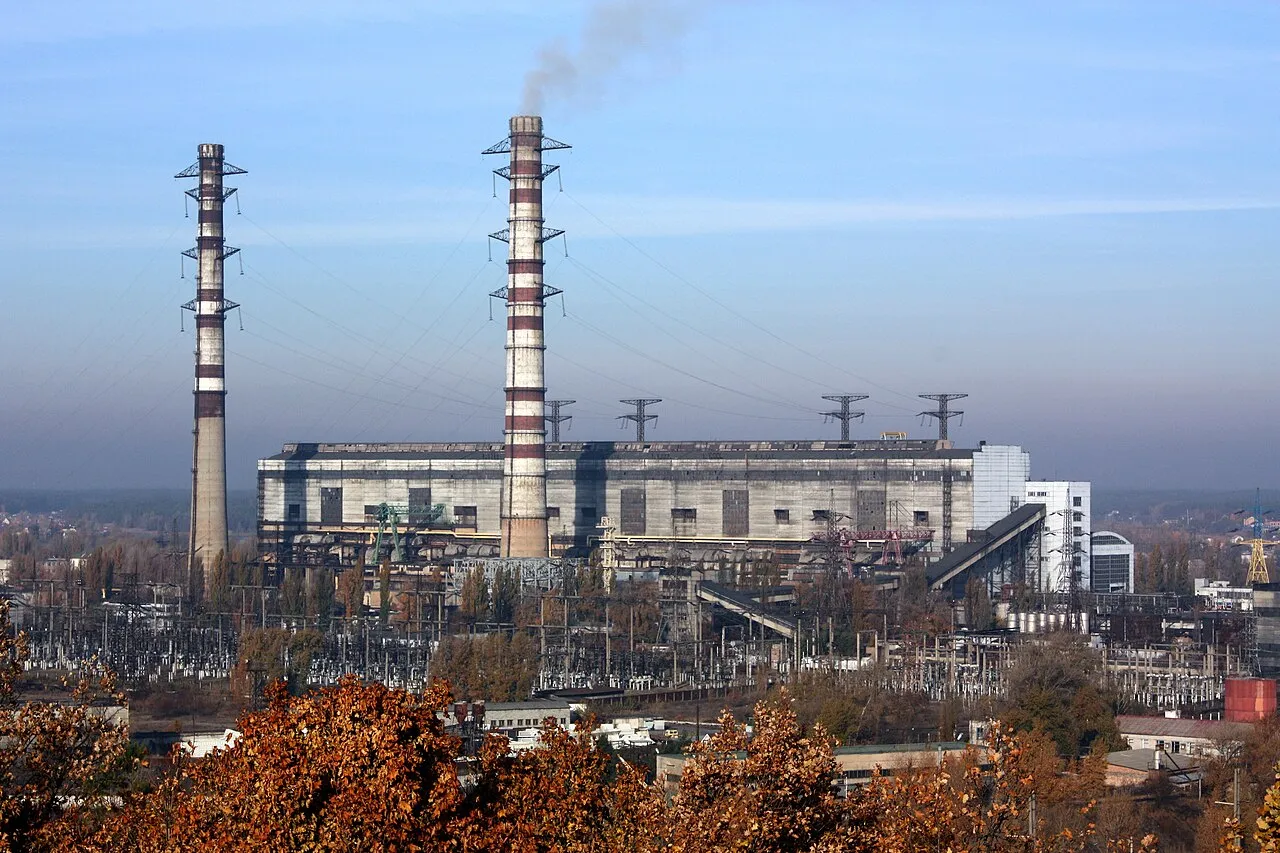
A massive Russian attack on a DTEK thermal power station on Thursday caused serious damage and forced the plant to stop generating electricity, Ukraine's largest private energy company said on Friday, in the latest strike of an autumn energy campaign that has spread across the whole country as winter approaches. Preliminary information indicates that none of the plant's staff were injured, DTEK said. The company is not disclosing the plant's location for security reasons. The halt comes days after Russia expanded its energy strikes into previously untargeted western regions, and weeks into what the United Nations calls one of the deadliest periods for Ukrainian civilians in years.
What happened at the plant?
The attack was on Thursday, and the damage was serious enough to stop generation entirely. DTEK teams are clearing debris and are set to begin repairs as soon as the site is made safe, the company said, coordinating its actions with Ukrenergo, the national grid operator. DTEK framed the strike as part of a sustained bombing campaign since mid-August, in which Russia has been striking thermal, combined heat-and-power and hydroelectric plants — in the company's words, to maximise the suffering of Ukrainians this winter. The company's thermal power plants have been attacked more than 230 times since Russia's full-scale invasion in 2022, it said. No casualty figure and no repair timeline were given in the statement, and no independent account of this specific strike had been published in the reporting opened for this article; the event rests on the operator's own statement, attributed as such throughout.
How has the campaign widened this autumn?
Westward, and earlier than in previous winters. Russia resumed attacks on Ukraine's energy sector in October, before the start of the cold season, targeting power plants and electricity transmission systems, and has expanded the strikes from eastern and central Ukraine to energy facilities in previously untargeted western regions, causing waves of blackouts, energy ministry officials and local authorities told Reuters on October 20. "Unfortunately, the enemy continues to deliberately and systematically attack our energy infrastructure," Deputy Energy Minister Artem Nekrasov said in a televised statement. He said Russia struck energy facilities in the central Kirovohrad region, the western Zhytomyr, Lviv, Rivne, Ternopil and Khmelnytskyi regions, and the southern region of Odesa, and that some consumers were left without electricity. The same night Nekrasov described, a Russian attack hit three DTEK energy facilities in the southern Odesa region, leaving 32,700 families without electricity, the company said. President Volodymyr Zelenskiy said that week that Russia had attacked Ukraine's energy, oil and gas sectors dozens of times in the week since President Donald Trump announced a halt to attacks on energy infrastructure; Ukraine had previously said it was ready for an energy ceasefire, but also asked its allies to provide missiles to intercept the Russian ballistic missiles used against the energy system, Reuters reported.
What is the human cost?
The UN's monitors put September among the worst months of the war for civilians. The UN human rights monitoring mission verified at least 328 civilians killed and 2,105 injured in September — 85 percent more than in September 2025 — with casualties recorded across 22 regions and the city of Kyiv, where civilians were killed or injured on 22 of the month's 30 days, more often than in any month since the full-scale invasion began, UN News reported on October 16. The trend continued into October: on the night of October 6-7 alone, a Russian cruise missile and drone attack killed 22 civilians and injured 45 in Pryluky, in Chernihiv region. "The first two weeks of October were among the deadliest periods for civilians in years," said Danielle Bell, head of the monitoring mission. On October 13 and 14, strikes hit multiple energy facilities, including Kyiv's three main power stations, temporarily leaving 600,000 people in the capital without electricity, according to Ukrainian authorities. "Systematically attacking electricity and heating infrastructure as winter approaches is bound to inflict significant suffering on the civilian population," Bell warned. The mission also noted that Ukrainian armed forces targeted electricity and heating infrastructure in occupied territory and in Russia.
What do aid agencies expect this winter?
Displacement pressure, on top of the blackouts. Millions of Ukrainians face another winter of hardship as attacks on critical infrastructure, damaged housing and rising living costs threaten to force more people from their homes, the International Organization for Migration said on October 16. "Winter is fast approaching in Ukraine, and for many Ukrainians, the months ahead could be the most difficult since the full-scale war began," Dejan Keserovic, the IOM's deputy chief of mission in Ukraine, told reporters in Geneva. Nearly 3.6 million people remain internally displaced across Ukraine since 2022, while an estimated 3.8 million have returned after displacement, often to damaged or partially destroyed homes — and those who returned within the last three months are the most likely to say they intend to leave again, the IOM said. European countries such as Poland, Germany and the Czech Republic host around 6 million Ukrainian refugees, and host countries should prepare for more departures if the situation worsens, Keserovic said. Reliable access to water is emerging as a major concern because water systems depend heavily on electricity; the IOM has installed 31 solar power stations to support water systems, but warned the needs remain immense, and less than 7 percent of its 2026 Ukraine response plan is funded. At the occupied Zaporizhzhya nuclear plant, meanwhile, the eighth localised ceasefire brokered by the IAEA began on Thursday to allow repairs to a damaged backup transformer, UN News reported — and the agency's director general warned diesel fuel at the plant was running low, with no deliveries since March.
This report is drawn from DTEK's October 23 statement, opened and read in full on the company's site; Reuters' October 20 report on the campaign's western expansion, opened and read in full; UN News' October 16 report of the human rights monitoring mission's findings, opened and read in full; and Reuters' October 16 report of the IOM briefing, opened and read in full. Thursday's plant strike is published as the operator reported it; the wider campaign, casualty and displacement figures are the UN agencies' and Ukrainian officials', attributed as such.