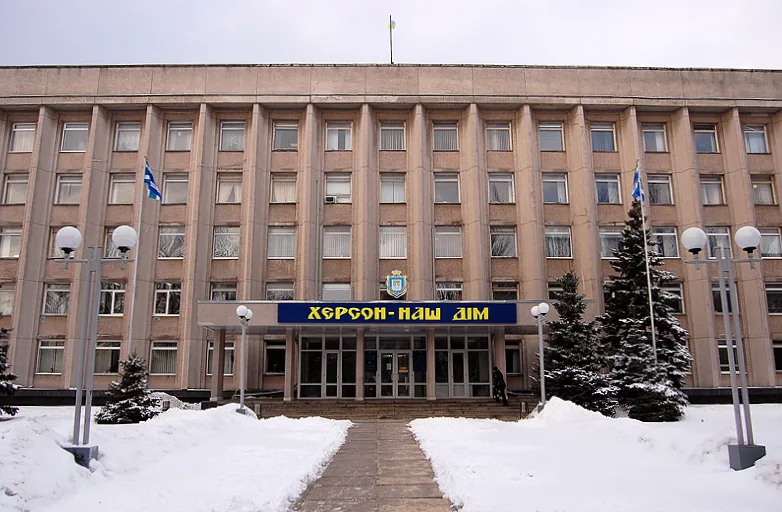
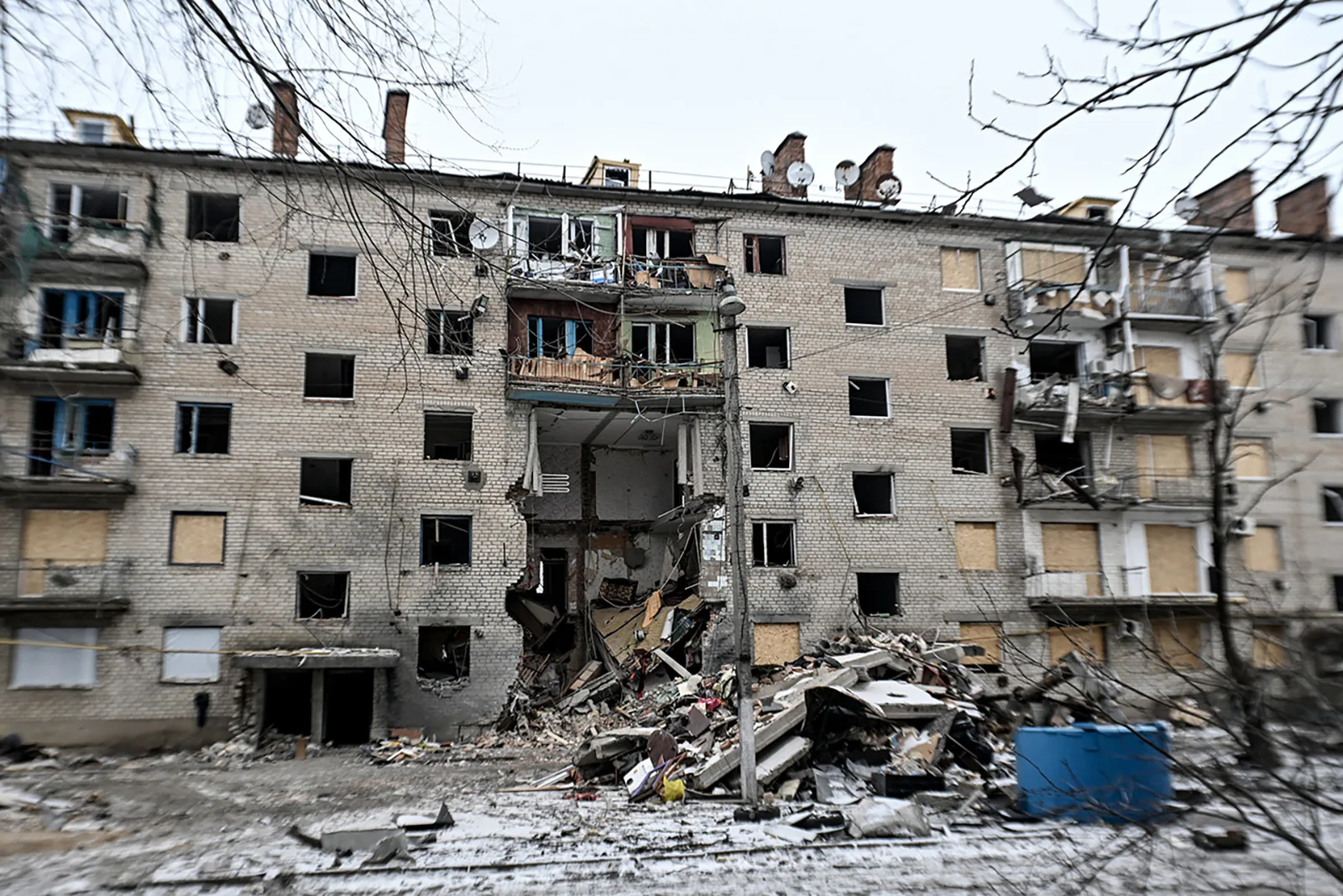
Russia strikes Ukraine's power grid in a massive overnight barrage: the attack inflicted severe damage on energy facilities in 10 regions, Deputy Energy Minister Artem Nekrasov said on Tuesday, leaving more than 180,000 customers in the Zhytomyr region without power and heavily damaging a facility belonging to private energy firm DTEK in the Odesa region. Nekrasov said Kharkiv, Zhytomyr and Vinnytsia were among the worst-hit regions. In Kharkiv, a strike damaged a medical facility and injured 73 people, according to updated figures from regional authorities reported by the Kyiv Post — a local-authority figure published here with that attribution, and with no independent verification available in the reporting opened.
What happened in Zhytomyr and Odesa regions?
Zhytomyr was named among the worst-hit regions, and a DTEK facility in Odesa region was heavily damaged. About 130 settlements in the Zhytomyr region were without electricity on Tuesday morning, according to its governor, Vitalii Bunechko, and strikes there also disrupted water supplies in the regional capital and surrounding communities, the Kyiv Post reported. Reuters reported that no deaths or injuries were reported in the Zhytomyr and Odesa region attacks it covered. In Odesa region, an attack shortly before midnight on Monday caused significant destruction at a facility run by DTEK Odesa Electric Networks, the company said; the site had been shelled repeatedly over the past two months and repairs would take a long time. Scheduled power outages were in place across the Odesa region.
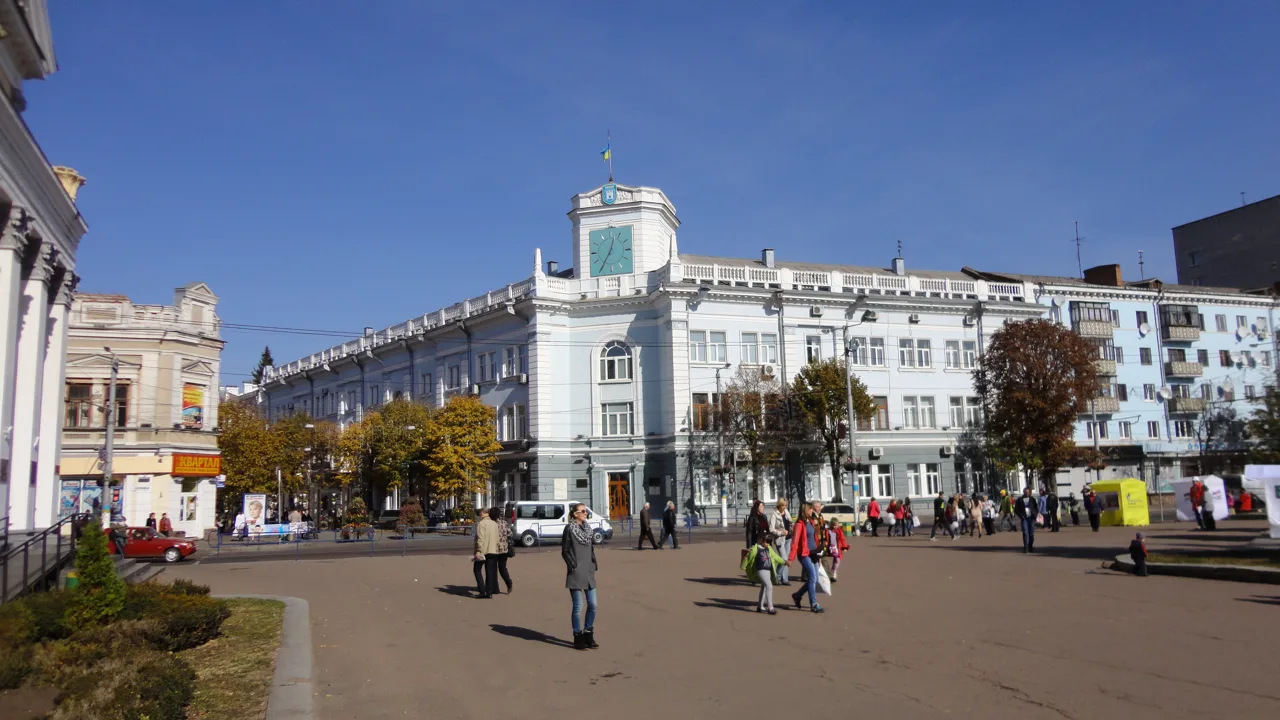
How wide was the grid damage?
It reached 10 regions, on the deputy minister's account. Nekrasov, writing on Telegram, said emergency power outages were in place in the capital Kyiv and the Kyiv, Poltava, Sumy, Chernihiv, Cherkasy and Kharkiv regions because of equipment damage and a drop in voltage in the high-voltage grid. The Kyiv Post, citing the national grid operator Ukrenergo, reported emergency power cuts in Kyiv, Kyiv region and Dnipropetrovsk region on the morning of November 3. In Vinnytsia region, damage to energy facilities and power lines left most settlements without electricity, prompting scheduled hourly power cuts, the Kyiv Post reported. The residential damage reported elsewhere is recorded separately from the grid damage, because the two are not the same thing: in Khmelnytskyi region, an apartment building in Shepetivka District sustained damage to its roof and two apartments, with no casualties reported — damage the Kyiv Post reported without attributing it to an energy facility.
What was hit in Kharkiv and Dnipro?
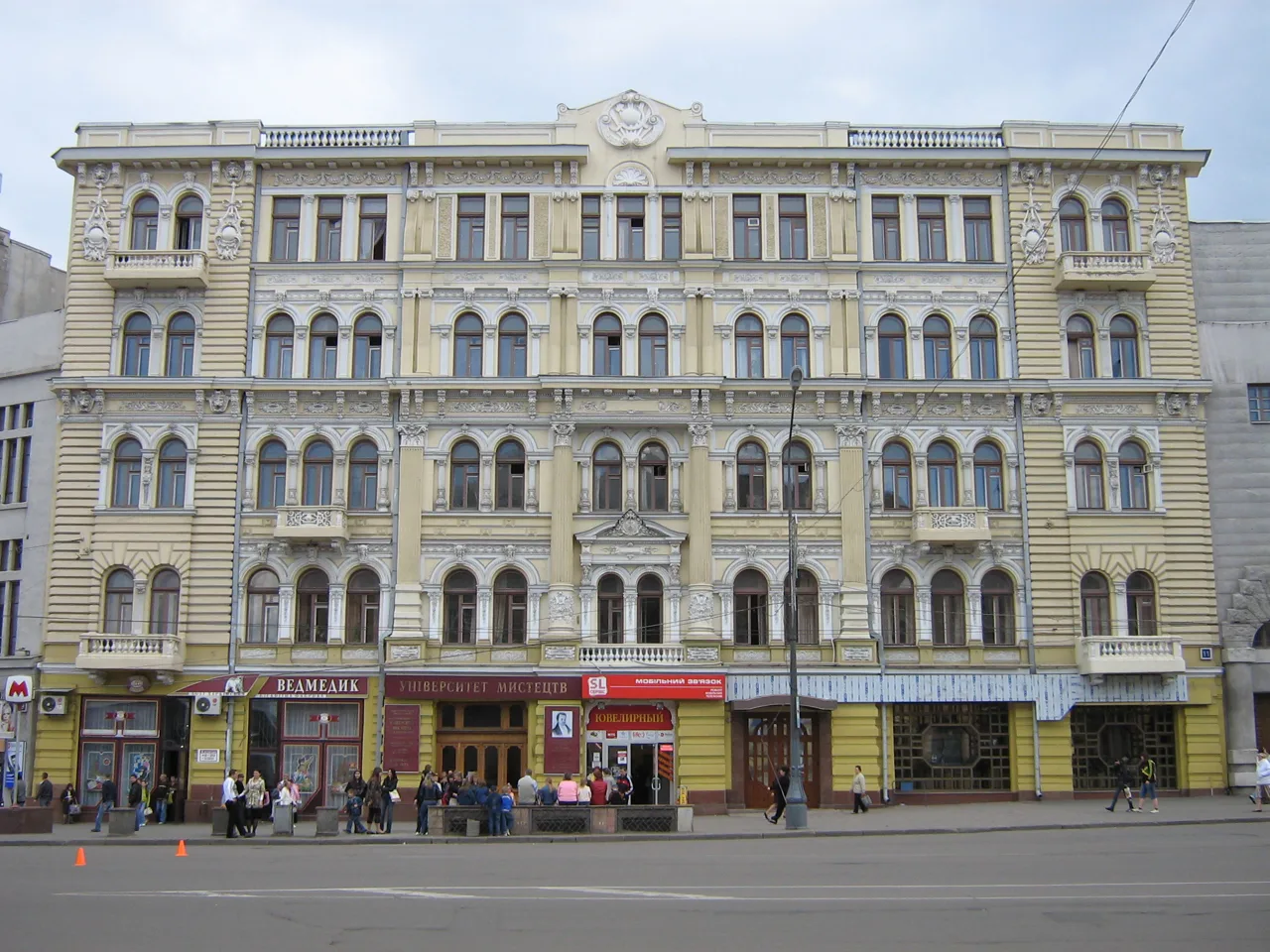
A medical facility in Kharkiv and a thermal power plant in Dnipro, on the city mayors' accounts reported by the Kyiv Post. A Russian strike damaged a medical facility in Kharkiv's Nemyshlianskyi district, Mayor Ihor Terekhov said; the attack injured 73 people, according to updated figures from regional authorities. More than 1,000 windows were damaged in the medical facility and surrounding apartment buildings, Terekhov said. In Dnipro, Russian forces struck critical infrastructure including a thermal power plant in the city's Samarskyi district, Mayor Borys Filatov reported; a residential neighbourhood and a police station in the same district were also hit, a hospital elsewhere in the city sustained damage, and at least 15 people were injured, according to the local authorities. In Zaporizhzhia, a Russian attack set a private house on fire and partially destroyed it; a 71-year-old woman was injured and several other houses and two cars were damaged, the regional military administration said. Those injury figures are the local authorities' figures as reported by the Kyiv Post; no independent verification of them was available in the reporting opened.
What does Russia say it targeted?
Power plants, substations, a Danube port and two cargo ships — a claim Reuters could not verify. Russia's Defence Ministry said on Tuesday that it launched a massive overnight strike on Ukrainian electricity facilities in the Vinnytsia, Dnipropetrovsk and Kharkiv regions which supply power to military factories and the Ukrainian army. It said it hit four power plants and two electricity substations as well as port infrastructure in Kiliia on the Danube river, and that it also hit two cargo ships — one in the port of Pivdennyi and one in the Black Sea — which it said were delivering military equipment and dual-use cargo to the Ukrainian army. Reuters was not able to independently verify the information, and the ministry's target list is published here as its claim, not as a confirmed account of what was struck.
Did Ukraine see the attack coming?
President Volodymyr Zelenskyy warned of it the evening before, on the Kyiv Post's reporting. Zelenskyy warned in his evening address on November 2 that Russia was preparing another large-scale attack, with energy infrastructure and logistics among the likely targets, after monitoring channels reported the redeployment of strategic bombers and increased military aviation activity during the day. The Kyiv Post reported that Russian forces deployed Tu-160 and Tu-95MS strategic bombers to launch cruise missiles, alongside ballistic missiles and attack drones including jet-powered Shahed-type drones, and that ballistic missiles were launched at around 3 a.m. toward targets in Dnipropetrovsk and Vinnytsia regions as well as Kharkiv and Zmiiv. What gives the night its weight is the breadth on Nekrasov's account: severe damage across 10 regions, with emergency outages in Kyiv and the Kyiv, Poltava, Sumy, Chernihiv, Cherkasy and Kharkiv regions because of equipment damage and a drop in voltage in the high-voltage grid.
This report is drawn from Reuters' November 3, 2026 reports on the Zhytomyr and Odesa region attacks and on the Russian Defence Ministry's statement, both opened and read in full on reuters.com; Reuters' November 3 report of Deputy Energy Minister Nekrasov's account, opened and read in full via its DevDiscourse syndication; and the Kyiv Post's November 3 barrage report, opened and read in full via Bytes Europe. Injury figures for Kharkiv and Dnipro are the local authorities' figures as reported by the Kyiv Post, attributed inline with the absence of independent verification stated; the Defence Ministry's target claims are published as claims, with Reuters' non-verification stated, per the two-source rule.