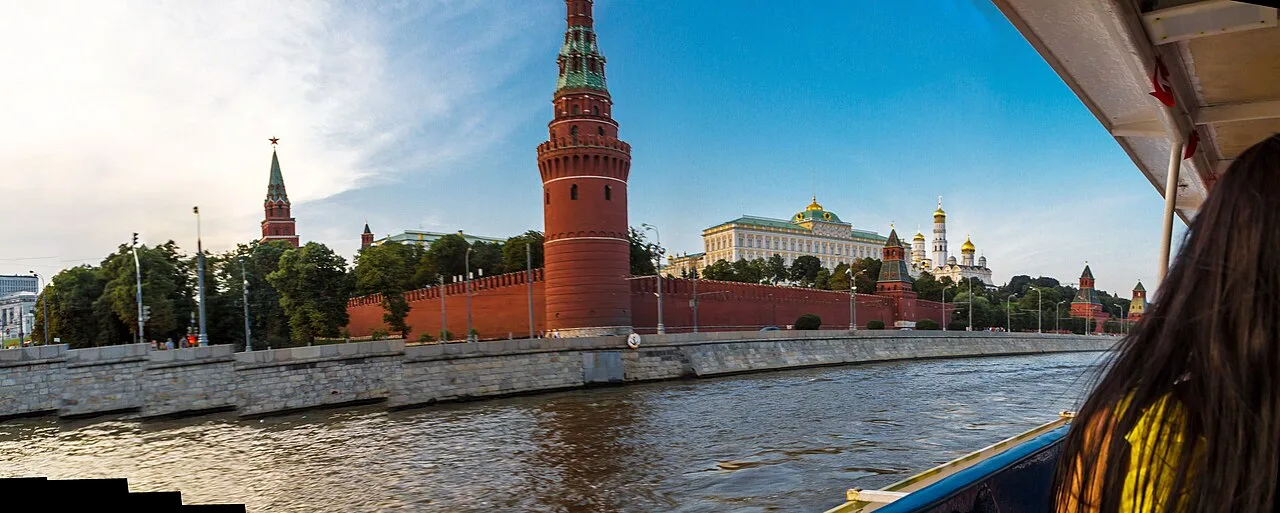
The Kremlin on Thursday accused Ukraine of trying to spread the war to the Mediterranean and Baltic seas, a move it called very dangerous, Reuters reported — spokesman Dmitry Peskov said Ukraine, not Russia, was the one trying to widen the area of conflict. The exchange is tracked on this site's Europe hub and set against the background of our Ukraine war explainer. Peskov was answering a warning aimed at Moscow itself: a day earlier, US President Donald Trump and NATO chief Mark Rutte had said Russia should avoid actions that expand its full-scale war in Ukraine.
What did the Kremlin say?
"As regards the escalation of the conflict in Ukraine, this appears to refer to attempts by the Kyiv regime to expand the geographical scope of this conflict. We are witnessing terrorist activity by the Kyiv regime in the Mediterranean and the Baltic," Peskov told reporters on a conference call, Reuters reported. He said nobody wanted the conflict to expand, but that Ukraine, not Russia, was the one trying to widen the area of conflict.
"This cannot fail to cause concern amongst coastal states, and most likely within the Alliance as a whole – the North Atlantic Treaty Organization. Of course, nobody would want the conflict to spread geographically, and these are potentially very dangerous actions on the part of the Kyiv regime," he added. The word "terrorist" is the Kremlin's characterisation of the Ukrainian operations, published here as its claim, not adopted by this site.
What were Trump and Rutte warning about?
Russia should avoid actions that expand its war in Ukraine, Trump and Rutte said in a joint statement on Wednesday after a meeting in Florida where they also discussed the Iran war, Reuters reported. "We also discussed the importance of Russia avoiding any actions that intentionally, or unintentionally, expand the war, and the importance of obtaining a peaceful resolution to the war as rapidly as possible," the leaders said in their statement.
Their intervention appeared to be a warning to Moscow to think twice about how it retaliated against Ukraine over recent attacks Kyiv has launched on Russian interests far from the conflict zone, Reuters reported. The Florida meeting came after Trump met Russian President Vladimir Putin and Chinese leader Xi Jinping last week in Asia, referring to each as his "friend." Trump's meeting with Putin triggered a backlash from domestic Democratic opponents and European allies, with the latter having pushed to be included in US-backed talks to end the war in Ukraine. Ukrainian President Volodymyr Zelenskiy, who has been criticized by Trump, has said Europe had to be included in peace talks. Rutte and Trump also talked about boosting defence spending and investment in the United States and across NATO, according to their statement.
Which attacks sit behind the exchange?
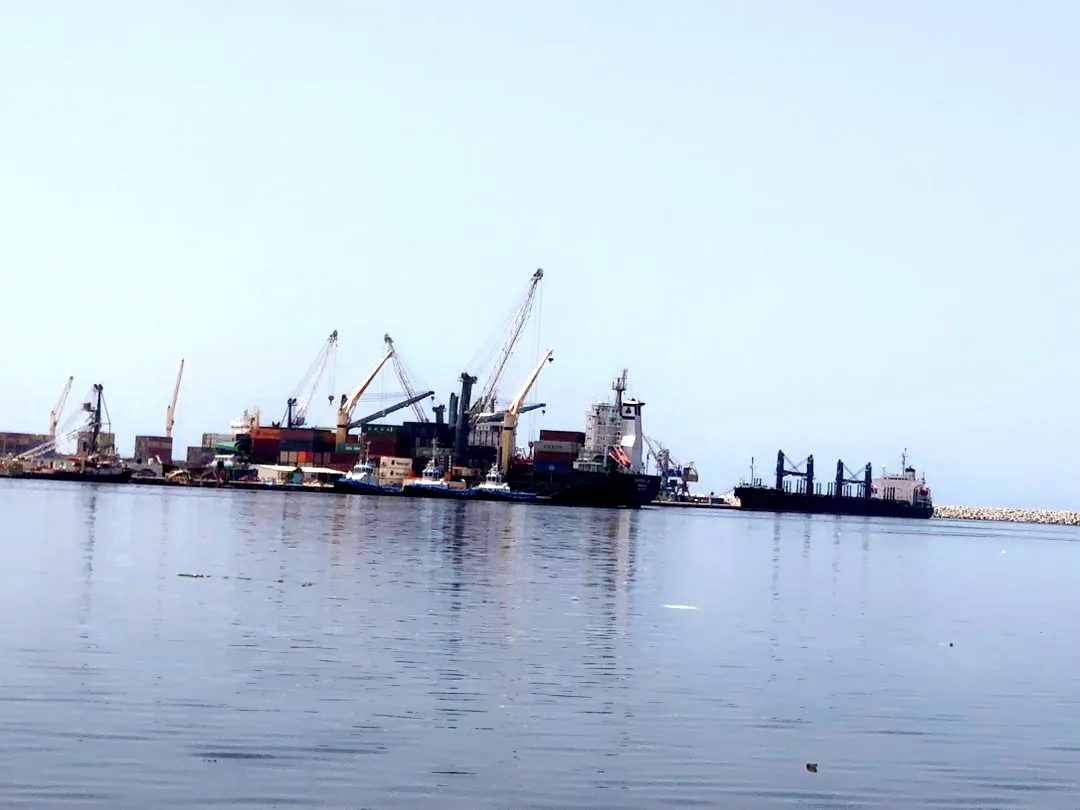
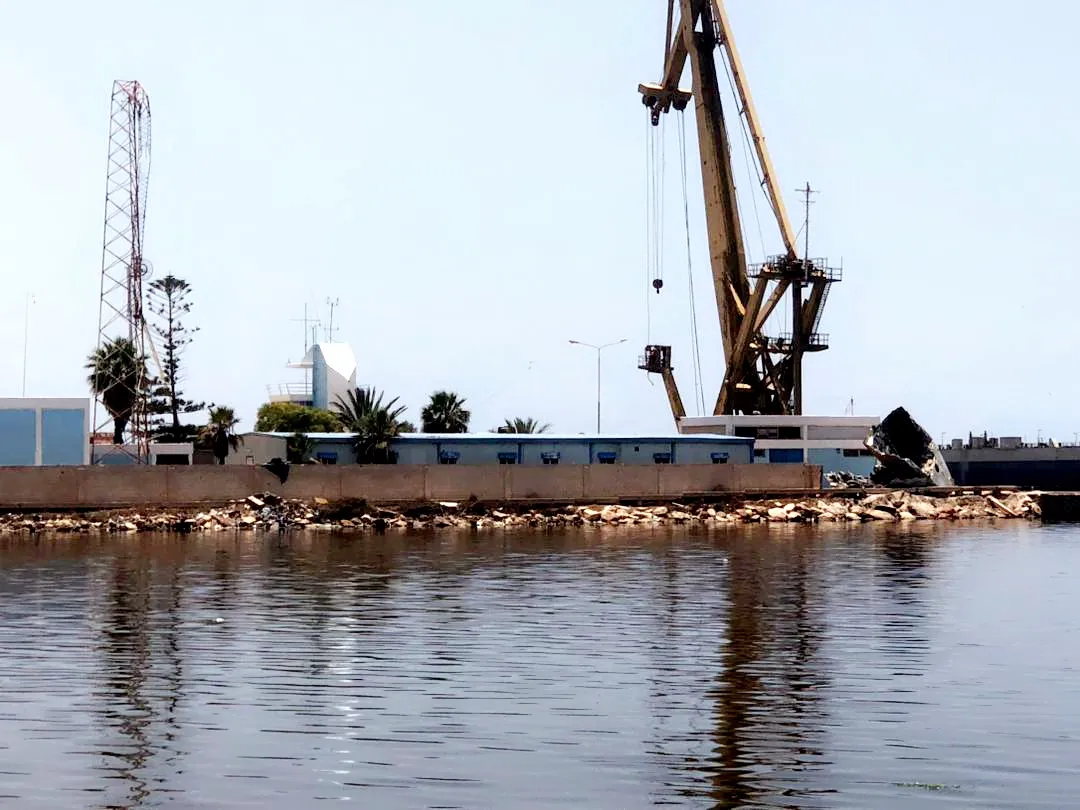
Ukraine said its maritime drones sank a Russian naval corvette in a Libyan port on Sunday, a day after a drone strike on a Russian military-linked cargo ship in the Gulf of Finland, Reuters reported. Both strikes rest on Ukraine's account as carried by Reuters; neither has been independently confirmed in the reporting opened for this article, and both are reported here with that limitation. Those two strikes, a day apart and thousands of kilometres apart, are the factual core both statements are arguing over: Washington and NATO addressed their warning about expansion to Russia, and Moscow answered that the expansion was Kyiv's doing.
The coastal states Peskov invoked have already spoken in their own names. Libyan authorities condemned Ukraine's actions, as did Italy, which told Kyiv it was wrong to attack Russian ships in Libyan waters and warned it not to spread the war to new areas. Norway, a strong supporter of Kyiv, also urged it to exercise caution in any Baltic Sea operations and stressed the need to maintain stability in areas close to it, Reuters reported. Thursday's Kremlin statement therefore lands in an argument that is no longer bilateral: the two governments that host the waters in question, and two NATO members, have each put a position on the record this week.
What is unverified
Peskov's accusation is a statement of the Kremlin's position, not a finding: this article reports who said what, and adopts neither side's characterisation of the other's intent. The underlying strikes themselves were reported by Reuters and covered on this site at the time; what is new on Thursday is the diplomatic exchange about them — a US-NATO warning addressed to Moscow, and Moscow's answer that the widening is Kyiv's. The two strikes the exchange is about are themselves single-chain in the reporting opened: Ukraine's account, carried by Reuters, with no independent confirmation opened — they are reported above as Ukraine's account, with that limitation. No Ukrainian response to Peskov's Thursday remarks was in the dispatches opened for this article, and none is claimed here.
Sources: Reuters (Tier 1, 26 November 2026, Moscow dispatch read in full on reuters.com) for Peskov's accusation and quotes, the Trump–Rutte joint statement it answered, the Sunday Benghazi corvette sinking and Saturday Gulf of Finland cargo-ship strike, and the Libyan, Italian and Norwegian positions; Reuters (Tier 1, 26 November 2026, Trump–Rutte dispatch read in full on reuters.com) for the Florida meeting, the joint statement's wording, the Putin and Xi meetings, the allied backlash and Zelenskiy's position on European inclusion.