Drone strikes by Sudan's paramilitary Rapid Support Forces (RSF) killed 19 civilians and wounded 20 others in two cities in Blue Nile state on Tuesday, the Sudanese human rights group Emergency Lawyers said on Wednesday, Reuters reported. The fighting is tracked on this site's Sudan hub and set out in our Sudan conflict explainer and our explainer on what the RSF is. Nineteen people, including six women, died in the state capital Damazin, where drones struck three residential neighbourhoods on Tuesday night; the attribution to the RSF is the rights group's account, residents confirmed to Reuters that drone strikes had taken place, and the RSF did not immediately respond to a request for comment.
What happened in Damazin and Roseires?
In Damazin, 19 people were killed on Tuesday night; in Roseires, five people were wounded earlier that day and the dam and power facilities were targeted, on the Emergency Lawyers account Reuters carried. In Damazin, the dead and 15 of the wounded were members of three families, Emergency Lawyers said in a statement on Facebook. The group is a Sudanese human rights organisation whose toll Reuters carried as its account, not as a verified count: the strikes themselves were confirmed by residents who witnessed them and spoke to Reuters, while the toll and the attribution rest on the group. Other counts opened in this run differ in detail — a Sudanese human rights observatory account put more than 30 explosive drones over Damazin's neighbourhoods and placed two of the dead in Roseires, with nearly 25 wounded across the two cities, and a local civic count stood at 14 dead. This article leads with the Emergency Lawyers figures because they are the ones Reuters reported, and records the differing counts here rather than merging them into a single number none of the sources gave.
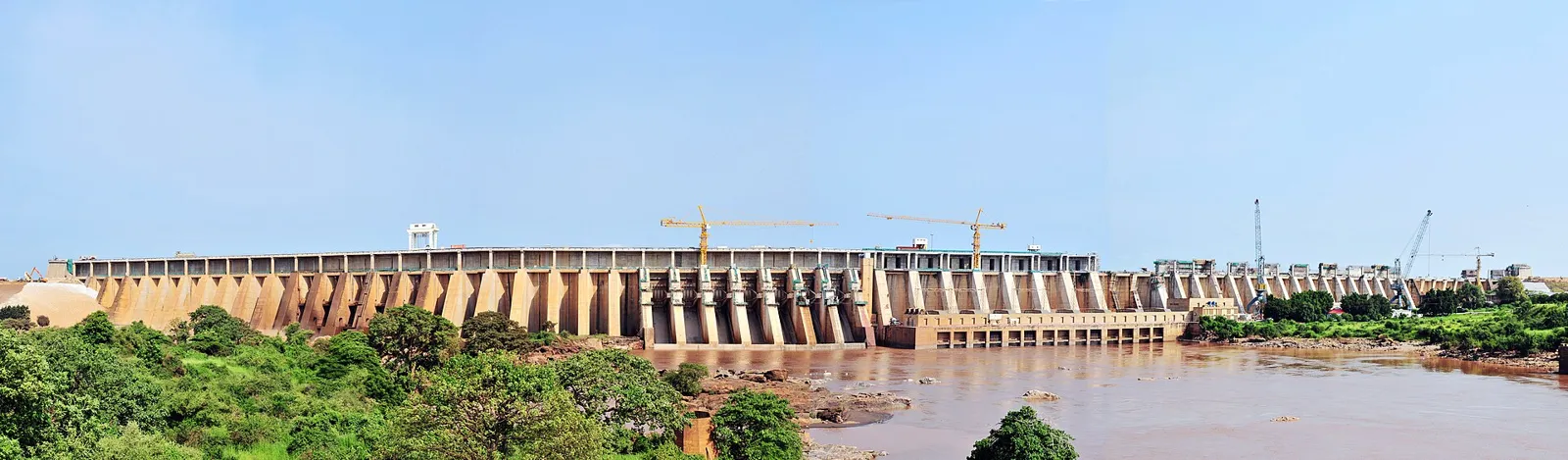
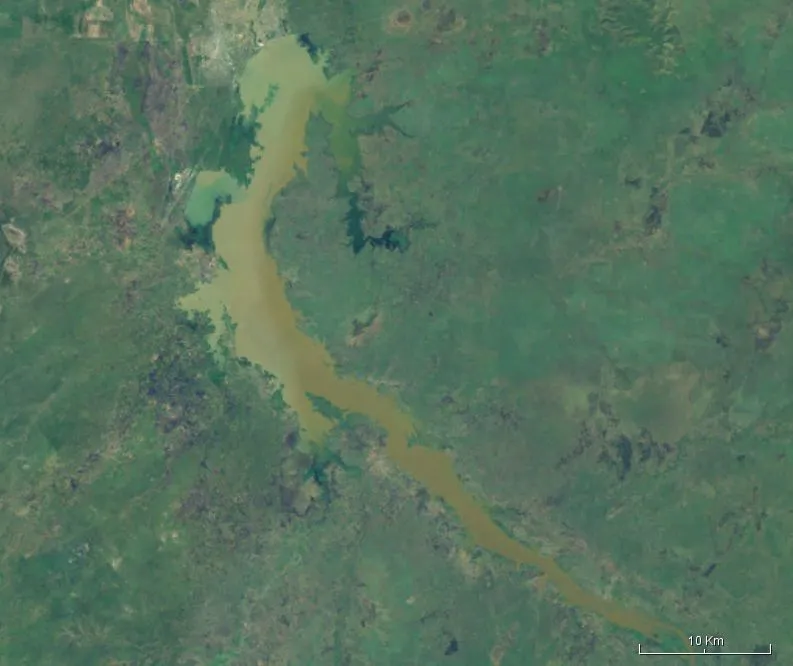
In Roseires, five civilians were wounded earlier on Tuesday, where the group said drones targeted the dam and power facilities. No deaths in Roseires were in the Emergency Lawyers account Reuters carried. The pattern matches the wider drone campaign this site has followed across Sudan this month, from the drone strikes on Khartoum that damaged UN premises to the army's Kordofan offensive in the west.
Why does the Roseires targeting matter?
Because the reported target at Roseires was the dam and the power facilities behind Sudan's national grid. Emergency Lawyers warned that the attacks could disrupt electricity supplies across Blue Nile, which borders South Sudan and Ethiopia, and damage the national grid, Reuters reported. A reported strike on those facilities is a claim about national infrastructure, not only about one town. No damage assessment for the dam was in the reporting opened — the warning is the group's, and it is reported as such.
The human context is displacement. Both cities have taken in people fleeing fighting elsewhere in the southeastern state, including Bau and Geissan, Emergency Lawyers said. The RSF said in August it had captured Geissan, part of a front along the Ethiopian border in its war with Sudan's army, which began in April 2023. Damazin is therefore not a frontline capital in the usual sense: it is a state capital swollen with people who fled toward it, now reported struck by the same drone campaign they fled — the observatory account described the city as sheltering tens of thousands of displaced people.
What is unverified
The toll and the RSF attribution come from Emergency Lawyers, a rights group, carried by Reuters with the group's name on them; the RSF had not commented in the reporting opened, and the counts differ between the monitors — 19 dead on the Emergency Lawyers account, two of the dead placed in Roseires rather than Damazin on the observatory account, 14 on a local civic count. What is confirmed by a second, independent element in the Reuters reporting is narrower: residents who witnessed the attacks confirmed that drone strikes had taken place. No damage at the Roseires Dam has been independently verified, and none is claimed here.
Sources: Reuters (Tier 1, 25 November 2026, dispatch by Khalid Abdelaziz read in full via the rostered 94.7 The Beast carriage and opened on reuters.com) for the Emergency Lawyers toll and its composition, the three-neighbourhood detail, the residents' confirmation, the RSF's non-response, the Roseires wounded and dam targeting, the grid warning, the displacement into both cities and the August Geissan capture. The differing observatory and civic counts were opened in this run in secondary reporting of the same monitors and are presented as differing counts, not adopted figures.