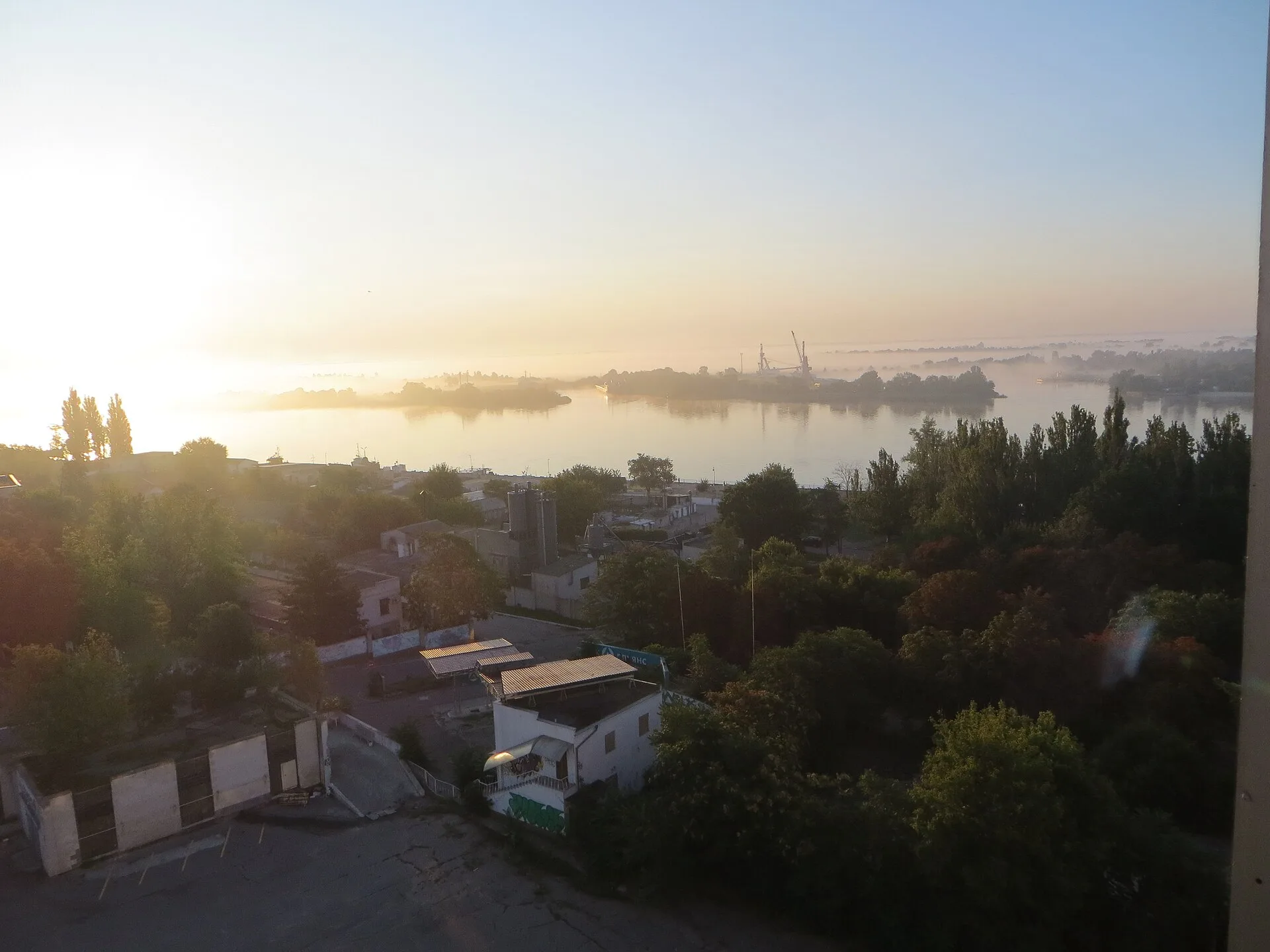
Russia and Ukraine confirmed on Friday, October 23, that a localized ceasefire in the Russian-occupied town of Oleshky will take effect at 01:00 GMT on Tuesday, October 27, allowing humanitarian aid to enter and residents to evacuate, Reuters reported. The agreement, brokered through US first lady Melania Trump, covers the front-line town across the Dnipro River from Ukrainian-held Kherson, occupied by Russian forces since February 2022. Both militaries issued implementation statements on Friday fixing the same start moment — and President Volodymyr Zelenskiy said the humanitarian pause is paired with a resumption of trilateral peace talks at technical level in the first half of November.
When does the ceasefire begin?
The ceasefire begins at 01:00 GMT on October 27, according to both armies. Russia's defence ministry said it would implement the ceasefire from 4 a.m. Moscow time that day, CNN reported, and Ukrainian officials said Ukraine would do the same from 3 a.m. Kyiv time. Russian chief of the general staff Valery Gerasimov, in a statement on the defence ministry's Telegram channel, said Russian troops would halt fire from that hour "to allow for the humanitarian operation to start." The date is two days earlier than first announced: the White House said on Friday morning that Melania Trump had secured a ceasefire "which will begin on October 29," and the first lady's own statement used the same date. The Institute for the Study of War noted that Gerasimov's October 27 start was "a notably different start date from the one given in the White House press release." Neither side's military statement specified how long the pause would last or exactly what territory it covers; Kremlin spokesman Dmitry Peskov said only that the operation would "certainly take at least a few days."
What will happen in Oleshky once the guns stop?
The operation runs in stages: first the ceasefire, then aid, then evacuation. Ukraine's human rights ombudsman Dmytro Lubinets, a leader in the negotiations, told Reuters the operation would involve demining roads to the town, deliveries of food and evacuations of civilians, and cautioned that it "will be carried out gradually and is extremely challenging to implement." Non-military civilian leaders from both countries will work together to visit residents in their homes and determine the assistance they require, the first lady said, and residents who wish to evacuate will receive transport to a destination of their choice — "some will want to go to Russia, and some to Ukraine," she added. Ukrainian lawmaker Davyd Arakhamia said the goal was to establish permanent humanitarian corridors out of the town.
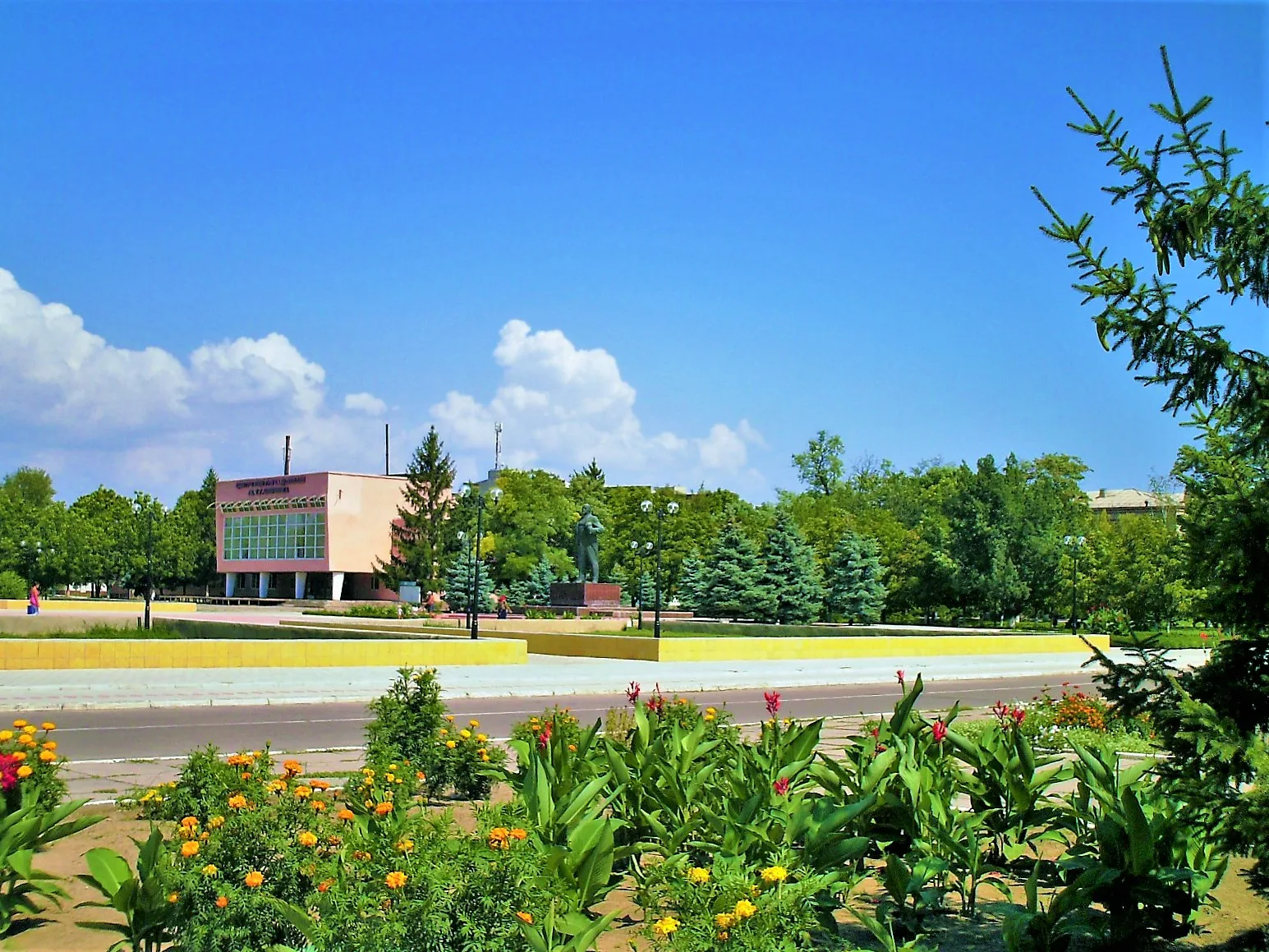
Why is Oleshky's situation described as dire?
The town's remaining population is mostly elderly people cut off from supplies. The White House put the remaining population at 1,700 to 2,000 — including about 50 children — down from roughly 24,000 before the war; Ukrainian authorities cited a figure of about 1,700 and said supply routes for food and medicine have been blocked. "Oleshky is a front-line war city on the brink of disaster," Melania Trump said. "The people of Oleshky have limited electricity, live amid mined roads, and endure regular military attacks." The ISW's October 23 assessment recorded that occupation authorities stopped food deliveries into the town in late December 2025 and have delivered no food or medicine since May 2026, that the Kremlin rejected three local humanitarian-ceasefire proposals from Lubinets in May, July and September 2026, and that Ukrainian forces resorted to providing food by drone drop in September. Ukraine's top diplomat in Washington, Denys Sienik, said Russia had not allowed the Red Cross to deliver food, clothing and medicine; Nobel laureate Oleksandra Matviichuk told the same Washington briefing that the last official food delivery was in May. Pope Leo XIV had also pressed the case, speaking in the past week to both Zelenskiy and Russian President Vladimir Putin about the town, Reuters reported. Peskov credited the first lady with a "significant contribution" and said the mission had been discussed in a recent call between Putin and President Donald Trump.
What happens diplomatically after October 27?
Technical-level talks among Ukraine, Russia and the United States are planned for the first half of November. Zelenskiy said the three sides had agreed to meet in Abu Dhabi, and that he hoped a leaders' meeting would follow; a US official later said the talks may be held in a couple of weeks in Abu Dhabi or Switzerland. Zelenskiy spoke on Friday with US envoys Steve Witkoff and Jared Kushner, said any peace agreement would need strong security guarantees for Ukraine and funding for ten years to maintain its army, and noted that a similar meeting expected this month had not materialised. The ceasefire announcement landed amid friction over Starlink: Ukrainian officials said speed restrictions on the satellite systems Ukraine uses against incoming attacks, in place since October 13, remained in force on Friday, and Trump told reporters, "If there is a problem, I'll get it straightened out." Separately on Friday, the two sides swapped 270 servicemen each in a prisoner exchange, the Russian defence ministry said — the first since August, Zelenskiy said, calling it "a very important result." Whether the Oleshky corridors actually open on Tuesday is the first test of the wider push.
This report is drawn from Reuters' October 23, 2026 report on the agreement, opened and read in full on reuters.com; CNN's October 23, 2026 report, opened and read in full; and the Institute for the Study of War's Russian Offensive Campaign Assessment for October 23, 2026, opened and read. The October 29 start date in the White House's original announcement (Reuters, 13:23 GMT) and the October 27 start set by both militaries later on Friday are both published, with the discrepancy flagged, rather than reconciled. Population figures are the White House's and Ukrainian authorities', published as such. No duration or precise geographic scope for the ceasefire had been stated by either military in the reporting opened for this article.