A US military aircraft fired precision munitions at the stern of the St. Kitts-flagged cargo ship M/V Huda in the Gulf of Oman on Saturday, disabling the fifth merchant ship since the US naval blockade of Iran resumed in July, and the same day US Central Command (CENTCOM) launched a new task force to extend the campaign to Iran's land borders and the Caspian Sea. CENTCOM said the crew ignored repeated warnings and tried multiple times to violate the blockade after the vessel visited an Iranian port, Reuters reported.
What happened to the M/V Huda?
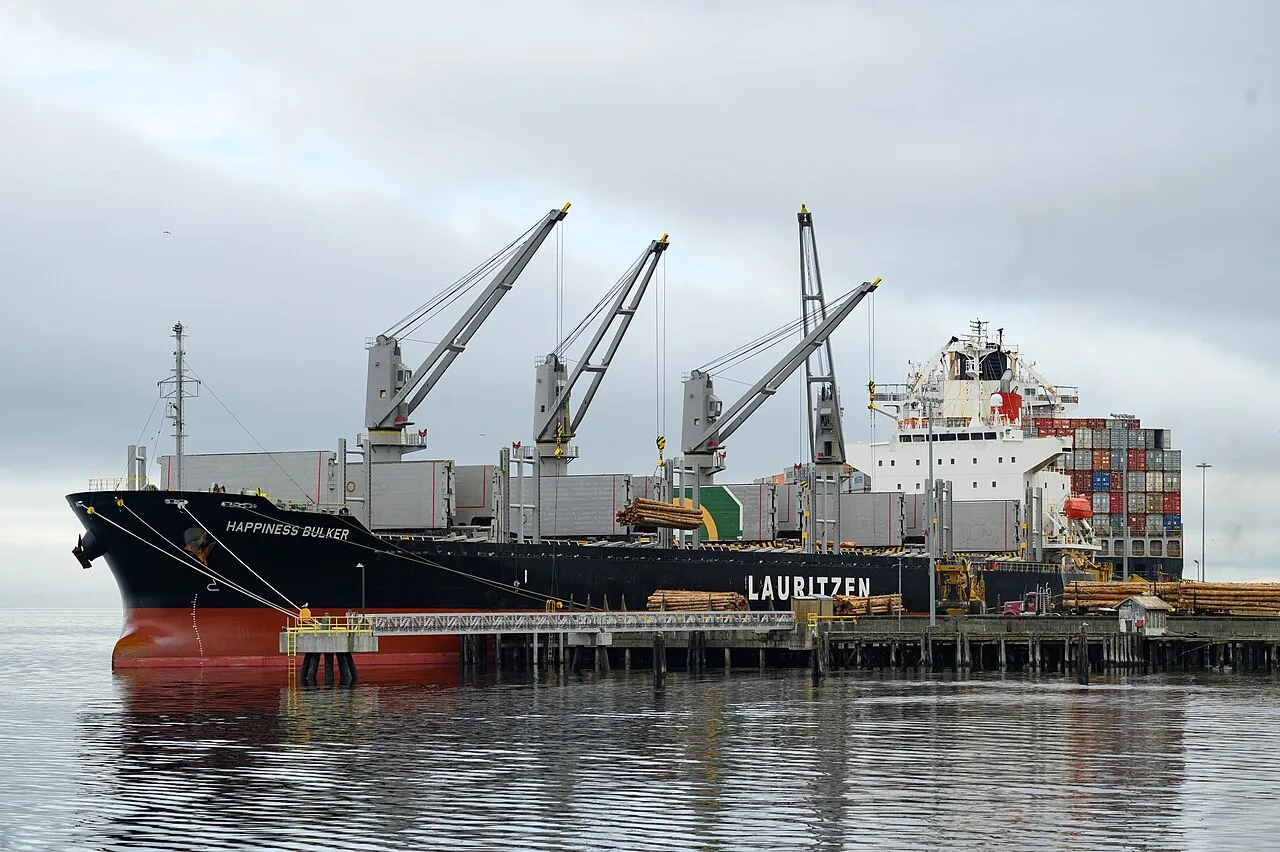
The Huda was trying to depart regional waters after visiting an Iranian port when a US plane fired precision munitions at its stern, after US forces directed the crew to abandon the targeted spaces, Central Command said, according to Reuters. Maritime reporting of the CENTCOM statement identified the ship as a dry bulk carrier of 24,993 deadweight tons, built in 1999 and 159 metres long, under Turkish management, and said it does not appear to be under sanctions. UK Maritime Trade Operations (UKMTO) placed the vessel approximately 18 nautical miles east of Khor Fakkan in the United Arab Emirates, and listed the crew's status as unknown. Central Command did not say whether anyone on board was hurt, how many crew were on the ship or what it was carrying. The Huda was the first vessel the US reported disabling since October 10, when it struck another bulk carrier, the Ocean Molica, in the Gulf of Oman — a strike the US likewise said followed ignored commands after that ship left an Iranian port. CENTCOM said enforcement since July has redirected 147 commercial vessels that complied with warnings and disabled five that refused, after earlier destroying 10 commercial tankers it described as supporting the Iranian oil trade.
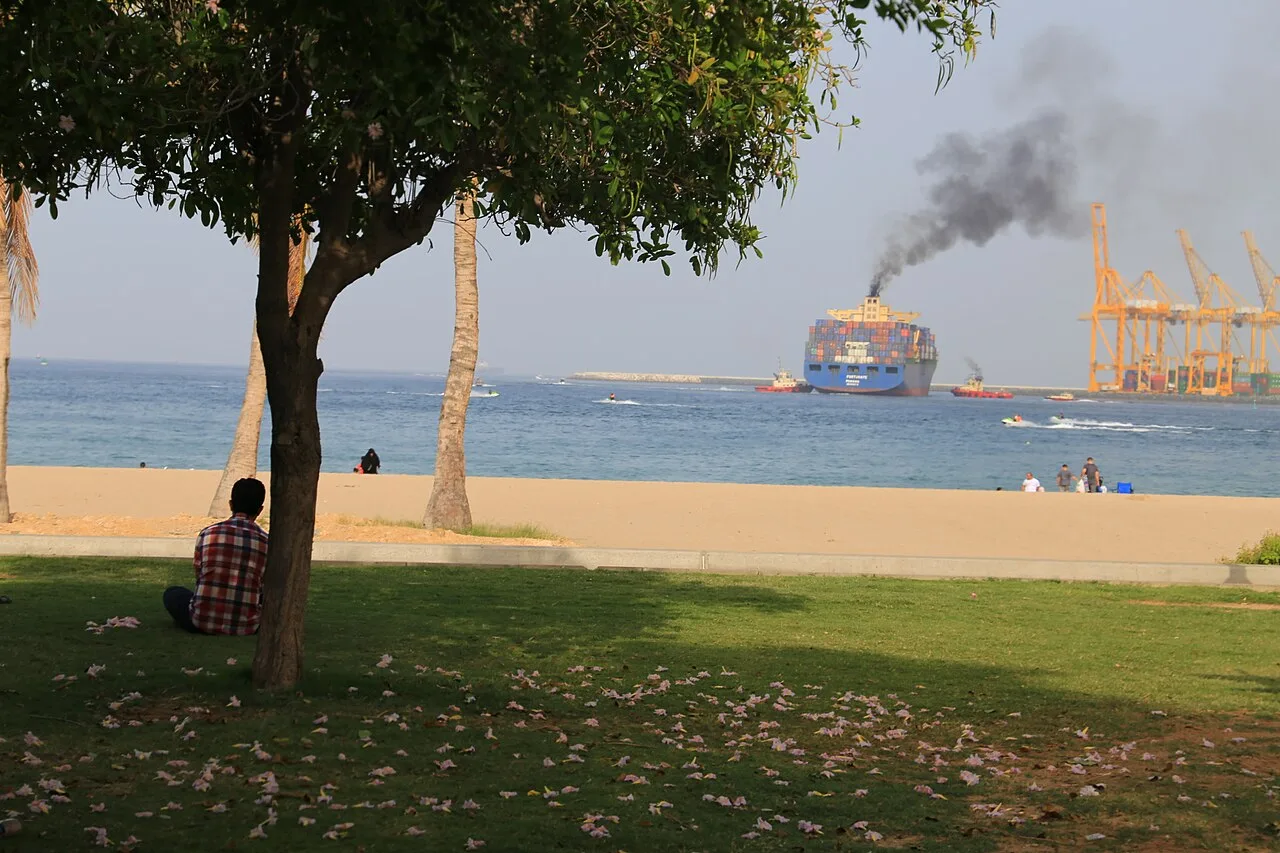
How is the blockade expanding to land?
Building on the months-long naval blockade, the US military said on Saturday it is launching Task Force Iron Gate to crack down on Tehran's movement of advanced weapons systems and other sanctioned material across its land borders and through the Caspian Sea, Reuters reported. The task force will be based in Tampa, Florida, will coordinate with other US government agencies, and will also focus on halting the flow of dual-use technologies and stemming what Washington calls illegal revenue streams. CENTCOM's statement described Iron Gate as an internal staff of about 20 civilian and military personnel; Admiral Brad Cooper directed its creation on November 7. A US military official, speaking on condition of anonymity, told Reuters the coordination was expected to include the Treasury, State and Justice Departments and the intelligence community. "Strengthening CENTCOM's collaboration with US interagency partners will further constrain Iran's ability to finance terrorism, rebuild weapons factories, and replenish their military," Cooper said in the statement reported by Reuters. The land focus follows a Reuters investigation that found Iran had created a secret network of military agencies to import at least $2 billion in hardware, explosives and heavy-duty trucks since January 2025, entering by Caspian cargo ship from Russia, by truck from Central Asia and by freight planes from China. CENTCOM estimated the naval blockade has prevented Iran from exporting more than $25 billion in crude oil — the command's own estimate, reported by Reuters.
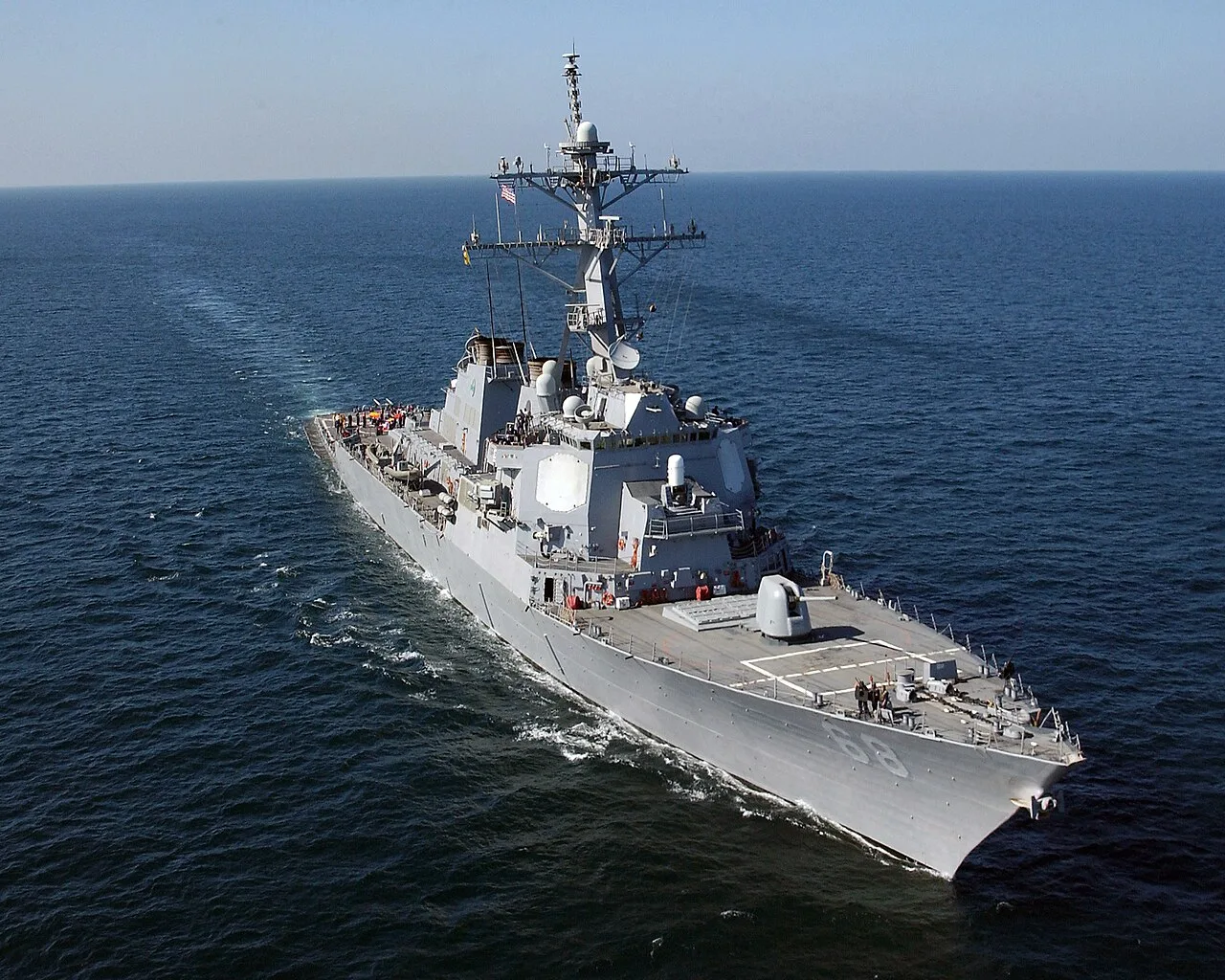
What has not been confirmed?
The condition of the Huda's crew, the ship's cargo and the full extent of its damage have not been established in the reporting opened for this article: CENTCOM's statement addressed none of them, and UKMTO listed the crew's status as unknown. The strike also landed in waters where attribution is routinely contested. UKMTO counted six confirmed attacks on shipping in the region in the first days of November and five more in the last days of October, while Iran issues daily reports claiming that vessels have struck mines in the Strait of Hormuz — claims that remain unconfirmed in the reporting opened for this article, and none of which names the Huda. Saturday's two announcements came as President Donald Trump has been threatening a new offensive against Iran and Tehran has threatened broad retaliation against Gulf infrastructure, Reuters reported, while Qatar has said its mediation between Washington and Tehran is still active.
This report is drawn from Reuters' November 7, 2026 reporting, opened on reuters.com and read in full via its verbatim carrier for the task-force article, and from maritime and CENTCOM-statement reporting opened the same evening. The disabling, the blockade tallies and the $25 billion figure are CENTCOM's account and estimates, attributed as such. No market snapshot box is published: the strike was announced on a Saturday, after Friday's settlements already published on this site today, and no market move on this news exists to report.