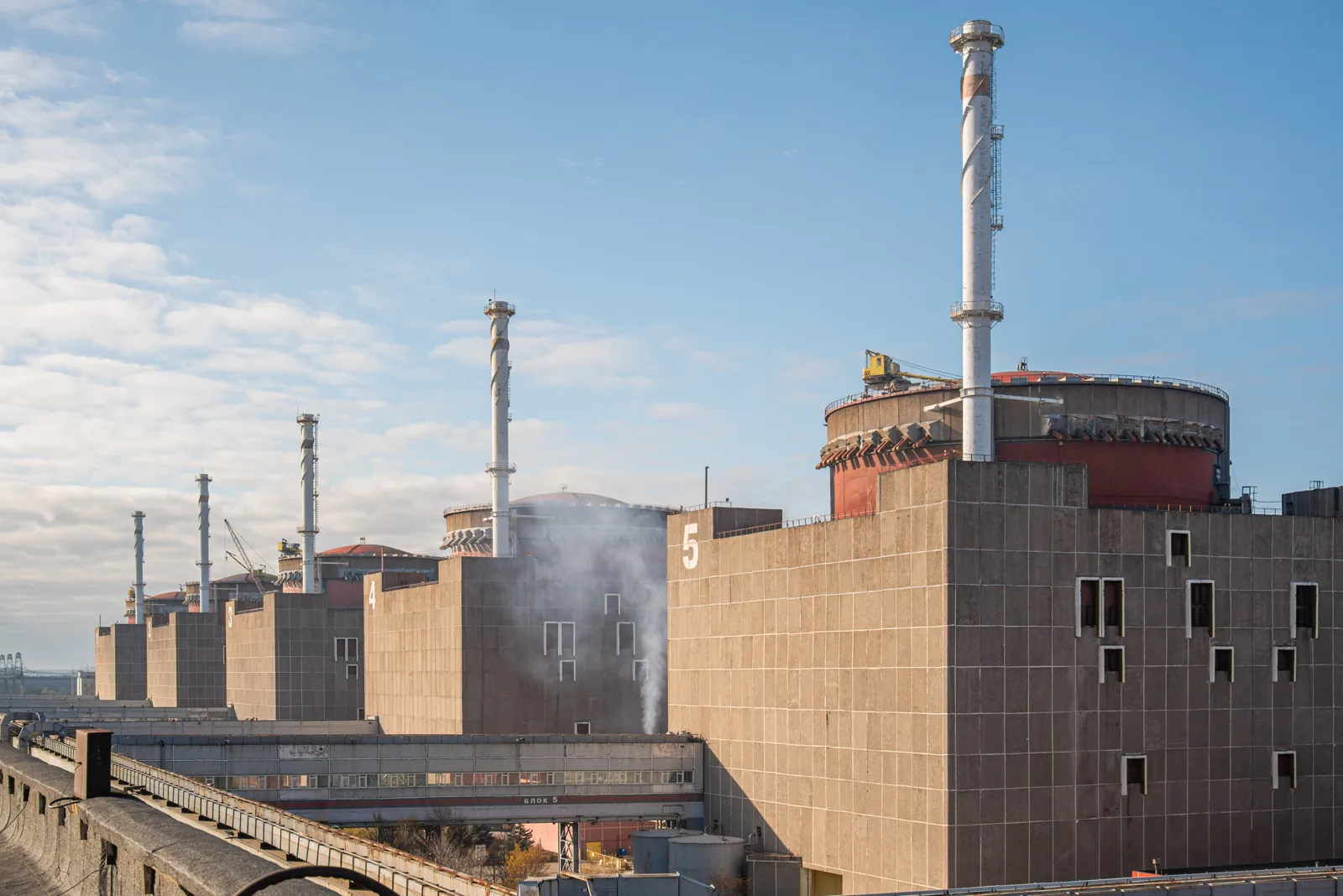
The Zaporizhzhia nuclear power plant in southeastern Ukraine — Europe's largest — lost all external power early on Sunday, November 8, after its only remaining offsite power line was disconnected because of damage, leaving backup diesel generators to supply the equipment required for the station's safe operation, the plant's Russian-installed management said. Radiation levels at the site and in the surrounding surveillance zone were normal, the management said in a statement reported by Reuters.
What happened to the Ferosplavna-1 line?
The International Atomic Energy Agency (IAEA) said it had been informed that the 330 kV Ferosplavna-1 line — the plant's only remaining offsite power line — was disconnected at 00:44 local time on Sunday, resulting in a new loss of offsite power. The agency said the damage to the line was preliminarily assessed to be on the northern bank of the Dnipro River, that an attempt to reconnect the line manually was unsuccessful, and that technicians could not yet determine the cause of the outage because of ongoing military activity. The plant's Russian-installed management said the line had been shut down by automatic protection because of damage, and that staff were monitoring all operational parameters of the equipment. Ukraine's state nuclear operator, Energoatom, gave a different time: it said the line went offline at 02:36 and that an attempt to reconnect it automatically was unsuccessful. Neither account, in the reporting opened for this article, attributed the damage to either side.
Why does a shut-down plant need outside power?
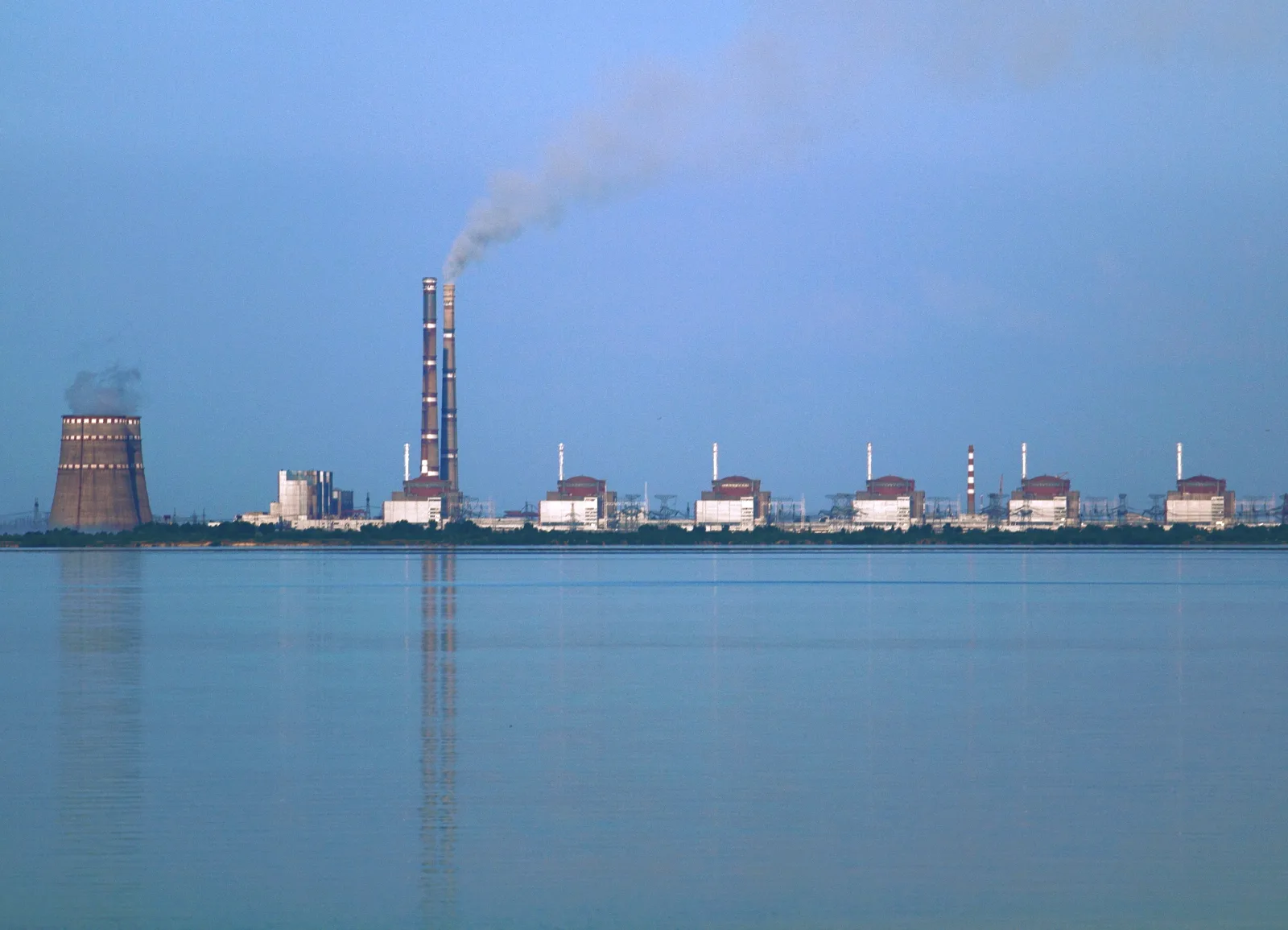
All six of the plant's reactors have been in cold shutdown since 2022 and the plant generates no electricity, but its safety systems still need power for essential functions, including the cooling of nuclear fuel — which is why a loss of offsite power puts the station on its diesel generators. Energoatom said Sunday's outage was the 16th time the Zaporizhzhia plant has completely lost its external power supply since the beginning of 2026. Operating in what it called blackout mode "creates a direct risk of failure of the life-support and nuclear fuel cooling systems if the diesel generators fail or their fuel runs out, which could lead to a radiation accident," the company said — Energoatom's own assessment, published here as it stated it. IAEA representatives are continuously present at the site and monitor safety.
What is the wider context?
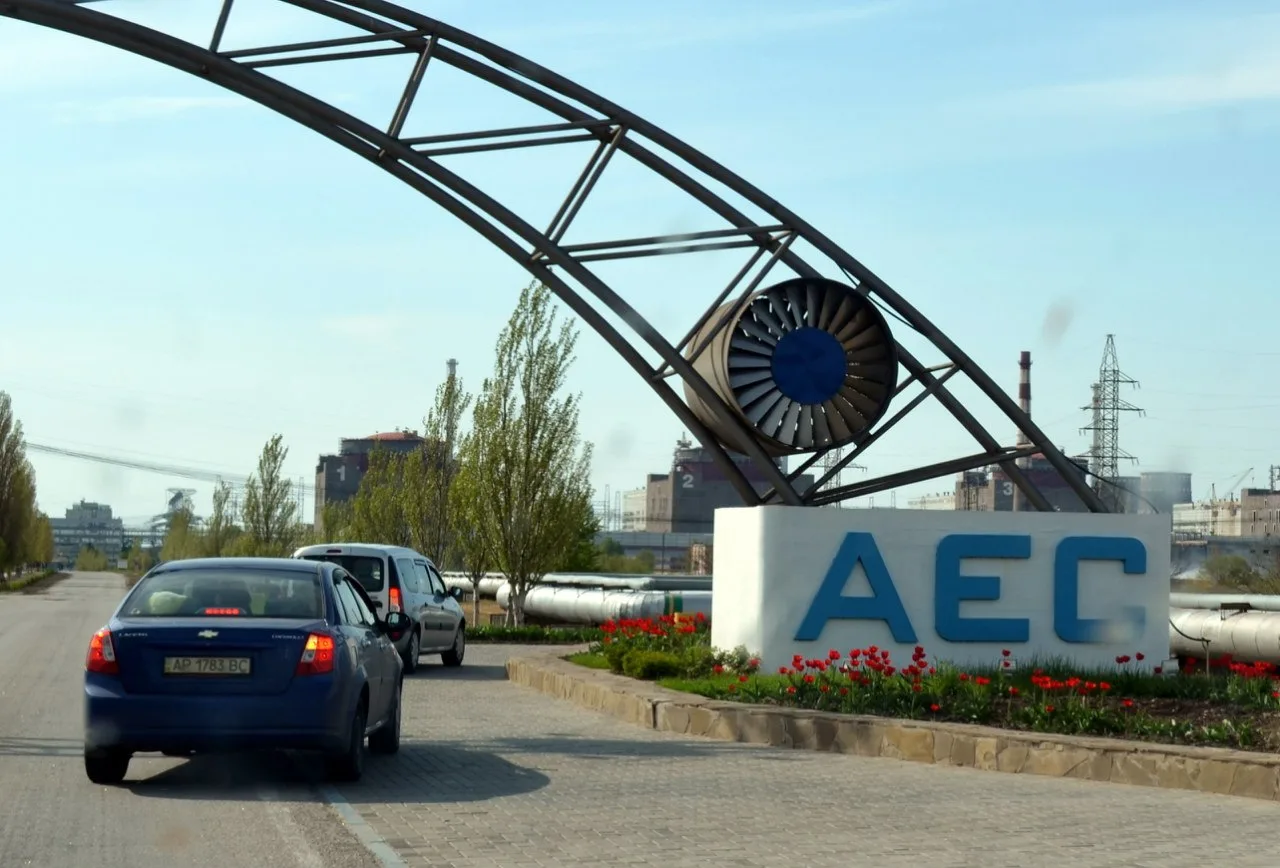
Russian troops seized the plant in the first weeks of the full-scale invasion in February 2022, and Ukraine and Russia regularly accuse each other of military activity near the plant that poses risks to nuclear safety. Two days before this outage, on November 6, IAEA Director General Rafael Grossi said increased military activity near nuclear facilities points to persistent threats to nuclear safety during the war and called for such actions to stop. Sunday's loss of power also lands in the middle of a renewed Russian campaign against Ukraine's electricity grid: the night before last, ballistic missiles closed Kyiv's Northern Bridge and hit substations transmitting power from the Rivne and Khmelnytskyi nuclear plants toward the capital. What has not been established is when the Ferosplavna-1 line can be repaired — the IAEA said military activity is preventing technicians from reaching and assessing the damage — or how long the plant will need to run on diesel.
This report is drawn from Reuters' November 8, 2026 reporting, opened and read on reuters.com and in full via DevDiscourse, the rostered Reuters syndication carrier; from NucNet's report of the IAEA's November 8 statement; and from Energoatom's statement as reported by AgroReview, both opened and read in full. The outage, the diesel operation and the radiation reading are the plant management's and the IAEA's accounts, attributed as such; the two operators' differing disconnection times are published as each gave them, and the cause of the damage is stated as undetermined because that is what the IAEA said. No market snapshot box is published: the outage was announced on a Sunday, when markets are closed, and no market move on this news exists to report.